


Decide inspection frequency separately for each harness characteristic, considering the consequence of a defect, the method's coverage and whether the check damages the item. Some requirements may need verification on each delivered unit; others may use an agreed lot-sampling plan or qualification programme. A sampled pass does not prove every unit passed, and inspecting every unit does not make a method capable of detecting defects outside its scope. Do not choose a single percentage for the whole assembly.
Three decisions often arrive under one word: “test”
A design qualification asks whether an identified construction can meet specified conditions. A routine unit check asks whether a particular delivered assembly meets selected requirements. Lot acceptance uses observations from selected items to decide the disposition of a defined group. These decisions may share equipment, but they have different meanings.
For example, an agreed electrical programme may be suitable for checking specified connections on every finished harness. An examination that cuts apart a joint cannot be performed on each delivered unit while leaving those same units available for use. It belongs in a separately justified plan, with the examined items excluded from delivery and with the plan's limits understood.
Neither example sets a requirement for a KMYD order. The equipment designer and quality owner must establish the necessary coverage. The purchasing specification should make the resulting plan explicit, so a supplier's general statement that cables are tested does not substitute for the actual acceptance agreement.
Build a characteristic-by-characteristic plan
| Characteristic | Coverage question | Frequency decision |
|---|---|---|
| Circuit connection | Does the defined method address all required paths and prohibited connections? | Set unit coverage according to the application risk and agreed method. |
| Dimensions and visible features | Are the features accessible, measurable and controlled by the current drawing? | Define which features need each-unit checks and which have a justified alternative. |
| Hidden joint construction | At what stage can it be inspected, and does later work affect it? | Coordinate in-process controls with finished acceptance and any representative examination. |
| Environmental performance | What construction, conditions and acceptance criteria does the evaluation cover? | Separate qualification or periodic evaluation from routine delivery inspection. |
The consequences of a missed defect matter. A wrong connection in one application can have a different risk from a minor dimensional variation in another. Assign criticality through the project's responsible engineering and quality process. Do not borrow an acceptance number from a general article and treat it as suitable for a safety-related function.
Also consider the method's failure modes. Fixtures, programmes and operator interpretation can introduce errors. Checking every unit with the wrong programme can produce consistent but unhelpful results. Define how the method is confirmed as suitable for the selected assembly and how changes to the harness or inspection setup are controlled.
If sampling is used, define the lot first
NIST describes acceptance sampling as using a random sample to accept or reject a lot. Its purpose is a lot decision, not a claim that every item was inspected or that the lot's exact quality is known. Keep that distinction visible in the plan and in receiving decisions.
A sampling plan needs more than “check a few.” Establish the lot boundary, selection method, inspected characteristic, sample quantity, acceptance rule and action after a rejection. Identify how process or material changes affect the lot definition. A group of mixed revisions is not made a coherent inspection lot simply by shipping in one carton.
Agree the rejected-lot response in advance. Depending on the requirements, it may involve holding the group, investigating the cause, carrying out an approved screening or rework process, or rejecting the delivery. Do not keep drawing fresh samples until a favorable result appears; that changes the decision process without demonstrating that the original concern was resolved.
Make the frequency visible at order review
Use separate entries for qualification evidence, routine unit checks, in-process controls and sampled lot checks. Give each an identified requirement and agreed method. If a characteristic is not inspected on every delivered item, state the basis of its coverage instead of allowing the phrase “fully tested” to imply more than the plan provides.
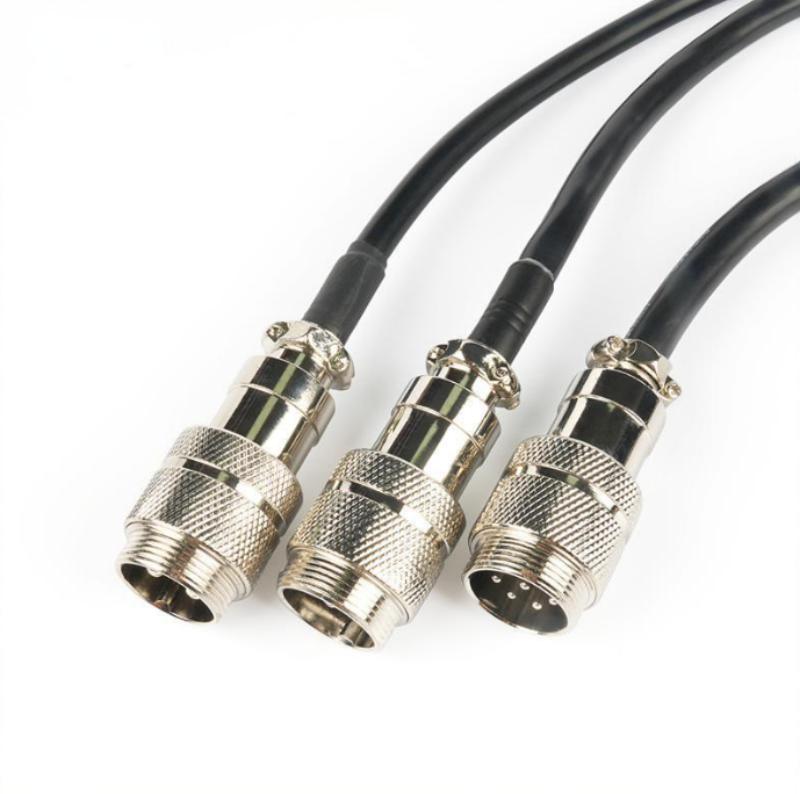
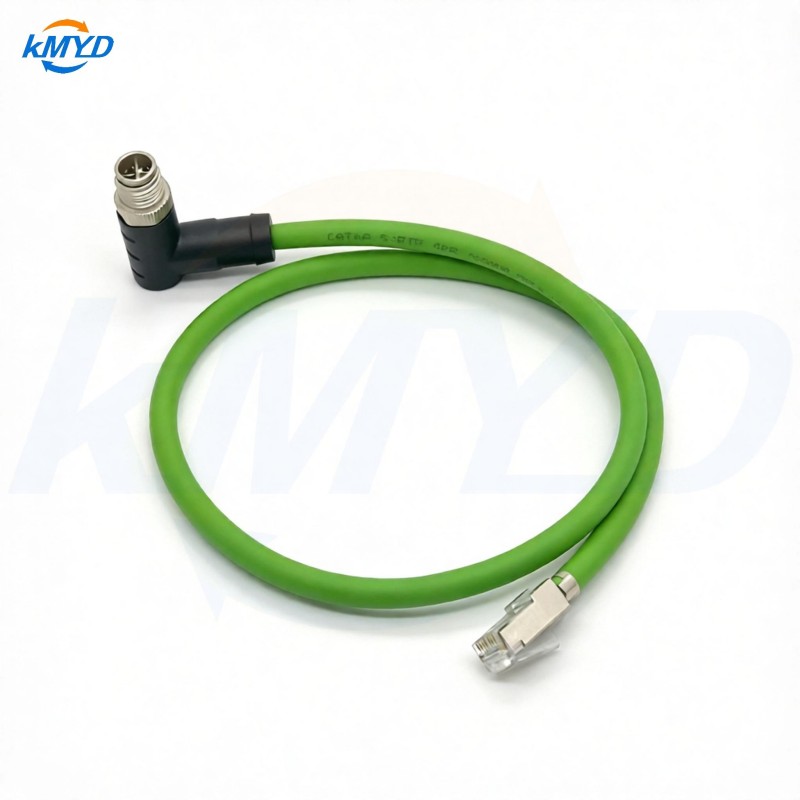
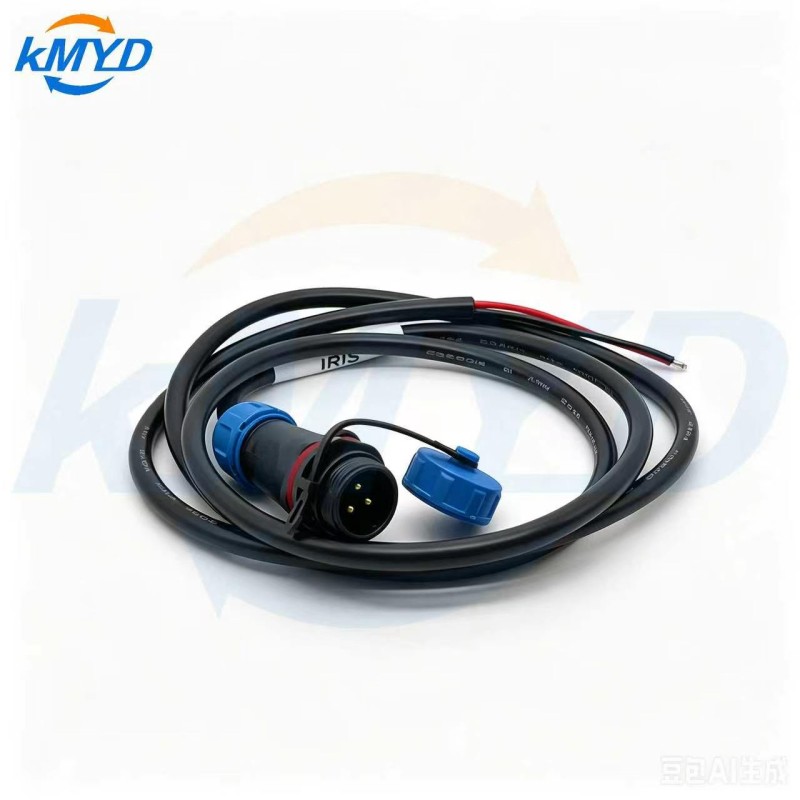
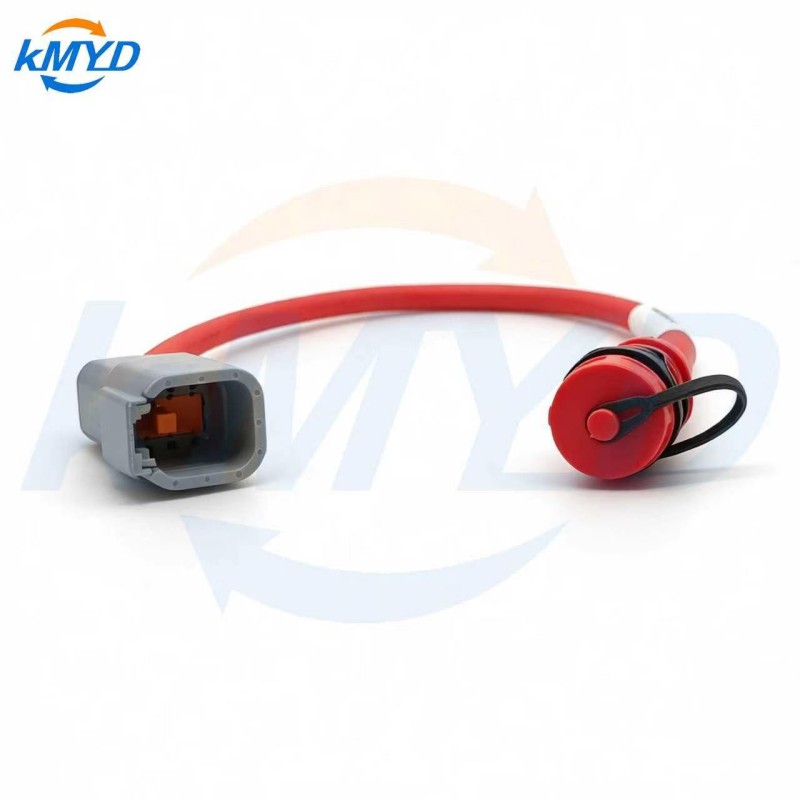
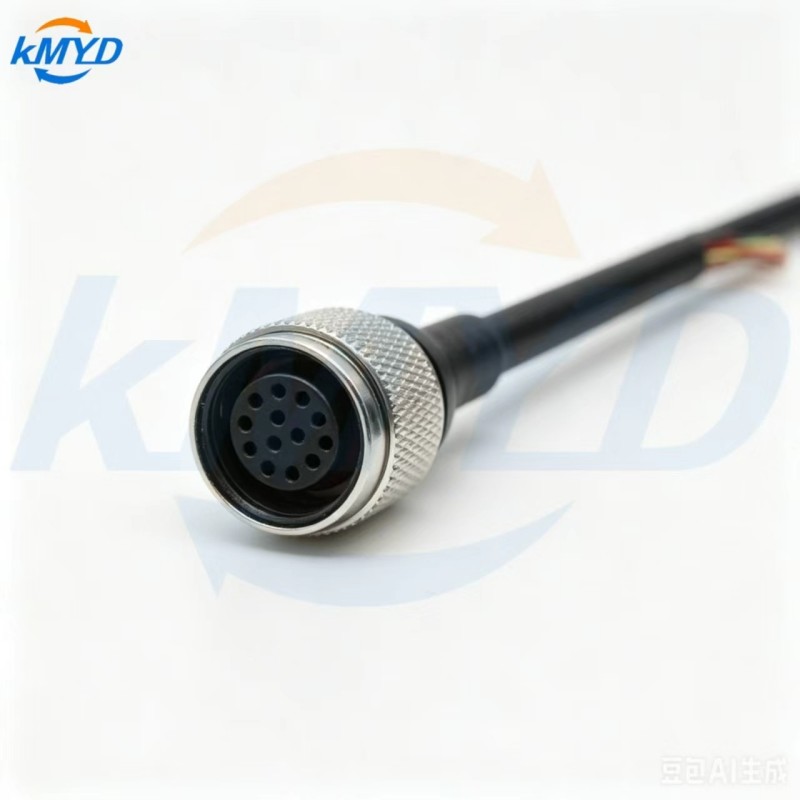
When discussing KMYD's M12 custom cable or M16 pre-wired assembly, send this characteristic-level plan with the drawing. Ask the supplier to confirm which checks and frequencies can actually be supplied. Resolve exceptions with the quality owner before release; the deliverable is an agreed acceptance strategy, not an unsupported percentage attached to the product name.




 Tel: +8619924482730
 Email: info@kmydconnector.com
 MP/WhatsApp: +8619924482730
 Manufacturer Address:Baoan District, Shenzhen City, Guangdong Province,China