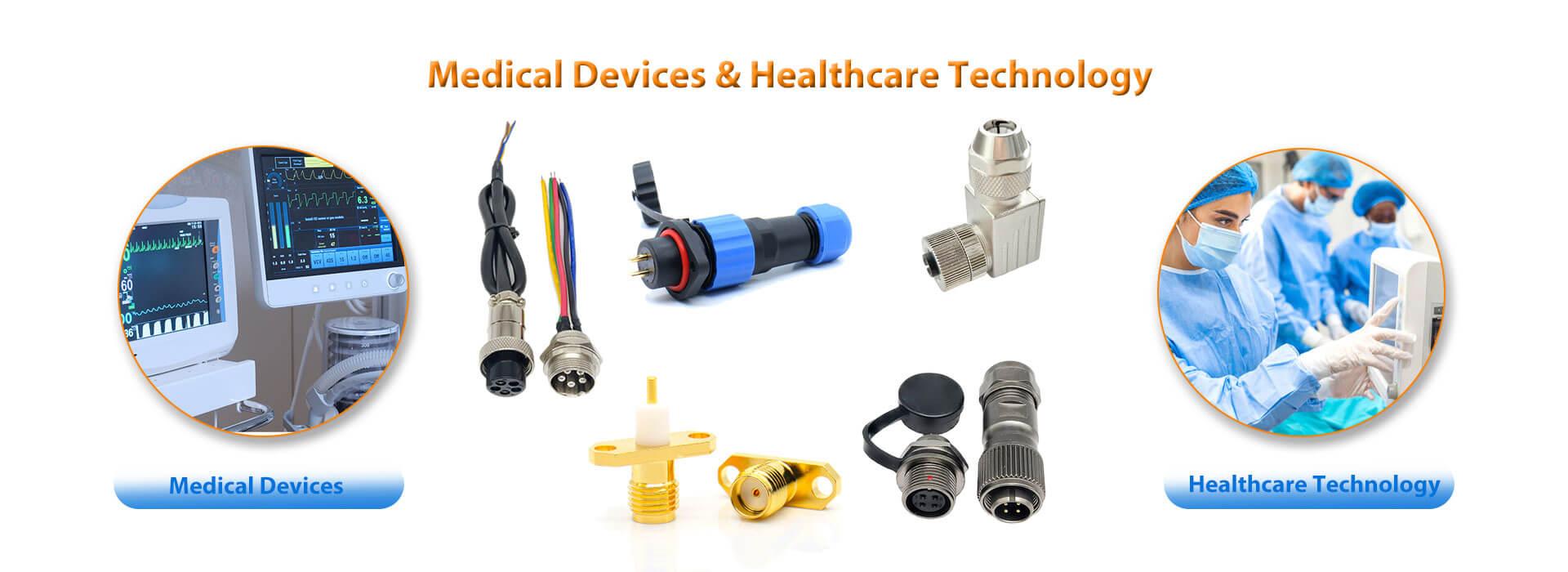
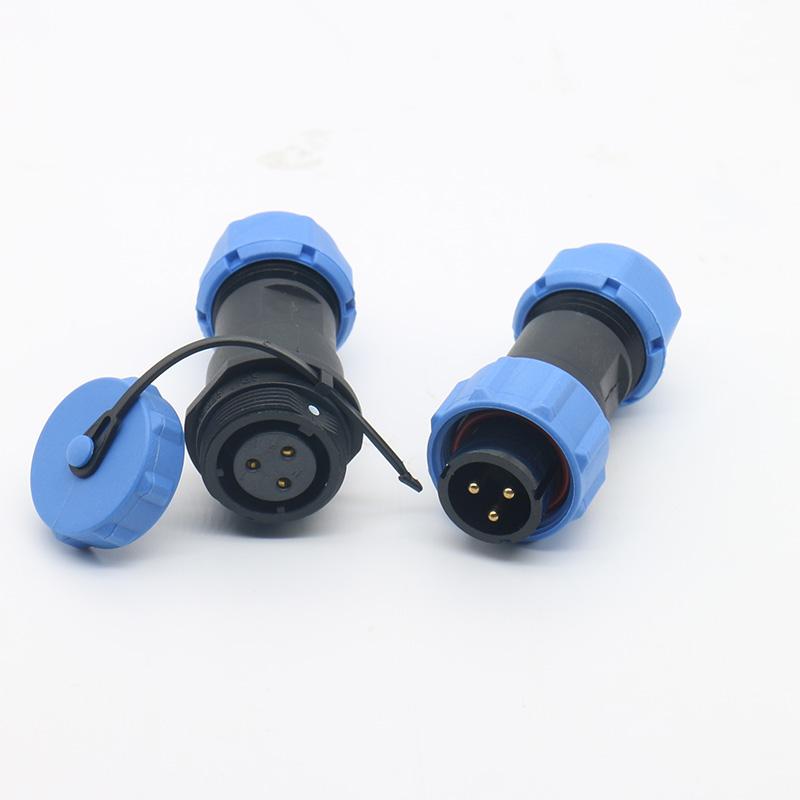
As critical components for electrical connectivity, signal transmission, and data exchange in medical equipment, KMYD medical connectors are engineered to address the unique challenges of clinical and laboratory environments, including sterility compliance, biocompatibility, electromagnetic interference (EMI) resistance, and consistent performance under frequent use. Our product lineup for medical applications covers M series (M8, M12, M16, M23 connectors), SP/SD/LD/FD series (SP13, SD15, LD20, FD25 connectors), and RF connectors (SMA, N-type connectors), all tailored to integrate seamlessly with diagnostic, therapeutic, monitoring, and laboratory instruments while adhering to rigorous global medical industry standards.
1. Application Scenarios
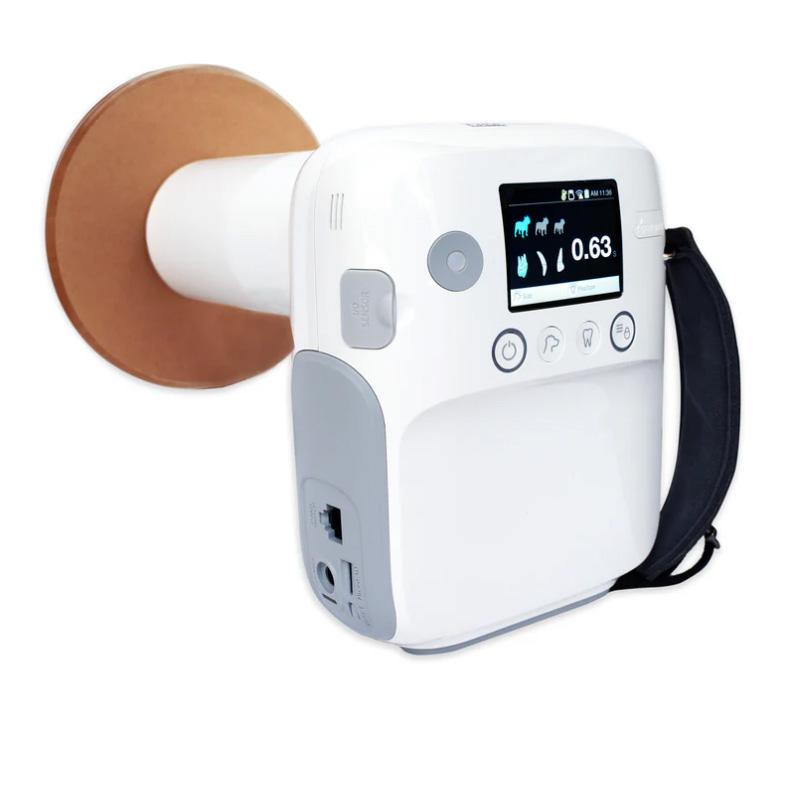
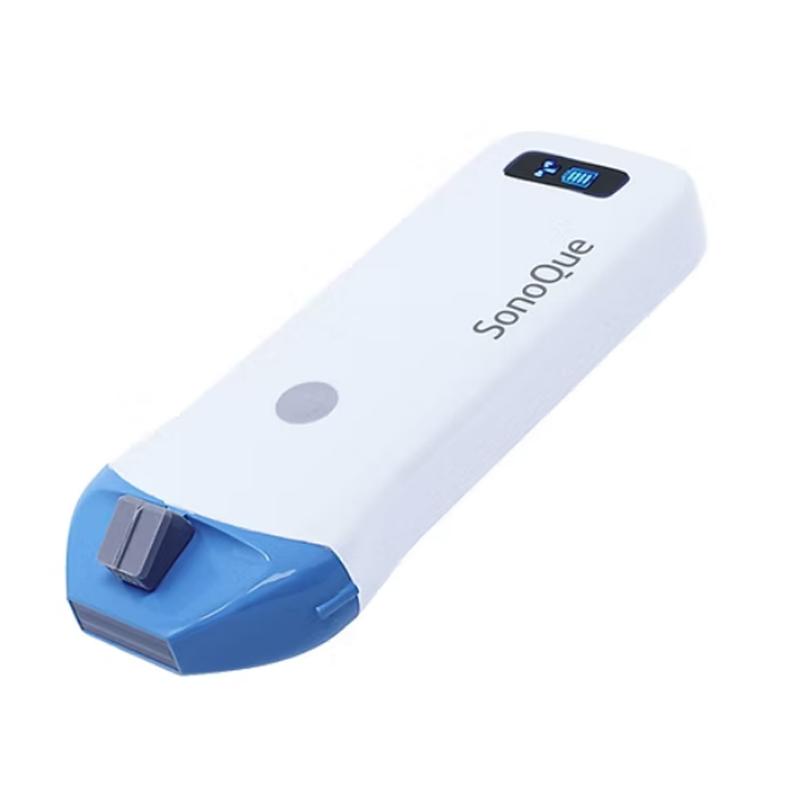
Diagnostic Equipment (CT scanners, MRI machines, ultrasound systems, X-ray devices): M12 and M23 connectors (M series) deliver high-fidelity image signal transmission, while SMA and N-type RF connectors provide enhanced EMI shielding for high-frequency signals - critical for preserving imaging accuracy and avoiding signal distortion that could impact diagnostic results.
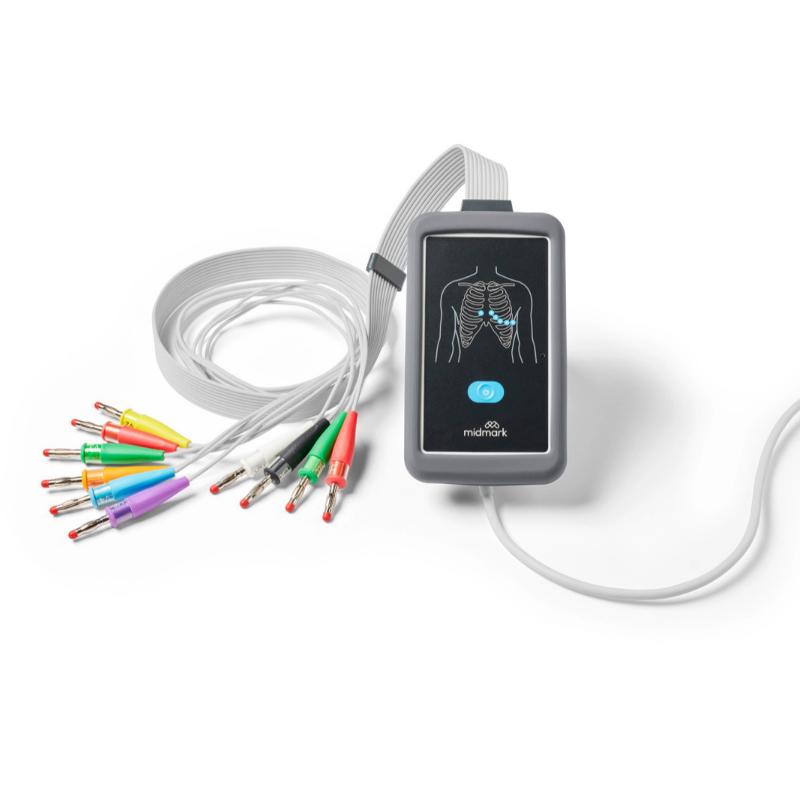
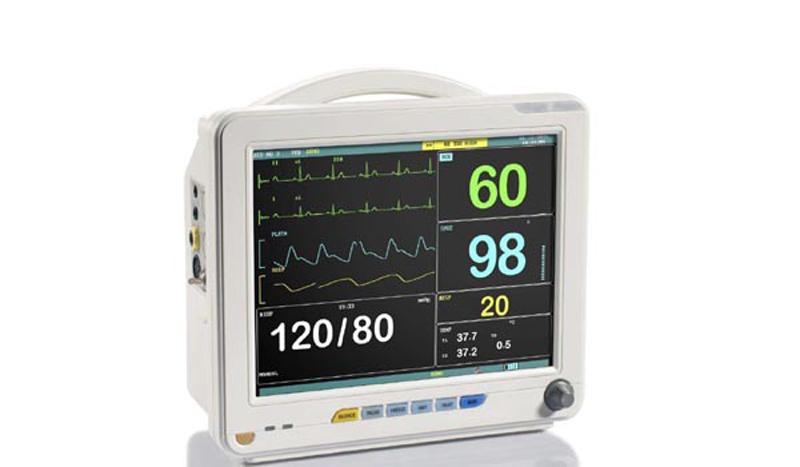
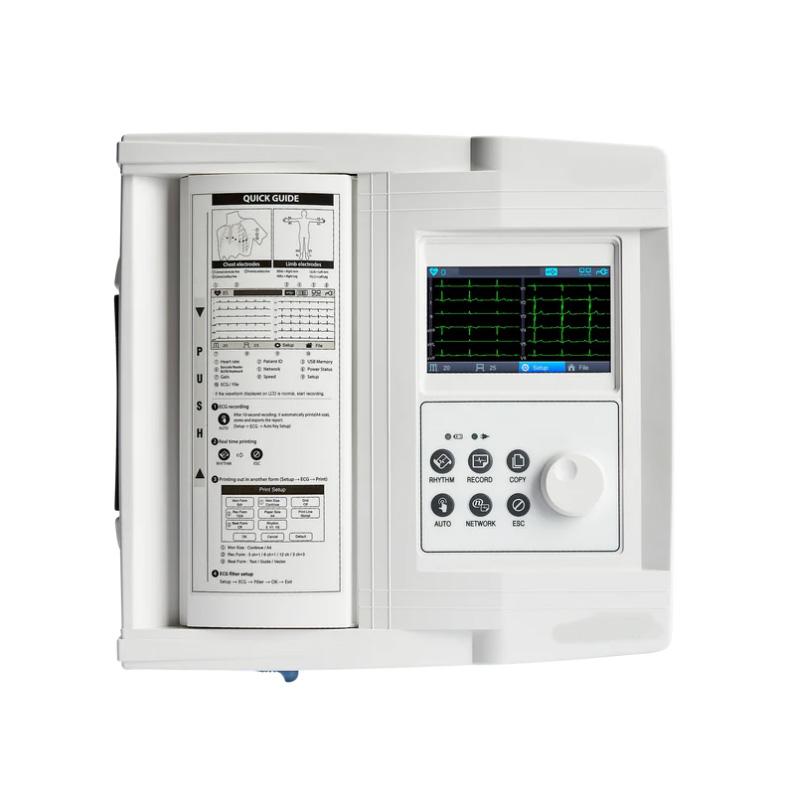
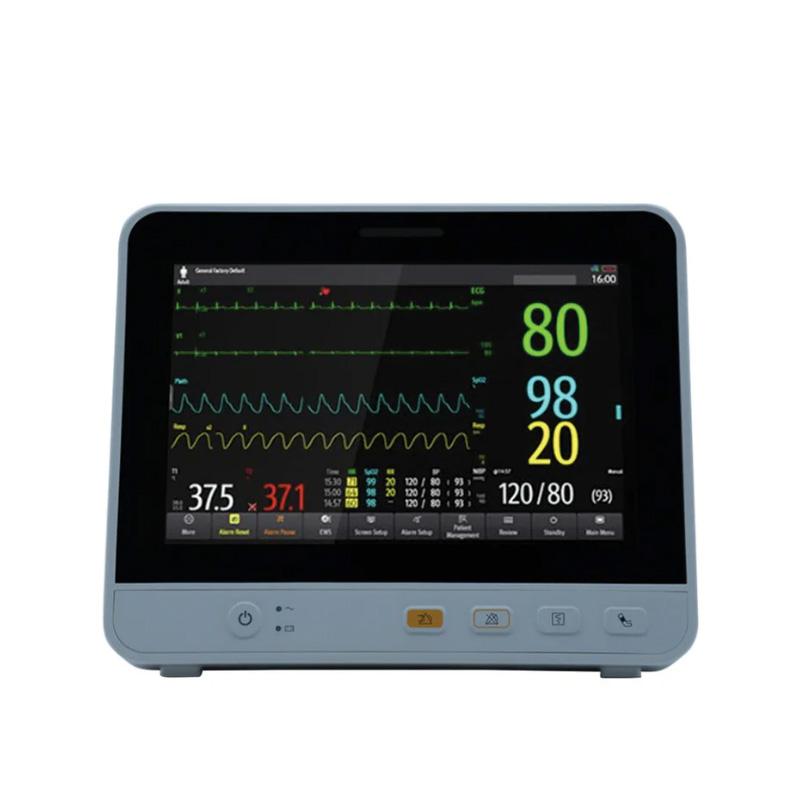
Monitoring Equipment (patient monitors, electrocardiographs, Holter monitors, EEG devices): SP13 and SD15 connectors (SP/SD/LD/FD series) facilitate reliable collection and transmission of weak physiological signals, paired with M8 connectors for sensor wiring to support uninterrupted long-term patient monitoring in clinical settings.
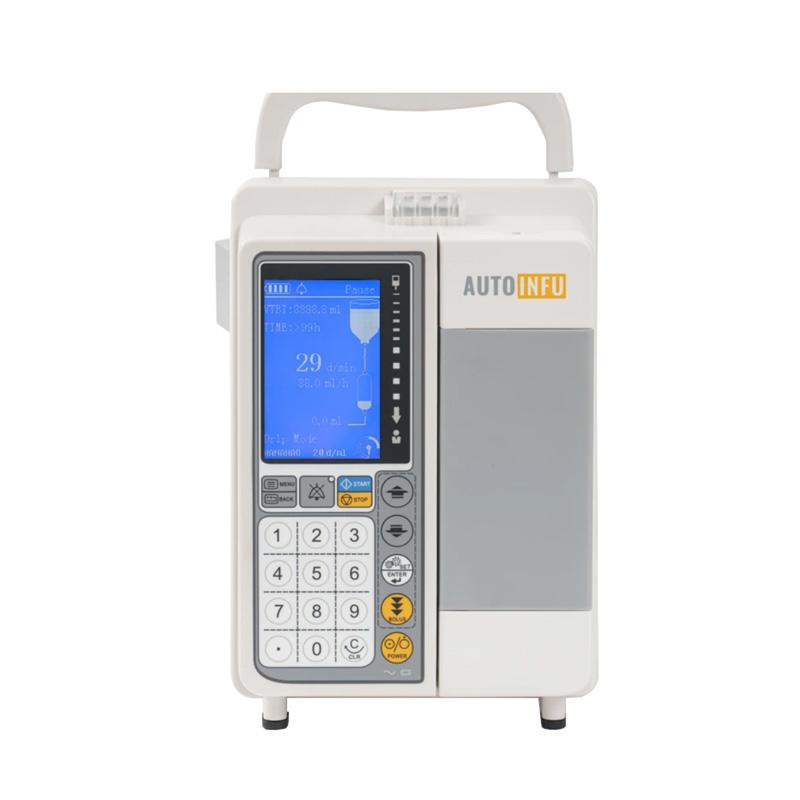
Therapeutic Equipment (ventilators, defibrillators, dental tools, surgical bone drills): M16 connectors handle power supply and control signal delivery, with LD20 connectors dedicated to high-power therapeutic signal transmission. These connectors feature superior insulation and compatibility, designed to withstand sterile clinical conditions and repeated operational use.
Laboratory Instruments (analyzers, sample testing systems): M12 connectors enable precise data interaction and sample detection signal transmission, while SP13 connectors support multi-channel signal integration—ensuring high-accuracy data transfer and meeting the strict traceability demands of laboratory testing workflows.
2. Connector Structure & Forming Recommendations
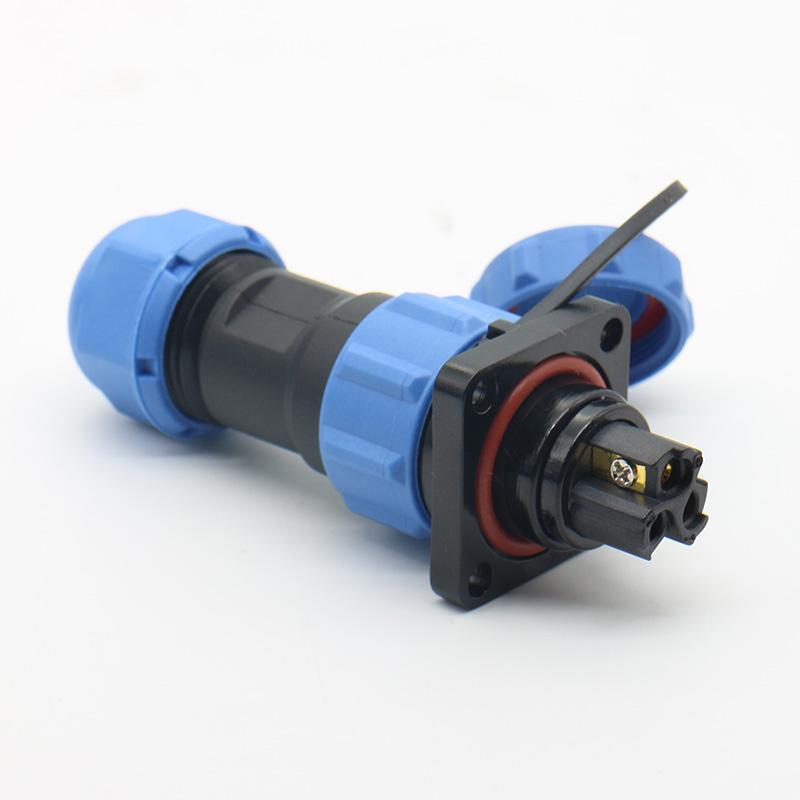
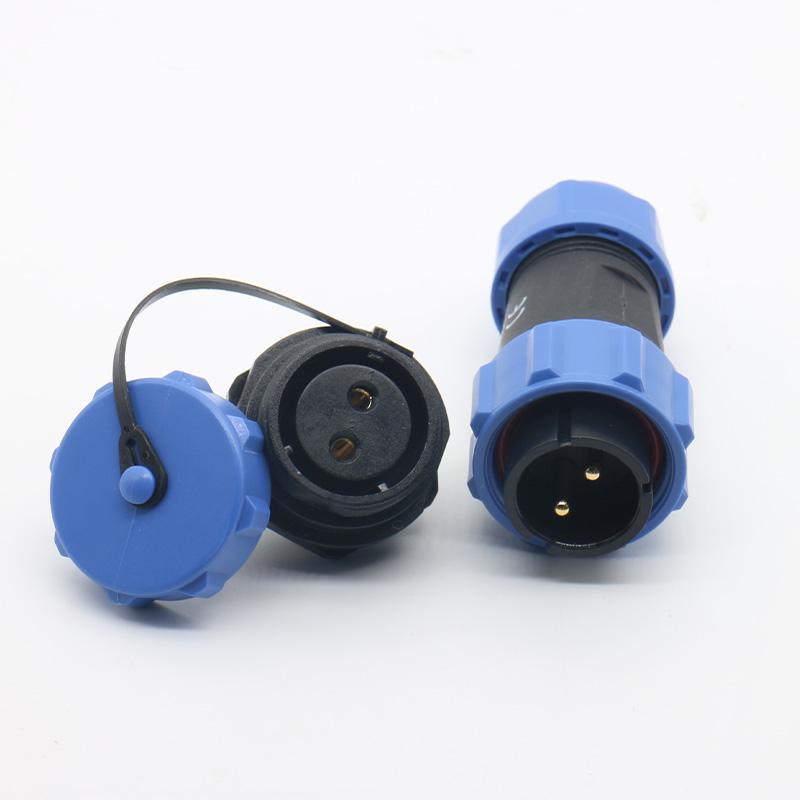
Locking Mechanism: Screw-lock or quick-connect plug-lock designs are preferred to maintain secure connections, preventing loosening from equipment movement or routine clinical handling. These mechanisms feature clear locking feedback and low insertion force, suitable for frequent plugging/unplugging and compatible with repeated sterilization cycles.
Protection Rating: A minimum IP67 rating is recommended for connectors used in humid or sterile environments (e.g., operating rooms, disinfection areas), while IP65 suffices for desktop and portable devices. This ensures robust protection against disinfectants, moisture, and dust, maintaining performance after repeated disinfection.
Anti-Misinsertion Design: Precision positioning and color-coded identification systems are essential to prevent incorrect connections, which could cause equipment malfunctions or clinical risks. This design also streamlines operation for medical personnel, improving workflow efficiency.
Structural Design: Modular single-core or multi-core configurations are adopted, with smooth surfaces to facilitate thorough sterilization and minimize residue buildup of disinfectants or contaminants. For high-frequency diagnostic equipment, reinforced shielding structures are integrated to ensure signal integrity, with single-pole and multi-pole options available to match diverse power and signal transmission demands.
3. Comprehensive Recommendations
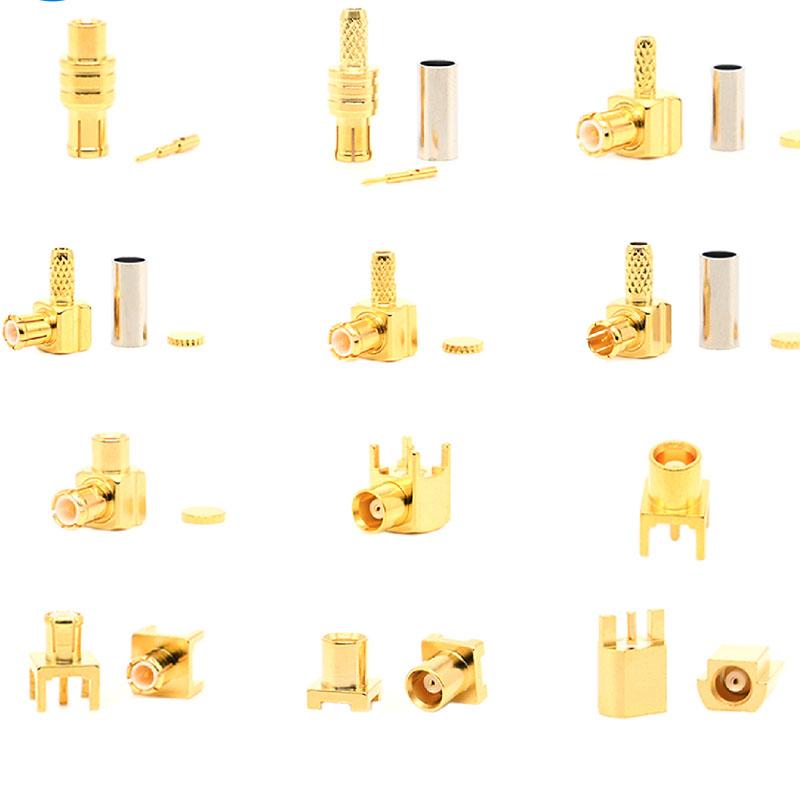
Specifications: KMYD’s full range of medical connectors is available, including M series (M8, M12, M16, M23), SP/SD/LD/FD series (SP13, SD15, LD20, FD25), and RF connectors. These cover signal (1-15A) and power (15-500A) applications, with RF models supporting frequency ranges up to DC-18GHz to accommodate diverse medical device requirements.
Structure: Modular designs incorporate anti-misinsertion features and reliable locking mechanisms, paired with 360° EMI/RFI shielding to prevent interference with sensitive medical equipment. All models offer IP65+ protection, with smooth surfaces optimized for sterilization to ensure stable performance in clinical and laboratory settings.
Materials: Medical-grade flame-retardant PBT or PC thermoplastics are used for shells (non-toxic, odorless, and biocompatible), with high-insulation PTFE insulators and high-conductivity copper alloy terminals. Terminals feature gold plating for low contact resistance, while shells receive anti-corrosion plating—meeting biocompatibility, sterility, and anti-corrosion standards, including ISO 60601, ISO 80369, and ISO 13485.
Core Advantages: Our connectors excel in biocompatibility and sterility, with strong EMI resistance, high signal transmission accuracy, broad temperature adaptability (-40℃~+125℃), and long service life. Compliance with global medical standards makes them suitable for worldwide medical device market deployment.
By leveraging scenario-specific structural design, strict medical-grade material selection, and targeted EMI resistance and sterilization optimization, KMYD medical connectors guarantee stable power supply, signal transmission, and data exchange in harsh clinical and laboratory environments - supporting the safe, efficient operation of medical equipment.
With years of expertise in connector manufacturing, KMYD specializes in developing and producing medical-grade connectors. We offer actionable configuration advice for pin counts, termination methods, locking systems, material selection, and surface treatment, as well as customized solutions tailored to specific medical device application scenarios and performance needs. Our support helps customers meet medical industry certification requirements and mitigate potential clinical risks. 


 Tel: +8619924482730
 Email: info@kmydconnector.com
 MP/WhatsApp: +8619924482730
 Manufacturer Address:Baoan District, Shenzhen City, Guangdong Province,China