SF Series Aviation Connectors Specifications and Performance Data
High-Performance Aviation Plug Connectors Supporting Brazil's Aerospace Sector
Brazil's aerospace industry operates across one of the world's most demanding geographic and climatic environments, from the high-humidity Amazon basin to the high-temperature northeastern regions. Aviation plug connectors used in Brazilian aircraft must deliver reliable electrical signal and power transmission while enduring these conditions. This page outlines the engineering considerations, environmental requirements, and system integration factors that determine connector selection for aviation applications in Brazil.
Precision Engineering for Diverse Aircraft Systems
Brazilian aerospace applications range from regional passenger aircraft to cargo transports, each imposing distinct mechanical and electrical demands on interconnect components. In cockpit and avionics bay installations, connectors with a compact form factor help manage limited space while maintaining reliable electrical continuity. Low-profile designs minimize interference with adjacent components. Mechanical stability is equally critical—connectors must withstand vibration and shock loads during take-off, landing, and in-flight turbulence without degradation of contact performance.
When evaluating connectors for these applications, engineers should verify the following parameters against the specific aircraft system requirements:
- Contact arrangement and pin count matching the interface specification
- Current and voltage ratings appropriate for the power or signal circuit
- Mechanical locking mechanism suitable for the vibration environment
- Mating cycle rating consistent with the maintenance schedule
- Shell size and mounting style compatible with the available panel or bulkhead space

Meeting Environmental Challenges
Brazil's climate profile creates two distinct environmental stress scenarios for aviation connectors. In the Amazon region, relative humidity can reach extreme levels, making corrosion resistance a primary selection criterion. Connectors specified for these areas typically require protective plating or coating systems that resist oxidation and maintain low contact resistance over extended service intervals. In the northeastern regions, high ambient temperatures demand connector materials and contact designs that preserve electrical properties under thermal load. Heat-dissipating construction features may be necessary to keep internal components within their rated operating range.
Connector suitability for these environments should be confirmed through documented test data, including temperature range ratings, humidity exposure results, and corrosion resistance validation. Do not assume environmental performance from a connector's appearance or series name alone—verify the actual specification values.

Integration with Avionics Systems
Aviation plug connectors serve as the physical and electrical interface between flight control computers, navigation systems, communication devices, and other avionics components. High-speed data transmission between these systems requires connectors with controlled impedance characteristics and shielding effectiveness appropriate for the signal type. Electrical continuity and data integrity depend on correct contact mating, proper termination technique, and consistent manufacturing quality.
Selection decisions should be based on the actual interface requirements of the avionics equipment being connected. Verify the connector's rated data transmission capability, contact resistance values, and shielding performance against the system specification before committing to a part number.
Support for Industry Innovation
As avionics technology evolves, connector requirements shift toward lighter weight, higher density, and improved reliability. Lightweight connector designs contribute to overall aircraft weight reduction, which directly affects fuel efficiency and operational range. Material selection and manufacturing process improvements continue to expand the performance envelope of aviation interconnect components.
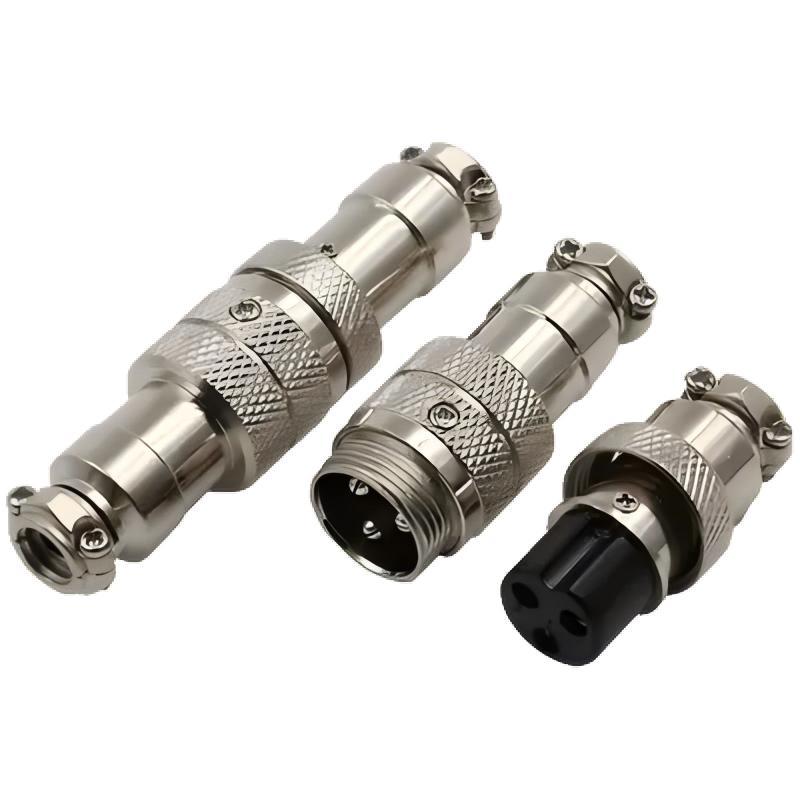
Conclusion
Aviation plug connectors for Brazilian aerospace applications must satisfy a combination of mechanical, electrical, and environmental requirements that vary by installation location and aircraft type. Engineers should evaluate connectors based on verified specification data—contact arrangement, electrical ratings, environmental resistance, and mechanical durability—rather than general descriptions. For assistance with connector selection, configuration, or specification review, contact our engineering team through the inquiry form below.






 Tel: +8619924482730
 Email: info@kmydconnector.com
 MP/WhatsApp: +8619924482730
 Manufacturer Address:Baoan District, Shenzhen City, Guangdong Province,China