


After dust reaches an open SP29 cable connector, decide whether the interface can be returned to service before mating it again. Record where the material has landed, whether its identity is known, and whether contacts, seals or coupling surfaces show damage. A dry-looking connector is not necessarily clean. Obtain the service instructions for the exact parts; if those instructions cannot resolve inaccessible contamination or damage, replacement may be the appropriate decision. Reconnecting it to see whether it works can spread the contamination and remove useful evidence.
Keep the first observation useful
Start with the equipment isolated under its established maintenance procedure. Record the connector's location, exposure event and condition before handling the interface. Workshop grinding dust, windblown soil and powder from a production process create different questions. If the material is unknown, say so; its pale appearance does not identify its conductivity, abrasiveness or chemical content.
Photographs should show the whole disconnected pair, then the affected areas at a useful scale. Include the cap or cover if it was present during exposure. Note whether the contamination arrived while the interface was open, was found after separation, or could have fallen from a nearby surface during inspection. These distinctions stop a service investigation turning into an unsupported claim that material passed through a closed connector.
Harwin's guidance on connector assembly identifies workplace dust, debris and contamination from handling as potential causes of impaired performance. That is a general reason to control the inspection environment. It is not an SP29 cleaning instruction, and a method intended for another connector's contacts cannot be assumed suitable here.
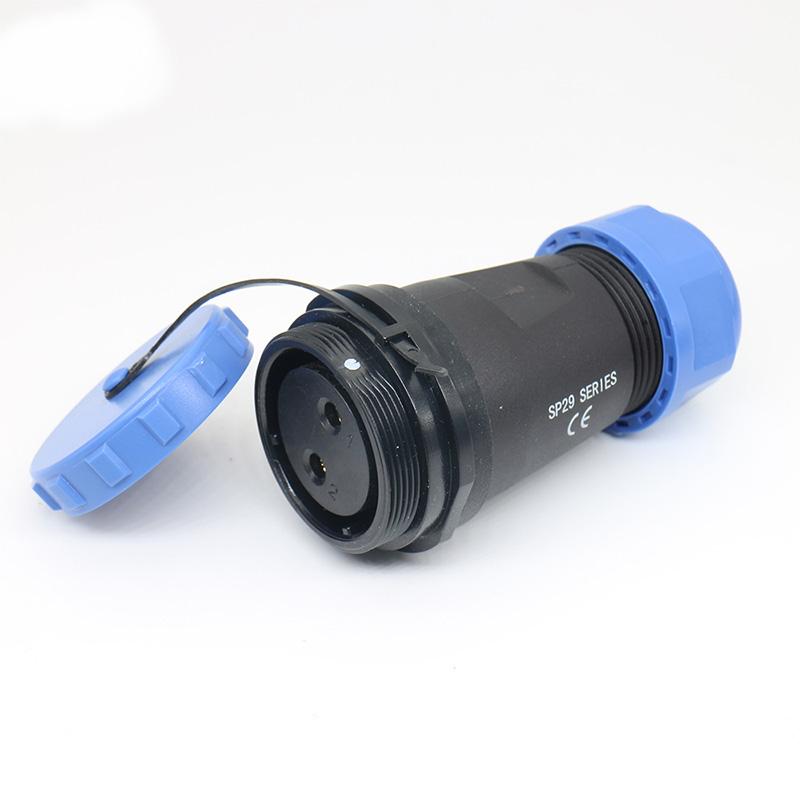
Inspect beyond the visible contact openings
Material can remain on a surface that looks unimportant while the pair is separated, then move when it is brought together. Review the mating pair as a system. A clean replacement half can be contaminated by its original partner if only one side is assessed.
- Contacts and insert: look for visible deposits, lodged particles, corrosion or damage without probing the openings with improvised tools. Record areas that cannot be inspected.
- Seal contact region: check for attached particles, displaced material and visible cuts or indentation. The correct region and acceptable condition must come from the part documentation.
- Coupling features: inspect accessible threads and locating features. Resistance during engagement should not be treated as a way to grind contamination away.
- Nearby surfaces: include the cap, cable, gloves and work surface. Cleaning one face achieves little if the next handling step puts debris back onto it.
Record each finding separately, with the inspection method and its access limits. “Dusty connector” is too broad to distinguish a surface deposit from particles lodged inside a recessed contact. Equally, a photograph of a clean exterior cannot clear an inaccessible internal area. Magnification may help a competent inspector see the surface, but it does not turn a hidden region into a verified clean one.
Choose a disposition before choosing a cleaner
Ask the connector supplier for a documented response to the actual contaminant and configuration. The useful answer identifies the permitted method, compatible materials, access limits, required drying or residue checks, inspection criteria and conditions that require replacement. It should also distinguish a serviceable component from a sealed cable assembly that is not intended to be dismantled.
Do not select a solvent, abrasive, lubricant or compressed-air treatment from habit. Such a treatment needs approval for the contact finish, insert, housing and seal involved, as well as control of where displaced material goes. A cleaner advertised for electrical equipment does not establish compatibility with every polymer or elastomer in an assembled connector.
If the contaminant cannot be identified, reached or removed using an approved procedure, keep that uncertainty in the service record. An inconclusive inspection is a reason for engineering disposition, not a passed cleanliness check.
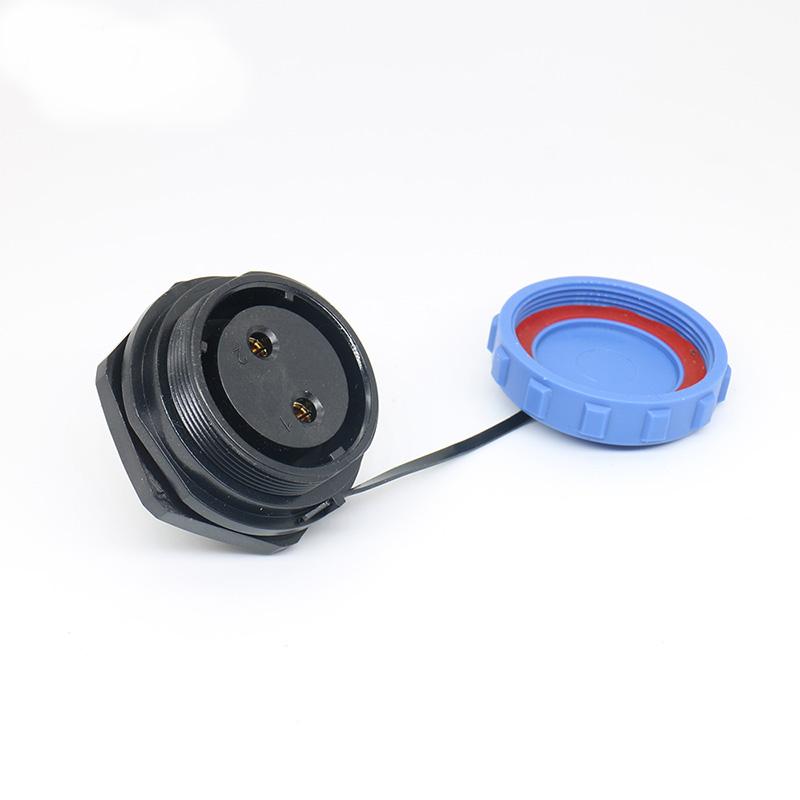
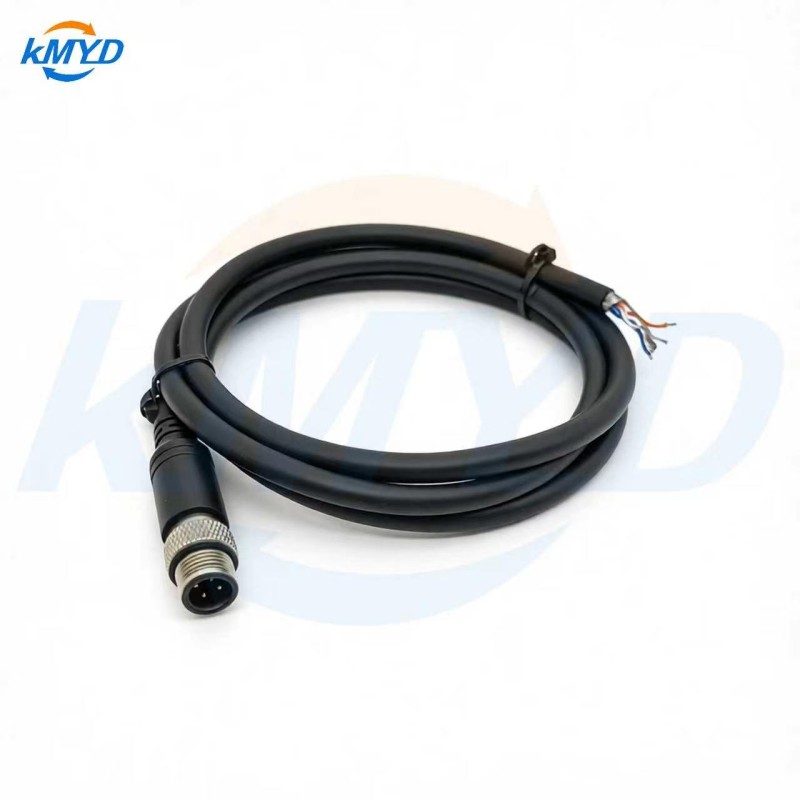
The KMYD SP29 inline connector listing can identify the product being discussed. Include its exact ordered configuration when requesting service guidance; the listing alone does not authorize a cleaning process.
Close the service record with a decision
After approved work, record what was removed, what was replaced and what was still inaccessible. Complete the equipment's required electrical and environmental checks before release. A continuity indication addresses a circuit path; it does not establish a clean sealing surface or remaining environmental protection.
For a panel counterpart, identify the exact SP29 panel connector as well. Keep the final disposition simple: accepted against stated criteria, replaced, or held for further assessment. Attach the before-and-after observations and the approved procedure revision so the next maintenance team can see why that decision was made.
Technical reference: Harwin guidance on connector assembly contamination.



 Tel: +8619924482730
 Email: info@kmydconnector.com
 MP/WhatsApp: +8619924482730
 Manufacturer Address:Baoan District, Shenzhen City, Guangdong Province,China