

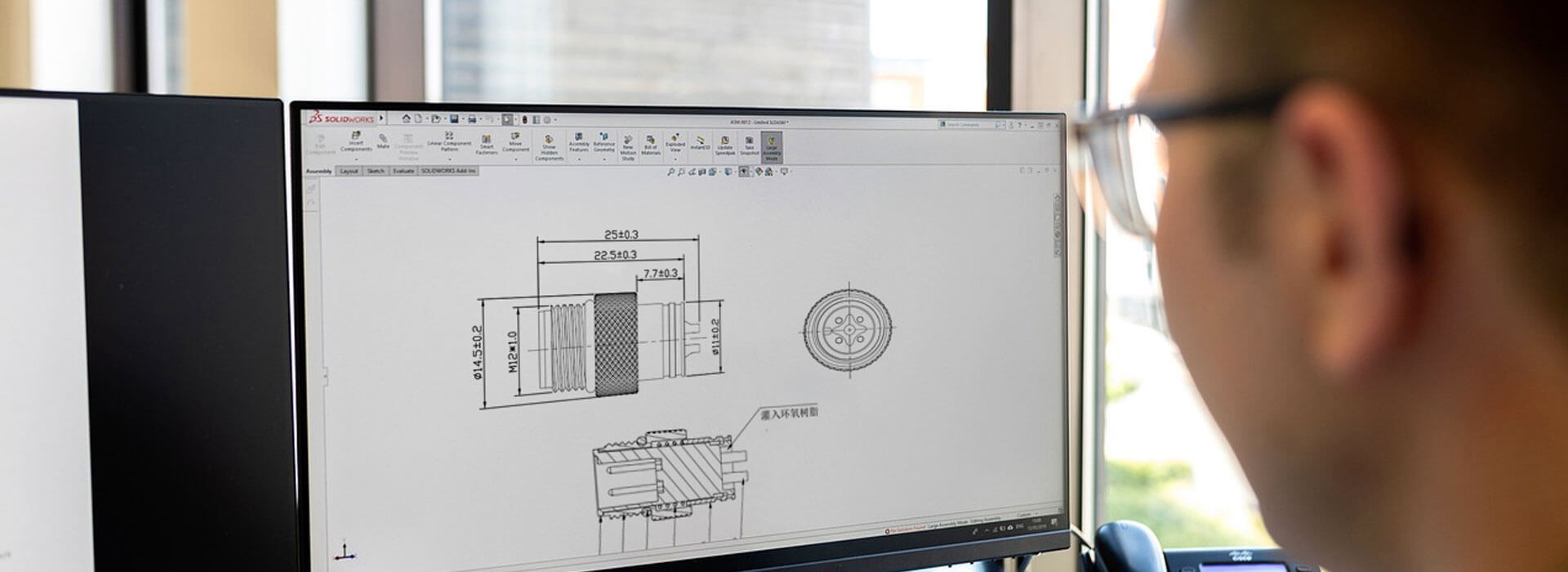
Approve a substitute in a custom M16 cable by comparing the proposed part with the controlled requirement, identifying the functions it can affect and agreeing the evidence needed before use. “Same size” or “equivalent material” is not an approval basis by itself. The decision should name the replacement part, any changed assembly definition, the checks required and the orders or future builds it covers. Keep an unresolved substitute outside the released bill of materials.
The unavailable part is only the starting point
Suppose a supplier proposes a different cable because the original construction cannot be obtained for the next order. Its outside diameter fits, and the jacket has the same broad material description. The proposal still leaves questions about conductor construction, the termination interface, flexibility and the relevant exposure conditions. Those differences may affect separate requirements, even when the finished cable looks unchanged.
Ask for the original and proposed manufacturer's exact part references and their current documentation. If the proposal is a connector change, include the mating interface and termination details. If it is cable, include the construction relevant to the assembly. If it is an overmolding material, identify the applicable material grade and the interfaces it must work with. A commercial description alone is too broad to review.
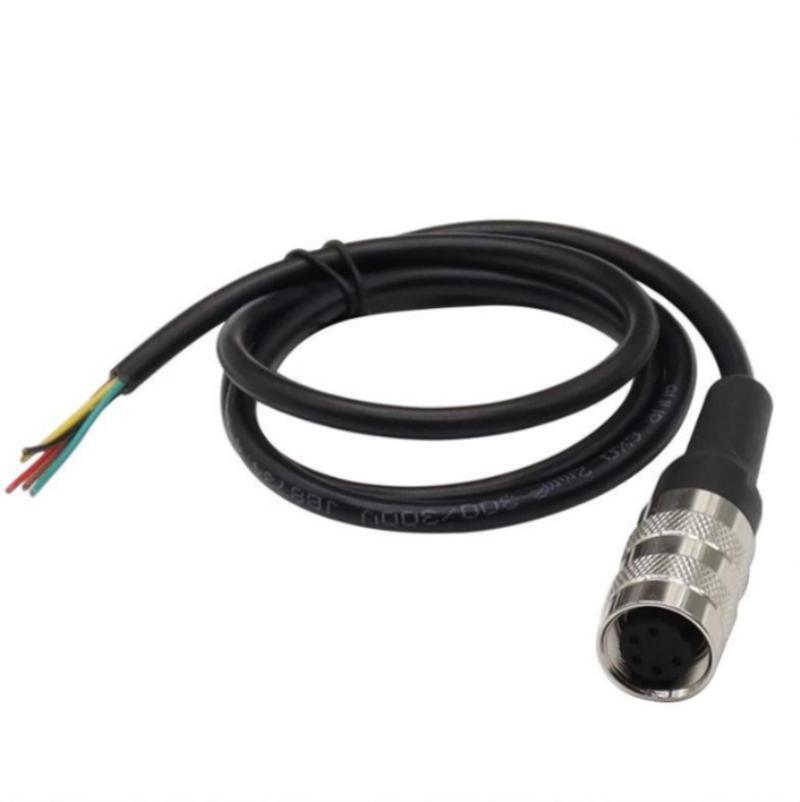
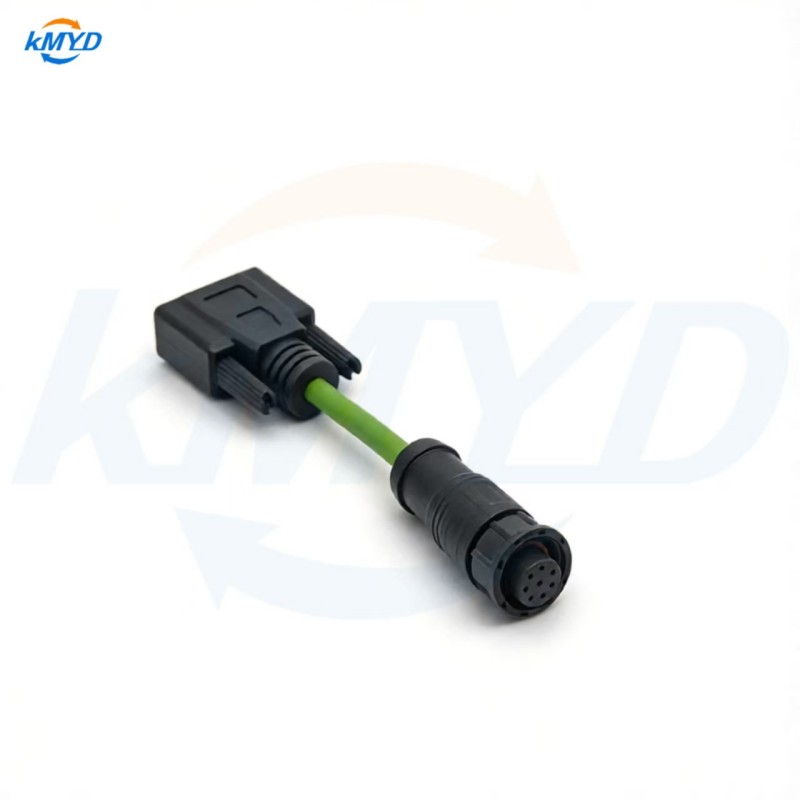
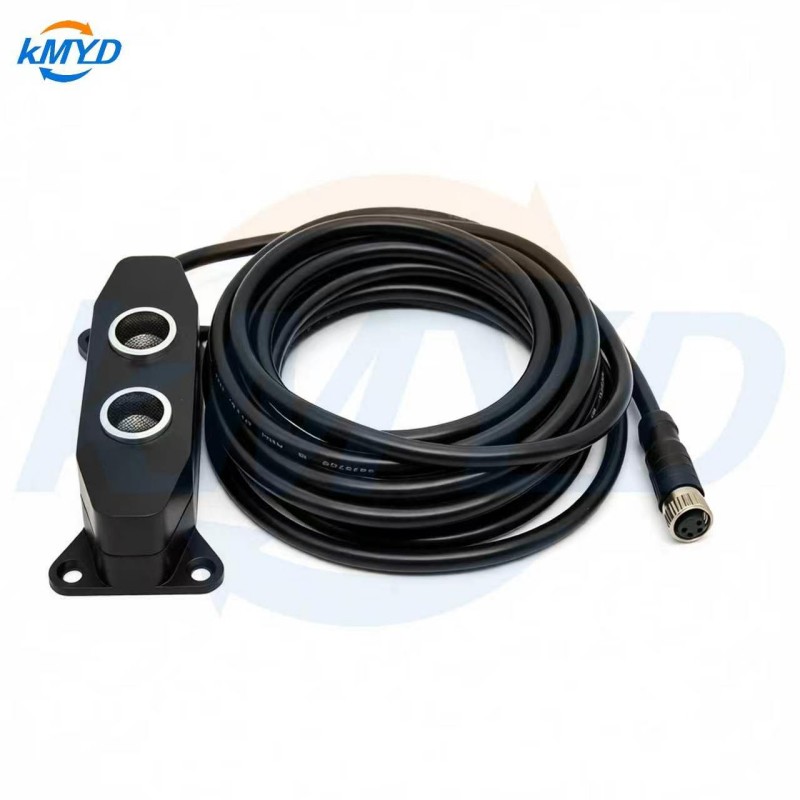
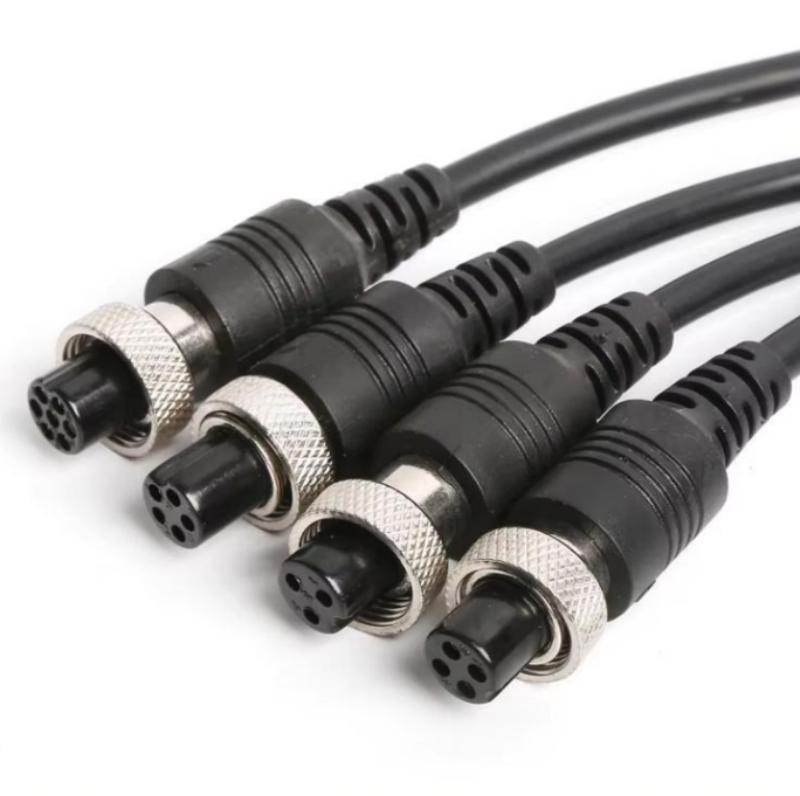
KMYD lists both an M16 pre-wired cable assembly and an M16-to-DB9 custom cable. These provide real starting configurations for an enquiry. They do not establish that a substitute connector, cable or compound is interchangeable with the parts approved for a particular order.
Review the change through the interfaces it touches
| Changed item | Potentially affected requirement | Useful evidence |
|---|---|---|
| Connector or contact | Mating, contact termination, retention and installation envelope | Exact drawings, mating-part identification and the applicable assembly instructions |
| Cable construction | Conductor termination, routing, electrical characteristics and exposure suitability | Construction comparison and evidence addressing the changed characteristics |
| Jacket or molding material | Material interfaces and environmental requirements | Identified grade, relevant compatibility basis and agreed assembly-level evaluation |
| Manufacturing method | Joint formation, inspection access and reproducibility | Changed process definition and justification for any revised verification |
The table is a review aid, not a mandatory test programme. Some changes may be resolved by controlled drawings and unchanged requirements. Others may need a representative build or further evaluation. The responsible engineer should explain why the selected evidence is sufficient for the changed features, rather than requesting every available test or accepting an unrelated report.
Check combinations as well as individual parts. A replacement conductor can be acceptable in isolation yet unsuitable for the original contact's termination range. A different jacket can fit the route but change its interaction with a seal or molded transition. The important object is the assembled combination under the specified conditions.
Choose the scope of the approval
There are several possible decisions: reject the proposal, accept it for a defined batch, release it as an approved alternate, or establish a separately controlled assembly variant. These choices have different effects on repeat orders. State which one applies before the supplier consumes stock or starts production.
A temporary concession needs a boundary. Name the affected order or quantity and say what happens when it is complete. A permanent alternate needs its permitted conditions recorded in the controlled assembly definition. Otherwise the same part can appear in a future build without the reviewer knowing that the earlier decision was temporary.
Also decide how existing work is treated. Unchanged finished stock, partly built assemblies and new material do not necessarily require the same disposition. If the old and new constructions cannot be mixed within an order, make that restriction explicit and ensure receiving can distinguish them. This is a consequence of the substitution decision, not merely a label-format exercise.
Close the proposal with a buildable decision
NASA's configuration-management guidance describes evaluating changes to an established baseline before approval and implementation. That is a useful general discipline here; it does not imply an aerospace qualification for the cable. Translate the decision into the actual bill of materials, drawing or permitted-alternate list used to build the order.
Return a marked comparison to the supplier showing the proposed part, affected requirements, accepted evidence and approval scope. Request confirmation that the production instructions now reflect that decision. If one characteristic remains unsupported, leave that item pending instead of allowing a broad “approved” email to conceal it. The next repeat order should make the permitted construction clear without reopening the original shortage conversation.



 Tel: +8619924482730
 Email: info@kmydconnector.com
 MP/WhatsApp: +8619924482730
 Manufacturer Address:Baoan District, Shenzhen City, Guangdong Province,China