


Before closing an M12 field-wireable housing, inspect the prepared conductors, each termination and the space the housing will occupy. Look for escaped strands, damaged insulation, exposed conductor outside its intended zone and wires that will be trapped during closure. The acceptance details must come from the exact connector and termination instruction; neither ferrules nor tinned ends are a universal solution.
Identify the termination before preparing the wire
“Field wireable” describes where assembly can occur, not one termination design. Depending on the selected product, conductors may be joined by soldering, screw clamping or another approved method. Instructions for one design should not be applied to another merely because the finished connector has an M12 interface.
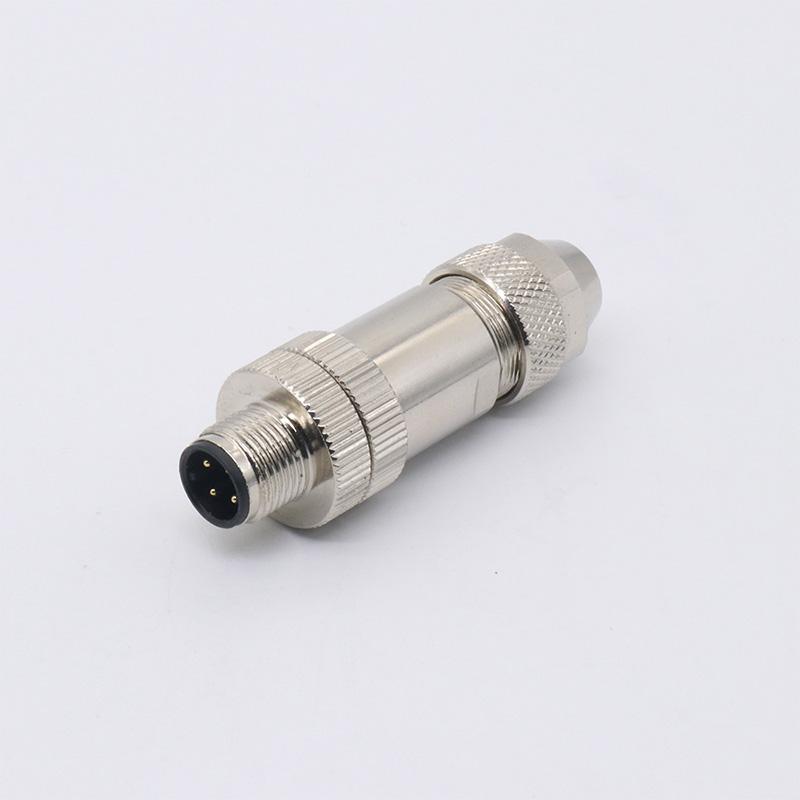
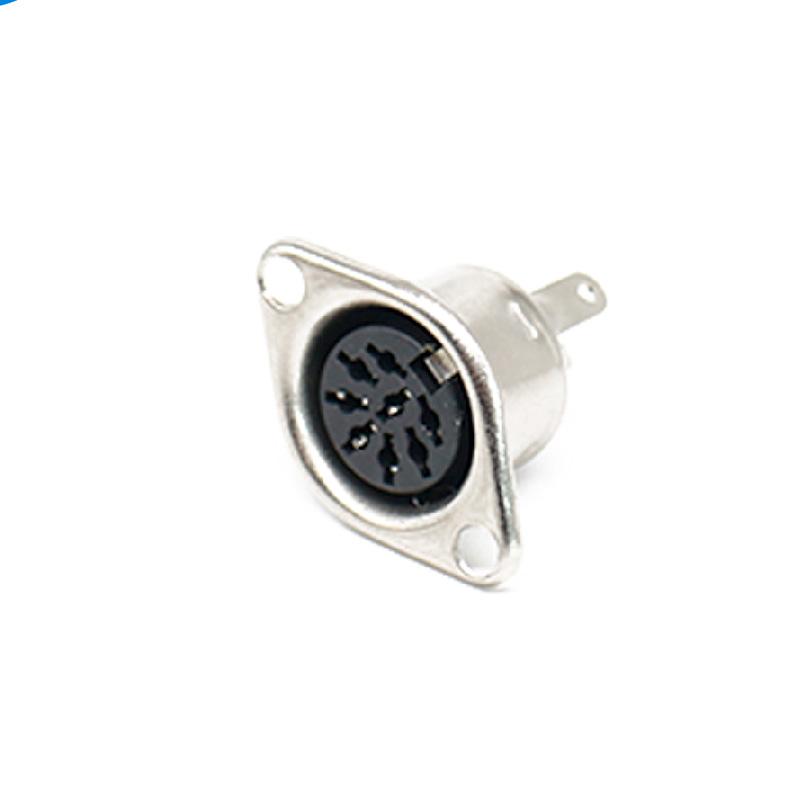
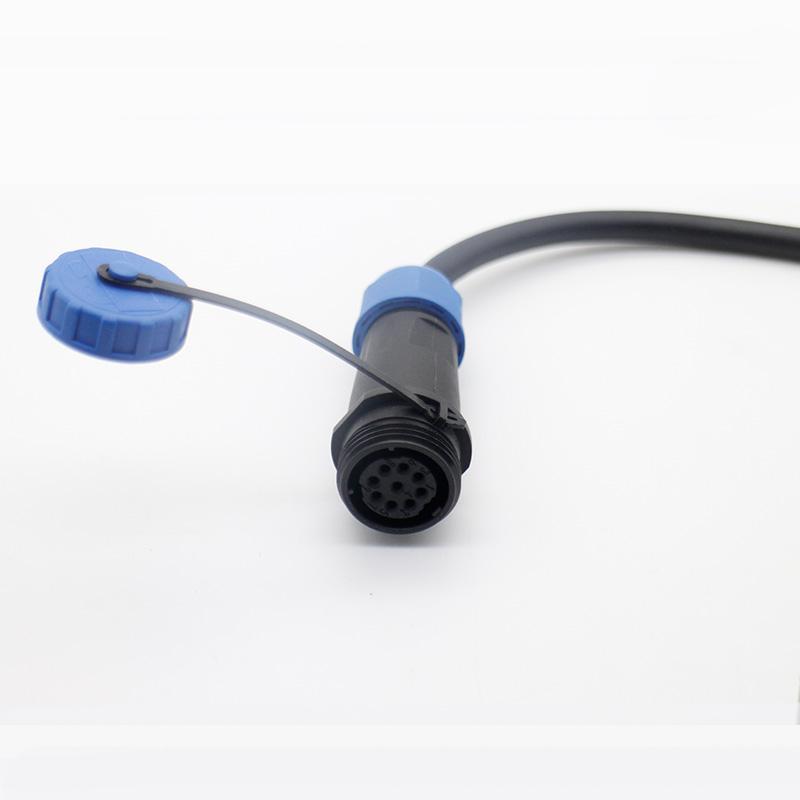
The KMYD M12 cable connector option is a starting point for identifying the offered variant. Confirm its actual insert and termination arrangement before preparing the cable. A general product photograph does not establish the wire preparation required for every contact count or assembly option.
For comparison, Phoenix Contact publishes different conductor ranges for ferruled and unferruled conductors on a particular screw-terminated M12 product, together with an individual-wire stripping length. Those values belong to that part. The useful lesson is that preparation and terminal design are linked; its strip length, wire range and tightening values are not KMYD instructions.
Use the open housing as an inspection opportunity
Once a rear housing is closed, the easiest view of the terminations disappears. Arrange the inspection at the stage where every prepared end can still be seen without disturbing a completed joint. Adequate lighting and suitable magnification help the inspector distinguish a loose strand from a reflection or a neighboring contact.
| Look at | Question to resolve | Required reference |
|---|---|---|
| Prepared conductor | Are strands cut, nicked, loose or outside the intended termination? | Approved wire construction and preparation method. |
| Insulation edge | Is exposed conductor confined to the intended zone, without insulation entering a prohibited contact area? | Exact termination instruction and acceptable preparation length. |
| Completed joint | Does its visible condition meet the selected solder or clamp process? | Applicable workmanship and process acceptance criteria. |
| Closure space | Can the housing close without trapping conductors or displacing an insulating part? | Assembly sequence and the intended internal arrangement. |
Do not make a defective preparation look acceptable by trimming an escaped strand from a completed joint without an authorized rework method. A strand that is visible can be evidence that the conductor was not fully captured. The correct disposition may require rebuilding the termination, not merely removing what is easy to see.
Check where the wires go when the cover moves
Passing an open-view inspection is only one stage. Follow the prescribed assembly sequence and consider the space occupied by the rear shell, insulating sleeve and any other specified components. A wire that sits clear while the housing is apart can be pushed toward a neighboring contact or caught at a closing edge.
Keep enough internal routing freedom to assemble the connector as instructed, without treating a larger loose loop as automatically better. The intended geometry depends on the insert and housing. If closing requires force beyond the documented operation, stop and investigate the arrangement instead of using the housing as a press to move the wires into place.
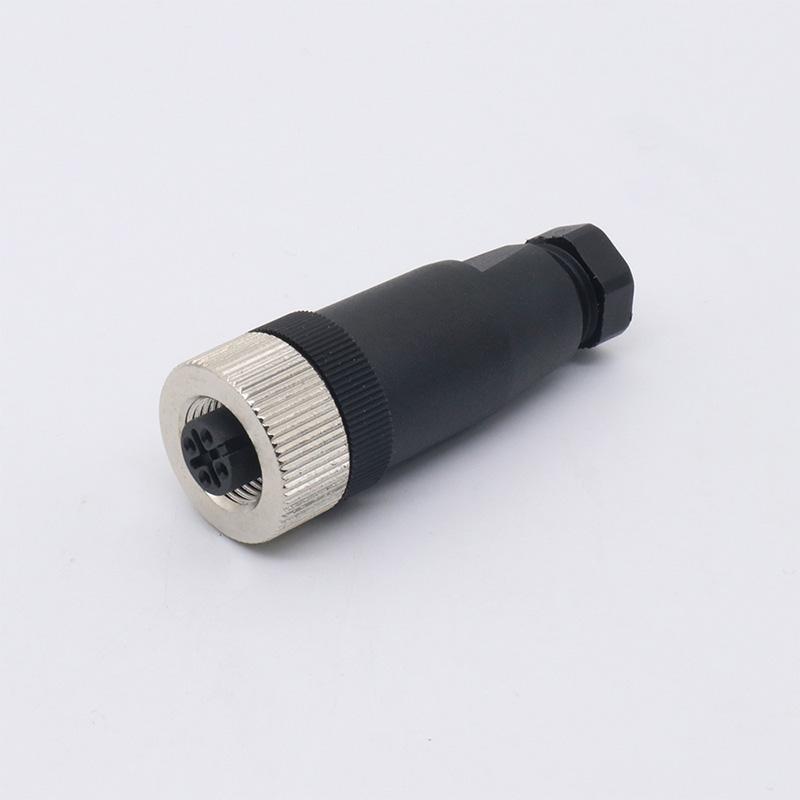
Keep the wire-termination inspection distinct from the rear cable-entry operation. The outer jacket, seals and retaining components must be assembled by their own instruction. A correctly closed rear entry cannot establish that all internal strands are captured, just as a tidy termination cannot establish environmental sealing.
Do not ask an electrical result to replace the missing view
A strand can sit close to an unwanted conductive surface without touching it during a stationary electrical check. That is why a visually questionable assembly should not be cleared simply because it passed a connection test. Conversely, a tidy photograph cannot establish the electrical quality of every hidden joint. Use the inspections and electrical checks specified by the approved assembly process together.
For a first build, request a clearly identified pre-closure record showing the actual variant and conductor preparation, plus the controlling assembly instruction. The record should reveal all terminations, not only the easiest side to photograph. Keep any process-specific test or rework decision with the person responsible for assembly quality.
Before releasing a field-assembled M12 variant, resolve one practical question: can the chosen wire construction be terminated and enclosed exactly as instructed, with no escaped strands or trapped conductors? If the answer depends on an undocumented preparation change, return it for review.





 Tel: +8619924482730
 Email: info@kmydconnector.com
 MP/WhatsApp: +8619924482730
 Manufacturer Address:Baoan District, Shenzhen City, Guangdong Province,China