RF Connector Types, Materials, and Electrical Specs
Project Background
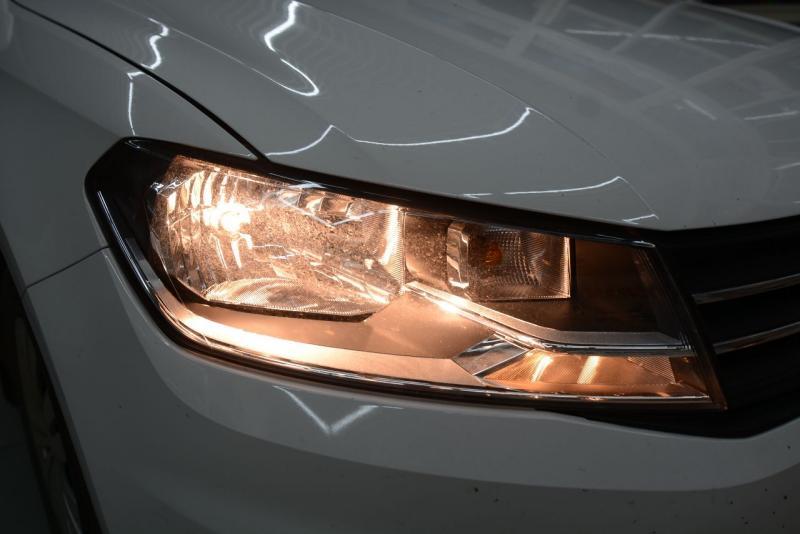
Automotive lighting systems—headlights, tail lights, and auxiliary lamps—are critical to vehicle safety and visibility in both passenger cars and commercial fleets. In Italy, OEMs and aftermarket suppliers face the challenge of maintaining dependable electrical connections in lighting circuits that are continuously exposed to weather, road spray, and mechanical vibration.
These systems must sustain consistent performance across temperature swings, humidity, and dynamic road loads without signal interruption or power loss.

Application Requirements
Sealed wire-to-wire connectors are specified for lighting harness applications where environmental protection and mechanical retention are mandatory. Typical installation points include:
- Interconnection between lighting assemblies and the main vehicle wiring harness
- Power and signal interfaces for LED modules and lighting control units
- Auxiliary lighting circuits on commercial and utility vehicles
These connectors are mounted in exposed or partially protected zones under the body, bumper, or lamp housing, where they must resist water ingress and maintain contact integrity.
Construction and Sealing Design
The connector housing integrates molded gaskets and positive locking latches to prevent moisture and particulate intrusion. The inline (wire-to-wire) form factor supports flexible harness routing and simplifies assembly in confined vehicle spaces.
Multi-pin variants carry both power and control signals in a single housing, reducing harness weight and connection points while preserving signal integrity.
Environmental and Mechanical Performance
Lighting circuits are among the most exposed electrical systems on a vehicle. Sealed connectors rated to IP67 provide a defined level of protection against temporary immersion and dust ingress, helping preserve insulation resistance and contact stability in wet conditions.
Secondary locking mechanisms resist unplugging caused by vibration, thermal cycling, or incidental cable pull during service.
Harness Assembly and Serviceability
These connectors are typically pre-terminated into harness assemblies, reducing installation time on the vehicle line. For aftermarket service, the connector can be disconnected and replaced with standard hand tools, minimizing downtime during lamp or harness replacement.
Correct seating of the gasket and full latch engagement at installation are essential to achieving the rated sealing performance over the service life.
Summary
For automotive lighting applications in Italy, sealed wire-to-wire connectors offer a proven, field-validated approach to maintaining reliable electrical continuity in demanding exterior environments. Their combination of environmental sealing, mechanical retention, and serviceability makes them a practical choice for both production and replacement harnesses.





 Tel: +8619924482730
 Email: info@kmydconnector.com
 MP/WhatsApp: +8619924482730
 Manufacturer Address:Baoan District, Shenzhen City, Guangdong Province,China