

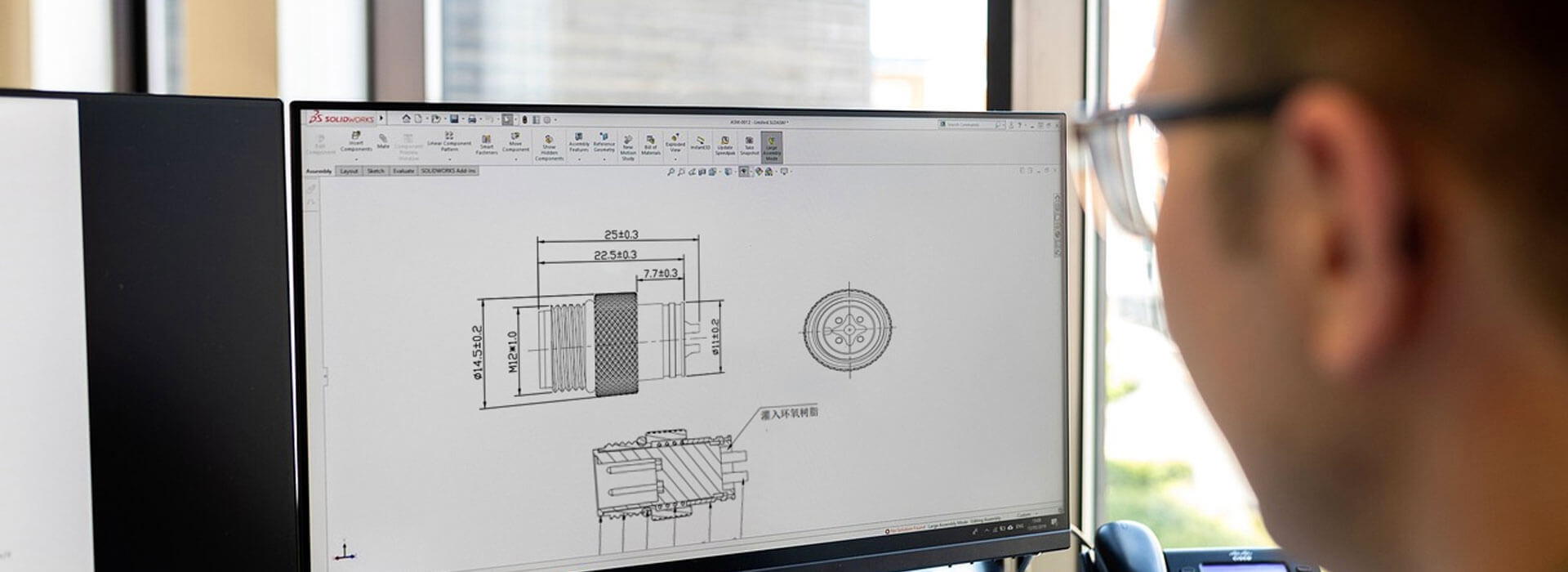
Unplugging a waterproof connector changes the assembly whose protection must be assessed. A rating documented for a fully connected pair does not automatically describe either exposed half. Before equipment is disconnected outdoors, identify what protects the panel port and the loose cable end during that interval. A specified sealing cap may be part of the answer, but a cover that merely fits is not evidence of an ingress rating. Plan the disconnected condition before maintenance starts.
Give the disconnected state its own drawing note
An equipment drawing commonly shows every cable connected. That view can leave a maintenance gap: the cabinet remains outdoors after one sensor is removed, or a spare port waits months for an optional module. Neither condition is represented by a drawing of the normal working connection.
Describe three states separately: normal service with the specified pair connected; a temporary service interruption with both ends separated; and an unused port that stays on the machine. For each, identify the exposed side, expected environment and allowed duration. A dry workshop replacement and an overnight outdoor shutdown are different requirements, even when the same connector is involved.
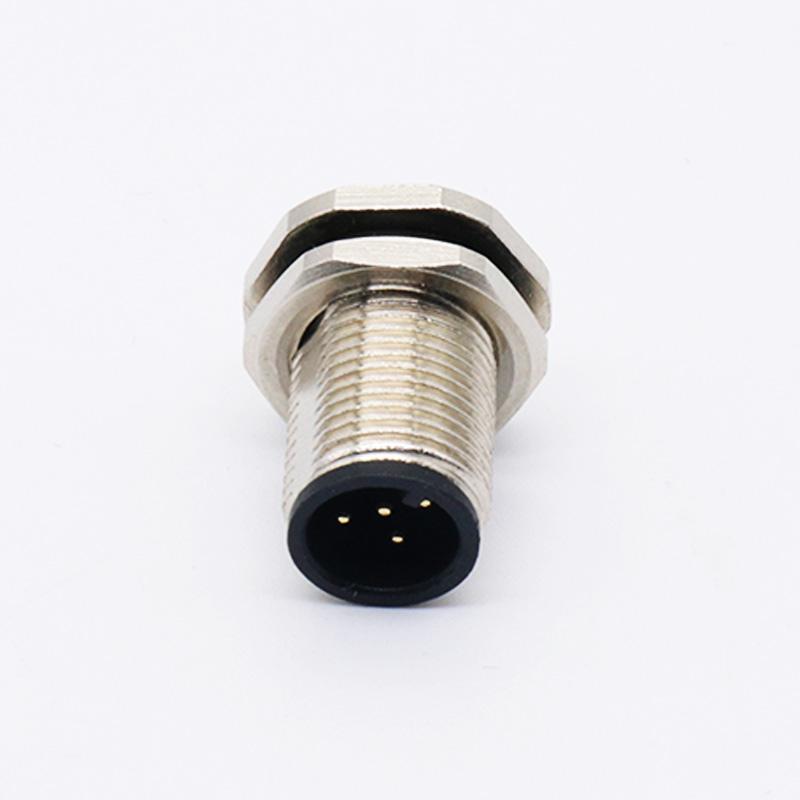
Ask the supplier which state each environmental claim covers. KMYD's M12 front-lock panel connector listing identifies a relevant panel-mounted form, but approval of an exposed port requires documentation beyond its product image. Request an exact assembly reference and the conditions for the required disconnected state.
Follow both ends through a service visit
Removing a cable creates two places to manage. The equipment port may face rain while the cable end lies on a wet machine frame. Protecting only the fixed receptacle leaves the free end outside the protection plan. Mark both on the maintenance drawing, especially when one cable has different connector types at opposite ends.
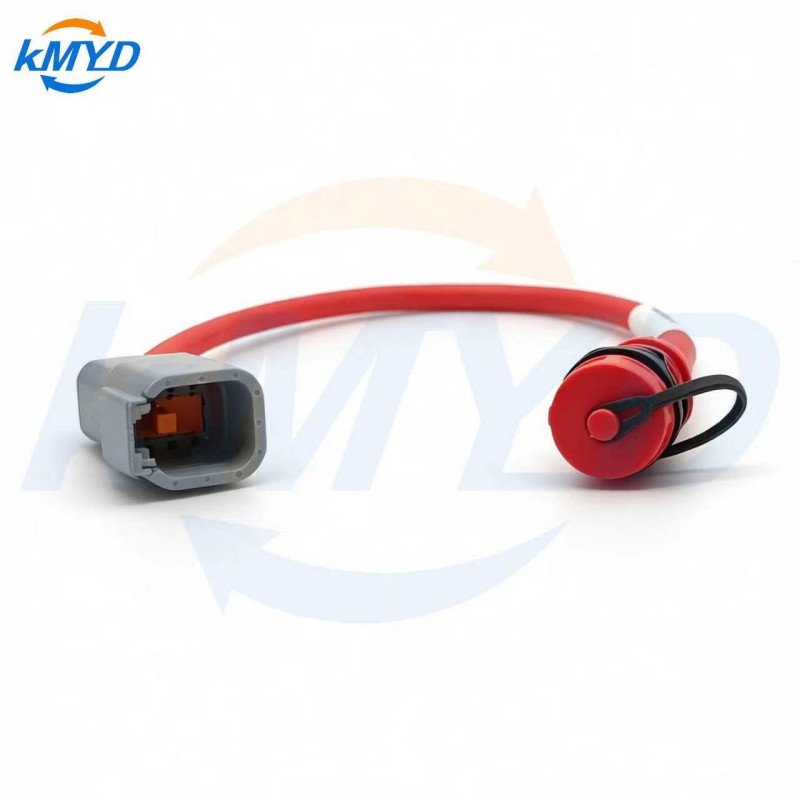
Have the specified protection parts available before separation. Once disconnected under the equipment's isolation procedure, keep the interfaces away from the surrounding contamination and fit the approved protection as instructed. A tether can help retain a cap, but it does not by itself demonstrate sealing. Its length and position should also let the cap stay clear of the operating connector.
Do not confuse “covered” with “rated while covered”. A transport protector, a dust cover and an identified sealing cap may serve different purposes. The service record should name the required part and the condition it has been approved to protect.
For comparison, Bulgin explicitly identifies the compatible connector references for its PX0711 sealing cap and specifies protection in the unmated condition. That statement belongs to the listed Bulgin combinations. It neither establishes cross-brand fit nor supplies a rating for a KMYD port.
An unused port needs a durable configuration
A spare receptacle can remain exposed far longer than a connection being serviced. Decide whether it will be fitted with a confirmed sealing cap, closed by another approved enclosure arrangement, or excluded from the exposed area. Record the selected configuration in the equipment parts list rather than leaving it as an instruction to find a suitable cover later.
The rear of the port also needs a defined boundary. Protection at its front does not establish that water from inside the enclosure cannot reach the rear termination. Similarly, an individually sealed receptacle does not settle the sealing of the joint between its body and the panel. Ask which surfaces and interfaces are included in the supplier's claim.
A change from an unused port to an active connection should trigger a configuration check. Remove only the intended protective component; retain it in the documented storage position if the port may be disconnected again. Verify that the newly installed cable half is the approved mating part, rather than treating matching thread appearance as sufficient identification.
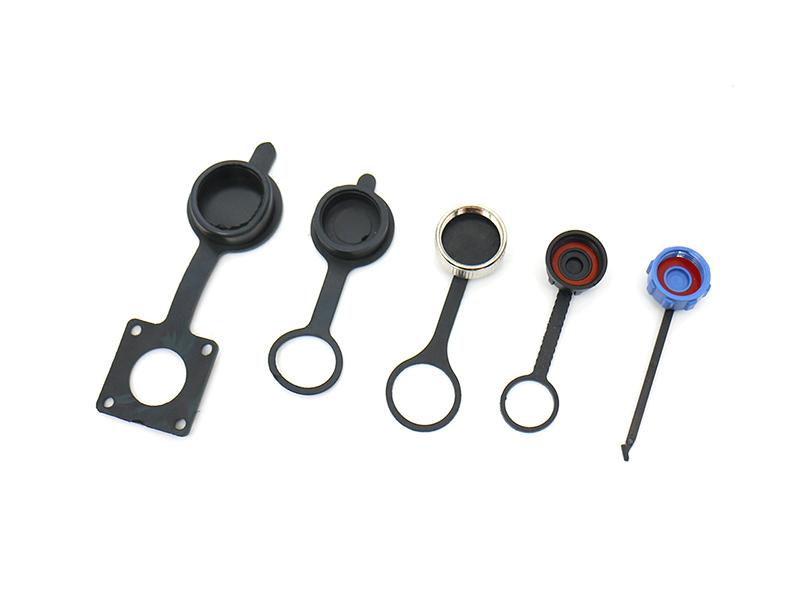
The KMYD protective-cap overview can support a cap inquiry. Include the exact connector identification and the required disconnected exposure state so the response can name the applicable part. Do not order from the photograph alone.
Set a clear hold point before reconnection
A cap fitted after water or debris has reached the contacts does not establish that the interface is ready for use. If protection was missing, incorrectly fitted or damaged, record that event and keep the affected connection out of service until it has been assessed under the manufacturer's instructions. Avoid using reconnection itself as a way to test whether contamination matters.
For a planned return to service, check the protected interface and its sealing surfaces using the prescribed inspection procedure. Account for the cap and any separate sealing part before mating. If a seal is damaged or its identity is uncertain, resolve that condition before closing the connection; do not add an improvised sealant to compensate.
The handover should identify who confirms the port's final state. A practical service entry records the port label, protection part, any exposure during the work and the completed inspection. This makes “left safe overnight” a checkable condition and gives the next technician enough information to reconnect the correct parts.

 Tel: +8619924482730
 Email: info@kmydconnector.com
 MP/WhatsApp: +8619924482730
 Manufacturer Address:Baoan District, Shenzhen City, Guangdong Province,China