Din Circular Connector Types and Specifications Guide
Why Connector Protective Caps Matter for Equipment Reliability
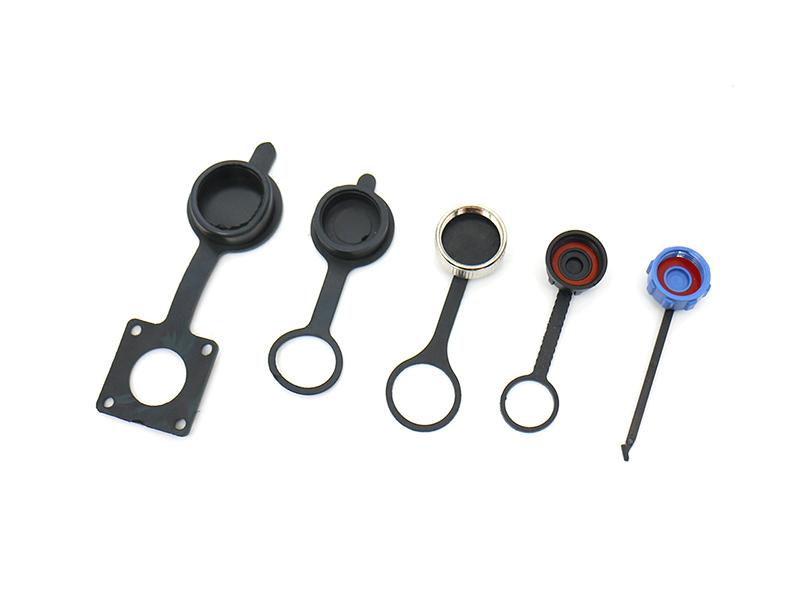
Unmated connectors are one of the most common entry points for dust, moisture, and physical damage in industrial equipment. When a connector interface is left exposed, contaminants can settle on the contacts and lead to intermittent signal loss, increased contact resistance, or premature corrosion. Connector protective caps provide a simple, low-cost safeguard that preserves the integrity of both circular and rectangular connector interfaces during storage, transport, or maintenance downtime.
For engineers and maintenance teams, choosing the right cap is about more than just finding a cover that fits. The cap must match the connector's shell size, keying, and mounting style to ensure a secure seal. A cap that is too loose can fall off, while one that is too tight may be difficult to remove or could stress the connector housing. Understanding these fit requirements helps you avoid unnecessary replacement costs and keeps your spare connectors ready for immediate use.
Key Considerations When Selecting Protective Caps
Before ordering caps for your connector inventory, evaluate the following factors to ensure the cap meets your application's demands:
-
Interface Compatibility: Confirm the cap is designed for your specific connector series, whether it is a circular bayonet, threaded, or rectangular shell. Do not assume a cap fits based on visual similarity alone.
-
Environmental Protection: Check whether the cap provides a dust-tight seal or a higher degree of ingress protection. Caps used outdoors or in washdown areas may need a more robust sealing design than those used in clean indoor cabinets.
-
Attachment Method: Consider whether you need a tethered cap that stays attached to the cable or panel, or a loose cap for bench storage. Tethered designs reduce the risk of losing the cap during field service.
-
Material Durability: Verify the cap material is suitable for your operating temperature range and exposure to oils, solvents, or UV light. A cap that degrades in your environment will not protect the connector for long.
How Caps Protect Different Connector Types
While the basic function of a protective cap is the same across product lines, the specific protection needs vary by connector construction. For circular connectors with machined contacts, the cap prevents physical impact that could bend or nick the contact tips. For rectangular industrial connectors, the cap often shields the insulator face and prevents warping or contamination of the sealing surfaces.
When a connector is mated, the shell and seal provide the rated protection. When unmated, that protection is lost. A protective cap restores a baseline level of defense, keeping the interface clean so that when you are ready to make the connection, the mating cycle is smooth and the electrical performance is predictable.
Practical Guidance for Your Connector Protection Plan
To get the most value from protective caps, integrate them into your standard operating procedure. Keep caps installed on all spare connectors and on any panel-mounted receptacles that are not currently in use. During equipment maintenance, place caps on disconnected cable ends immediately to prevent debris from entering the cable assembly.
If you are managing a large inventory of connectors across multiple series, it is helpful to label caps or store them with their matching connectors. This reduces the risk of mismatching caps to shells during fast-paced installation work. For applications where connectors are frequently connected and disconnected, inspect the caps regularly for cracks or wear, and replace them when they no longer provide a snug fit.
Next Steps for Sourcing the Right Caps
When you are ready to order protective caps, have the following information ready to ensure accurate matching: the connector series and shell size, the number of contacts, the mounting style (cable plug, panel receptacle, or flange mount), and any specific environmental requirements such as operating temperature or chemical exposure. Providing these details helps your supplier confirm the correct cap part number and avoid costly returns.
For a broader view of connector options that pair well with protective caps, review our guide on circular connector types and specifications. If your application involves harsh environments where sealing is critical, you may also want to explore customized waterproof connector solutions with cable assemblies to see how complete assemblies are protected from the start.



 Tel: +8619924482730
 Email: info@kmydconnector.com
 MP/WhatsApp: +8619924482730
 Manufacturer Address:Baoan District, Shenzhen City, Guangdong Province,China