GOST OHS Circular Connector with Multiple Core Count Options
Project Background
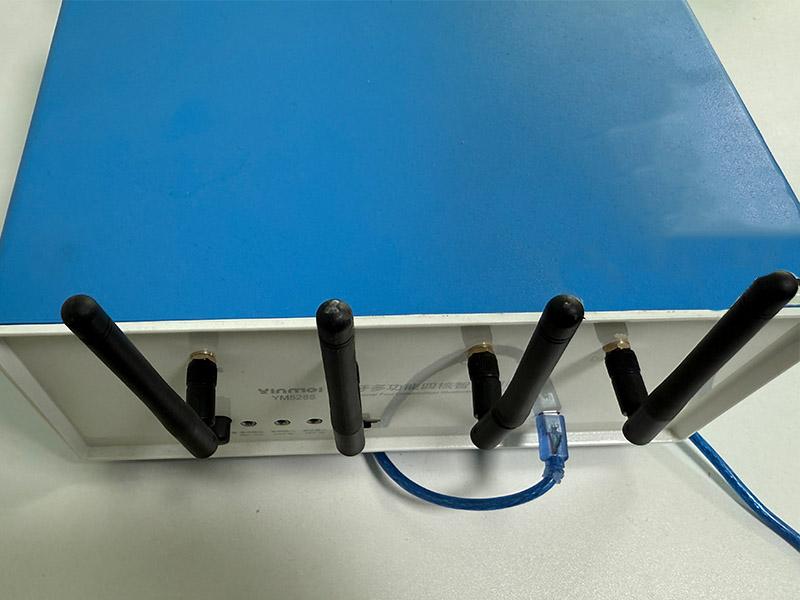
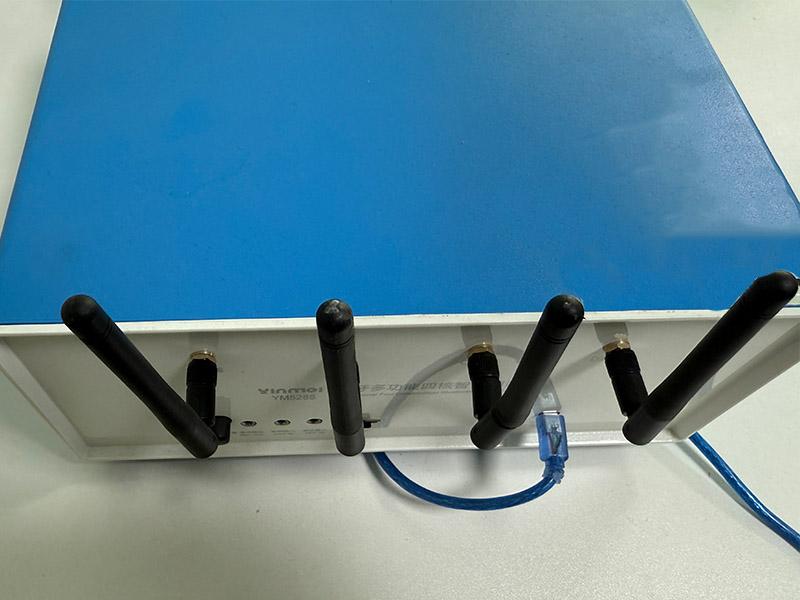
With the rapid iteration of Bluetooth technology (5.3/5.4) and the growth of the IoT industry, Bluetooth multi-functional quad-core smart testers have become essential tools in high-precision testing scenarios such as consumer electronics and IoT device manufacturing. These testers rely on stable, high-precision RF signal transmission to ensure accurate measurement of Bluetooth signal strength, transmission rate, and compatibility.
A U.S.-based specialist in electronic test equipment cable assemblies, with over 15 years of experience providing customized connectivity solutions for test equipment manufacturers, encountered persistent issues with traditional RF connectors in a project developing Bluetooth multi-functional quad-core smart testers. These issues included high signal loss, weak anti-interference capability, poor miniaturization adaptability, and narrow compatibility, leading to distorted test data, reduced testing efficiency, and failure to meet strict precision requirements.
Application Challenges
The Bluetooth smart testers were deployed in U.S. consumer electronics labs and IoT device manufacturing facilities, where demanding testing environments exposed critical limitations of conventional connectors:
-
High Signal Loss: Conventional connectors suffered signal loss exceeding 0.5 dB in the 2.4–5 GHz Bluetooth band, causing distorted test data and inaccurate performance evaluation.
-
Weak Anti-Interference: Coexistence of multiple RF devices in labs generated complex electromagnetic interference, expanding test errors to ±1.5%.
-
Poor Miniaturization: The tester’s high integration required compact connectors, while traditional options were overly bulky, restricting portable design.
-
Narrow Compatibility: Diverse Bluetooth device interfaces (Micro USB, Type-C) necessitated frequent cable replacements, reducing testing efficiency by 40%.
-
Regulatory Compliance: Components needed to meet FCC, UL, and RoHS standards for U.S. and global market access.
Solution: Customized SMA Connector
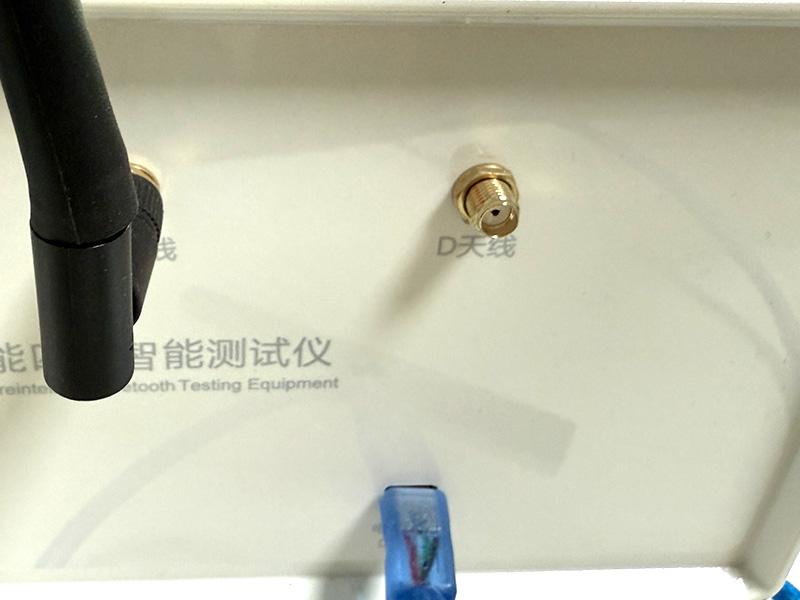
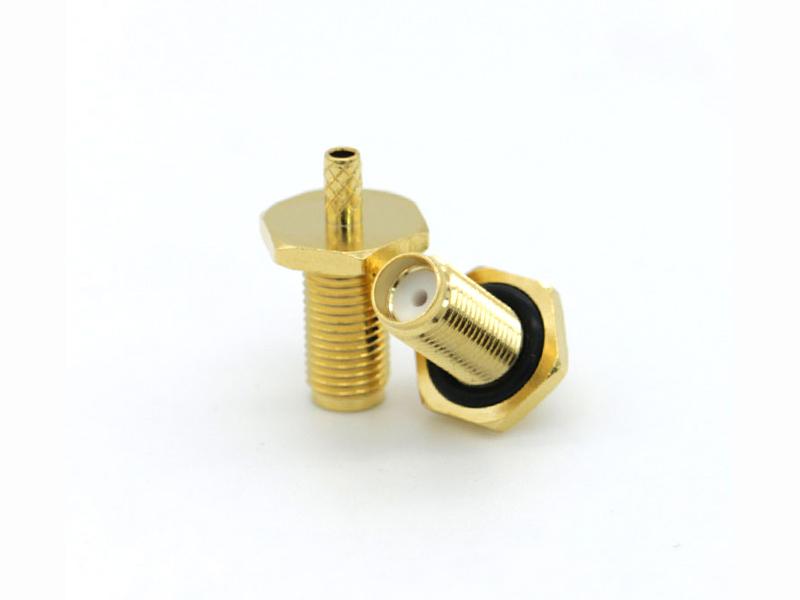
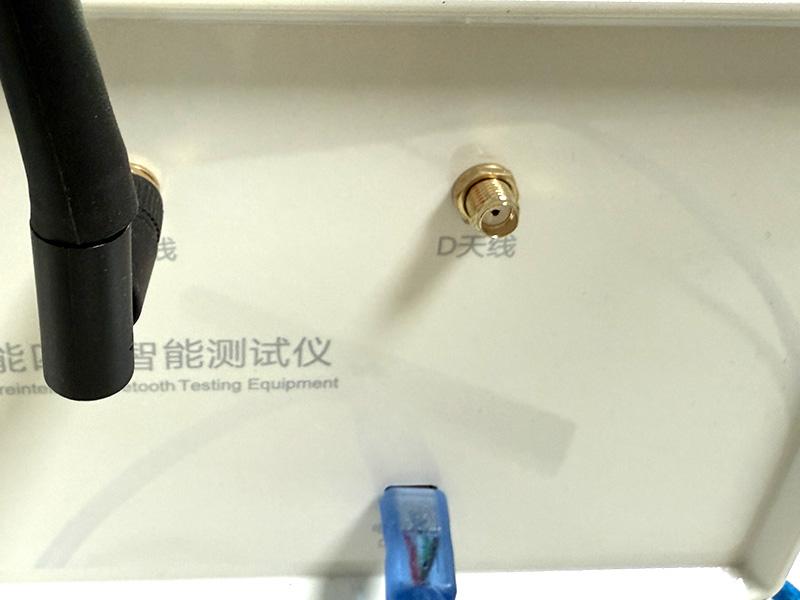
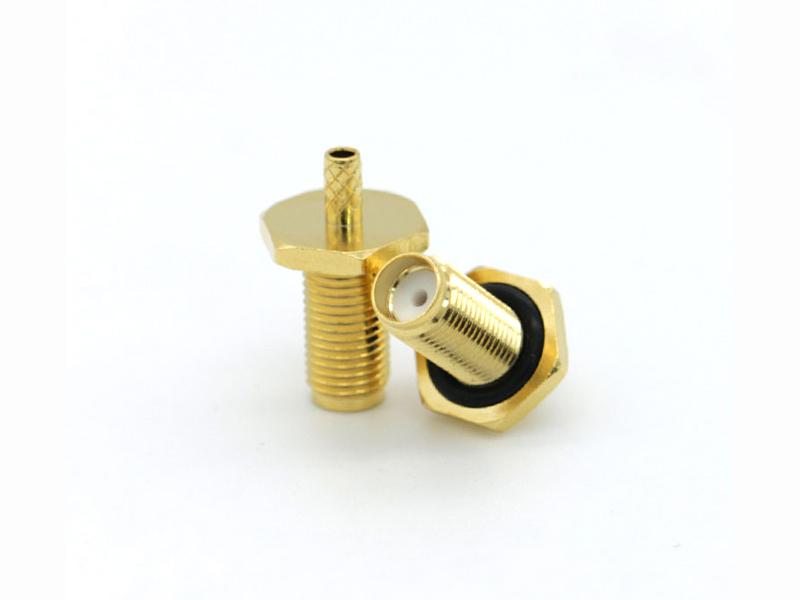
A customized SMA connector was selected to address the specific needs of Bluetooth multi-functional quad-core smart testers:
-
High-Precision Signal Transmission: 50Ω impedance-matched design with oxygen-free copper conductors and PTFE insulation minimized signal loss to ≤0.1 dB in the 2.4–5 GHz band, ensuring test accuracy.
-
Enhanced Anti-Interference: Triple shielding (silver-plated copper foil, braided mesh, metal sleeve) achieved shielding effectiveness ≥85 dB @ 1 GHz, reducing test errors to ±0.2%.
-
Miniaturization & Compatibility: 15% smaller and 20% lighter than standard models, with replaceable adapters supporting 98% of mainstream Bluetooth interfaces.
-
Durability: Gold-plated contacts offered ≥1000 mating cycles, while IP54 protection resisted dust and moisture in lab environments.
-
Regulatory Compliance: Compliant with FCC, UL, and RoHS standards, meeting U.S. and global industrial test equipment requirements.
Project Results & Customer Value
Post-implementation, test accuracy improved significantly with errors reduced to ±0.2%. Testing efficiency increased by 40% due to broad compatibility. The tester’s compact design, enabled by miniaturized SMA connectors, boosted market acceptance. The customer successfully secured orders from major U.S. tech firms for their testing labs, with 6-month sales exceeding 3,000 units. Annual maintenance costs decreased by 30%, strengthening the customer’s competitive edge in the U.S. electronic test equipment market.
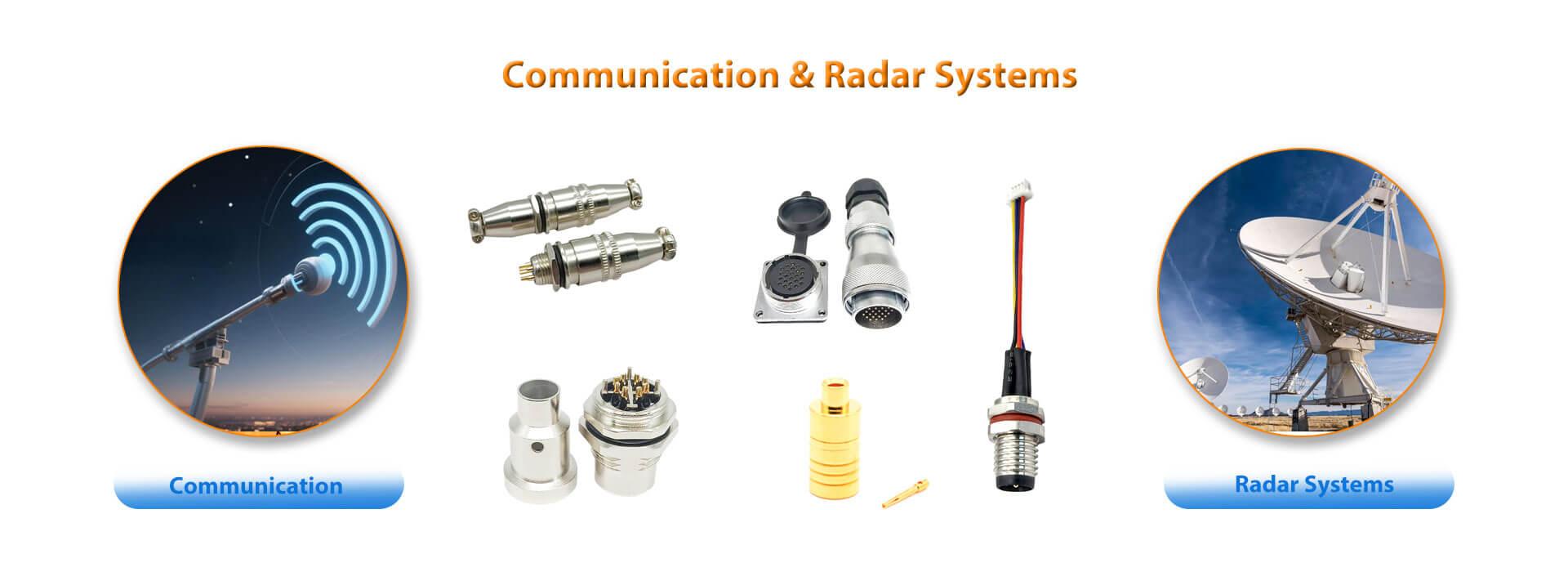
For related connectivity solutions in test and measurement applications, see our guide on selecting connectors for multi-channel signal acquisition on industrial test benches or explore the Aviation Plug Connectors catalog for alternative RF and high-frequency options.




 Tel: +8619924482730
 Email: info@kmydconnector.com
 MP/WhatsApp: +8619924482730
 Manufacturer Address:Baoan District, Shenzhen City, Guangdong Province,China