

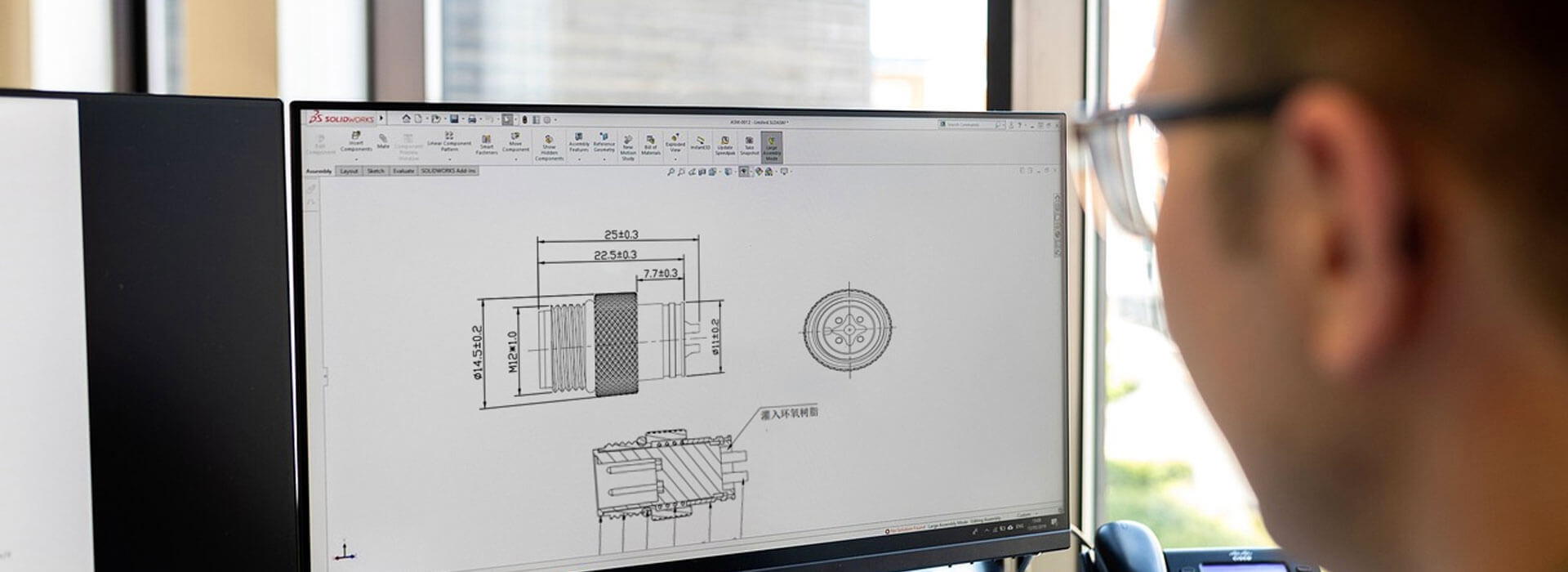
A cable that passes through the rear opening has not yet been matched to a waterproof connector. Start with the cable's finished outside diameter, including its manufacturing tolerance, and compare it with the documented sealing range of the exact insert. Then check jacket material, shape and the approved assembly instructions. An electrical match between contacts and conductors does not establish that the jacket can be sealed. Treat a cable substitution as a sealing review whenever those mechanical details change.
Keep conductor size and jacket diameter on separate lines
A purchasing description such as “four-core sensor cable” leaves the cable entry unresolved. Conductor cross-section concerns the wires inside; the rear seal bears against the outside jacket. Two cables with the same conductor size and core count can have different overall diameters because their insulation, shielding, fillers or jacket construction differ.
Request the cable manufacturer's nominal outside diameter and permitted variation. Record the units explicitly. A measurement from one sample is useful for checking what arrived, but it does not replace the permitted range for production cable. If the supplier offers several cable options, keep each option paired with its own sealing-component selection instead of approving a common connector name for all of them.
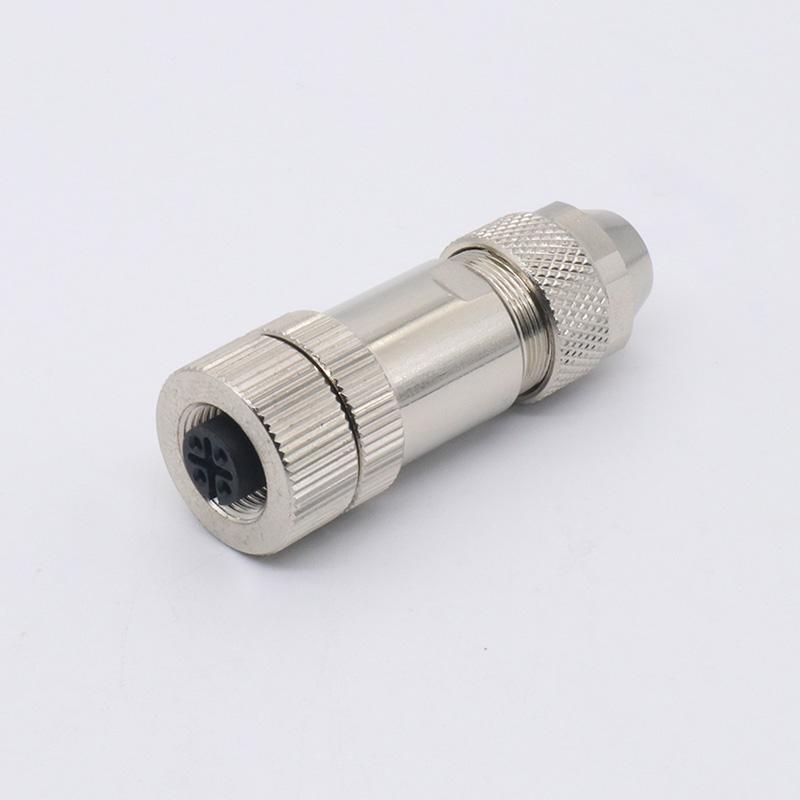
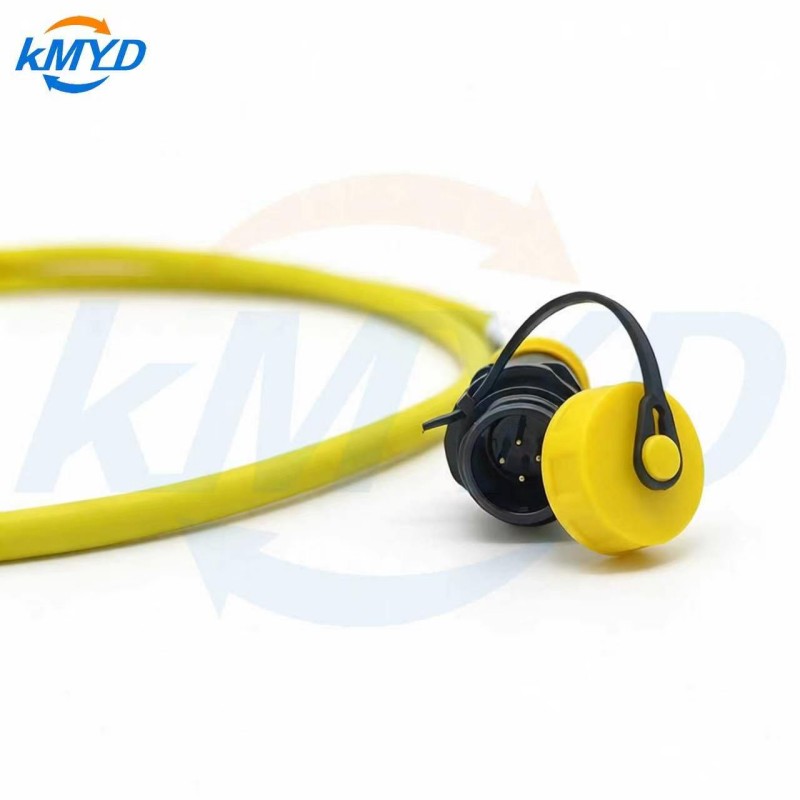
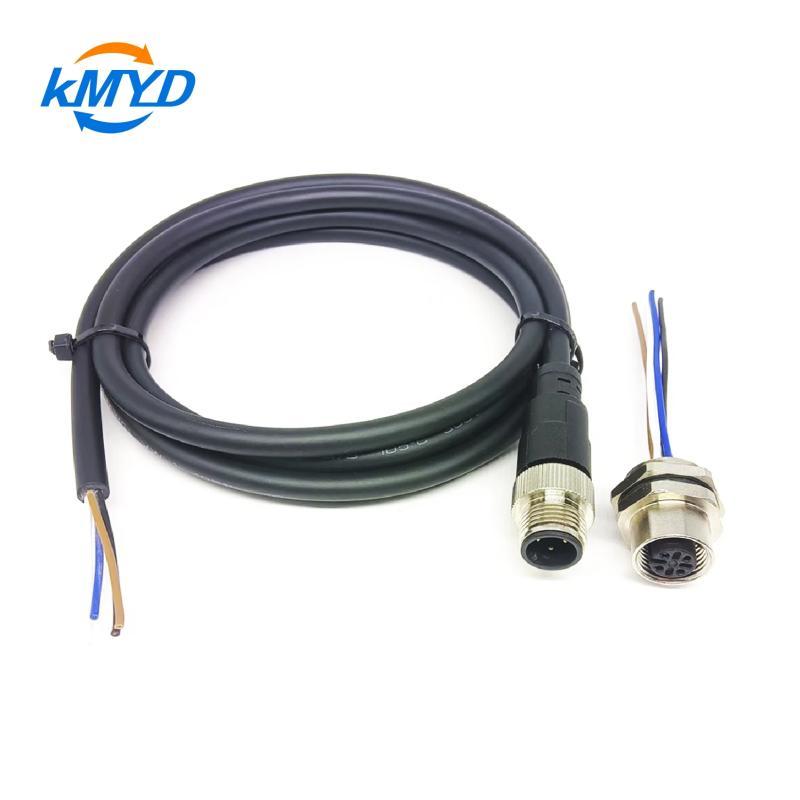
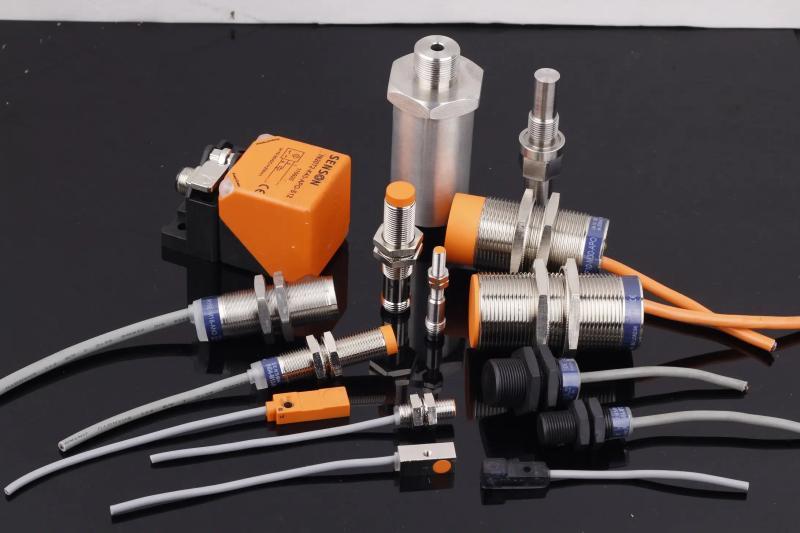
KMYD lists a straight metal M12 assembly connector for field wiring. Use that product reference to identify the intended construction when requesting the cable-entry drawing. The page is a starting point for a specific build; the photograph does not supply a universal sealing range for every connector in the series.
Review the complete diameter interval
Compare the smallest and largest permitted cable diameters with the seal's stated acceptance interval. A nominal value near an endpoint deserves particular attention: a sample at the nominal diameter may assemble differently from cable supplied near the tolerance limit. If the documents do not identify the insert or its range, there is not enough information to approve the combination.
| Documented item | What to resolve before ordering |
|---|---|
| Cable diameter range | Use the finished jacket dimensions and their tolerance, rather than the diameter of a conductor or a stripped section. |
| Seal identification | Record the seal or gland option supplied with the exact connector, including any approved alternative insert. |
| Jacket construction | State its material and whether the sealing zone is round, smooth and continuous. |
| Assembly method | Obtain the applicable preparation, positioning and tightening instructions for this combination. |
Product documentation may distinguish a clamping range from a sealing range. Ask what each published figure covers. The fact that a clamp retains a cable does not, by itself, document ingress protection at that diameter. Bulgin's PXP4011 product information, for example, links cable acceptance to the ordered variant and identifies separate gland components. That illustrates the need for an identified option; its dimensions and parts do not apply to KMYD connectors.
The seal meets a surface, not a number
After the diameter comparison, describe the actual section of jacket that will sit within the seal. A flat cable, a pronounced moulding seam, an oval section or a damaged surface needs a supplier decision about suitability. Do not assume that squeezing an unsuitable shape harder will create the intended seal.
Keep labels, repair sleeves and heat-shrink tubing outside the sealing zone unless the connector supplier specifically approves them as part of the assembly. Adding a sleeve to make an undersized cable “fit” changes the surface and introduces another interface. Tape is likewise not an interchangeable gland insert. If the cable is too small or too large, select an approved entry option or reconsider the cable.
Jacket material also belongs in the review. The same measured diameter can describe a relatively firm jacket or a more compliant one. Ask whether the nominated material and exposure conditions are covered by the proposed sealing arrangement. Avoid converting a general connector temperature or protection statement into evidence that every cable compound is acceptable.
Use the sample to check the approved combination
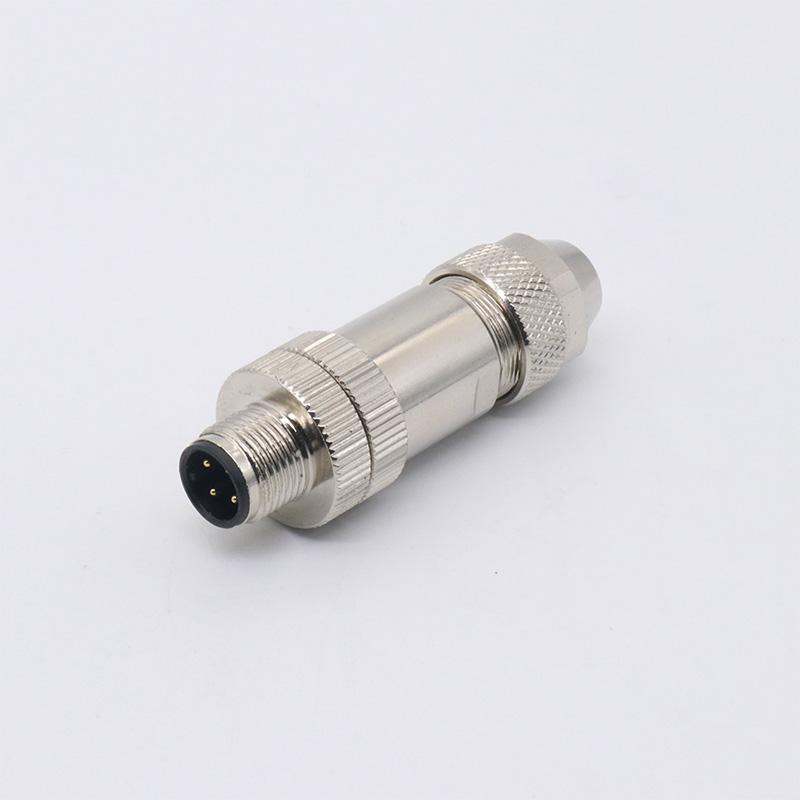
Before sample assembly, agree which instructions the assembler will follow and which parts will be retained for inspection. Record the cable reference, connector reference and insert identification together. A photograph of a finished connector alone cannot show which seal was installed or where the jacket ends inside the body.
Check the assembled sample for the specified jacket position and visible damage using the supplier's procedure. Ask for the agreed mechanical and ingress checks when environmental performance is part of the purchase requirement. A satisfactory hand pull or a neat-looking rear nut is not a substitute for those checks, and this article supplies no universal tightening value.
Make the approved combination explicit in the order. If a later cable revision changes the outside diameter, jacket material or construction, send the revised cable data back for review before assembly resumes. The useful release record is short: the exact cable, its diameter interval, the selected entry components and the instructions used to assemble them. Those details allow a replacement batch to reproduce the same interface.


 Tel: +8619924482730
 Email: info@kmydconnector.com
 MP/WhatsApp: +8619924482730
 Manufacturer Address:Baoan District, Shenzhen City, Guangdong Province,China