LD20/SP20 Heavy-Duty Square Connector
Application Background
Smart entertainment systems integrate streaming devices, speakers, and displays. Internal connectivity between PCBs and modules must be stable for seamless operation. In Japan's consumer electronics market, compact media hubs and home theater equipment demand board-level interconnects that maintain signal integrity in confined enclosures.
This application case focuses on the internal board-to-board connection requirements for smart entertainment hardware, where space constraints and signal reliability are the primary design drivers.
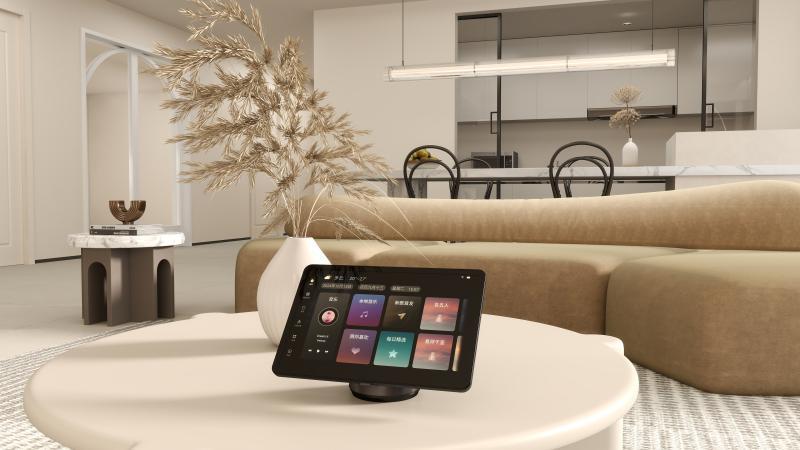
Connector Application
Board-to-board connectors are used inside smart entertainment systems for the following interconnections:
- Connecting audio processing boards to control boards
- Linking display interface modules
- Modular connections for expansion or maintenance
These interfaces typically carry low-voltage control signals and digital audio data. The connector must maintain consistent contact resistance across the operating temperature range of consumer electronics, which commonly spans 0°C to 70°C depending on the enclosure design and ventilation.
Design Characteristics
Board-to-board connectors allow compact, high-density connections and secure electrical contacts. They support repeated assembly and disassembly during device manufacturing or maintenance. Key selection considerations for this application include:
-
Mating height: The stack height between PCBs must match the mechanical envelope of the enclosure.
-
Pin count and pitch: The number of signal lines and available board area determine the required contact density.
-
Mating cycles: Serviceability requirements dictate the minimum number of insertions the connector must withstand.
-
Contact plating: Gold or tin plating affects durability and signal integrity over the product lifetime.
For smart entertainment systems, the connector should be evaluated against the actual PCB layout, the current draw of the connected modules, and the vibration profile of the final installation environment. A connector suitable for a wall-mounted media player may not be appropriate for a portable speaker that experiences handling shock.
Selection Guidance
When specifying board-to-board connectors for this type of equipment, verify the following parameters against the device design:
- Rated current per contact versus the actual load of the audio or display module
- Insulation resistance and dielectric withstand voltage for the operating voltage level
- Operating temperature range relative to the internal enclosure temperature rise
- Mating force and unmating force, especially for blind-mating applications inside sealed enclosures
If the equipment requires field service, confirm that the connector supports the intended number of mating cycles without degradation. For high-volume production, also verify the pick-and-place compatibility and solderability of the connector terminals.
Conclusion
Board-to-board connectors provide reliable modular connections in smart entertainment systems, ensuring stable operation of smart home media devices. The selection should be based on the actual electrical load, mechanical envelope, and service requirements of the specific product rather than on general assumptions about connector performance.
For related interconnection solutions in similar equipment, see the Aviation Plug Connectors range or review the LD20/SP20 Heavy-Duty Square Connector for applications requiring a more rugged interface.




 Tel: +8619924482730
 Email: info@kmydconnector.com
 MP/WhatsApp: +8619924482730
 Manufacturer Address:Baoan District, Shenzhen City, Guangdong Province,China