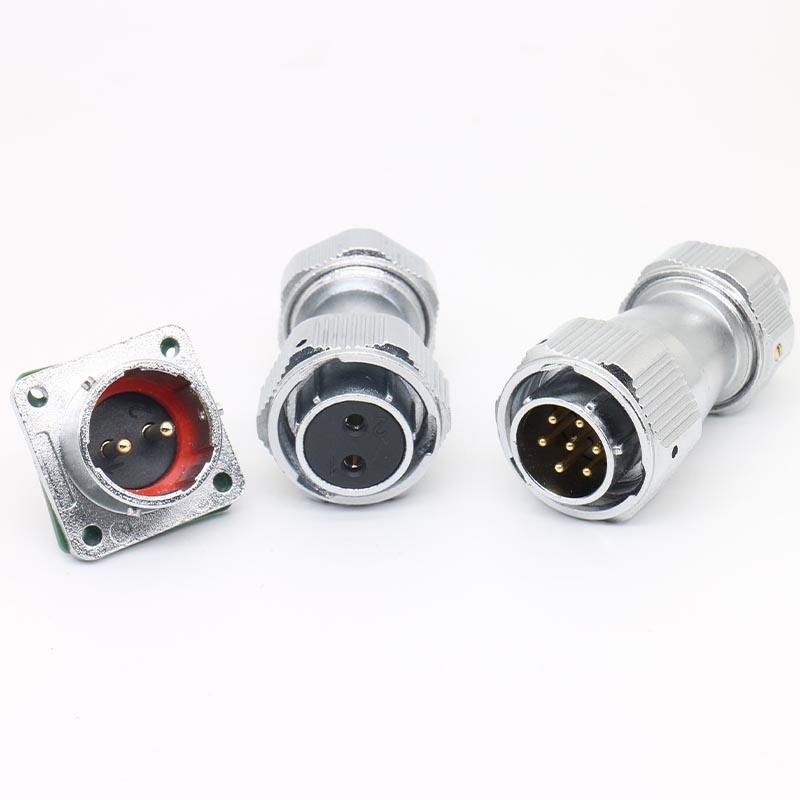
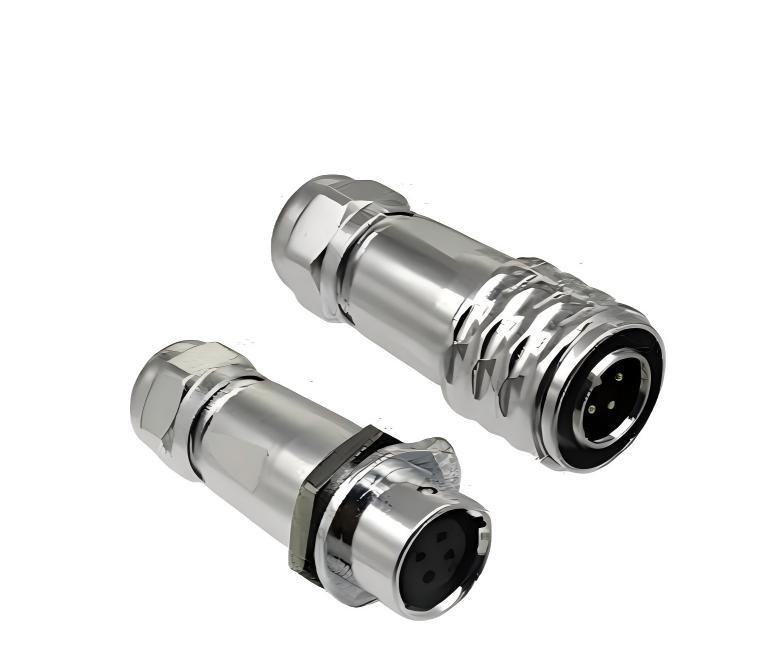
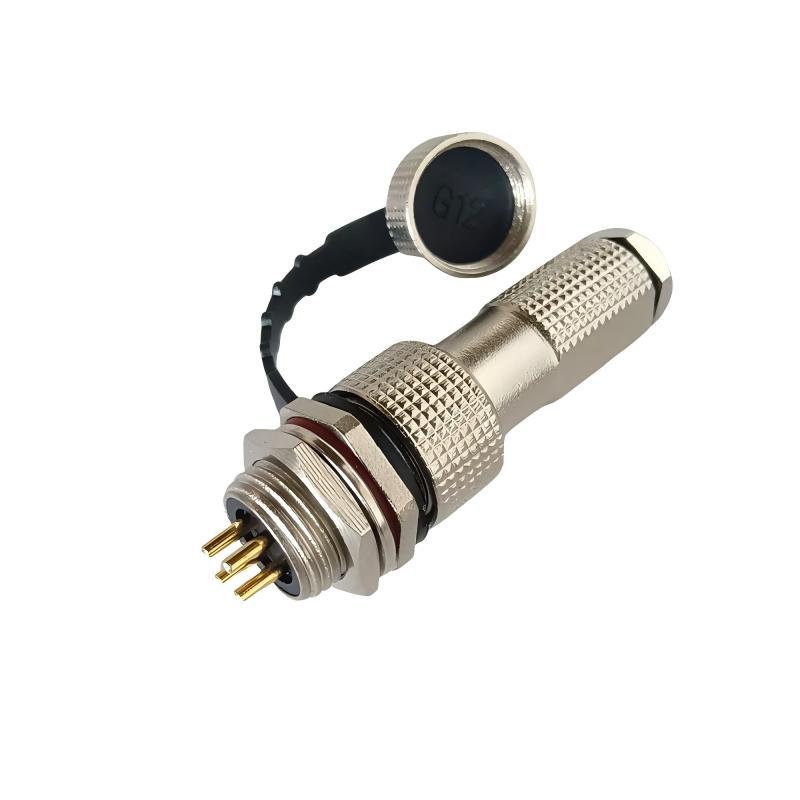
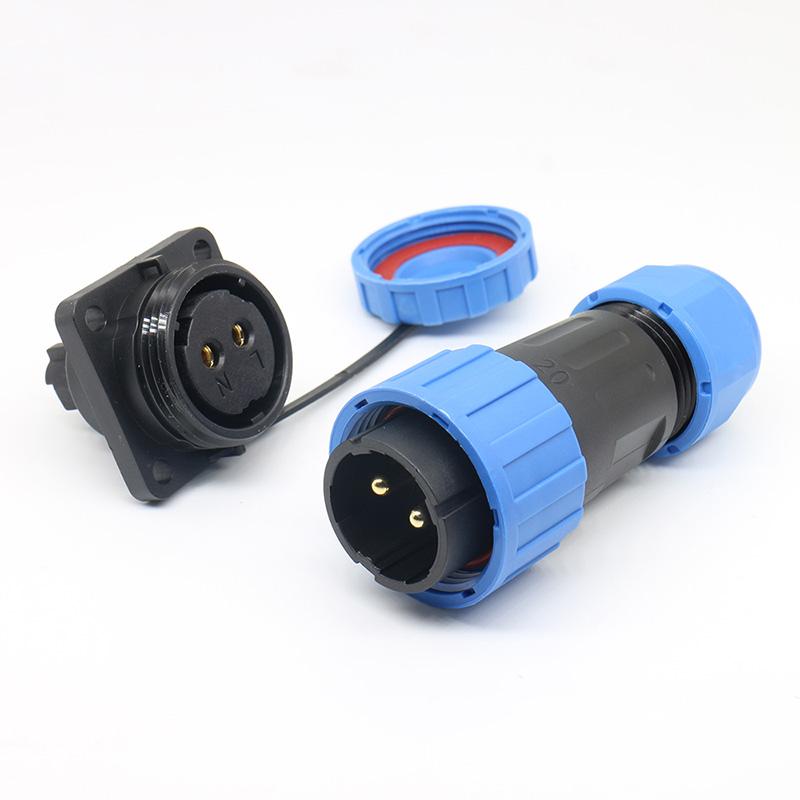
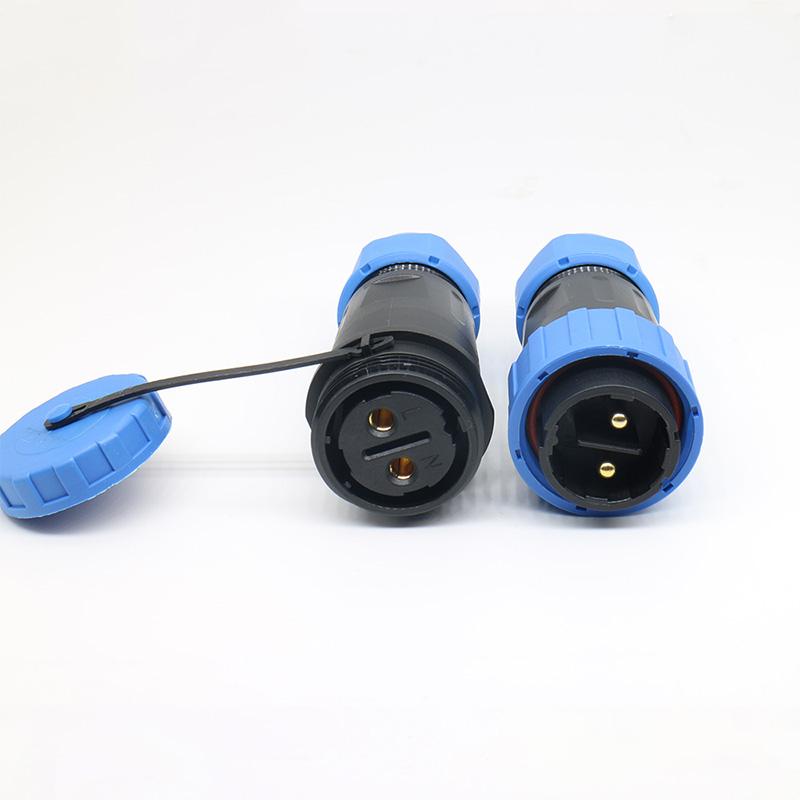
M12 Circular Connectors by Type and Core Count
How M12 Connectors Are Inspected for Reliability
M12 connectors are widely used in industrial automation, sensors, and control systems where a failed connection can stop a production line. To prevent field failures, every connector must pass a series of visual and dimensional checks before shipment. This article explains the key inspection steps shown in our manufacturing video and what they mean for your application.
Automated Visual Inspection for Surface Defects
Each M12 connector is scanned by an automated inspection system that rotates the part under high-precision cameras. This step checks for:
- Scratches or tool marks on the housing that could weaken sealing surfaces
- Deformation of threads, keying features, or mating faces
- Contamination such as dust, oil, or flash from the molding process
Surface integrity is critical because even a small defect on the sealing area can compromise the IP rating of the mated connector.
Dimensional Accuracy and Tolerance Verification
Beyond surface quality, the inspection system measures critical dimensions against the drawing tolerances. This includes the outer diameter, thread pitch, pin position, and overall length. Dimensional drift can cause mating issues, increased contact resistance, or poor sealing—especially in multi-pin configurations where alignment is tight.
What Happens to Rejected Connectors
Connectors that fail any inspection step are removed from the production flow. Only parts that meet the strict quality criteria proceed to the next stage, which may include contact insertion, cable assembly, or final packaging. This gate ensures that the connectors you receive have consistent mechanical and electrical performance.
Why This Matters for Your Application
When you select an M12 connector for a control cabinet, sensor network, or field device, the inspection process directly affects your installation success. A connector with an undetected thread defect may fail to seat properly, leading to intermittent signals or moisture ingress. By understanding the inspection steps, you can better evaluate supplier quality systems and reduce your own incoming inspection burden.
For a closer look at how our automated assembly and inspection lines operate, you can watch the manufacturing video on our production floor. If you are comparing M12 options for a specific pin count or coding, our M12 circular connectors by type and core count guide provides a practical overview.
If you have a specific application requirement or need help selecting the right M12 connector configuration, contact our engineering team with your electrical and environmental parameters.





 Tel: +8619924482730
 Email: info@kmydconnector.com
 MP/WhatsApp: +8619924482730
 Manufacturer Address:Baoan District, Shenzhen City, Guangdong Province,China