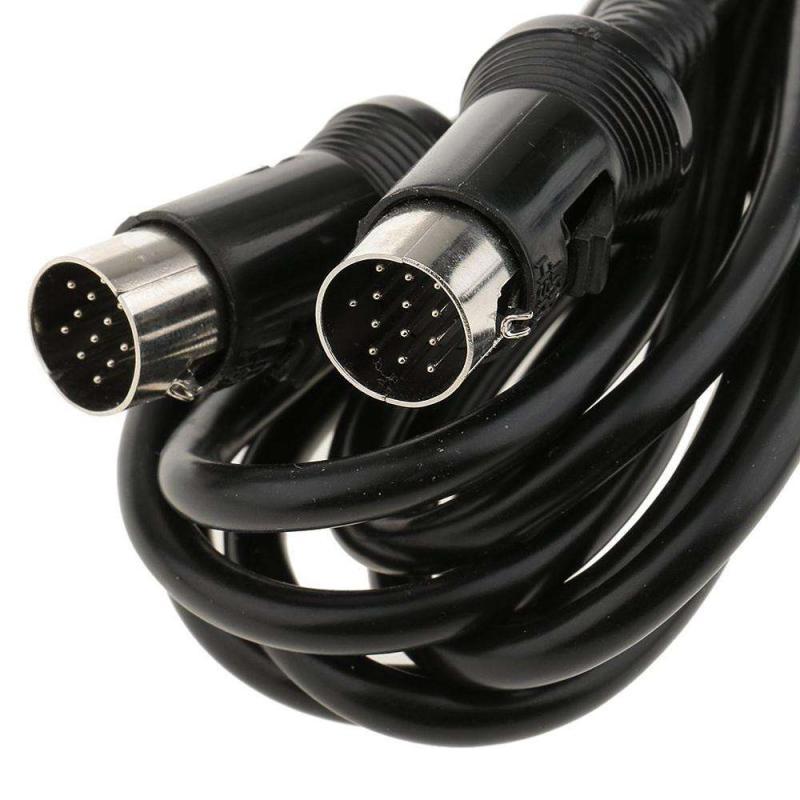
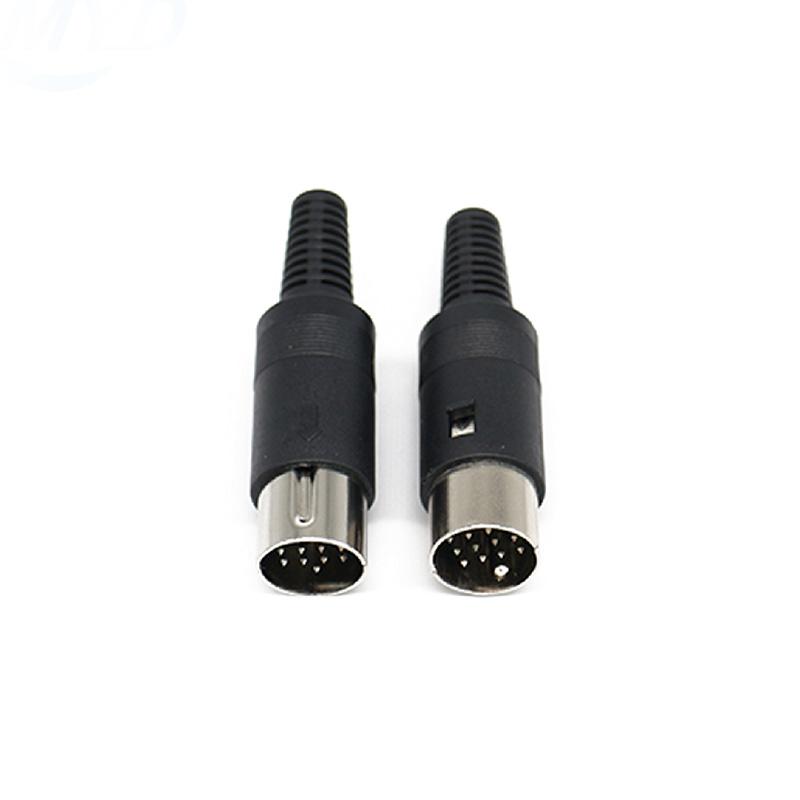
Din Circular Connector
Choosing the right circular connector for industrial use is usually less about finding the cheapest part and more about matching the connector to the real operating conditions. A connector that works well in a clean indoor cabinet may fail quickly in a vibrating machine, an outdoor enclosure, or a system that needs repeated plugging and unplugging. For that reason, engineers and procurement teams should start with the application first, then narrow down the product by electrical rating, sealing, locking style, size, and installation method.
Circular connectors are widely used in industrial automation, sensors, control systems, lighting equipment, robotics, and portable machinery. They are popular because they are compact, mechanically stable, and available in many configurations. But not every circular connector is suitable for every project. The right choice depends on the load, the environment, the mounting space, and how the connector will be assembled and maintained over time.
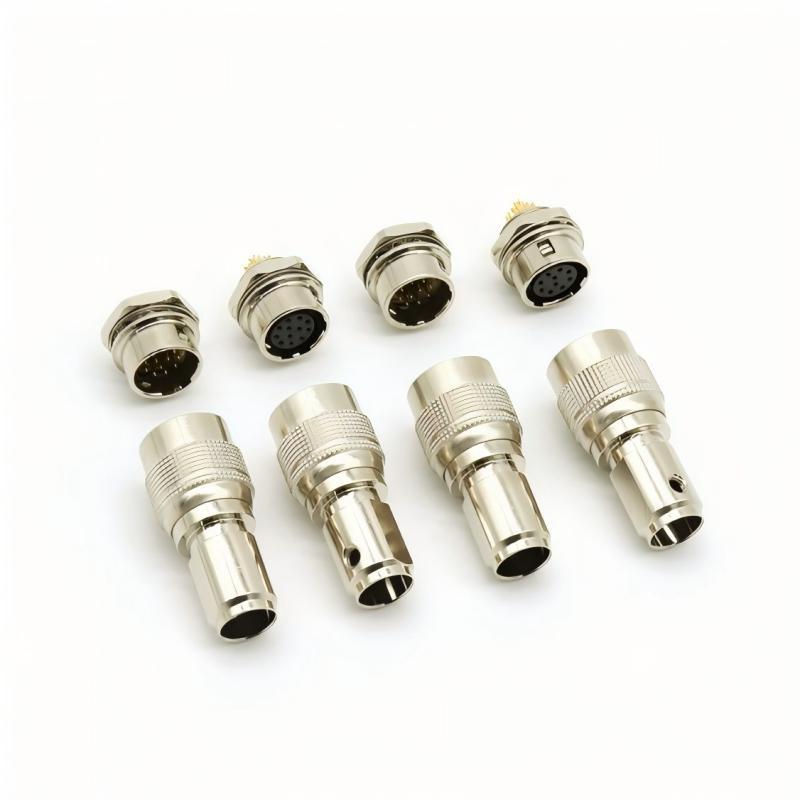
What should you define first before selecting a circular connector?
The first step is to understand exactly where the connector will be used. A connector for a sensor cable has very different requirements from a connector used in a motor, a lighting fixture, or a field service tool. If the application is not clear at the beginning, the buyer may choose a connector that looks suitable on paper but creates problems during installation or operation.
Before comparing models, it is helpful to answer a few basic questions:
- Is the connector carrying power, signal, or both?
- What voltage and current does the system require?
- Will the connector be used indoors or outdoors?
- Is the environment dusty, wet, or exposed to vibration?
- Will the connector be mounted on a panel, a cable, or a PCB?
- How often will it need to be disconnected and reconnected?
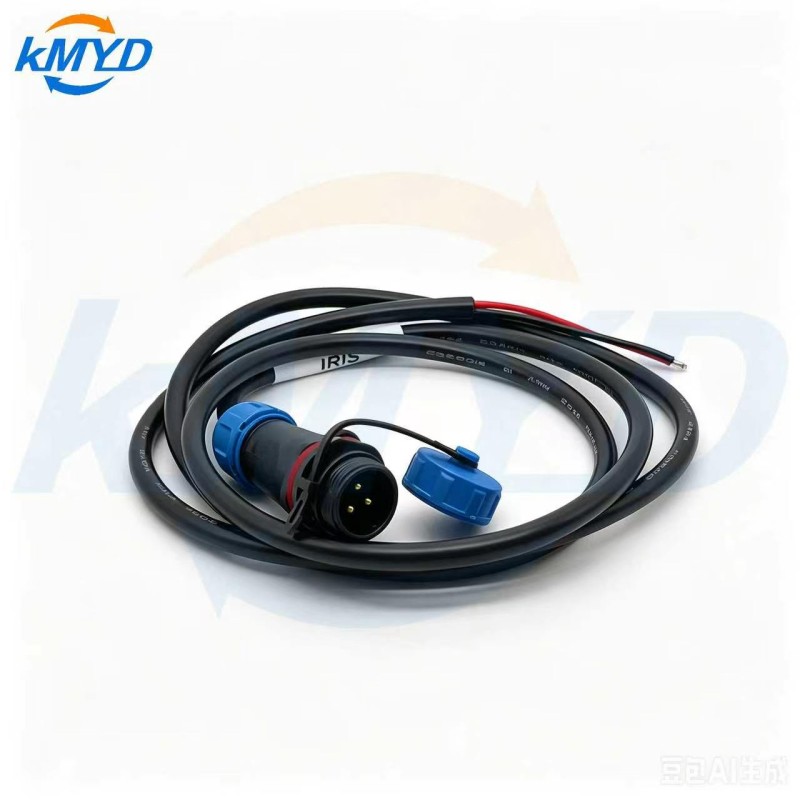
These questions sound simple, but they often determine whether a project goes smoothly or becomes a source of field failures later. For example, a dry control cabinet may only need a standard metal connector, while an outdoor machine may require a waterproof design with better cable sealing and stronger mechanical retention.
Which features matter most in industrial applications?
When buyers compare circular connectors, the most important features are not always the most visible ones. A connector may look strong and professional, but the real value is in how well it performs under load, vibration, and environmental stress.
The key features to review are:
Electrical rating
The connector must be suitable for the actual voltage and current of the system. A connector that is too small for the application may heat up or wear out faster than expected. It is better to leave a practical safety margin rather than choose a part that is barely adequate.
Sealing level
If the connector will be exposed to dust, moisture, or outdoor weather, sealing becomes very important. Many industrial buyers look for IP-rated connectors, such as IP65 or IP67, depending on the application. The exact level should match the real working environment, not just the product description.
Locking structure
A good locking design helps the connector stay secure under vibration. Threaded circular connectors are common in industrial equipment because they are stable and easy to understand. In some projects, quick locking or bayonet styles may also be considered, but the buyer should always check whether the connection needs frequent access or long-term stability.
Housing material
Metal housings are often chosen for strength and durability. Plastic housings may be lighter and more economical, but they are not always the best option for harsh environments. The right material depends on the balance between cost, protection, and weight.
Contact quality
The contacts inside the connector matter just as much as the outer shell. Good contact alignment and stable plating help reduce resistance, improve connection consistency, and lower the risk of intermittent signal issues.
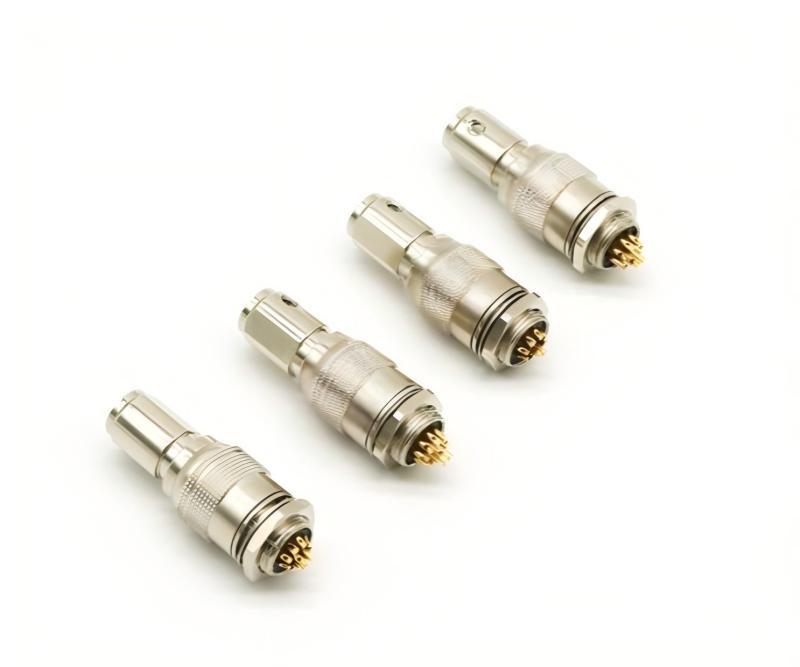
How do you match the connector to the application?
The best connector is the one that fits the actual use case instead of forcing the system to adapt around the product. This is one reason engineers often prefer to define the application before they request samples.
For sensor systems, compact connectors with stable signal transmission are often enough. For automation equipment, connectors that can handle repeated mating cycles and vibration are usually more important. For lighting or outdoor control systems, waterproof performance and cable entry design become key decision points. For portable industrial devices, the user experience also matters, especially if operators will plug and unplug the connector often.
In many industrial projects, circular connectors are chosen because they offer a good balance of size, locking reliability, and wiring flexibility. They are not always the cheapest option, but they can reduce long-term maintenance issues if selected correctly.
A useful way to think about connector selection is this: the more demanding the environment, the more attention you need to pay to sealing, strain relief, and mechanical stability. A connector that works perfectly in a laboratory may not be enough for a machine shop, a production line, or outdoor equipment.
What should buyers compare between models?
Many buyers begin with pin count, but pin count alone does not tell the full story. Two connectors with the same number of pins may differ in size, sealing, termination style, and mechanical durability. That is why a proper comparison should include both technical and practical factors.
Here are the main things to compare:
Pin count and signal arrangement
The connector should have enough contacts for the application without becoming unnecessarily large or expensive.
Termination method
Solder cup, crimp, screw terminal, and PCB mount versions all have different assembly advantages. A production team may prefer a termination style that speeds up assembly and reduces variation.
Connector size
The shell size must fit the available space, panel opening, and cable routing. If the connector is too bulky, it can create layout problems even if the electrical specs are correct.
Sealing performance
For industrial use, the sealing level should be chosen based on the environment rather than assumed from a general product category.
Supply consistency
For procurement teams, stable lead time and repeatable quality are often as important as the unit price. A low-cost connector that is difficult to reorder can create more trouble than value.
Customization options
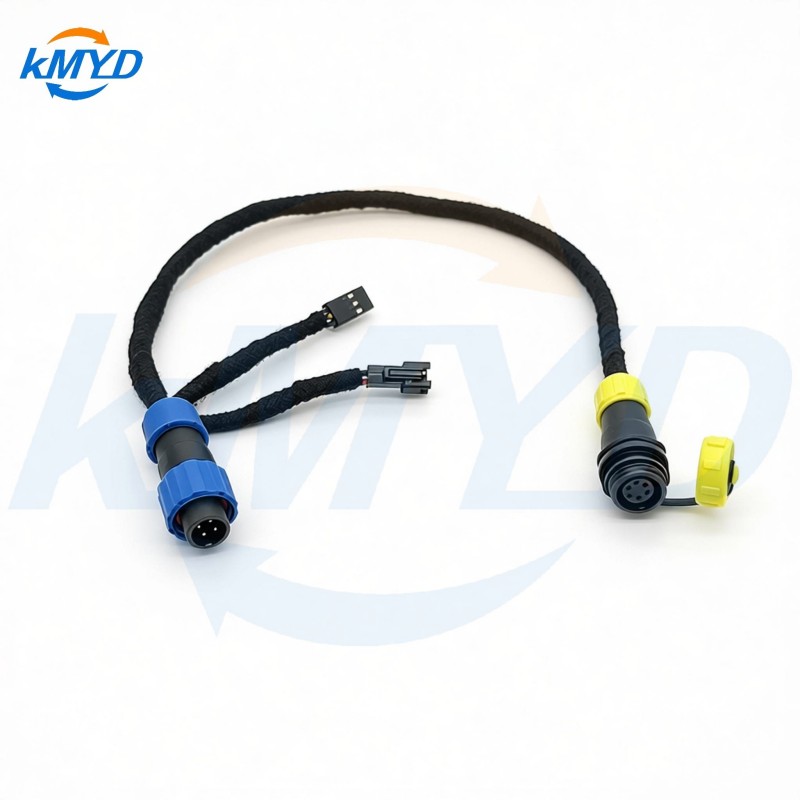
Some projects need custom cable length, different wire colors, special labeling, or specific packaging. A manufacturer that can support these requirements may be easier to work with in the long run.
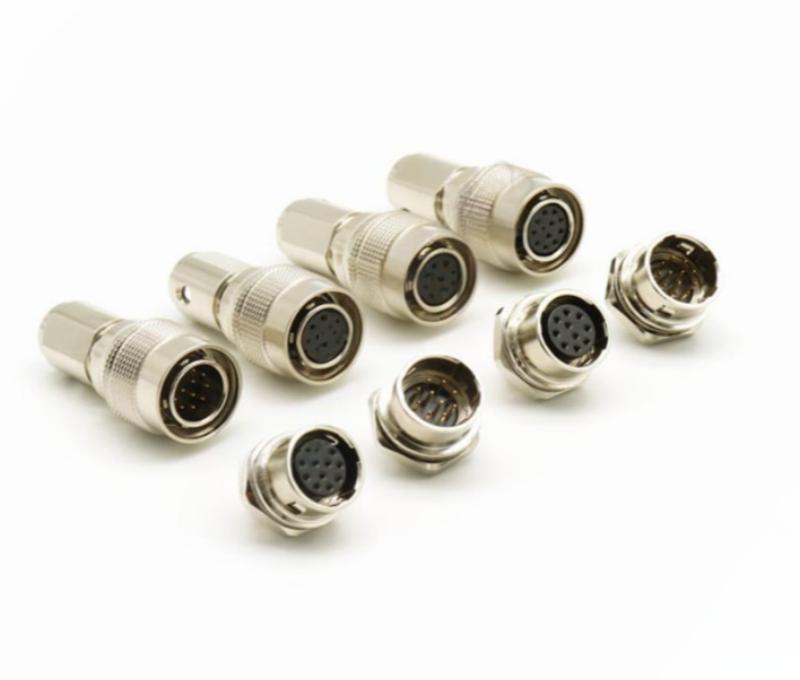
What manufacturer-side details should you ask about?
This is one area many buyers overlook. A connector may look good in a catalog, but the way it is manufactured, packed, and delivered can have a big impact on the final project. If you are buying from a manufacturer rather than a trading company, it is worth asking questions that go beyond the basic product spec.
Useful questions include:
- What is the normal lead time for this model?
- Can you provide both connector halves consistently?
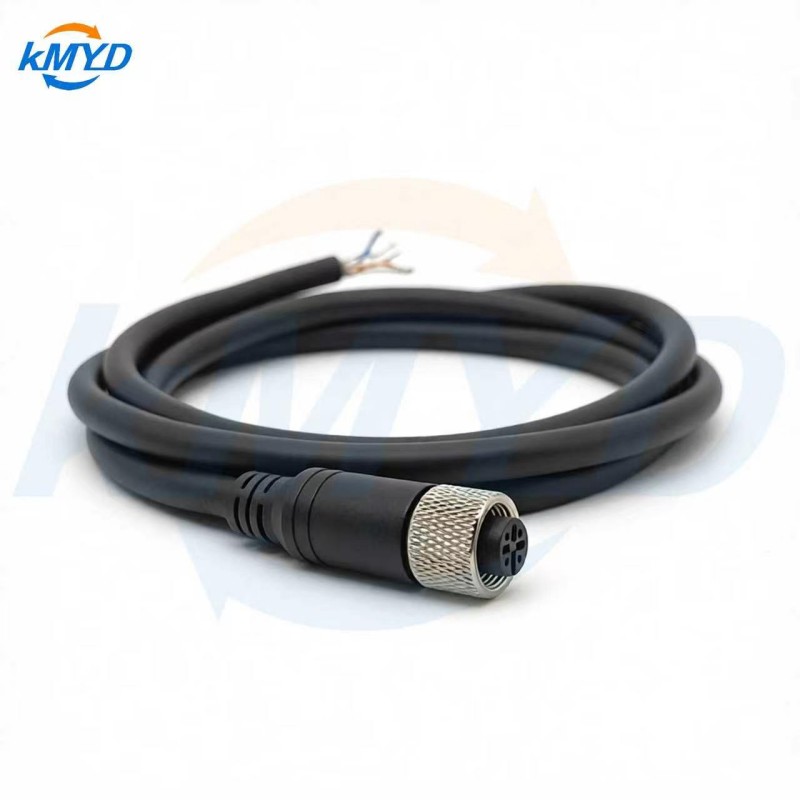
- Do you support custom cable assemblies?
- How do you pack the connectors to protect threads, pins, and seals during shipment?
- Can you supply replacement parts for maintenance or repair?
- What wire gauge or power range do you recommend for this connector?
These questions help you understand whether the supplier can support a real project, not just sell a sample. For export buyers, packing quality and replacement support can be just as important as the connector itself. Poor packing may damage the threads, deform the contacts, or reduce the sealing performance before the product even reaches the customer.
What mistakes should buyers avoid?
A very common mistake is choosing a connector based only on appearance or size. A smaller connector may seem easier to install, but if it cannot handle the environment or the load, it will create problems later. Another common mistake is ignoring the cable side of the design. If the connector body is suitable but the cable diameter is wrong, installation can become difficult or the seal may not perform properly.
A better approach is to think in terms of total project cost, not just purchase price. A connector that saves a little money at the beginning may cost more later if it increases assembly time or field maintenance.
Which connector should you choose in common industrial scenarios?
For a basic sensor application, a compact connector with the right pin count and suitable sealing is usually enough. For a machine exposed to vibration, choose a connector with stronger locking and a more durable housing. For outdoor or washdown environments, sealing and cable retention become more important than a small price difference. For projects with repeated production orders, supply stability and assembly consistency should also weigh heavily in the decision.
In many cases, the best connector is not the most advanced one, but the one that is easiest to install correctly and easiest to reorder later. That is why engineers and procurement teams often benefit from reviewing samples together before confirming the final choice. If your project involves M8 or M12 interfaces, reviewing the 12G Series Circular Connectors can help you compare sealing and locking options side by side.
Conclusion
Choosing the right circular connector for industrial use means matching the connector to the application, environment, and installation method. The most important factors are electrical rating, sealing, locking structure, housing material, and termination style. Engineers should focus on performance and fit, while procurement teams should also look at lead time, consistency, packaging, and total landed cost. When these details are reviewed early, the result is usually a more reliable project and fewer problems after installation.
Before you finalize your specification, prepare a short inquiry sheet that lists the pin count, rated current and voltage, IP protection needed, cable diameter, mounting style, and expected mating cycles. Sharing this information with the manufacturer will help you receive a more accurate recommendation and reduce the risk of ordering the wrong part.





 Tel: +8619924482730
 Email: info@kmydconnector.com
 MP/WhatsApp: +8619924482730
 Manufacturer Address:Baoan District, Shenzhen City, Guangdong Province,China