12G Aviation Connectors with Multiple Core Count Options
Aviation Connectors Supporting Canada's Expanding Drone Sector
Canada's drone industry has grown rapidly, with unmanned aerial vehicles now supporting precision agriculture, search-and-rescue missions, and infrastructure inspections across the country. As operational demands intensify, the electrical systems that power and connect these aircraft must deliver consistent performance in challenging environments. This case outlines how aviation plug connectors address the interface, power, and integration requirements of drones operating in Canadian conditions.
Project Background: Drone Applications Across Canadian Industries
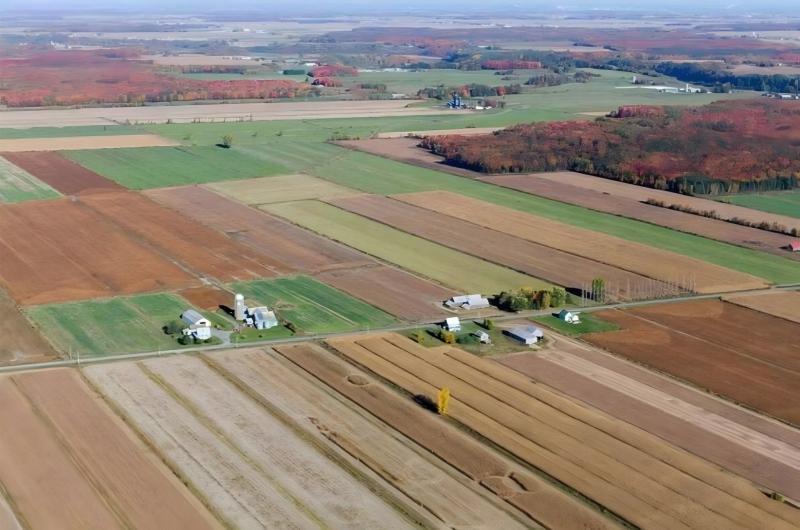
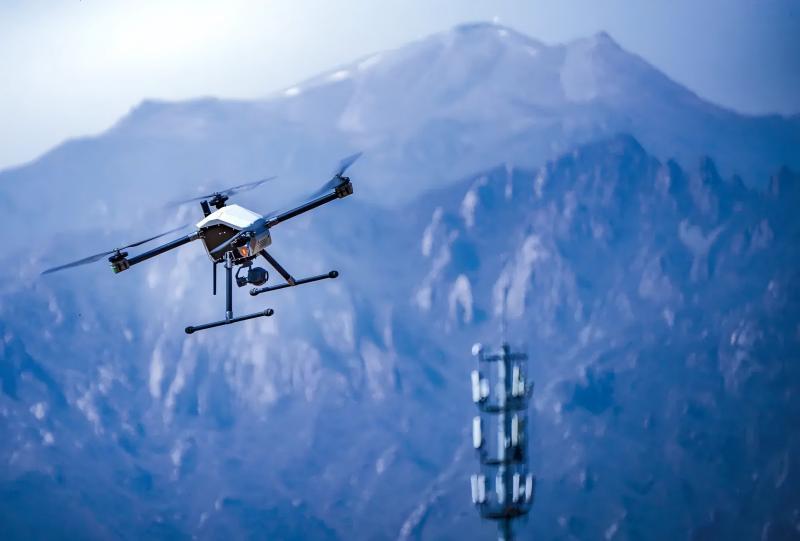
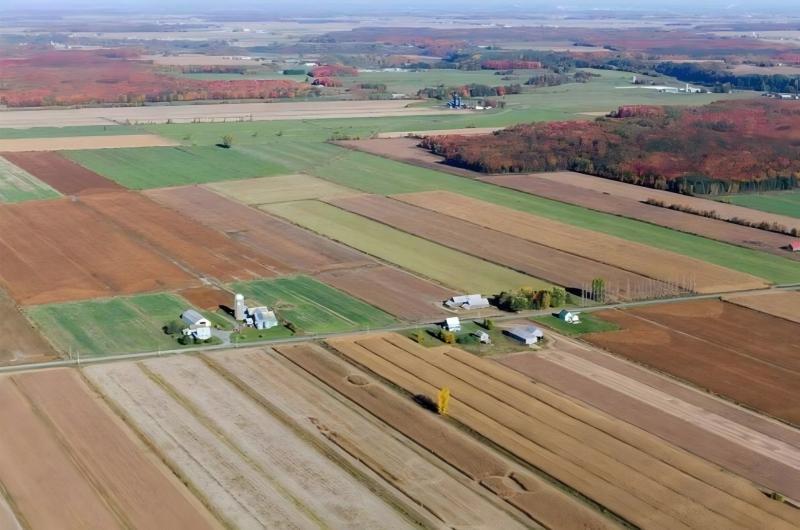
Canadian operators deploy drones for a range of critical tasks. In agriculture, multispectral and hyperspectral sensors monitor crop health, nutrient levels, and pest activity across vast farmland. In emergency response, drones carry high-resolution cameras, thermal imagers, and communication gear into remote forests, mountains, and icy terrain. For infrastructure, inspection drones use 3D scanners and non-destructive testing tools to assess bridges, pipelines, and power lines. Each application places specific demands on the electrical connection between sensors, power sources, and onboard computing systems.
Interface and Environmental Requirements
The operating conditions for these drones vary significantly by mission profile. Agricultural flights over the Prairies encounter dust, wind, and vibration at low altitudes. Search-and-rescue operations in the Rocky Mountains face sub-freezing temperatures and strong gusts. Infrastructure inspections require frequent reconfiguration of sensors and tools between flights. In all cases, the connector interface must maintain signal integrity, prevent power loss, and withstand repeated mating cycles without degradation.
Connector Solution: Precision Aviation Plug Connectors
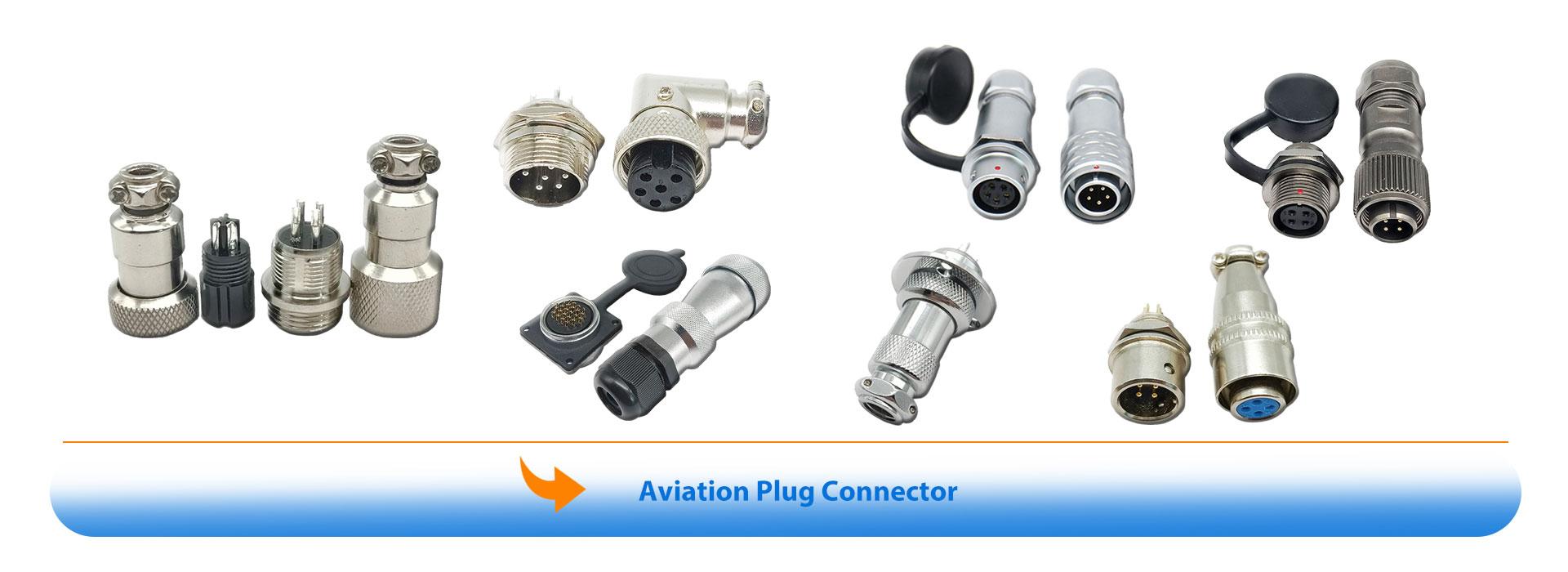
Precision aviation plug connectors are engineered with high-precision electrical contacts and shielding to reduce signal interference and preserve data integrity. Their robust construction resists dust ingress and mechanical stress, supporting reliable operation in agricultural and field environments. For power delivery, the tight-fitting design and quality materials minimize contact resistance and prevent electrical arcing, even in cold or windy conditions. The modular configuration also simplifies the attachment and removal of sensors and inspection tools, reducing setup time between missions.
Deployment and Verification Process
Integration begins with matching the connector series, pin count, and keying to the drone's power and data interface. Cable selection must account for the current load, signal type, and mechanical routing within the airframe. Before field deployment, each connection is verified for contact resistance, insulation integrity, and mating force. Environmental checks confirm performance across the temperature range and exposure conditions expected during operation. These steps ensure the connector system meets the electrical and mechanical requirements of the specific drone platform.
Results and Operational Impact
With verified connector performance, drone operators can maintain stable data transmission from sensors to ground control, deliver consistent power to onboard equipment, and reconfigure inspection payloads quickly between flights. These capabilities directly support the reliability required for agricultural monitoring, search-and-rescue coordination, and infrastructure assessment. For engineers and procurement teams evaluating connector options, the key decision factors are the electrical ratings, environmental sealing, mating cycle life, and compatibility with the drone's existing wiring and payload interfaces.
For further reference on connector types and specifications, see the Aviation Plug Connectors catalog. For a related application example, review the GX Series Circular Aviation Connectors for UAV Power Systems in USA case.
To discuss connector requirements for your drone platform, contact our engineering team through the inquiry form or WhatsApp channel below.




 Tel: +8619924482730
 Email: info@kmydconnector.com
 MP/WhatsApp: +8619924482730
 Manufacturer Address:Baoan District, Shenzhen City, Guangdong Province,China