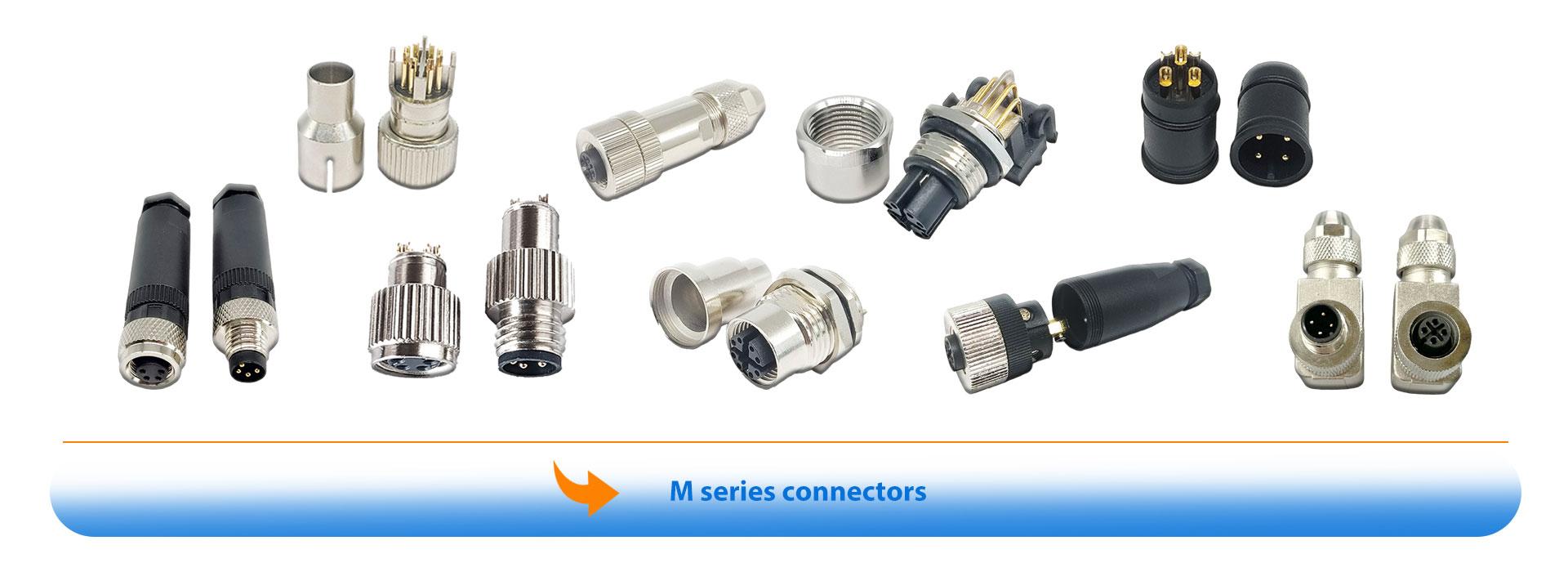
M Series Circular Connectors by Type and Core Count
M12 Circular Connectors: A Practical Selection Guide
M12 circular connectors are a mainstay of industrial automation, sensor systems, and fieldbus networks. Their compact, threaded coupling design provides a secure, reliable connection in demanding environments. This guide explains the key specifications—type, core count, and electrical ratings—so you can choose the right component for your application's mechanical, environmental, and electrical demands.
Understanding M12 Connector Types and Coding
M12 connectors are not a single, universal interface. They are available with different mechanical keying (coding) options to prevent mismating between circuits with different functions. Selecting the correct coding is critical for system safety and performance.
-
A-coded: The most common type, used for sensors, actuators, DC power, and 1 Gbit Ethernet.
-
B-coded: Typically used for Profibus and other fieldbus applications.
-
D-coded: Designed for 100 Mbit Ethernet (Industrial Ethernet).
-
X-coded: Supports 10 Gbit Ethernet for high-speed data transmission.
-
S-coded / T-coded: Used for AC and DC power supply applications, respectively.
Always verify the coding required by your device or network protocol before ordering. For example, an encoder signal may require a specific code type to ensure correct signal integrity.
Core Count and Pin Configuration
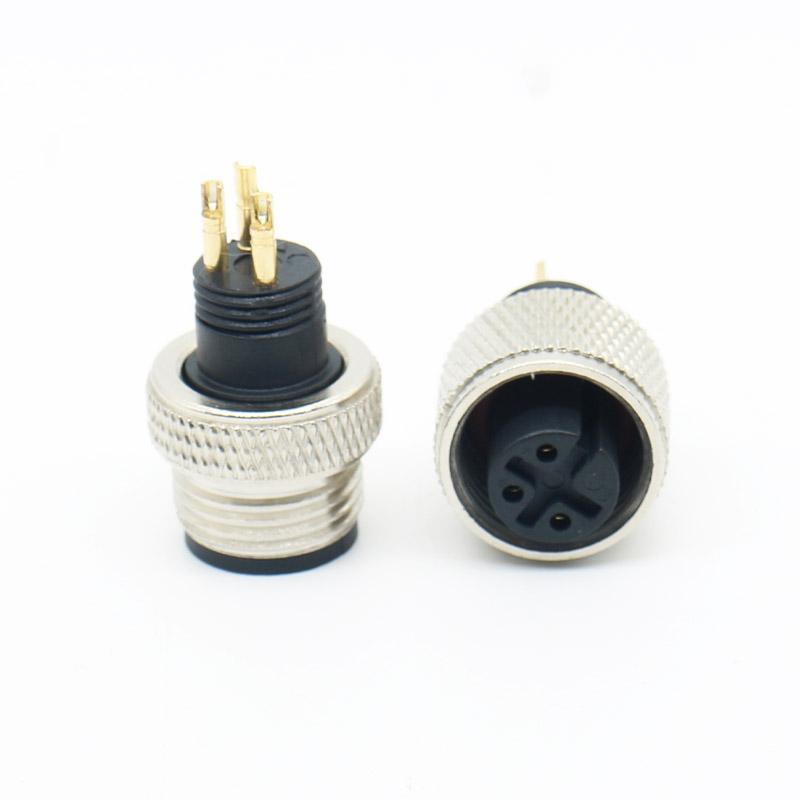
The number of pins (cores) in an M12 connector determines how many circuits can be connected. Common configurations range from 3 to 12 pins, with 4 and 5 pins being the most prevalent for sensors and actuators.
When selecting a core count, consider not only your current signal requirements but also potential future needs. A connector with additional pins can provide spare capacity for diagnostics or auxiliary signals. The pin layout and contact arrangement are fixed by the connector series and coding, so ensure your chosen model matches your device's mating interface.
Electrical and Environmental Specifications
M12 connectors are available with a wide range of electrical and environmental ratings. Understanding these values is essential for ensuring long-term reliability.
-
Voltage and Current: Rated values vary by series and pin count. Always check the specific datasheet for the connector's maximum operating voltage and current per contact.
-
IP Rating: Most M12 connectors offer IP67 or IP68 protection when mated, meaning they are dust-tight and protected against temporary or continuous immersion. This rating applies to the mated condition; unmated connectors are not protected.
-
Temperature Range: The operating temperature range is defined by the housing and contact materials. Verify that the connector can withstand your application's ambient temperature extremes.
-
Contact Resistance: Low and stable contact resistance is crucial for minimizing power loss and signal degradation, especially in high-vibration environments.
Mating Cycles and Mechanical Durability
The number of mating cycles a connector can withstand is a key indicator of its mechanical lifespan. Standard M12 connectors are typically rated for over 100 cycles, while heavy-duty versions can handle significantly more. For applications involving frequent disconnection, such as in portable equipment or test fixtures, choose a connector with a higher mating-cycle rating to ensure a long service life.
Termination and Mounting Styles
M12 connectors are available in various termination and mounting configurations to suit different installation methods.
-
Field-Wireable: These connectors are assembled on-site, allowing for custom cable lengths. They are ideal for repairs and installations where pre-molded cables are not practical.
-
Molded Cables: These are factory-terminated cable assemblies, offering a robust, sealed connection. They are the most common choice for new equipment.
-
Panel Mount: These connectors are designed to be mounted through an enclosure wall, providing a sealed feed-through for internal wiring.
Your choice will depend on your installation environment, the need for flexibility, and the level of protection required.
Application Fit and Selection Criteria
To select the correct M12 connector, evaluate your application's specific requirements. Consider the following checklist:
- What is the required signal type (data, power, or both)?
- What is the operating voltage and current?
- What is the environmental exposure (moisture, dust, chemicals, temperature)?
- How many mating cycles will the connector experience?
- What is the required cable diameter and termination method?
By answering these questions, you can narrow down the options and choose a connector that meets your performance and reliability needs. For a detailed overview of available types and core counts, you can review the M Series Connectors Catalog. If you are working with a specific application, such as control cabinets, reviewing relevant case studies can provide practical insights.
Next Steps for Your Project
Once you have defined your technical requirements, the next step is to verify the specific part number and its datasheet. If you need assistance with a custom cable assembly or have a unique application, our team can help you find a solution that fits your exact specifications.




 Tel: +8619924482730
 Email: info@kmydconnector.com
 MP/WhatsApp: +8619924482730
 Manufacturer Address:Baoan District, Shenzhen City, Guangdong Province,China