


A passing M12 cable assembly continuity result means the connections included in a particular test met its programmed criteria at that time. Its value depends on the reference circuit, the points actually checked and the acceptance limits. It does not automatically clear every conductor, establish insulation performance or qualify a data link. Before accepting a report marked “PASS,” ask what result would have made that same test fail.
Start with the test's reference circuit
Imagine an assembly ordered with a revised signal assignment. Production follows the earlier drawing, and the tester still holds the earlier program. Every unit can pass that program while remaining wrong for the new machine. The problem is not a dishonest measurement: the comparison itself refers to the wrong build. This is an illustrative scenario, not a reported KMYD incident.
Request the assembly drawing revision and the test program identifier together. Confirm that the expected connections came from an approved circuit, including deliberately unused contacts and any components inside the assembly. A program learned from a sample needs an independently checked sample; learning reproduces its connection pattern, including a mistake that nobody has found.
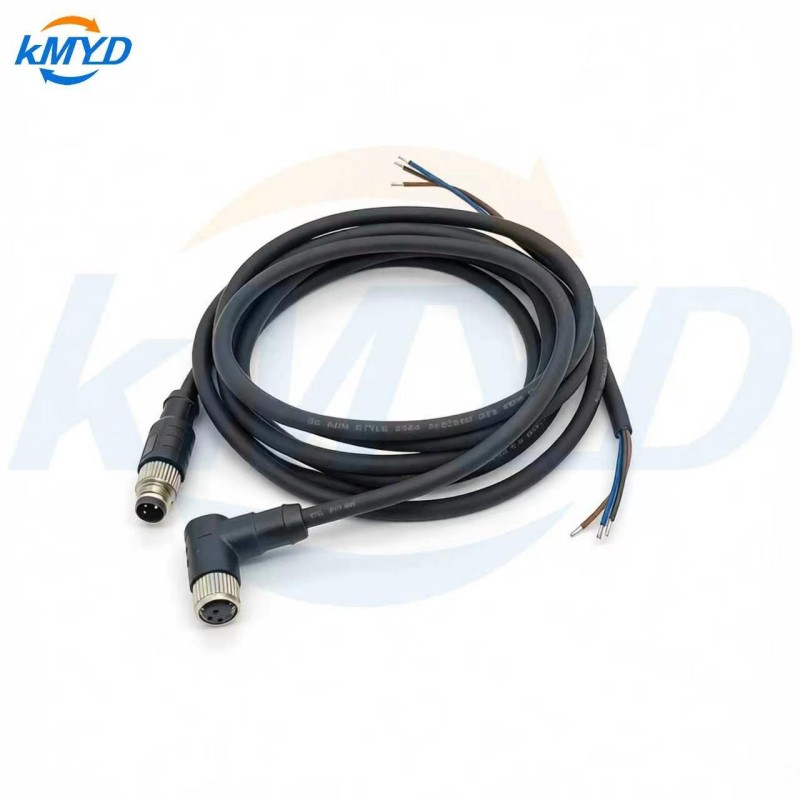
KMYD's custom M12 cable offering includes configurable contact assignments. That flexibility makes the reference circuit important: a generic “M12 test” cannot identify which of several requested builds was inspected.
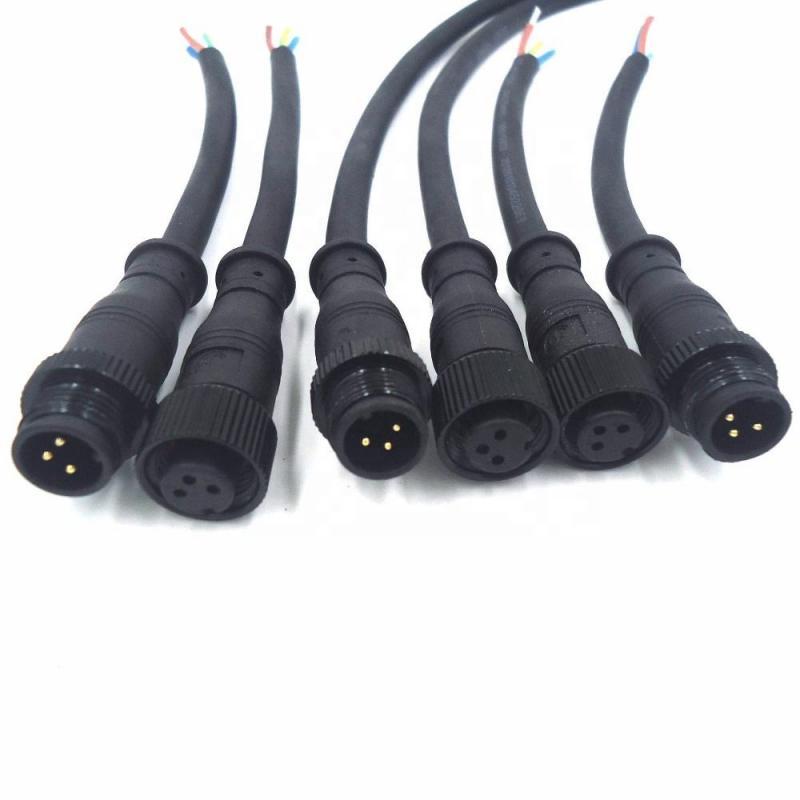
Two questions hide inside “continuity checked”
The first question is whether required paths exist. The second is whether unwanted paths are absent. A record covering only the first question can miss a bridge between two otherwise correct circuits. Ask whether the procedure checks the intended connections, unintended connections, or both, and how it reports each kind of error.
Coverage also depends on access. A fixture that touches only the populated signal contacts says nothing about another contact it never reaches. If a housing or drain connection matters to the circuit, it needs an identified test point and an appropriate check. Conversely, an intentionally isolated point should not be treated as a missing wire merely because it does not conduct.
| Recorded check | Useful conclusion | Question still open |
|---|---|---|
| Required paths only | The listed paths satisfied the selected criterion. | Were unintended connections searched for? |
| Connection pattern | The tested pattern matched the program. | Was that program derived from the right revision? |
| Resistance measurement | A defined path met a stated resistance limit. | Does the limit suit that path and measurement method? |
| Stationary sample | The cable passed in the recorded position. | Was any required movement condition evaluated separately? |
The threshold changes what the result means
A buzzer and a recorded resistance measurement are different kinds of evidence. Test-equipment manufacturer Cirris explains that continuity decisions depend on resistance thresholds, with different testers offering different ways to set them. Its guidance also distinguishes intended connections from unwanted connections. Those principles explain why the instrument and settings belong with the result; they do not provide a universal limit for a KMYD assembly.
The acceptable value should come from the agreed assembly requirement. Cable length, conductor construction, contacts, fixtures and measurement resolution can affect the decision. Copying a threshold from another cable can either reject an acceptable path or allow a poor one. When low resistance is a critical requirement, have the responsible engineer select a suitable measurement method rather than relying on an audible indication.
Keep the fixture identity visible as well. The instrument measures through its connection to the sample. Worn adapters, contamination or a changed fixture can complicate comparisons between records. An unexpected result should therefore be investigated against both the assembly and the documented test setup, without quietly relaxing the limit to obtain a pass.
Keep other performance claims outside the result
- Insulation: a low-voltage connection check is not evidence that the assembly passed a specified insulation-resistance or dielectric-withstand procedure.
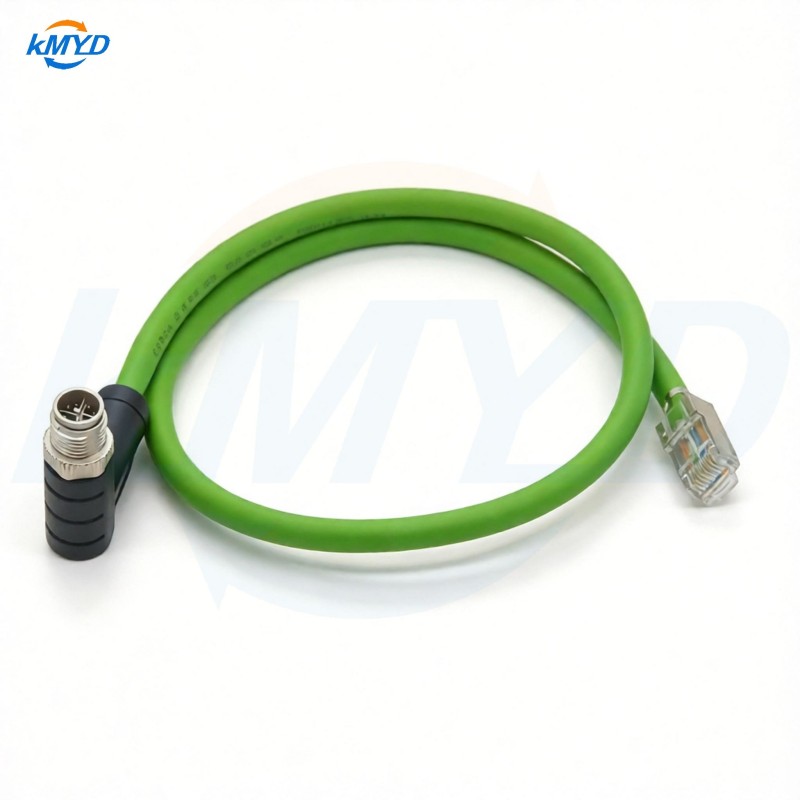
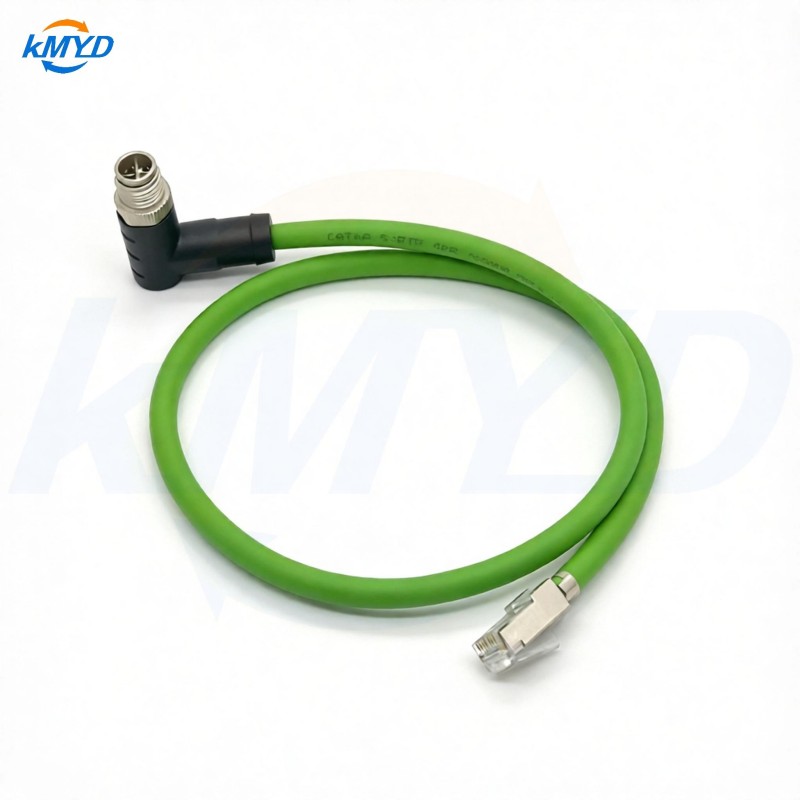
- Network behavior: correct conductor destinations alone do not establish the transmission performance required by an Ethernet application.
- Sealing: finding the intended electrical paths does not show what happens when water reaches the installed connection.
- Service life: one successful static check does not establish performance after the required flexing, vibration or mating history.
These distinctions do not make continuity testing unhelpful. They keep it useful by matching each conclusion to a measurement. If the order requires another property, name that property and its evidence separately rather than expanding the meaning of one green status indicator.
Ask for a result you can interpret
Send the supplier one focused request: identify the approved circuit revision, test program, fixture, checked points, limits and sample or batch covered by the continuity result. Where the report only says “PASS,” ask where the underlying method is controlled and whether that method changed between deliveries.
Then compare the answer with the actual reason for testing. If the question is whether a revised contact assignment reached production, trace the revision into the program. If the question is whether an intermittent fault was investigated, a stationary pass is incomplete evidence. Decide which question remains unresolved before asking for another measurement.
Technical background: Cirris guidance on resistance thresholds and checking test programs; Fluke Networks on verification and performance testing. These references do not establish a KMYD test result.




 Tel: +8619924482730
 Email: info@kmydconnector.com
 MP/WhatsApp: +8619924482730
 Manufacturer Address:Baoan District, Shenzhen City, Guangdong Province,China