

Review altitude and pressure changes as a requirement for the complete enclosure, connector and cable entry. Establish the pressure on each side, how quickly it changes and how the assembly is expected to equalize. A waterproof circular connector description alone does not establish suitability for a pressure differential, vacuum exposure or airborne equipment. The review needs a defined operating and transport profile, part-specific supplier evidence, and qualification that preserves the actual pressure boundary of the installation.
First decide what separates the two pressures
A connector mounted through a closed enclosure may sit between the enclosure air and the outside environment. An inline pair exposed to the same surrounding air on both sides presents a different arrangement. Draw the boundary before asking whether the connector can withstand a change in altitude. Otherwise, the supplier may be answering a question about one component while the equipment depends on several seals and penetrations.
Do not assume that a water-resistant enclosure is hermetically sealed. Some systems equalize readily, others slowly, and others have a deliberately controlled vent. Their behavior depends on the complete construction. The relevant question is the pressure difference that can actually develop across a particular interface, rather than the altitude name alone.
Gore's enclosure-venting guidance identifies temperature changes and altitude changes during transportation as potential causes of pressure differences in enclosed equipment. It discusses controlled venting as a way to reduce that stress in suitable designs. This supports reviewing pressure equalization at system level; it does not establish that an SP connector is pressure-rated or that a vent should be added to an existing enclosure.
Replace “high altitude” with a time profile
Transport over a mountain route, storage in a low-pressure environment and operation inside specialized equipment are different requirements. Include non-operating stages if the connector and enclosure remain assembled during them. A profile can reveal a short transition that is missing from an otherwise accurate statement of the final operating environment.
| Profile item | What the project must define |
|---|---|
| External conditions | Absolute pressure or a justified altitude-to-pressure basis, relevant temperatures and time at each condition. |
| Internal condition | The enclosure's initial pressure, internal heat sources and expected equalization behavior. |
| Transition | The direction and rate of change, including repeated transport or operating cycles. |
| Assembly state | Which interfaces are mated, which ports are closed and which pressure-control elements are fitted. |
| Required function | Permitted leakage or pressure behavior, electrical operation and environmental protection after exposure. |
Absolute pressure and pressure difference are separate quantities. Give the supplier enough information to understand both, with consistent units. A pressure figure without a reference can be ambiguous. If the expected internal pressure has not been established, mark it as an unresolved system-design input rather than assuming it always follows ambient pressure.
Check whether the evidence challenges that boundary
A liquid-immersion result does not necessarily reproduce a gas-pressure transient or the reverse direction of loading. Likewise, an external water jet challenges different conditions from a change in surrounding atmospheric pressure. Ask what the offered evidence actually covers, including the pressure medium, direction, duration and state of the connector.
The specimen should reproduce the relevant enclosure wall, mounting arrangement, cable entry and closure features. A connector tested by itself can answer a component question while leaving the installed panel boundary unresolved. Record any fixture that replaces part of the enclosure, since that substitution may change stiffness, support or equalization behavior.
Agree how the pressure difference will be established or measured. An external chamber reading alone may not describe the pressure inside the enclosure during a transition. Measurement ports and instrument connections also need review: they must not unintentionally create an equalization path that the normal assembly does not have. Retain that arrangement with the test setup record.
Keep pressure testing within an approved laboratory or equipment qualification procedure. The purpose here is to define the evidence required, not to turn a workshop air supply into a test rig. The responsible technical team must select safe fixtures, severities and acceptance criteria appropriate to the complete system.
Resolve the system decision before ordering
If controlled equalization is needed, treat it as an enclosure-design decision. Review any proposed vent's location, exposure, maintenance and effect on the required protection. Do not drill a housing or modify a connector to relieve pressure without a released design and its supporting assessment.
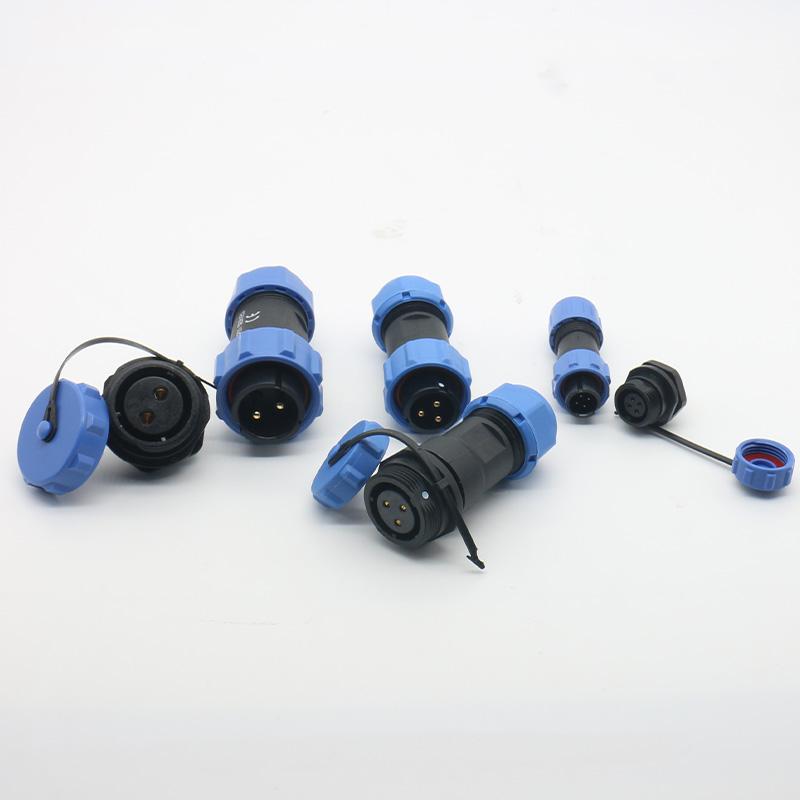
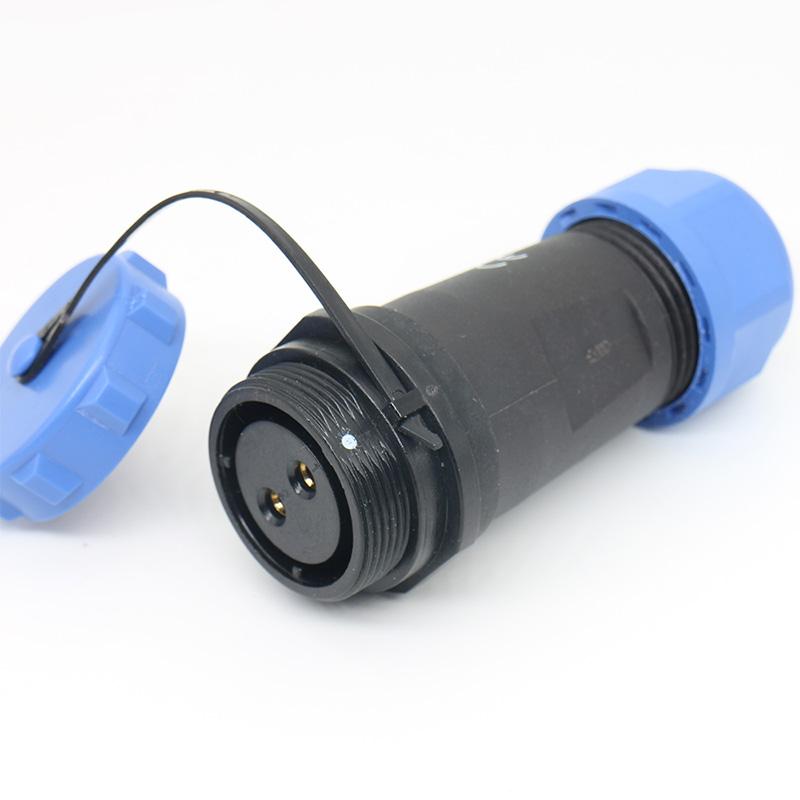
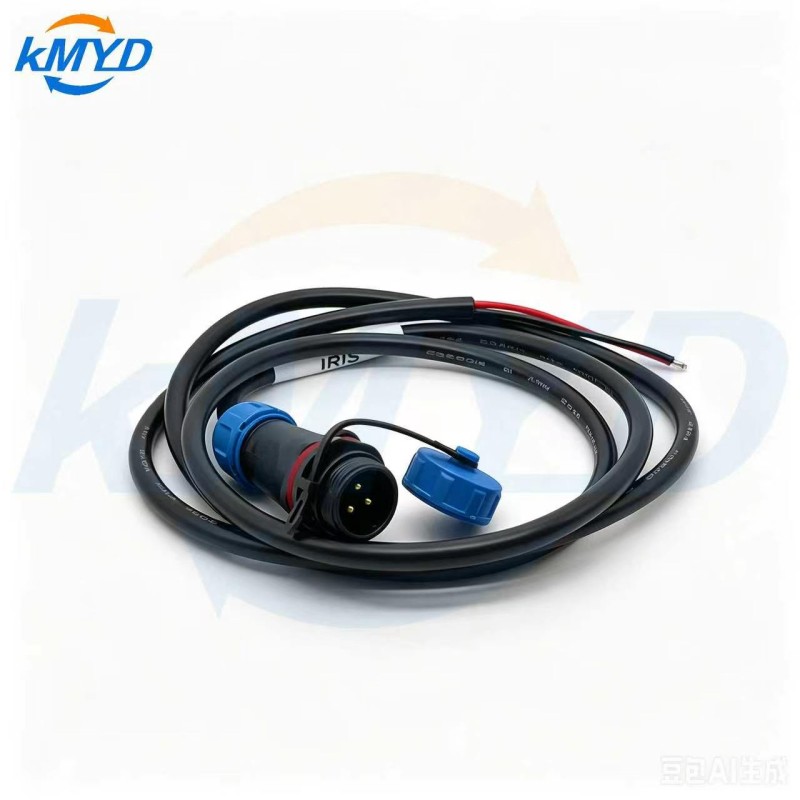
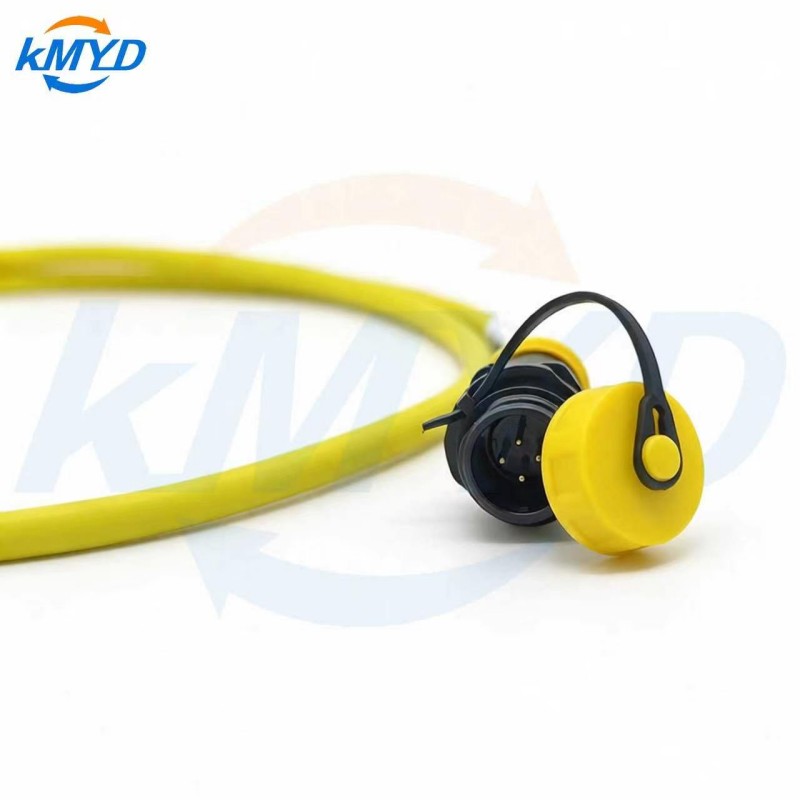
For an SP inquiry, identify the relevant KMYD SP connector configuration or the specific inline product, then attach the pressure-boundary drawing and time profile. Ask which exact conditions the supplier can substantiate and which require further qualification. An unresolved pressure requirement should remain visible in the selection record even when the ordinary electrical and mechanical fit is acceptable.
Technical reference: Gore enclosure guidance on pressure equalization.

 Tel: +8619924482730
 Email: info@kmydconnector.com
 MP/WhatsApp: +8619924482730
 Manufacturer Address:Baoan District, Shenzhen City, Guangdong Province,China