LD20/SP20 Heavy-Duty Square Connector
Project Background: Power Distribution in Spanish Industrial Equipment
Power distribution systems are a critical part of industrial equipment in Spain, delivering electrical energy from supply sources to machinery and control units. These systems often require connectors that can handle higher current loads and ensure stable operation under continuous duty cycles. For plant engineers and maintenance teams managing production lines, the reliability of power interface points directly affects uptime and process consistency.
This case outlines how heavy-duty rectangular connectors are applied at power distribution points in industrial equipment, with a focus on the electrical and mechanical requirements that drive connector selection.
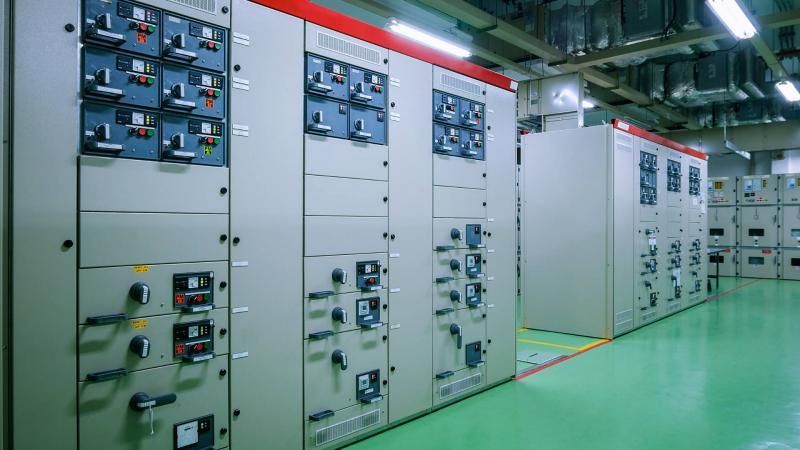
Connector Application at Power Interface Points
Heavy-duty connectors are used at power interface points in industrial systems where higher current capacity and secure mechanical engagement are required. Typical applications include:
- Power connections between control cabinets and machinery
- Interfaces between modular equipment units
- Main power input and output connections
These connection points are typically accessed during installation, maintenance, or equipment changeover, so the connector design must support repeated mating and unmating without degradation.
Design Characteristics for Higher Current Loads
Heavy-duty connectors are designed to support higher current capacity and robust mechanical protection. They often feature rectangular housings with locking mechanisms for secure engagement, preventing accidental disconnection under vibration or cable strain. The contact design and housing material are selected to manage heat dissipation and maintain stable electrical performance at rated loads.
Installation and Usage Considerations
These connectors are commonly used in applications where equipment needs to be installed, removed, or maintained efficiently. The rectangular housing format allows for a higher density of contacts in a compact footprint, while the locking mechanism provides a clear tactile confirmation of correct engagement. For panel-mounted or cable-mounted configurations, the connector must be matched to the cable diameter and the mechanical layout of the equipment.
Environmental Considerations in Industrial Settings
Industrial environments in Spain may involve dust, vibration, and mechanical stress. Heavy-duty connectors are designed to maintain stable connections under such conditions, but the actual protection level depends on the specific housing and sealing configuration selected. Engineers should verify the ingress protection rating and vibration resistance against the actual installation environment before finalizing the connector choice.
Selection Guidance for Power Distribution Applications
When selecting a heavy-duty connector for a power distribution interface, verify the following parameters against your system requirements:
- Rated current and voltage for the specific contact configuration
- Number of power and signal contacts required
- Cable diameter range supported by the housing and cable gland
- Locking mechanism type and mating force
- Ingress protection rating for the intended environment
For applications requiring a compact rectangular interface with high current capacity, the LD20/SP20 Heavy-Duty Square Connector is a relevant option to evaluate. For other power or signal interface requirements, review the Aviation Plug Connectors range to compare circular alternatives.
Conclusion
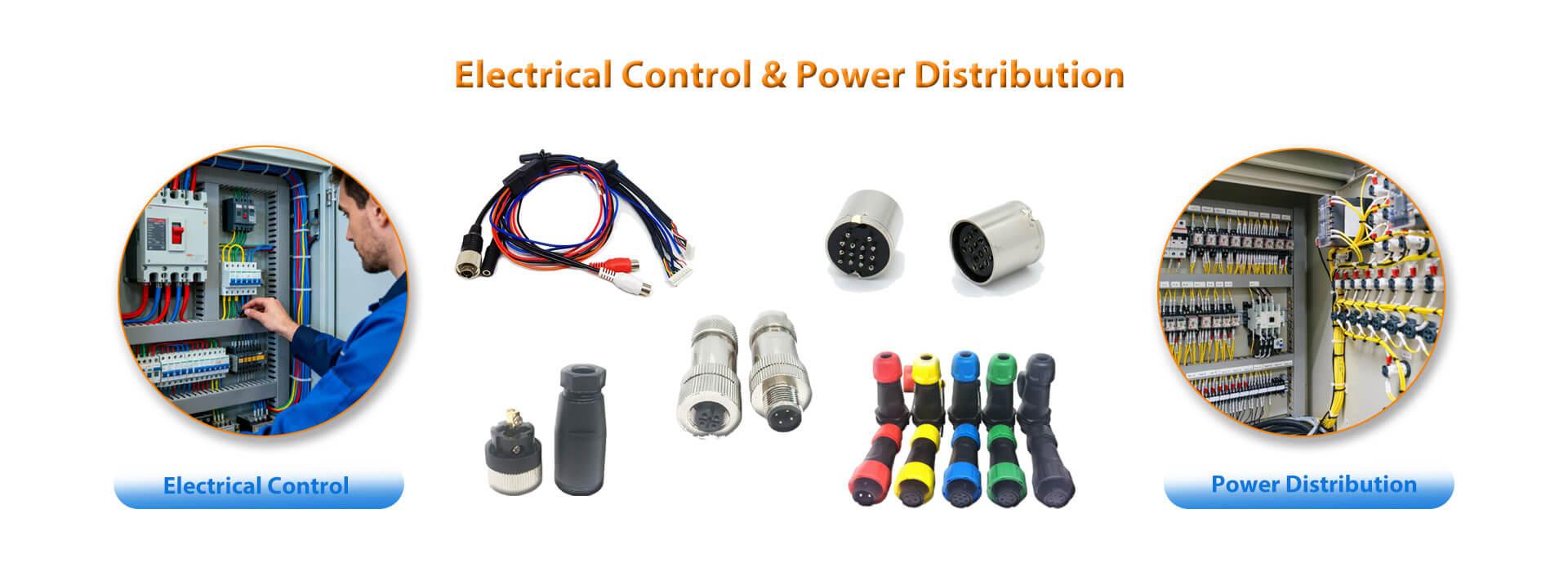
Heavy-duty connectors provide a reliable solution for power distribution connections in industrial electrical control systems. Their rectangular housing, locking mechanism, and higher current capacity make them suitable for equipment that requires secure, serviceable power interfaces. Confirm the electrical ratings, environmental protection, and mechanical fit against your specific installation before specifying the connector.




 Tel: +8619924482730
 Email: info@kmydconnector.com
 MP/WhatsApp: +8619924482730
 Manufacturer Address:Baoan District, Shenzhen City, Guangdong Province,China