

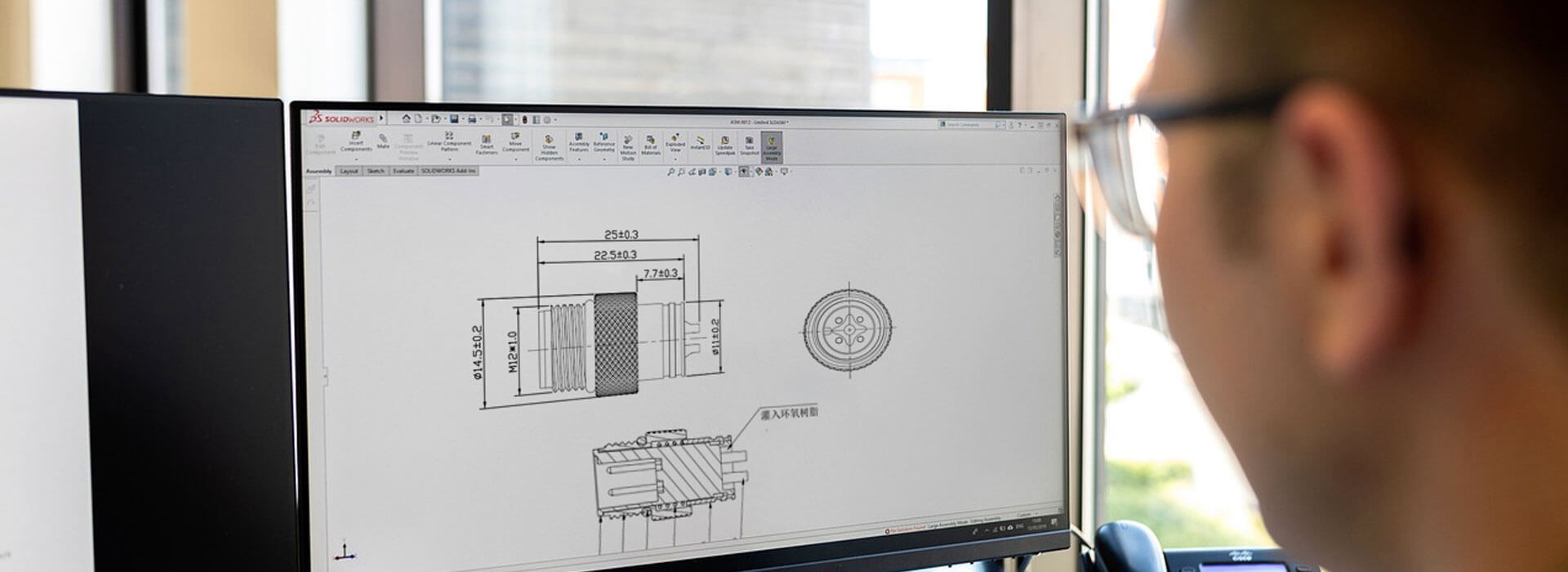
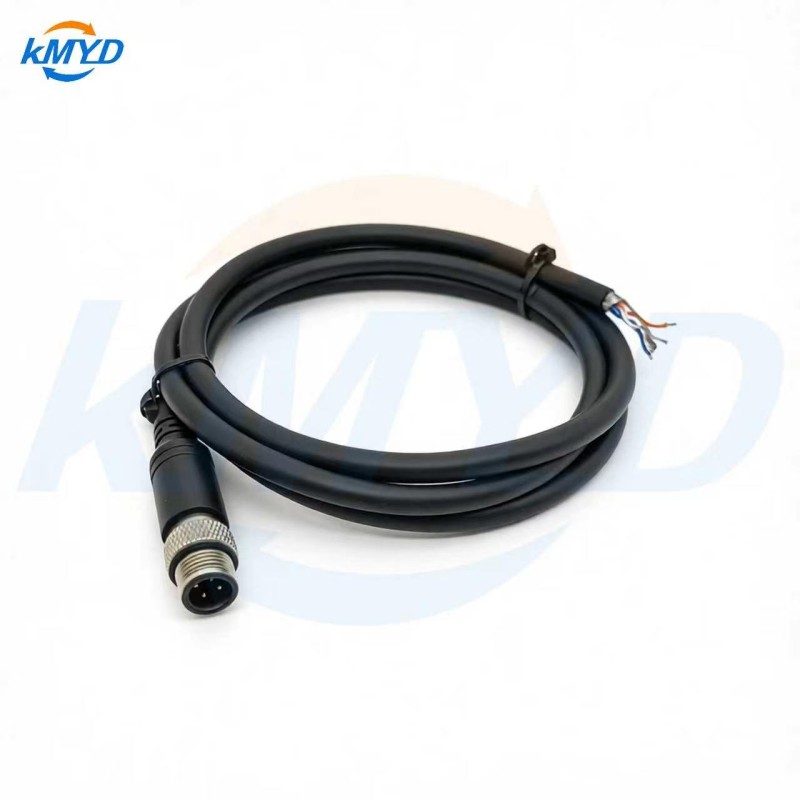
A smooth M8 overmold can show the finished exterior, but it cannot expose the wire preparation, hidden joints or internal conductor routing beneath it. Inspection therefore needs to be planned around when each feature remains accessible. Use finished visual checks for visible requirements, appropriate electrical checks for defined circuits, and agreed process or qualification evidence for concealed features. None of those evidence types should be described as proving characteristics outside its actual scope.
Start with the question the photograph cannot answer
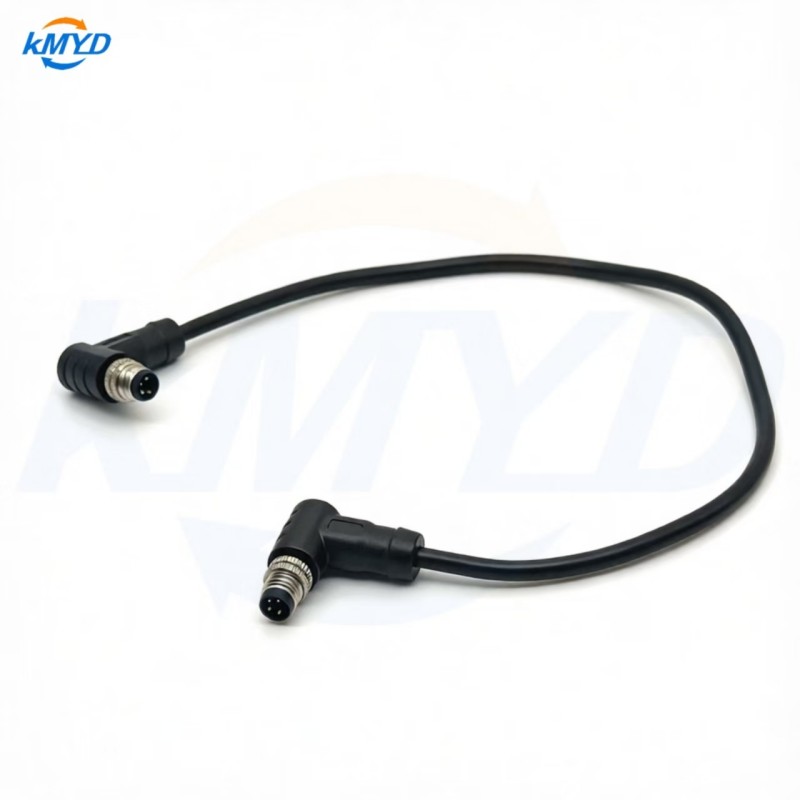
A receiving photograph may clearly show the connector body, cable entry and molded transition. It may help identify an obvious split, an incomplete exterior feature or the wrong configuration. It does not show whether a conductor was damaged during preparation or whether a joint meets the required workmanship criteria. A clean surface and a correct internal connection are separate findings.
Overmolding changes access to the assembly. Binder's description of its own injection-molding technology discusses cable kits whose wires are terminated before the finished overmolded product is supplied. This illustrates the sequence that makes inspection timing important. It does not establish KMYD's manufacturing method, joint type or available inspection equipment.
For the proposed M8 build, ask the supplier which required features become inaccessible during manufacture. Review that answer against the assembly's drawing and workmanship requirements. The useful discussion concerns specific hidden features, not a general demand for a certificate saying that the cable is high quality.
Put the evidence beside the manufacturing stage
Before closure
Identify features whose acceptance requires direct access, and agree how their inspection will be controlled before they disappear from view.
Finished assembly
Check visible geometry and the electrical characteristics selected for the completed configuration, using defined acceptance criteria.
Qualification
Address construction or process questions that need representative samples or other specifically justified evaluation.
Keep the first stage concrete. Depending on the selected termination process, relevant features could include conductor preparation, joint workmanship, insulation position and internal clearance. The actual criteria must come from the approved assembly and process requirements. Do not prescribe a solder or crimp inspection to a build before its termination method is known.
For finished visual inspection, define what is visible and meaningful: correct endpoint configuration, obvious damage, required exterior features and the agreed cable-entry appearance. Avoid a criterion such as “perfect molding” unless the drawing or workmanship document explains what is acceptable. Equally, do not reject every visible molding witness line without knowing whether it is permitted.
Electrical evidence sees a different part of the problem
An electrical check can evaluate specified connections or other selected electrical characteristics. It does not automatically reveal every internal workmanship defect. A connection may satisfy the measured condition while leaving an unanswered question about mechanical support or the construction of the hidden joint. Match each claimed result to the test that actually produced it.
Conversely, a photograph of an accessible joint does not prove the complete finished cable's electrical connection. The molding and later handling stages still occur afterward. Use the evidence from each stage for its own purpose instead of choosing between photography and electrical checks as though one made the other unnecessary.
If the requirement concerns a concealed construction detail, ask what evidence can establish it. Options may include controlled in-process inspection, documented process qualification or an agreed examination of representative sacrificial samples. Availability and suitability must be confirmed for the actual build. Do not assume that radiography can resolve every detail, or that the supplier offers it.
Do not cut open a delivered service cable and then return it to use. Any destructive examination belongs in an approved sample plan with the examined items excluded from service.
Ask for a coverage map, not an impressive report title
For each important feature, record the requirement, the stage at which it can be assessed, the proposed method and the evidence retained. Mark a feature as unresolved if no agreed method addresses it. This exposes gaps that an overall “PASS” can hide, while avoiding duplicate checks that answer the same limited question.
Use KMYD's M8 overmolded male-to-male cable or its customized M8 assembly page to identify the intended configuration. Send the supplier a short list of concealed features that matter to your design and ask how acceptance is established before and after molding. Resolve those answers before sample approval, while changes to the inspection plan are still possible.


 Tel: +8619924482730
 Email: info@kmydconnector.com
 MP/WhatsApp: +8619924482730
 Manufacturer Address:Baoan District, Shenzhen City, Guangdong Province,China