

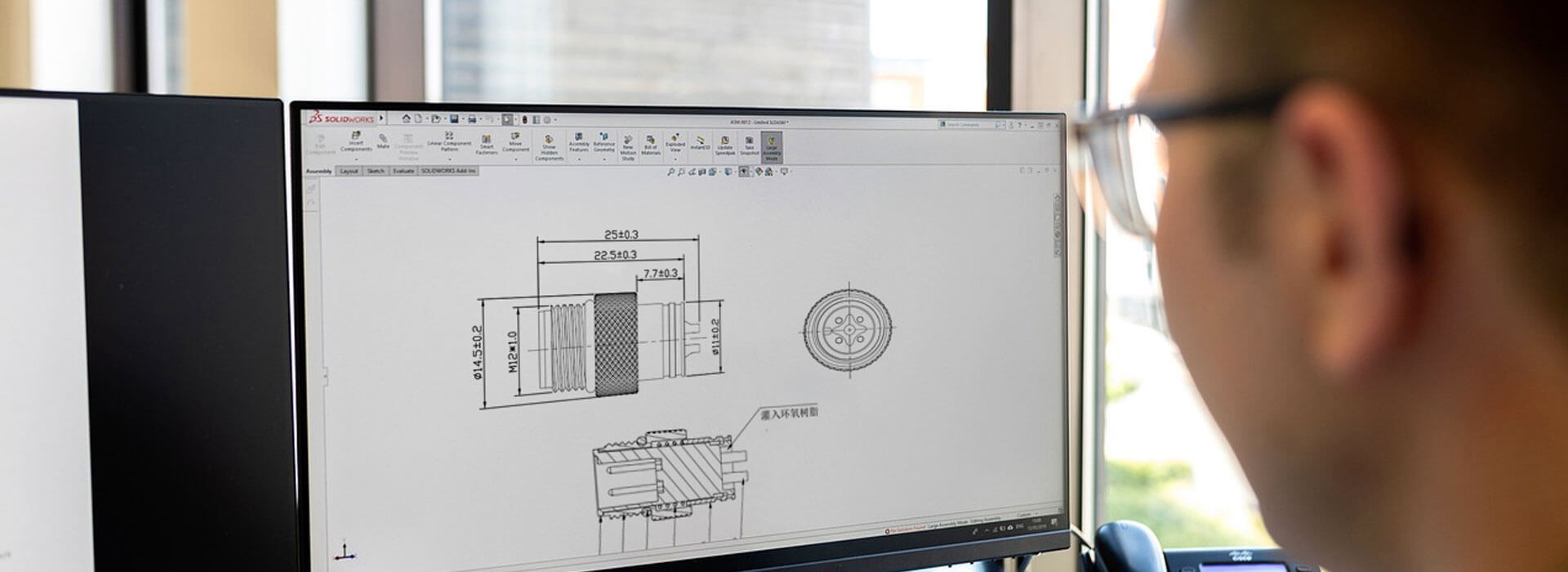
Do not approve gold-plated and tin-plated contacts in M8 cable connectors as an interchangeable mating pair solely because the connectors fit. The decision concerns the two surfaces that actually touch, together with their contact design and service conditions. Obtain the finish specification for both halves and ask the responsible connector supplier to confirm the proposed pair. A mixed-finish combination needs an explicit engineering basis; a gold-colored pin or a successful first connection does not supply it.
Which surface is gold, and which surface is tin?
“Gold-plated connector” is an incomplete description when several metal surfaces are present. The coupling nut, mating contact and rear termination can have different finishes. Review the specified surface at the mating contact, rather than comparing the color of the housings or assuming that all exposed metal received the same treatment.
There is also an important difference between selective plating on one contact and mixed plating across a mated pair. Samtec describes a selective construction with gold at the mating area and tin at the solder tail. That does not mean a gold mating surface is touching tin: the two finishes serve different locations on the same component.
- Different areas of one contact
- A finish on the rear termination can differ from the finish where the contact mates. Read the drawing's location notes.
- Two surfaces in one mating pair
- The male contact surface meets the female contact surface. Their specified combination is the compatibility question.
When a quotation mentions tin, ask which location the note describes before rejecting or accepting it. Equally, a drawing that specifies gold on one half does not identify the other half. Put both part references in the review, including the equipment-side connector if it is supplied by another company.

Fit and an initial signal leave the material question open
Samtec advises selecting similar plating materials in the contact areas and identifies corrosion concerns when dissimilar finishes are paired. Its discussion also explains that tin contact systems must deal with an oxide film through their contact design. These are reasons to review the pair, not a rule that every mixed-metal connection fails immediately or that every gold-to-gold pair is automatically suitable.
Movement at the touching surfaces adds another consideration. Samtec's fretting-corrosion paper describes how small relative movements can produce wear and resistive corrosion products. Even a noble-metal finish does not remove every concern if wear exposes underlying material. The relevant behavior depends on the contact system and its environment; a finish name cannot establish a universal service life.
An initial continuity reading answers whether the circuit conducts under that check. It does not reproduce the required mating history, environmental exposure or movement. Therefore, use the first successful connection as one observation, not as permission to substitute an undocumented finish combination across production.
Review the pair before changing one half
Consider a replacement cable proposed for equipment that already has a fixed M8 receptacle. The new lead may have the correct mechanical interface and wiring while using a different contact finish. The replaceable cable is only half of the connection. The installed receptacle's exact reference and contact specification belong in the approval request.
Separate three possible outcomes. If both finish specifications and the supplier's compatibility information support the pair under the required conditions, retain that evidence with the selected parts. If the supplier recommends a different counterpart, review whether that change is feasible in the equipment. If the finish or compatibility remains unknown, keep the substitution unresolved instead of treating absence of a warning as approval.
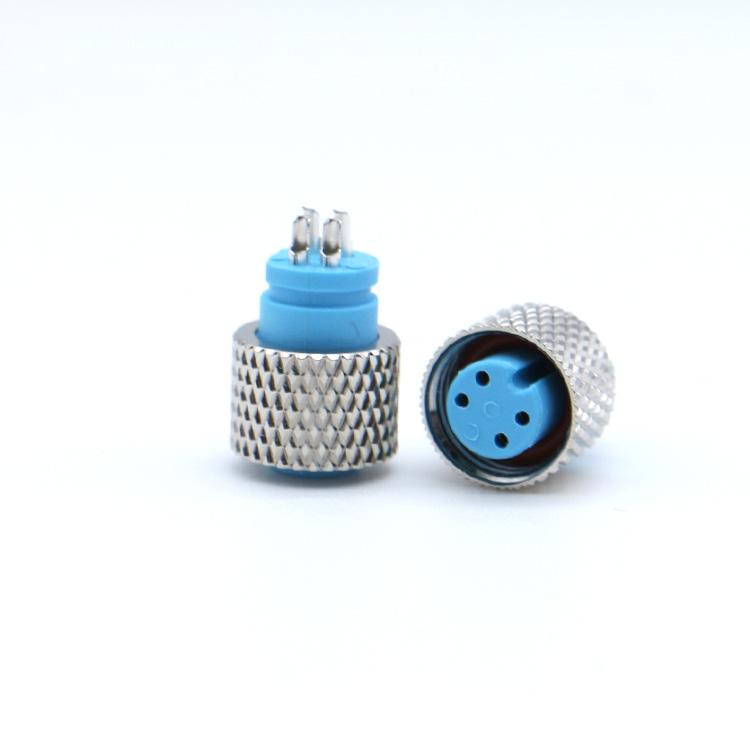
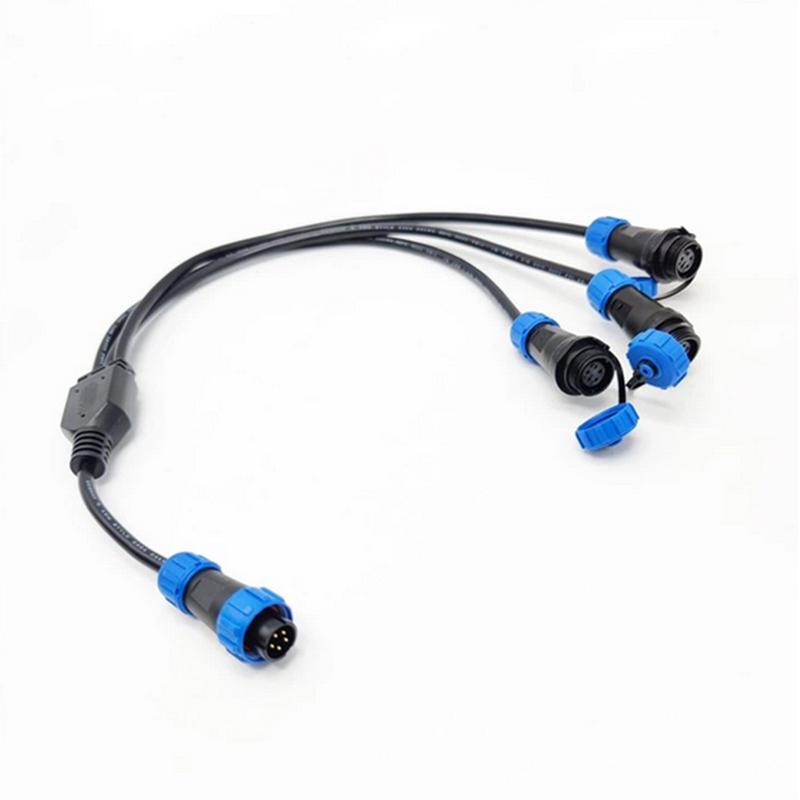
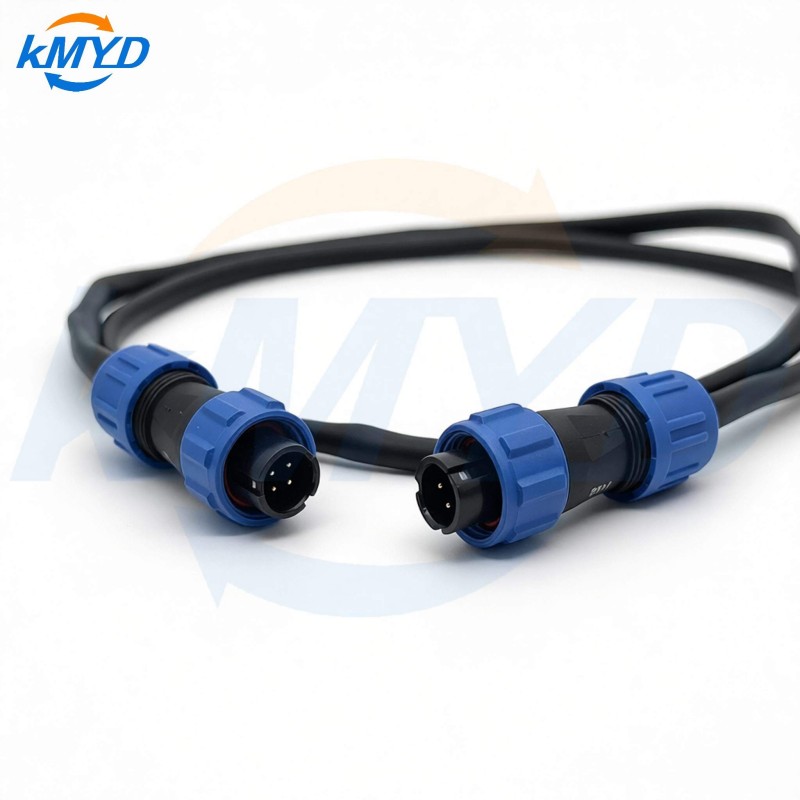
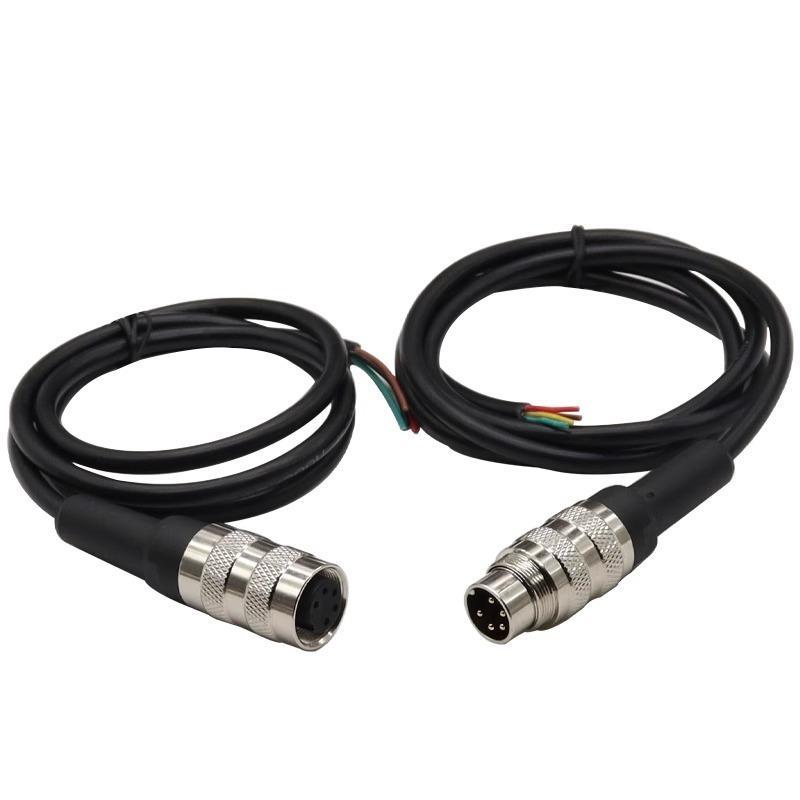
KMYD's M8 pre-wired product listing describes gold-plated brass contacts. That is a useful starting point for requesting the offered configuration's contact-finish document. It is not a measurement of the sample and does not establish compatibility with an unidentified tin-plated receptacle.
Send the supplier the counterpart reference and relevant service conditions, especially mating frequency, movement and exposure at the connection. Request a response about that identified pair. A general statement that gold is a premium option does not answer whether it is appropriate against the proposed opposing surface.
Do not make an undocumented treatment part of the solution
Some connector systems use a manufacturer-specified lubricant or surface treatment. Samtec discusses such options for particular contact systems; that is not an instruction to add a general-purpose lubricant to another connector. Any treatment proposed for the M8 pair needs the selected manufacturer's approval and a defined application process.
Likewise, polishing, scraping or repeatedly mating a contact until a measurement improves does not establish that the original finish combination is suitable. If an existing connection is damaged or its finish is uncertain, refer it for the appropriate product assessment rather than create a new, undocumented contact surface.
Close the review by recording the approved male and female part references together, their mating-area finishes and any conditions attached to the supplier's confirmation. Put finish changes into the substitution process for future orders. The spare cable can then be matched to a known counterpart, with an approval that covers the contact pair instead of only the connector size.
Technical context: Samtec's contact-plating FAQs, fretting-corrosion discussion and product-specific treatment considerations.




 Tel: +8619924482730
 Email: info@kmydconnector.com
 MP/WhatsApp: +8619924482730
 Manufacturer Address:Baoan District, Shenzhen City, Guangdong Province,China