LD20/SP20 Heavy-Duty Square Connector
Project Background
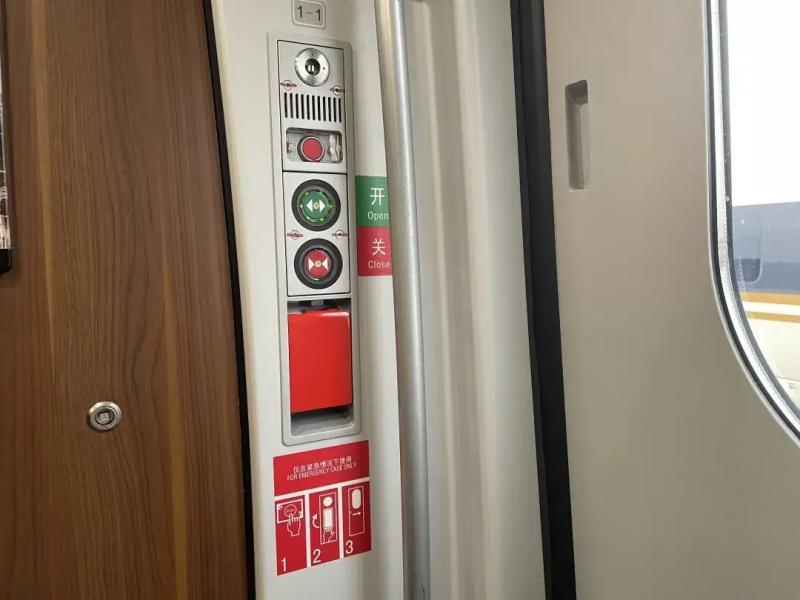
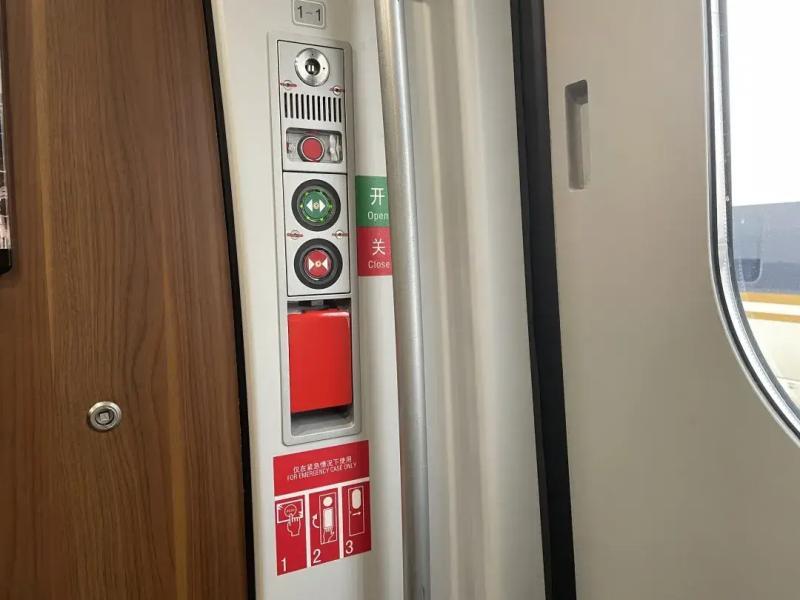
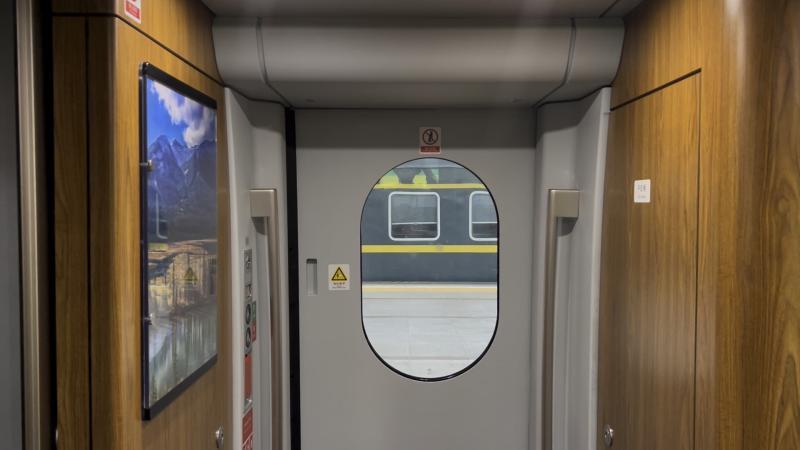
Train door control systems are critical components in rail transit, responsible for the safe and synchronized operation of doors across multiple carriages. These systems include control units, sensors, and actuator interfaces located within door modules. In Japan, where dense urban rail networks and high-frequency service demand exceptional reliability, the integrity of these control interfaces directly affects passenger safety and operational punctuality.
Due to the distributed nature of these systems, compact and serviceable connections are required. The confined spaces within door assemblies and the need for periodic maintenance make connector accessibility a key design consideration for rolling stock engineers and maintenance teams.
Application Requirements
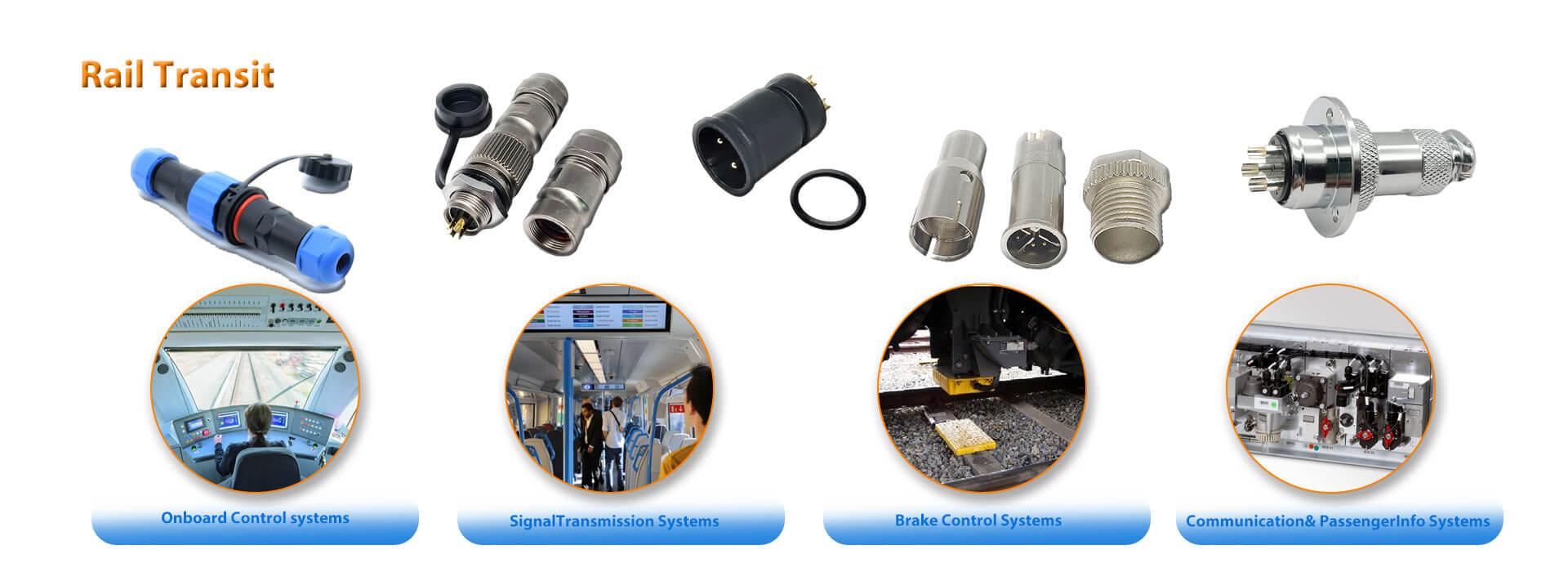
Push-pull connectors are used in localized interfaces within door control modules, particularly for signal transmission and maintenance access. They are not used for high-power actuation lines but are suitable for control signals and low-voltage connections. This distinction is important for engineers specifying interconnect solutions: the push-pull series handles the logic-level and sensor feedback circuits, while power circuits require a separate, higher-rated connector family.
Their compact design allows them to fit within restricted installation spaces inside door assemblies. The cylindrical, self-latching interface is well suited to the vibration profile of rail vehicles and the limited clearance available near door mechanisms.
Installation and Maintenance
During assembly and maintenance, technicians may need to access connectors in narrow compartments. The push-pull mechanism enables quick connection and disconnection without requiring rotational movement. This is a practical advantage in Japanese rail maintenance depots, where turnaround time between service intervals is tightly managed.
This simplifies servicing tasks, especially when visibility and access are limited. The straight-pull release action reduces the risk of damaging adjacent wiring or components, which is a common concern with threaded or bayonet-style couplings in confined spaces.
Operational Reliability
Once engaged, the connectors remain securely locked under normal vibration conditions associated with train movement. This helps maintain stable communication between control components, including door position sensors, obstacle detection systems, and the central door control unit.
At the same time, connectors can be released efficiently during maintenance procedures. The latching mechanism provides a clear tactile and audible indication of full engagement, reducing the likelihood of partial mating—a common root cause of intermittent signal faults in rail applications.
Outcome and Recommendation
In train door control interfaces, push-pull connectors provide a practical solution for compact, signal-level connections where ease of maintenance is important. For engineers evaluating interconnect options for rolling stock door systems, the push-pull series offers a balance of secure retention, space efficiency, and serviceability that aligns with the operational demands of Japanese rail networks.
For related high-density signal interconnection needs, the Aviation Plug Connectors series offers additional configurations. For heavier-duty power and control connections in rail auxiliary systems, the LD20/SP20 Heavy-Duty Square Connector provides a complementary solution.
To discuss your specific train door control interface requirements or request samples for evaluation, please contact our engineering team through the inquiry form or WhatsApp channel on this page.




 Tel: +8619924482730
 Email: info@kmydconnector.com
 MP/WhatsApp: +8619924482730
 Manufacturer Address:Baoan District, Shenzhen City, Guangdong Province,China