

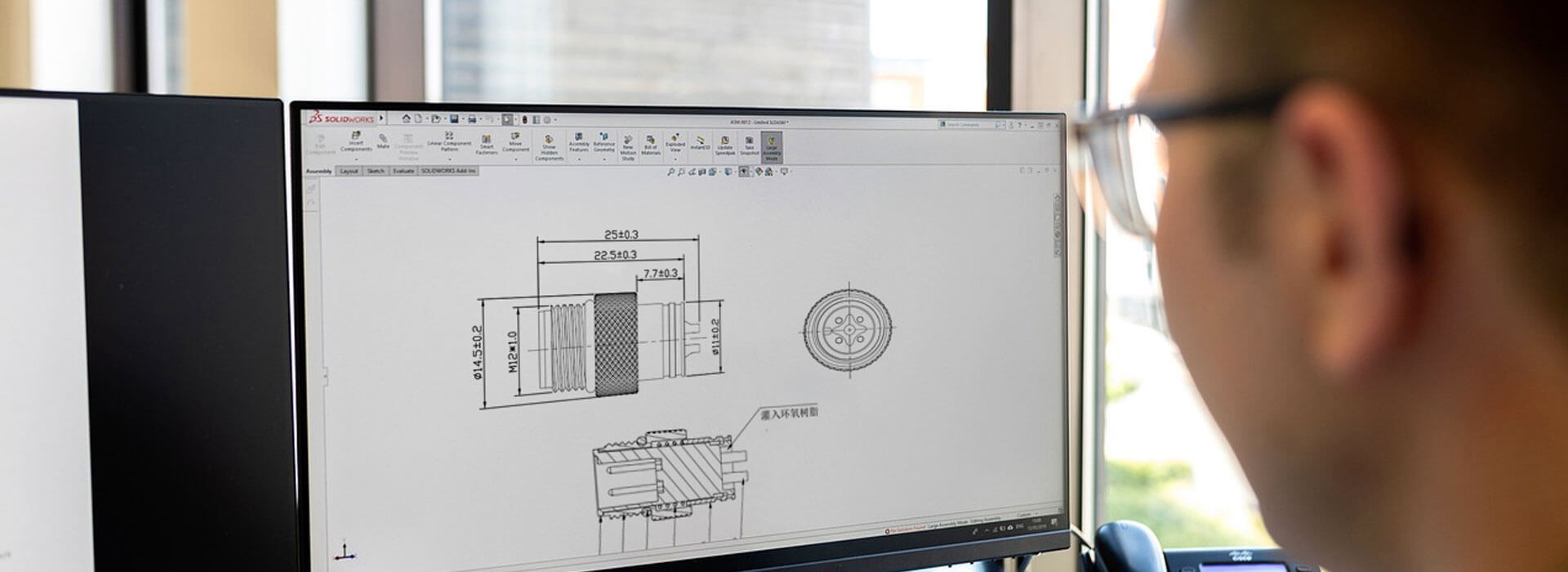
M8 cable connectors on a moving machine need qualification of the actual cable route, not just confirmation that the sample bends by hand. Define the movement, cable construction, installed geometry and expected duty, then agree what evidence will support that use. A test of loose cable can inform the decision but may exclude the finished ends and their installed motion. The result should identify exactly which route and assembly were evaluated, with any untested conditions stated.
“Repeated flex” needs a motion description
A sensor cable crossing a hinged cover, a lead traveling in a cable carrier and a cable turning with a rotating fixture do not experience the same movement. Calling all three “flexible connections” loses the distinction between occasional bending, repeated travel and twisting. Begin with the mechanism's intended motion, before choosing a cycle target or requesting a test report.
Draw the route at the positions that create its tightest curve, greatest extension and largest change of direction. Include normal travel, homing and service positions where they differ. A route that looks comfortable at the center of a machine's stroke may behave differently at the ends. Identify which parts of the cable move and which remain stationary.
Use the selected cable manufacturer's terminology for bending limits. Igus, for example, distinguishes fixed, flexible and cable-carrier conditions in its bend-radius guidance. A value published for a fixed installation is not automatically the permitted radius for repeated movement. Obtain the relevant condition from the proposed cable data instead of selecting a generic multiple of diameter.
Decide what the evidence must include
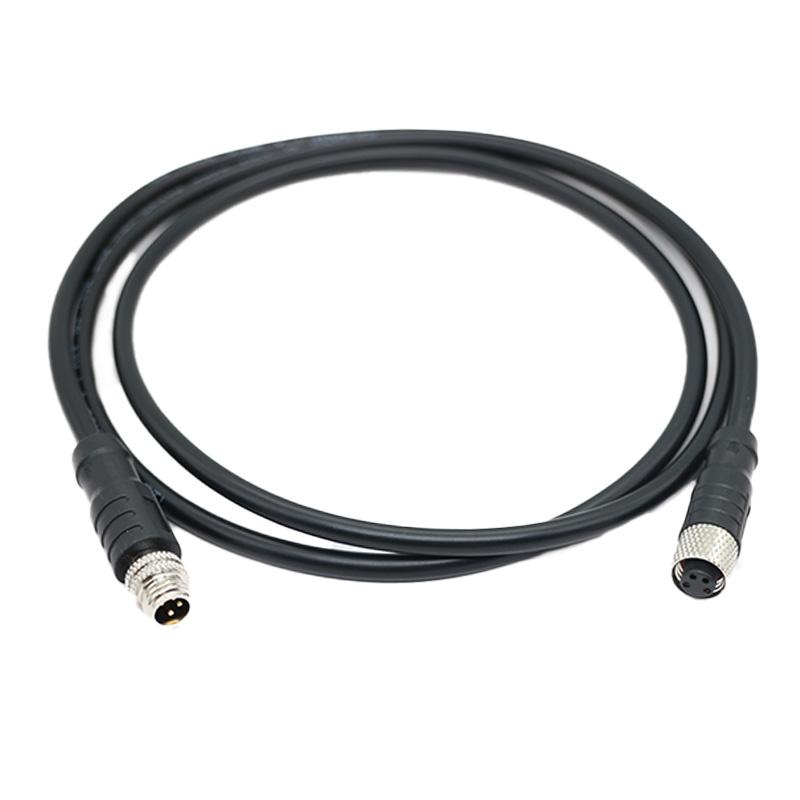
Separate the cable supplier's evidence from the machine builder's route evaluation. Cable data may describe a defined carrier, travel and environmental condition. Your installation may add connector ends, a different moving length or a change of orientation. Record those differences before treating the supplier's result as evidence for the finished connection.
Twisting deserves an explicit entry. A cable qualified for bending in one plane has not, by that fact, been qualified for torsion. Igus's cable-design guidance discusses linear and torsional applications separately. If the machine rotates a cable as it travels, tell the supplier how that rotation is distributed along the free length; the description “robot cable” does not define it.
Cable evidence
Which cable reference and motion conditions does the supplier's documentation cover?
Assembly evidence
Are the finished ends and the intended cable-to-connector transitions included?
Route evidence
Does the evaluated geometry represent the machine's full operating movement?
These can be separate records. They do not need to come from one laboratory, but their boundaries must join up. If a record ends at the bulk cable, avoid describing it as a successful test of the complete M8 assembly.
Write the qualification record before the trial
A useful plan lets another reviewer understand what was attempted without seeing the rig. Identify the sample assembly and cable revisions, the mounting arrangement and the route drawing. Then state the movement and environmental conditions that the responsible parties have selected. No universal cycle count is assigned by the M8 connector name.
| Record field | Question it answers |
|---|---|
| Motion sequence and duty | What constitutes one cycle, which positions are reached, and how are pauses or reversals represented? |
| Route and environment | What cable length, curvature, orientation and operating temperature are being evaluated? |
| Electrical observation | Which circuits or functions are monitored, when are they checked, and which interruption or change counts as a failure? |
| Physical inspection | Which areas are examined, at what stages, and what visible damage or displacement is unacceptable? |
| Completion and exclusions | What ends the evaluation, and which operating or service conditions are outside its scope? |
Agree the observation method as well as the pass condition. An electrical measurement taken only after the sample stops cannot describe every event during travel. If brief interruptions matter to the application, the test owner must choose suitable monitoring and record its detection limits. Conversely, an uninterrupted signal does not answer every mechanical or environmental question.

Release a route with conditions attached
Before the trial, compare the sample with the assembly specification. A successful evaluation of an unidentified substitute is hard to use when production begins. Keep the cable reference, end construction and route revision linked to the result. When a sample fails, retain the observations and failure location instead of resetting the counter after an undocumented adjustment.
After completion, separate what was observed from what is inferred. A specimen completing the agreed sequence is evidence for that configuration and method; it is not automatically a lifetime guarantee for every machine variant. Record the number of specimens, any changes during evaluation and the operating conditions not reproduced.
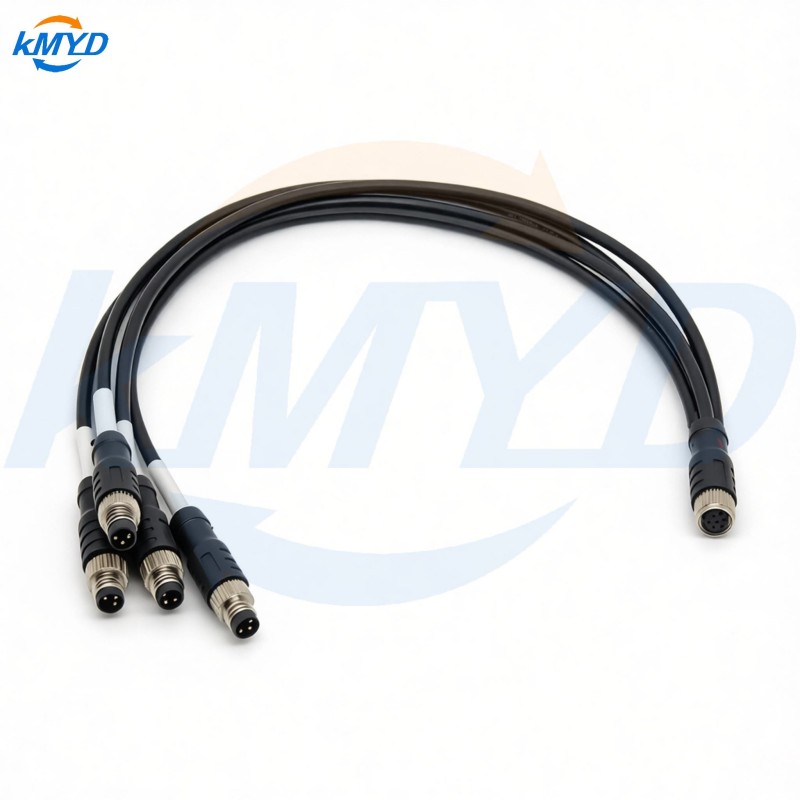
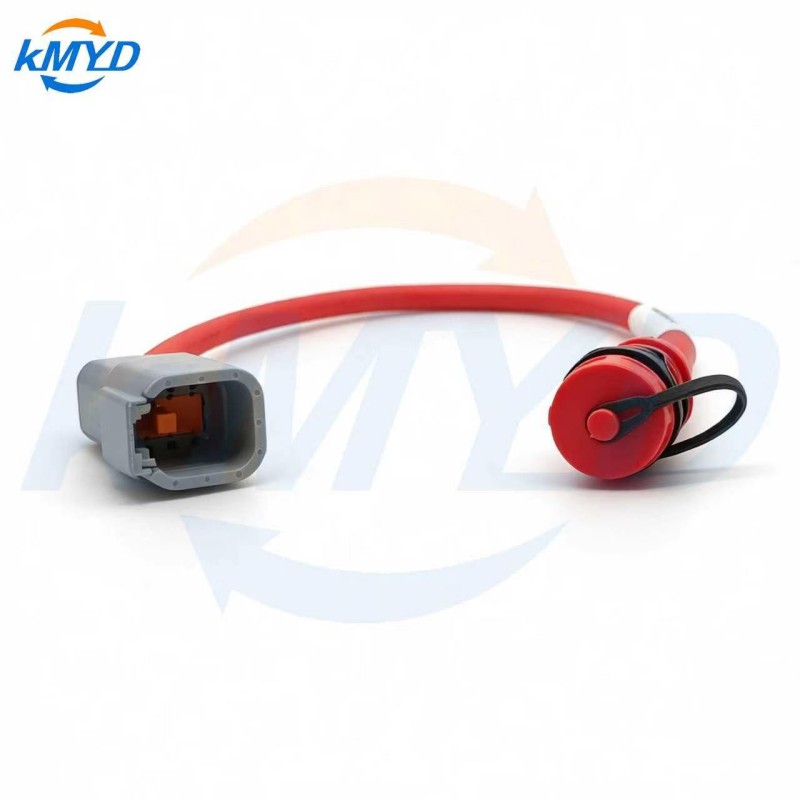
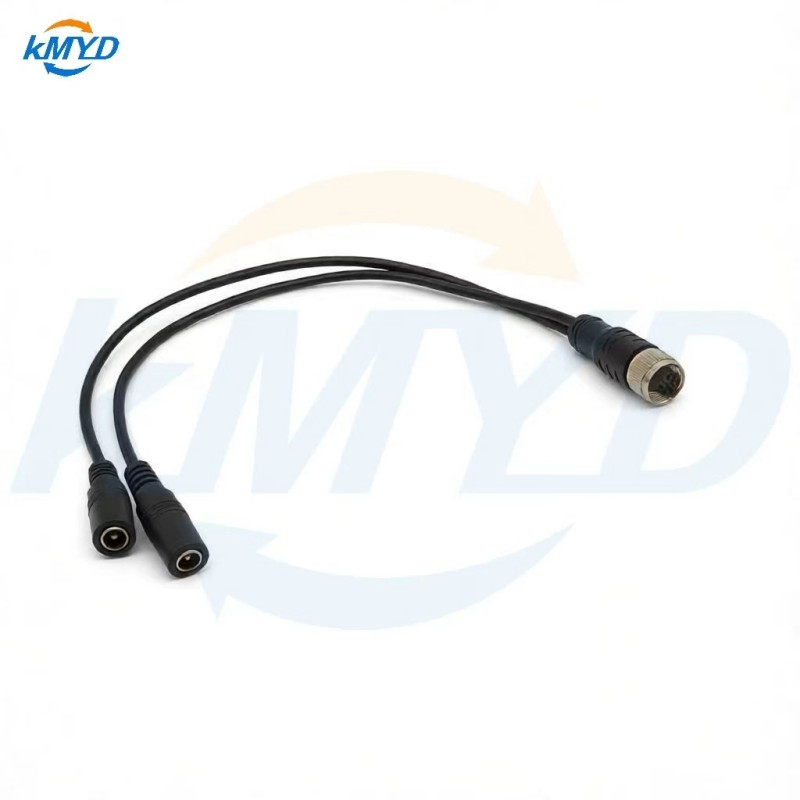
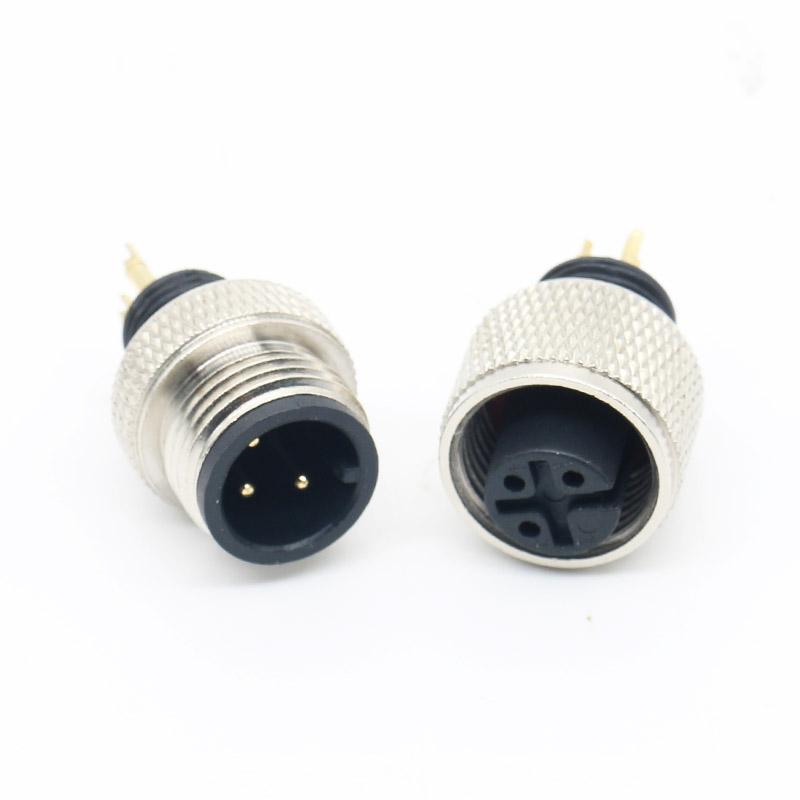
Use KMYD's pre-wired M8 cable product as a starting point when discussing an assembly for the route. Send the motion drawing and proposed qualification boundary with the inquiry. Ask for an identified cable candidate and evidence suitable for that movement, then retain the approved route revision with the machine documentation. A later change in cable, travel or connector orientation can then be assessed against a clear baseline.
Technical background: igus explanations of bend-radius conditions and its cable-design discussion of linear and torsional motion. These explain distinctions; they do not qualify a KMYD product.


 Tel: +8619924482730
 Email: info@kmydconnector.com
 MP/WhatsApp: +8619924482730
 Manufacturer Address:Baoan District, Shenzhen City, Guangdong Province,China