

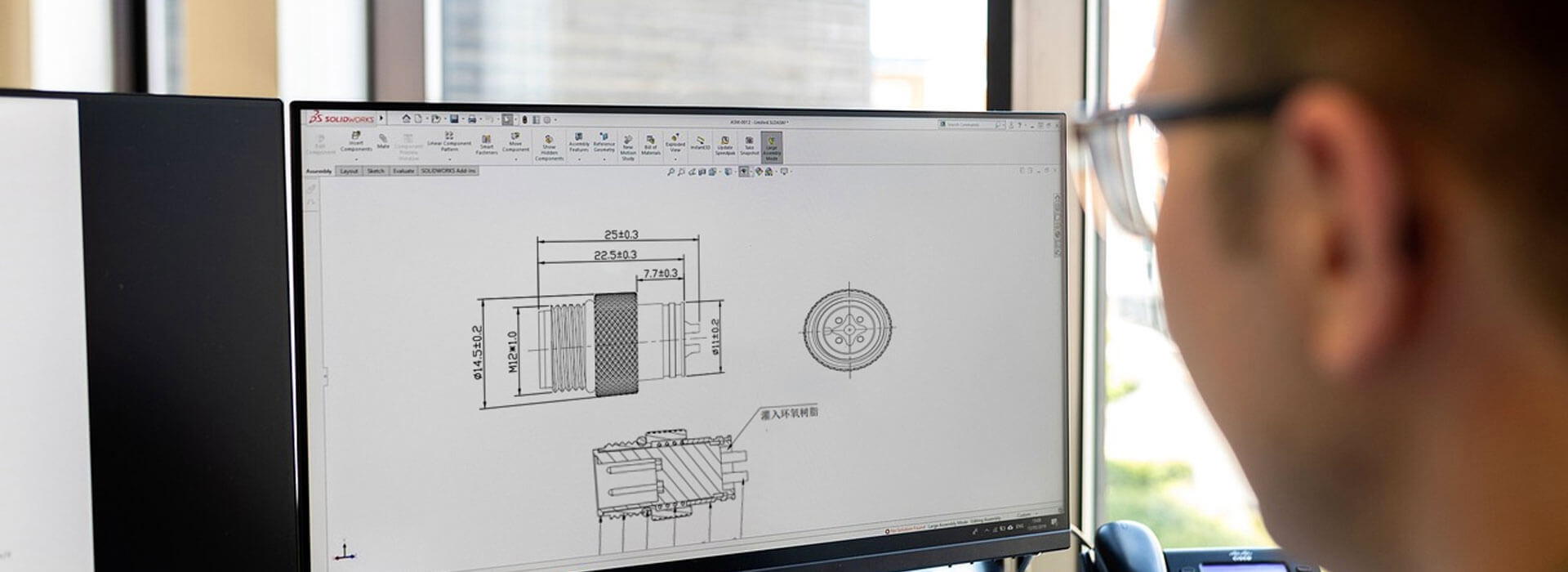
A fault that appears when an M8 cable bends points to a movement-sensitive connection, but it does not identify the failed component. The cable conductors, a termination, the mating interface and the equipment socket can all move together. Separate those possibilities by recording the affected location, inspecting the isolated assembly and, where permitted, substituting one verified component at a time. A signal that returns when the cable is held still is evidence to investigate, not proof that the connection is fit for service.
Record what moved before disturbing the connection
Start with the fault already observed: a sensor indication disappeared, an input became intermittent, or a device reported a connection error. Note the machine position and the part of the cable that was moving. “Fails when bent” is less useful than “the indication changes when the free cable crosses the bracket beside the connector.” Keep observations separate from proposed causes.
Record whether the coupling, cable entry, sensor body or nearby clamp also moved. Photograph the route before removing ties or supports. If the cable had recently been replaced or the machine layout changed, retain those details with the assembly identity. Moving the route to reach the connector can remove the original condition before anyone has understood it.
Do not create a fault by repeatedly flexing a live cable on an operating machine. Isolate the equipment under its approved maintenance procedure before handling the connection. Any controlled functional observation that requires power belongs to the equipment owner's authorized diagnostic process.
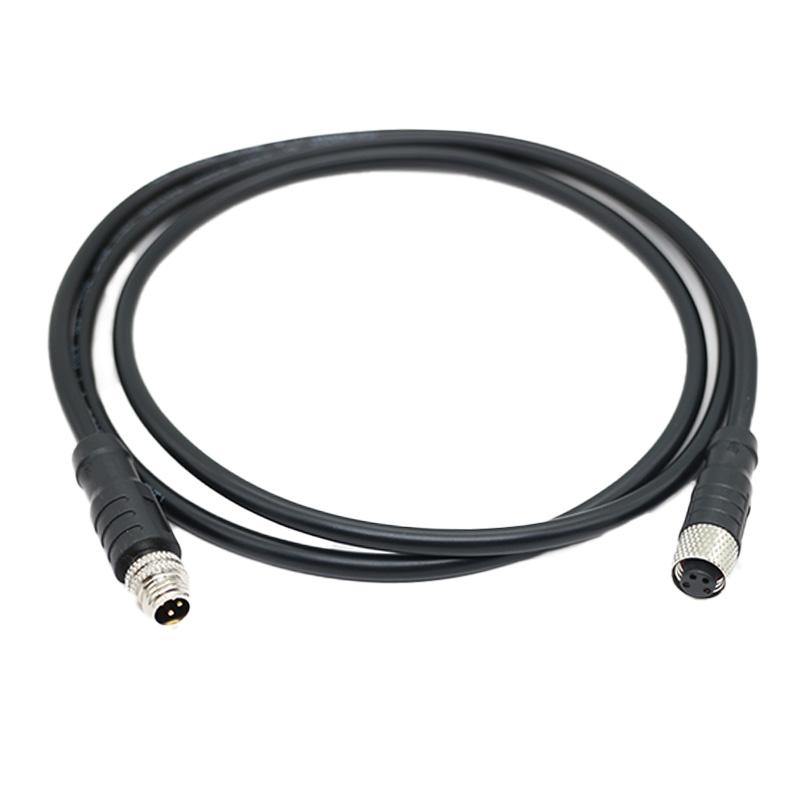
Three locations can produce a similar symptom
Work along the physical route without assuming that the connector nearest the fault message is responsible. A damaged conductor may make contact in one position, while movement at a plug can disturb an already compromised termination or mating connection. These are possible explanations, not a diagnosis from appearance.
| Observed location | Evidence worth preserving | What the observation cannot prove |
|---|---|---|
| Free cable span | A kink, worn jacket, compressed tie location or contact with an edge | Which conductor is affected, or whether an intact-looking jacket conceals damage |
| Cable-to-connector transition | Movement entering the housing, displaced cable support or visible separation | Whether the cause lies in the conductor, termination or retention parts |
| Mated interface or equipment socket | A loose mounting, damaged locking feature, contamination or a visibly displaced contact | That tightening the coupling will repair the underlying defect |
Inspect only surfaces accessible through the permitted service procedure. Avoid forcing probes into small sockets or opening a molded cable end to “check inside.” Disassembly can damage the contacts, alter sealing and destroy evidence needed for a supplier examination.
Make a substitution answer one question
A known serviceable spare is useful only when its complete interface, wiring and circuit suitability have been checked. A spare with the same M8 label or contact count is not enough. Identify both ends and the approved assembly reference before connecting it.
When equipment instructions allow substitution, replace the suspect cable while keeping the permitted test conditions as comparable as practical. If the fault disappears, record that the result implicates the removed assembly or its disturbed connections. It does not yet establish an internal conductor fracture. Remating may also have changed contact conditions, and the replacement may follow a different route.
If the symptom remains, retain the cable result and investigate the device socket, sensor or controller through the corresponding maintenance guidance. Changing the cable, sensor, socket and route together may restore operation, but it leaves no clear basis for deciding which part to replace across similar equipment.
A continuity check made while the cable is stationary can miss a movement-dependent interruption. Conversely, a continuity result does not establish signal quality or safe service under every operating condition. Agree the diagnostic method with the equipment or assembly supplier; do not apply an improvised high-voltage test to connected electronics.
Check the route before ordering the same cable again
Separate a fixed installation bend from a bend repeated during every machine cycle. Also record whether the cable twists, slides across an edge or hangs from the connector. A cable described as flexible is not, by that word alone, qualified for the particular repeated motion.
Use the specified cable's bend and motion documentation, together with the connector's installation instructions. Phoenix Contact's instructions for one of its own M8 connectors explicitly address bend limits and reducing load before it reaches the connector. That principle is useful here; its product dimensions and installation values are not specifications for a KMYD assembly.
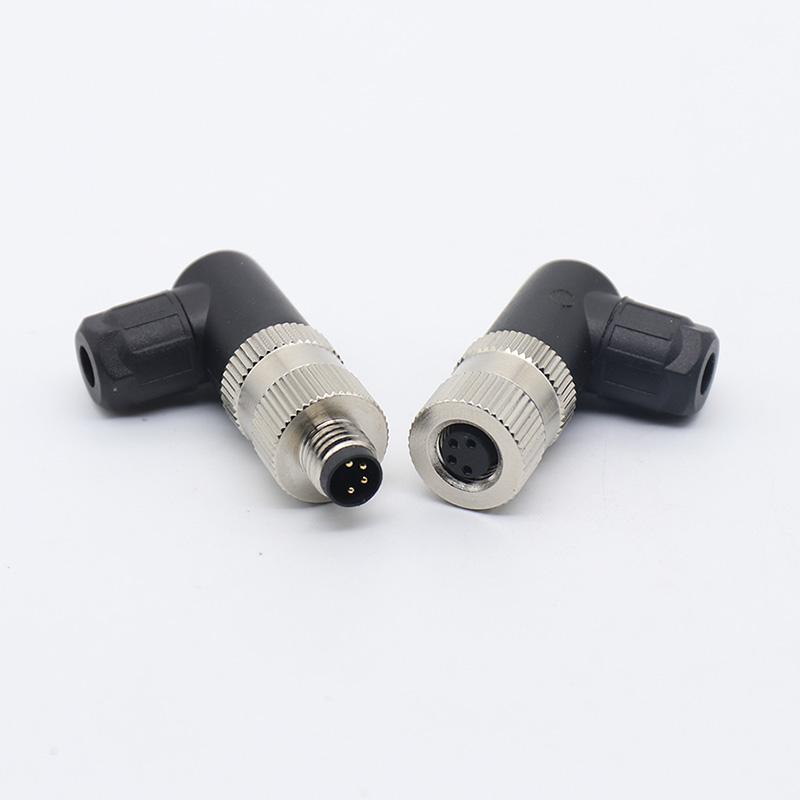
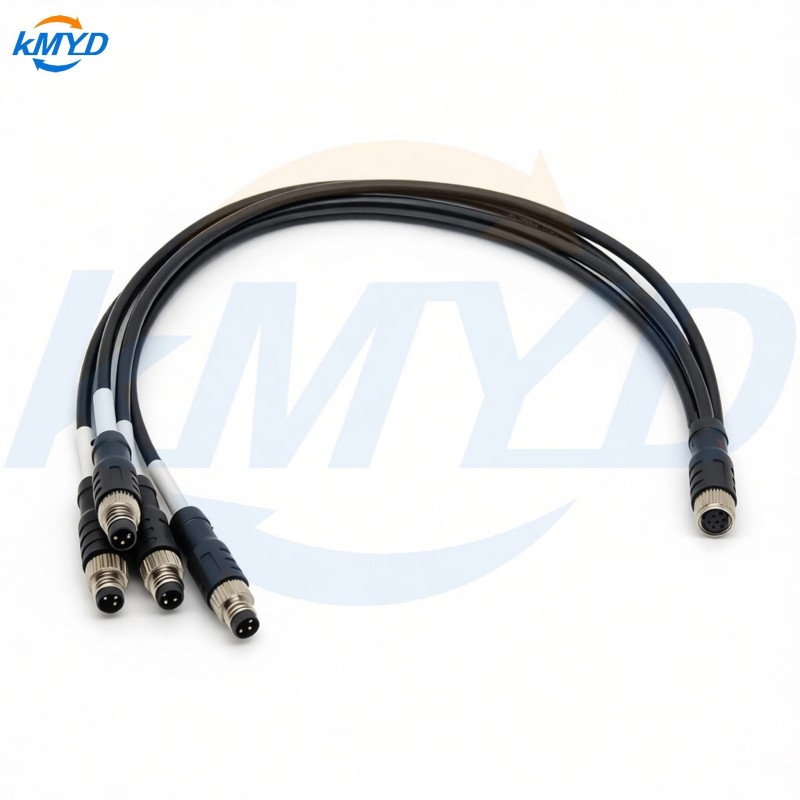
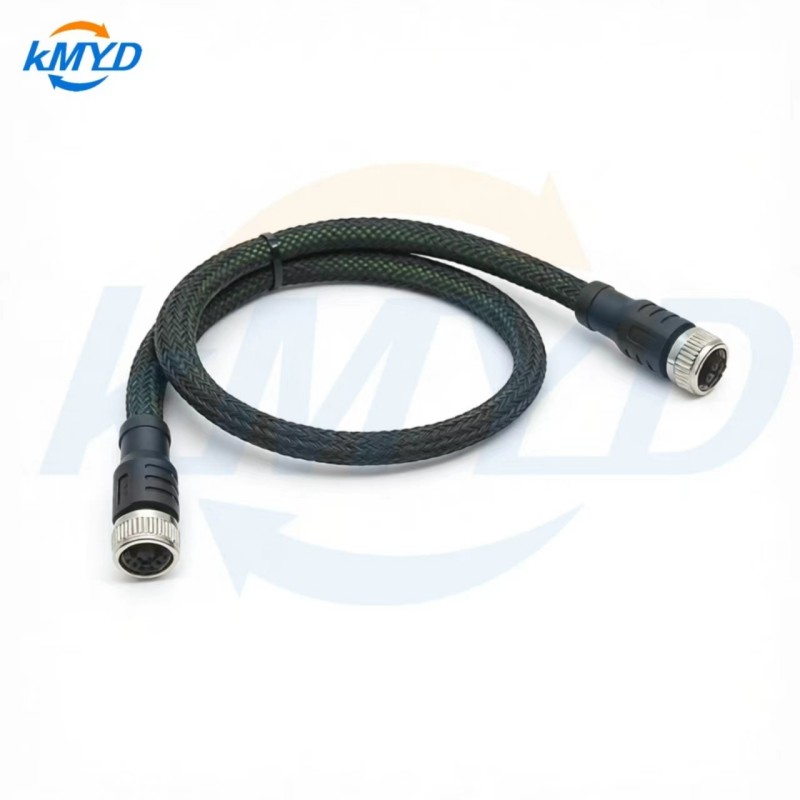
KMYD's pre-wired M8 listing and right-angle assembly connector listing provide product routes for a replacement inquiry. Send the observed route, the fault location and the exact assembly identification. Ask whether the proposed cable and end construction are documented for that motion before repeating the original arrangement.
Return the evidence with the failed assembly
Keep the removed item identified and out of service pending assessment. Attach the symptom record, photographs taken before disturbance, substituted part reference and the result of each authorized check. Tell the supplier which conditions were not reproduced. This gives the examination a defined question: whether the fault follows the cable assembly, the interface or the installation, and what change must be verified before the replacement is accepted.
Technical context: M8 assembly notes on bending and upstream mechanical loads. Manufacturer-specific data remain limited to the cited product.


 Tel: +8619924482730
 Email: info@kmydconnector.com
 MP/WhatsApp: +8619924482730
 Manufacturer Address:Baoan District, Shenzhen City, Guangdong Province,China