In modern industrial automation, sensors, actuators, and field devices are widely distributed across production lines. Efficiently collecting and transmitting their signals and power to a central controller is critical for reliable system operation. Waterproof M12 distribution boxes simplify wiring, enhance signal reliability, and improve system scalability in these environments.
This article provides a detailed overview of M12 distribution boxes, including definitions, working principles, types, and key factors for selecting the right solution.
What Is a Waterproof M12 Distribution Box?
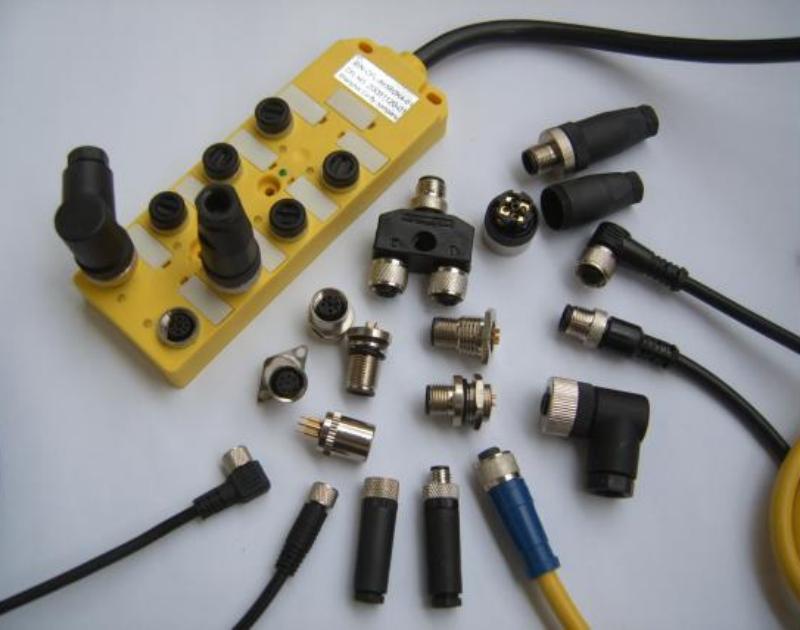
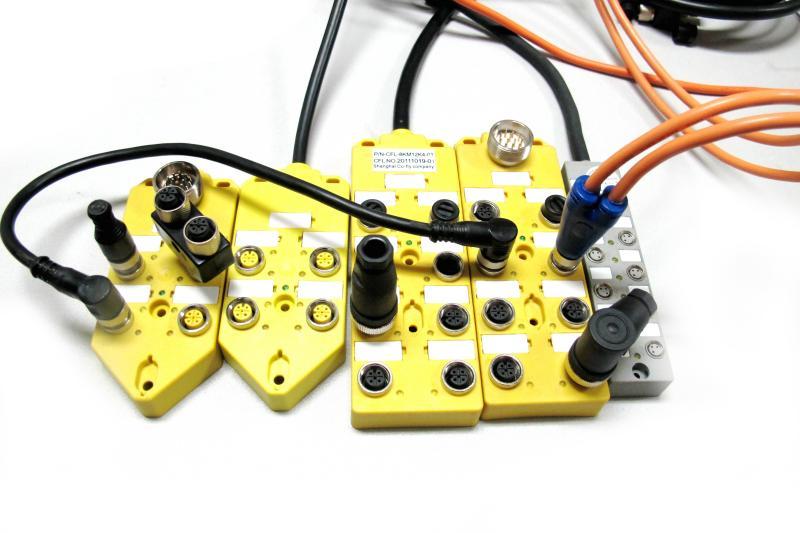
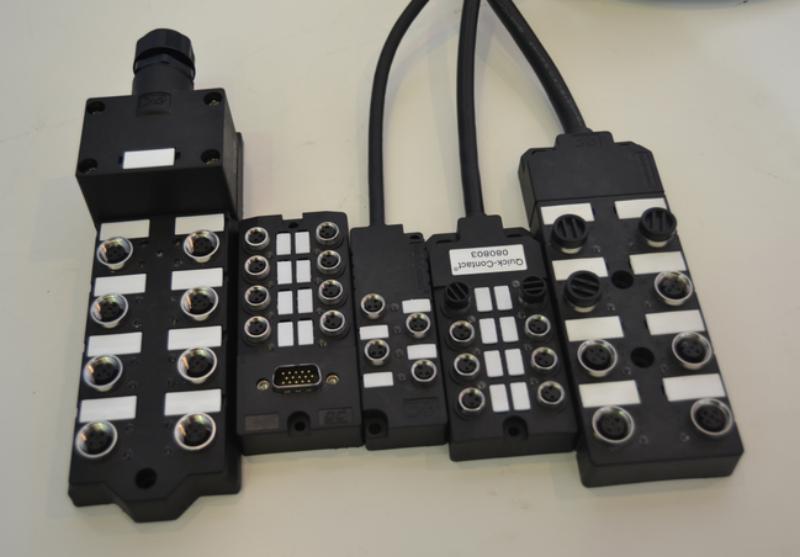
A waterproof M12 distribution box (also called an I/O hub, junction box, or field distribution module) is a device used to centralize signal and power connections in industrial systems.
Key Features
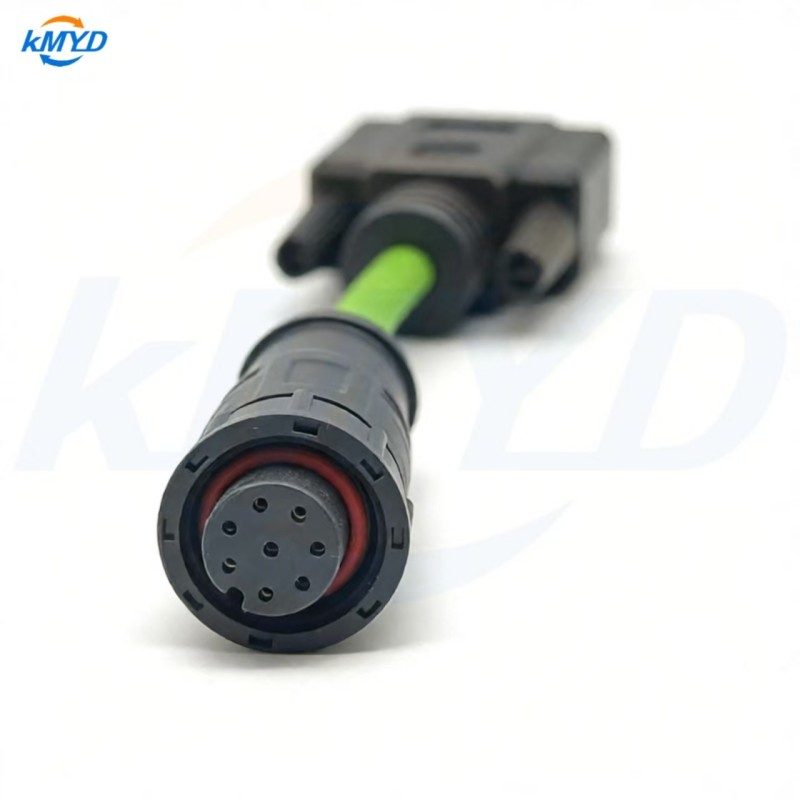
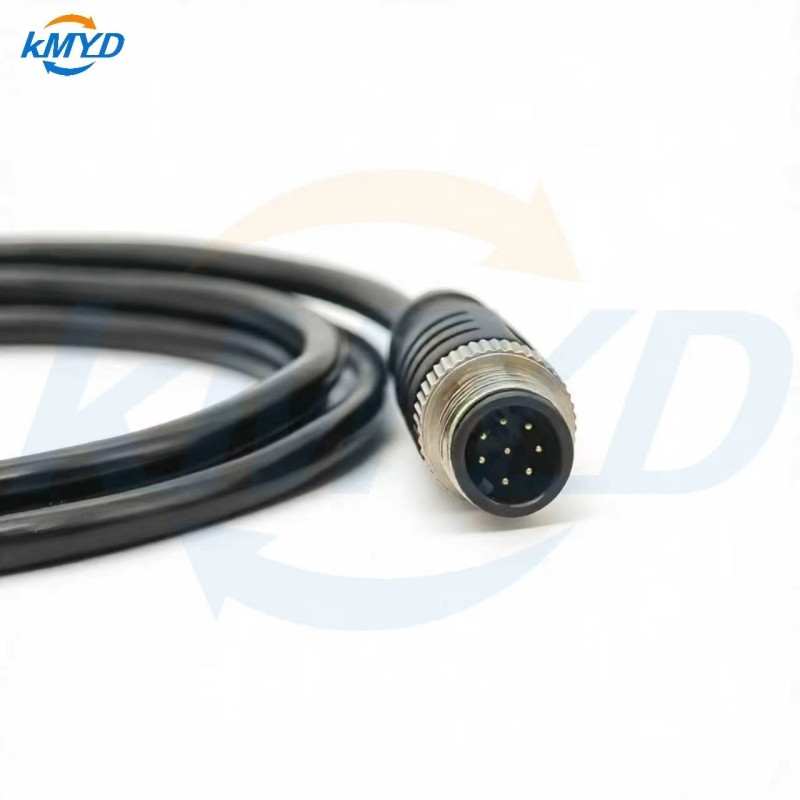
Main Bus Connection: Typically via M12 or M23 connector, linking the box to a PLC or fieldbus coupler.
Multiple M12 Ports: Usually 4, 6, or 8 ports for connecting nearby sensors, actuators, or small devices.
Signal Consolidation: Simplifies traditional point-to-point wiring by consolidating multiple field device connections into a single communication and power interface.
Understanding the Name
Waterproof: Designed to meet IP67, IP68, or IP69K ratings, allowing installation in harsh environments with moisture, dust, oil, coolant, or high-pressure washdowns.
M12: Refers to the widely adopted circular M12 connector, featuring secure threaded locking, flexible pin configurations (3–12 pins), and reliable signal/power transmission.
Distribution Box (Bus): Indicates support for industrial communication protocols such as PROFINET, EtherCAT, EtherNet/IP, IO-Link, and CANopen/DeviceNet. Advanced boxes often include internal electronics for signal processing and diagnostics.
Types of M12 Distribution Boxes
1. Passive Distribution Boxes
Working Principle: No internal electronics; signals are mapped or paralleled directly from ports to the main cable.
Advantages:
Simple design
No external power required
Lower cost
Limitations:
No diagnostic capability
Limited transmission distance
Suitable for basic digital signals
2. Active (Intelligent) Distribution Boxes
Working Principle: Equipped with internal I/O circuits and communication chips, functioning as remote I/O modules.
Features:
Support for industrial protocols (PROFINET, EtherCAT, IO-Link)
Before requesting a quote, prepare the following details to ensure the distributor matches your system:
Required protocol (PROFINET, EtherCAT, IO-Link, etc.) and PLC brand
Number of ports and pin count per port (e.g., M12 A-coded 4-pin or 5-pin)
Sensor/actuator type: PNP or NPN, digital or IO-Link
Total current draw and supply voltage (e.g., 24 V DC)
IP rating needed and washdown frequency
Mounting style: direct panel mount, bracket, or DIN rail
Main cable length and connector type (M12 or M23)
Frequently Asked Questions
What is the difference between a passive and an active M12 distribution box?
A passive distribution box simply maps or parallels signals from its ports to the main cable without internal electronics. It requires no external power and is lower in cost, but it offers no diagnostics and is best suited for basic digital signals. An active box contains I/O circuits and communication chips, functioning as a remote I/O module that supports industrial protocols, port-level diagnostics, and real-time PLC communication.
Which M12 coding should I use for power distribution?
For power supply to IO-Link devices, T-coded M12 connectors are commonly used. For higher current capacity needed by actuators and heavy loads, L-coded connectors are the typical choice. The correct coding depends on the current draw of your connected devices and the supply architecture of your system.
Can an M12 distribution box support IO-Link devices?
Yes. Active distribution boxes with hybrid ports can support both standard digital signals and IO-Link devices. When selecting a box for IO-Link, verify that the port configuration and protocol support match your IO-Link master and device requirements.
What IP rating do I need for washdown environments?
For standard industrial use with occasional moisture or dust, IP67 is typically sufficient. In food and beverage or other applications that require frequent high-pressure water and chemical cleaning, an IP69K-rated box is recommended. Confirm the rating with the supplier against your actual washdown frequency and cleaning agents.
How many devices can I connect to one M12 distribution box?
Common configurations offer 4, 6, or 8 M12 ports. The number of devices you can connect depends on the port count, the pin configuration per port, and the total current capacity of the box. Check the current rating per port and the total current budget before finalizing your layout.
Conclusion
Waterproof M12 distribution boxes are essential components in industrial automation, streamlining wiring, improving reliability, and enabling efficient communication between field devices and control systems.
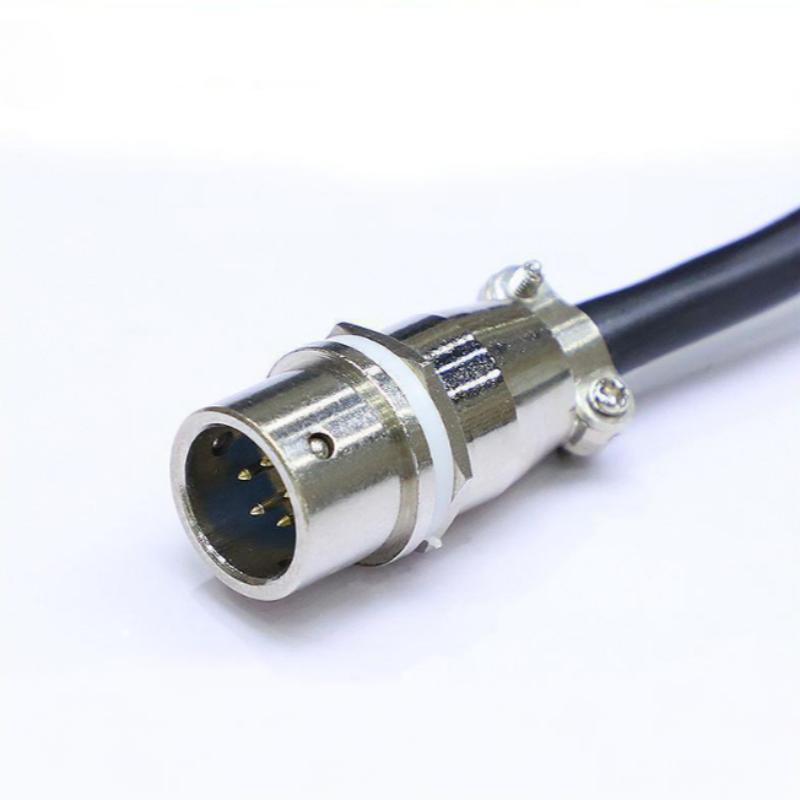
By selecting the right combination of protocol support, port configuration, and environmental protection, engineers can reduce installation complexity, simplify maintenance, and enhance overall system performance. For related connector options, review the Waterproof Connectors range or explore the LD20/SP20 Industrial Flange Connector for panel-mount requirements.




 Tel: +8619924482730
 Email: info@kmydconnector.com
 MP/WhatsApp: +8619924482730
 Manufacturer Address:Baoan District, Shenzhen City, Guangdong Province,China