Choosing the right M8 connector for industrial automation starts with matching the interface to your sensor, actuator, or control device, then verifying the pin count, electrical ratings, environmental protection, and cable or panel mounting style against your actual operating conditions. The M8 connector is a compact circular interface with an 8 mm nominal thread, widely used where space is limited but reliable signal and low-power transmission are still required.
M8 Connector Basics: Interface, Pin Count, and Typical Use
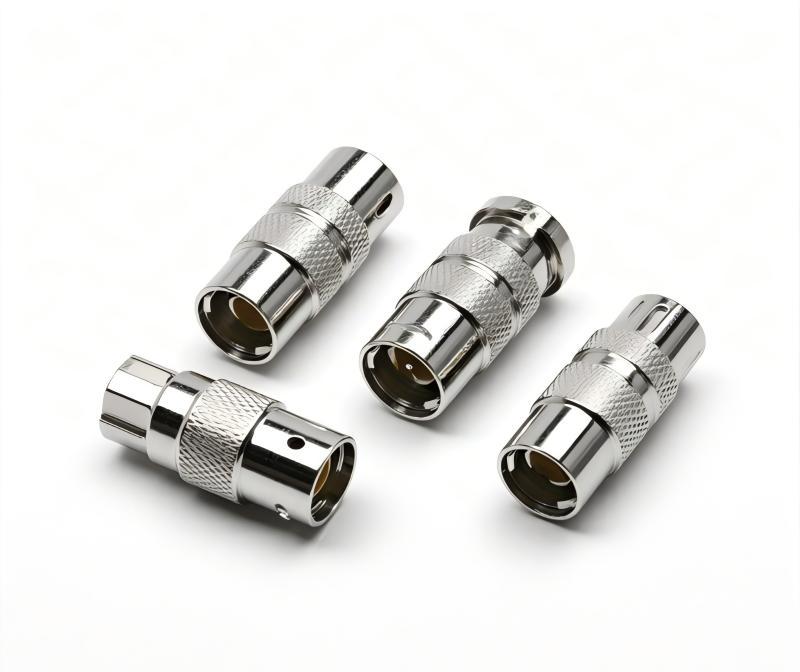
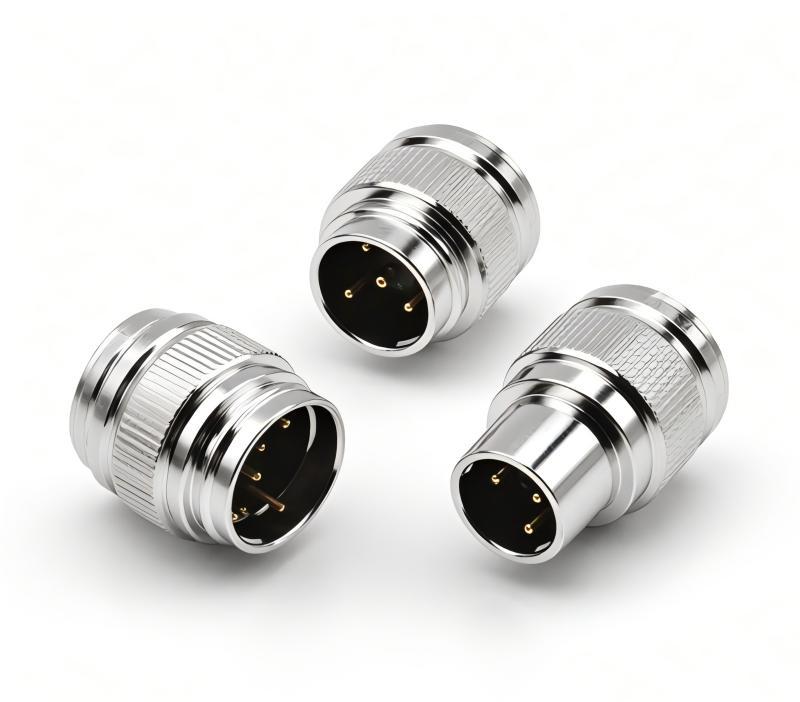
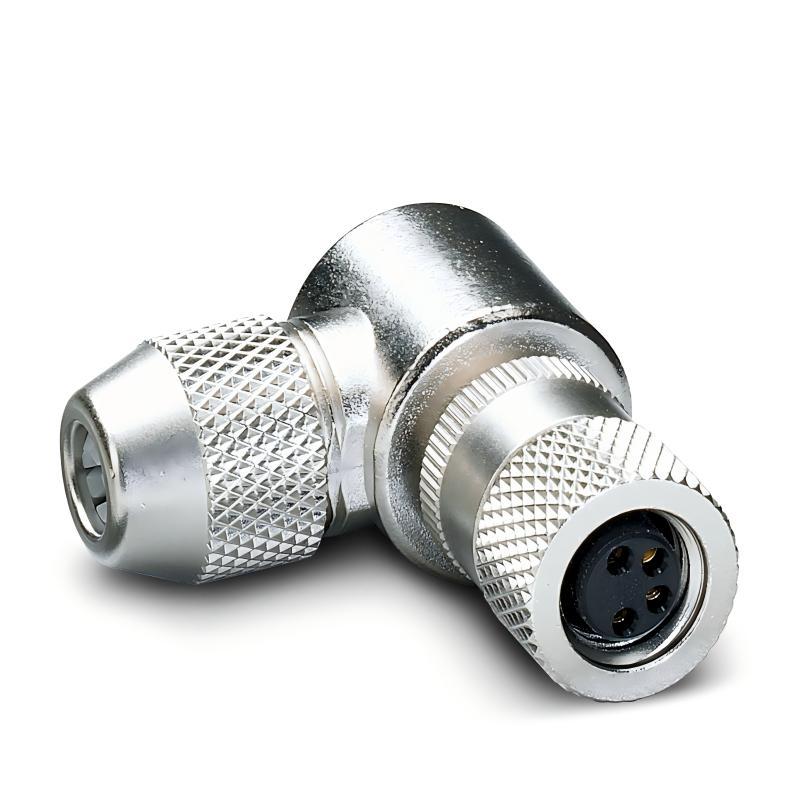
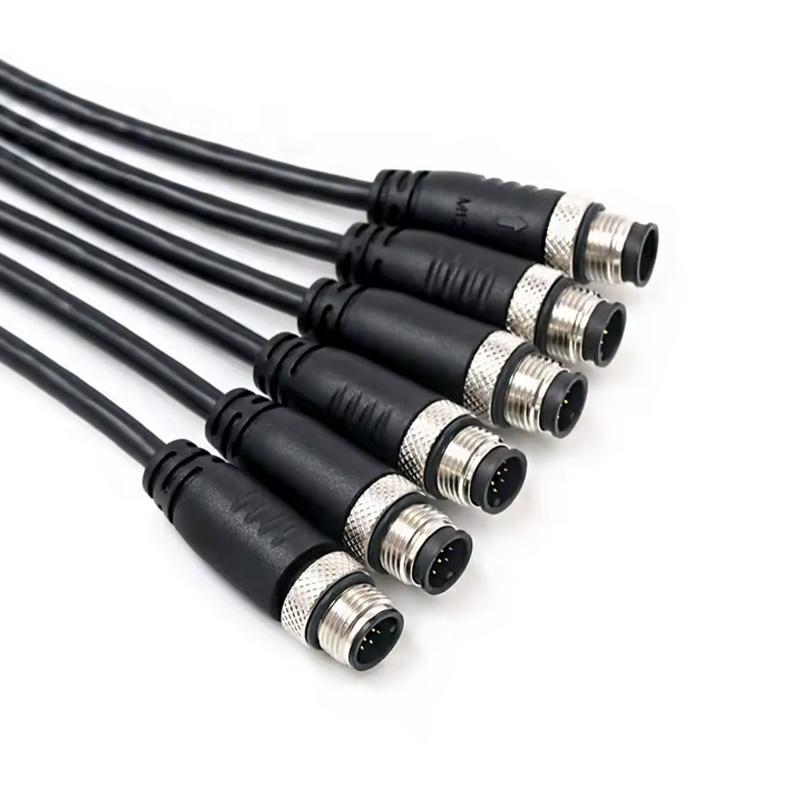
The M8 connector is a circular industrial connector named for its 8 mm nominal coupling thread. It is smaller than the M12 connector and is typically specified for space-constrained applications that require signal transmission, low-current power, or both. Common configurations include 3-pin, 4-pin, and 5-pin versions, although other pin counts may be available depending on the manufacturer. The M8 interface is not a single universal standard; pin assignment, coding, and electrical ratings can vary by series and manufacturer, so the mating connector and pinout must be confirmed from the drawing or datasheet before installation.
In practice, M8 connectors are used to connect sensors, actuators, and control devices in industrial automation systems. Their compact size allows higher wiring density in control cabinets and machine interfaces, while their circular threaded coupling provides a more secure connection than a simple push-in connector in vibration-prone environments.
Key Selection Criteria: Pins, Electrical Ratings, and Environment
Selecting the correct M8 connector requires a structured review of the application requirements. The first step is to confirm the number of pins needed. A 3-pin connector is often used for simple sensor signals, a 4-pin version may carry signal plus power or a differential pair, and a 5-pin version is common for more complex sensor or actuator wiring. The pin count determines what the connector can carry, but it does not by itself define the electrical rating.
Next, verify the rated current and voltage. M8 connectors are generally intended for signal and low-power applications, not high-current power distribution. The exact current and voltage ratings must be taken from the manufacturer's specification for the specific series and contact configuration. Do not assume that a larger pin count means a higher current rating.
Environmental protection is another critical factor. Many M8 connectors are available with an IP67 rating, which indicates protection against dust ingress and temporary immersion in water. However, the IP rating applies to the connector when properly mated and, where applicable, with the specified cable or panel seal. An unmated connector or an incorrectly assembled cable gland may not provide the same protection. For applications with moisture, dust, or washdown, confirm the IP rating of the complete assembly, not just the connector body.
Applications in Automation: Sensors, Robotics, and Control Systems
M8 connectors are commonly found in manufacturing plants where sensors connect to control systems for process monitoring and machine control. They are used in temperature regulation, pressure monitoring, and motion control applications where the signal path must be reliable and the connector must fit into a confined space.
In robotics, M8 connectors transmit signals between the robot controller and its sensors or end-of-arm tooling. The compact size and secure locking mechanism help maintain signal integrity during movement and vibration. M8 connectors are also used in conveyor systems, industrial cameras, and other automated equipment that requires dependable data communication and low-power distribution.
Installation and Maintenance: Alignment, Torque, and Inspection
Proper installation of an M8 connector begins with correct alignment. The keying or coding of the connector must match the mating receptacle; forcing a misaligned connector can damage the pins or the coupling threads. When tightening the coupling nut, use the specified torque if one is provided. Over-tightening can stress the threads or the cable gland, while under-tightening can lead to loosening under vibration.
For field-wireable versions, follow the manufacturer's instructions for stripping, crimping, or soldering the contacts. The cable diameter must be within the range accepted by the cable gland or strain relief. A cable that is too thin or too thick for the gland will not seal properly and may compromise the IP rating.
Regular maintenance should include visual inspection for signs of wear, corrosion, or physical damage. Check that the locking mechanism is intact and that the cable is not pulled taut at the strain relief. If any damage is found, replace the connector promptly to avoid intermittent signals or system downtime.
Common Mistakes and How to Avoid Them
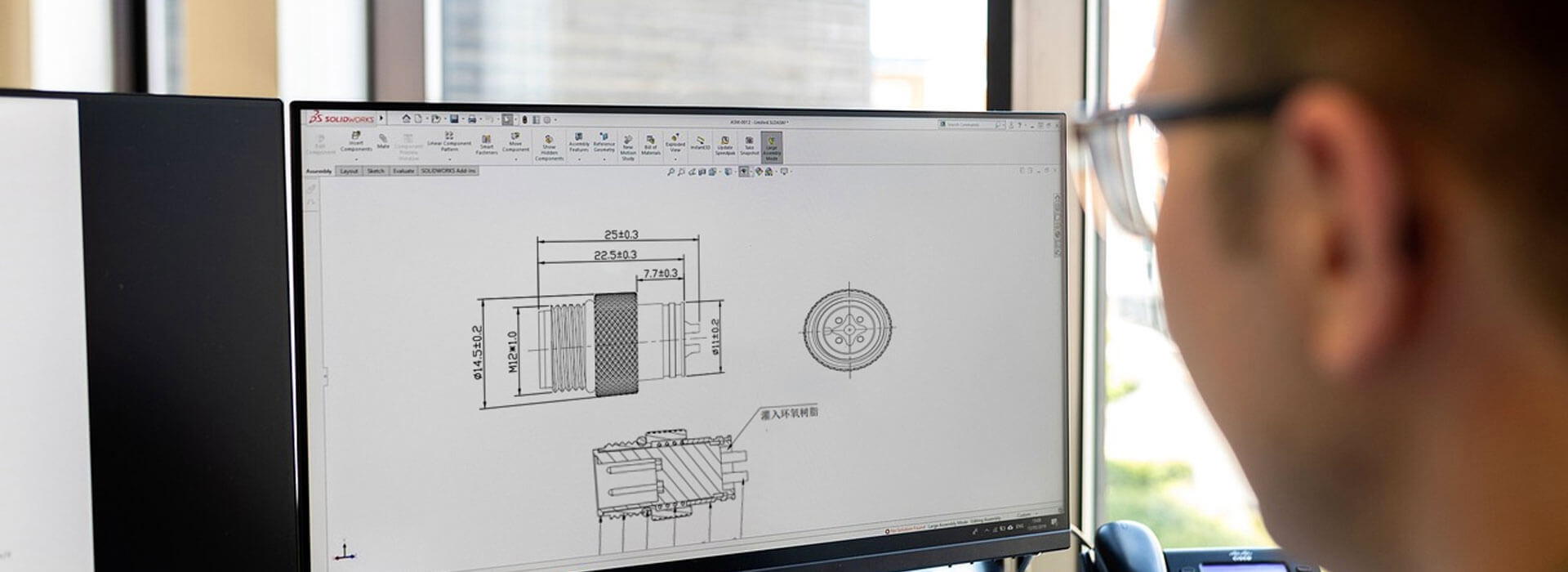
One of the most frequent errors is selecting an M8 connector based only on the thread size without verifying the pinout and coding. Two M8 connectors from different series may have the same thread but incompatible pin assignments or keying. Always confirm the mating interface from the drawing or datasheet.
Another common mistake is underestimating the environmental requirements. Choosing a connector with an insufficient IP rating for a high-moisture or dusty environment can lead to premature failure. Conversely, specifying a higher IP rating than needed may add cost without benefit. Match the IP rating to the actual installation environment, including the unmated condition if the connector is frequently disconnected.
A third mistake is using an M8 connector for a current load that exceeds its rating. M8 connectors are not designed for high-power distribution. If the application requires more current than the M8 can safely carry, consider a larger interface such as an M12 connector. For a comparison of M12 options, see the M12 Circular Connectors by Type and Core Count.
Frequently Asked Questions
Frequently Asked Questions
What is the difference between M8 and M12 connectors?
The primary difference is the nominal thread size: M8 has an 8 mm thread, while M12 has a 12 mm thread. M12 connectors are generally larger and can accommodate more pins and higher current ratings. M8 connectors are chosen when space is limited and the application requires signal or low-power transmission.
How many pins can an M8 connector have?
Common M8 connector configurations include 3-pin, 4-pin, and 5-pin versions. Some manufacturers may offer other pin counts. The required number of pins depends on the signal, power, and shielding needs of the connected device.
Are all M8 connectors IP67 rated?
No. The IP rating varies by series and manufacturer. Many M8 connectors are available with IP67 protection, but the rating applies to the mated assembly with the correct cable and seal. Confirm the IP rating for the specific connector and cable assembly you intend to use.
Can an M8 connector be used for power transmission?
M8 connectors are primarily intended for signal and low-power applications. The rated current is typically lower than that of larger connectors like M12. Check the manufacturer's specification for the maximum current rating before using an M8 connector for power.
How do I know if an M8 connector will mate with my existing device?
Verify the connector series, pin count, pin assignment, and coding from the device drawing or datasheet. The thread size alone does not guarantee compatibility. If the mating interface is not documented, request the drawing from the supplier before ordering.
Conclusion
Choosing the right M8 connector for industrial automation requires more than matching the thread size. Confirm the pin count and pinout, verify the current and voltage ratings, and select an IP rating that matches the installation environment. Pay attention to the cable diameter and mounting style to ensure a proper seal and strain relief.
Before placing an order, document the mating interface, pin assignment, and environmental requirements for your specific application. If any parameter is uncertain, request the connector drawing or datasheet from the supplier. For a project-specific recommendation, prepare a short list of your pin count, signal type, cable diameter, and environmental conditions, and include it in your inquiry.





 Tel: +8619924482730
 Email: info@kmydconnector.com
 MP/WhatsApp: +8619924482730
 Manufacturer Address:Baoan District, Shenzhen City, Guangdong Province,China