OHS Circular Connector
Project Background: Russian Standard Connectors in Railway Signaling Systems
In the Russian railway sector, signaling systems demand robust and reliable electrical interconnections that can withstand harsh environmental conditions and ensure uninterrupted operation. This case outlines the deployment of Russian Standard (GOST R) connectors in a railway signaling infrastructure project within Russia, focusing on the technical requirements, connector selection, and validation process. The goal was to replace aging interconnect solutions with a standardized, high-integrity connector system that meets the stringent safety and performance criteria of the industry.
Interface and Environmental Requirements
The signaling equipment in question required a secure and vibration-resistant connection between control modules and trackside devices. The primary interface specifications included a circular bayonet-locking mechanism to prevent accidental disconnection, a pin count of 19 contacts for signal and low-power control circuits, and a robust metallic shell for electromagnetic shielding. The operating environment demanded a wide temperature range, resistance to moisture and dust ingress, and protection against industrial pollutants commonly found near railway corridors. The connectors needed to support a working voltage of up to 250V AC and a rated current of 10A per contact, ensuring compatibility with the signaling system's electrical loads.
Connector Solution: PC19 Series Selection

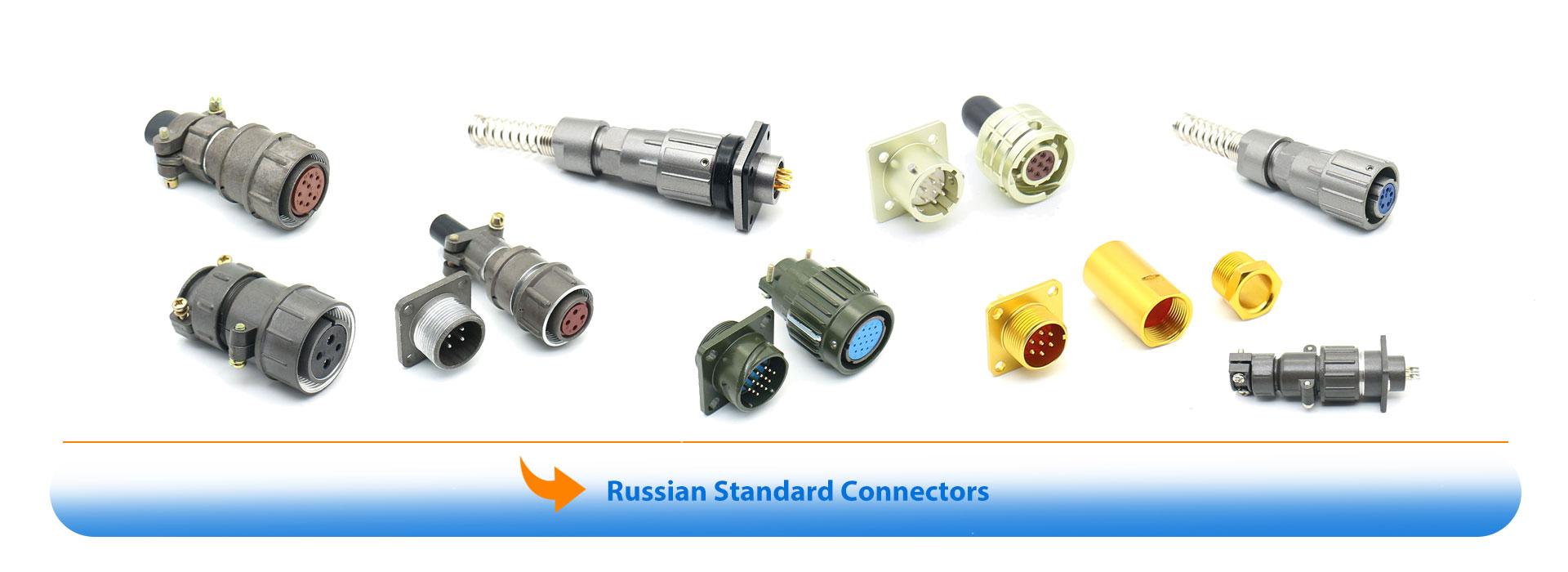
After evaluating the project's electrical, mechanical, and environmental constraints, the PC19 series Russian Standard circular connector was selected. This series is designed to comply with the dimensional and performance requirements of the Russian GOST standard, ensuring interchangeability and compliance with local railway regulations. The chosen configuration featured a plug (male) with a straight cable outlet and a socket (female) for panel mounting, both equipped with a bayonet coupling for rapid and secure mating. The connectors were specified with gold-plated contacts to guarantee low and stable contact resistance over the system's service life, even under conditions of frequent mating cycles.
Verification, Commissioning, and Delivery Process
The validation phase involved a series of acceptance tests to confirm the connectors' performance against the project's specifications. This included verifying the contact resistance, insulation resistance, and dielectric strength of the assembled cable sets. The connectors were also subjected to mechanical endurance testing to simulate repeated mating and unmating cycles, as well as environmental testing to confirm their IP-rated protection against dust and water ingress. Following successful laboratory validation, the connectors were installed on-site during the system commissioning phase. The installation process was documented to ensure correct cable preparation, contact crimping, and torque application for the coupling nut, preventing field failures. The delivery included a complete set of documentation, including test certificates and assembly instructions, to support the customer's quality assurance requirements.
Verified Results and Operational Benefits
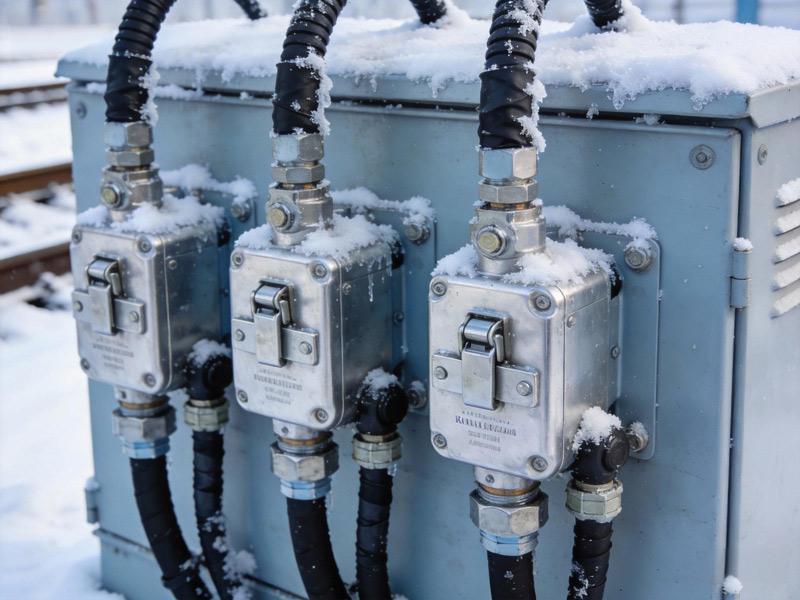
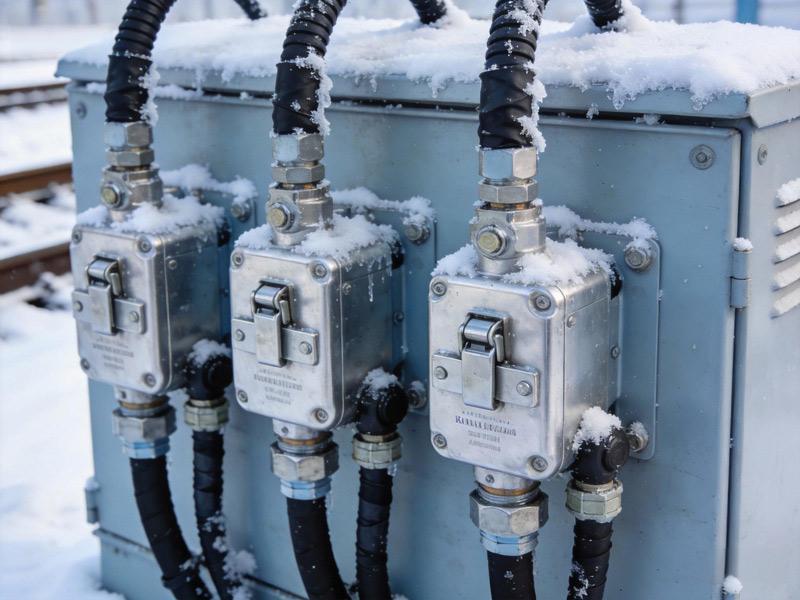
The deployment of the PC19 Russian Standard connectors resulted in a significant improvement in the reliability of the railway signaling system's interconnections. The bayonet locking mechanism provided a clear tactile and visual confirmation of a secure connection, reducing the risk of human error during installation and maintenance. The robust construction and environmental sealing have minimized downtime caused by connector-related faults, contributing to the overall availability of the signaling infrastructure. The project successfully demonstrated that a standardized, high-quality connector solution can meet the demanding requirements of the Russian railway industry, providing a dependable foundation for future signaling upgrades.
For engineers and procurement specialists evaluating similar interconnect needs, this case highlights the importance of specifying connectors based on verified electrical loads, environmental exposure, and mechanical mating requirements. The PC19 series offers a proven solution for applications requiring a reliable, standardized interface. For further details on the connector series used in this project, please refer to the OHS Circular Connector catalog page. To explore other connector families suitable for industrial applications, the Aviation Plug Connectors section provides additional options.
If you have a similar railway or industrial signaling application and need assistance with connector selection, configuration, or validation, please contact our engineering team through the inquiry form. We can provide detailed technical specifications, sample support, and configuration guidance to help you find the optimal interconnect solution.





 Tel: +8619924482730
 Email: info@kmydconnector.com
 MP/WhatsApp: +8619924482730
 Manufacturer Address:Baoan District, Shenzhen City, Guangdong Province,China