SD20/SP20 Square Flange Connector Design and Installation Guide
GX12 Connectors in Robotic Arm Joint Sensors: Project Background
In robotic arm systems, precise joint movement and accurate positioning depend on reliable sensor connections. GX12 connectors are commonly used to link joint sensors, encoders, torque sensors, and control modules, providing stable signal transmission and real-time feedback for smooth and precise robotic motion. This case outlines the application context, environmental challenges, and verified benefits of using GX12 connectors in robotic joint sensor interfaces.
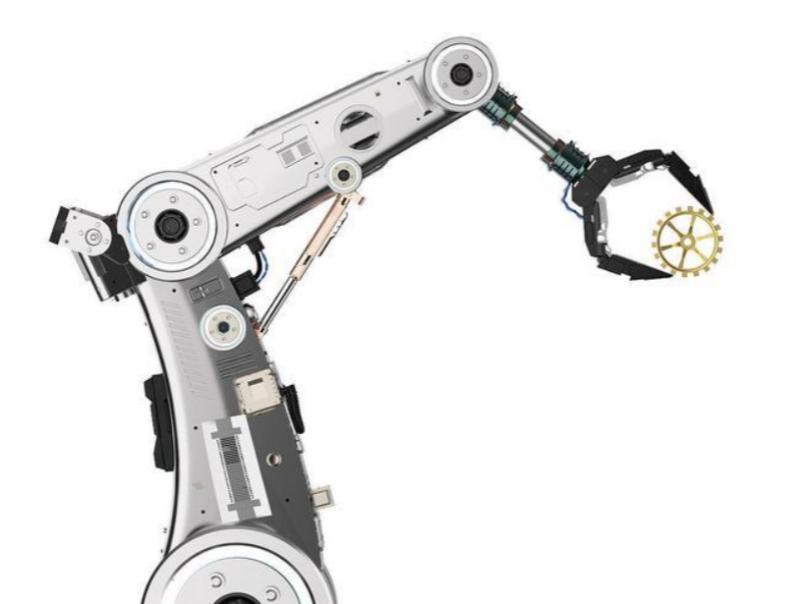
Application Requirements and Environmental Challenges
Robotic arm joints operate in demanding environments with continuous vibration, repetitive motion, and mechanical stress. The application requires a connector that maintains signal integrity under these conditions. GX12 connectors, with durable metal housings, secure threaded locking mechanisms, and robust design, maintain stable connections even in challenging operational settings. Their compact size allows integration within the tight spaces of robotic joints without affecting mobility or performance.
Solution and Installation Benefits
GX12 connectors also facilitate efficient installation and maintenance. When joint sensors or control modules require replacement or calibration, these connectors enable quick and secure reconnection, minimizing system downtime. The threaded coupling ensures a firm mechanical lock, reducing the risk of accidental disconnection during high-speed arm movements. This design supports both initial assembly and field service operations.
Result and Operational Impact
By providing dependable connectivity, GX12 connectors help enhance motion accuracy, operational reliability, and overall efficiency in modern robotic arm systems. The verified performance of these connectors supports consistent signal transmission for encoders and torque sensors, contributing to reduced maintenance intervals and improved production uptime.
For engineers evaluating connector options for robotic joint applications, consider the pin count, rated current, and IP rating required by your specific sensor interface. For related reading on robotic connectivity, see M12 Connectors in Robotic Arm Control Systems or the SD20/SP20 Square Flange Connector Design and Installation Guide. For additional context on sensor-level connections, see M8 Connectors in Industrial Robot Sensors.
To discuss your specific robotic arm sensor connection requirements or request samples, please contact our engineering team through the inquiry form or WhatsApp for prompt assistance.




 Tel: +8619924482730
 Email: info@kmydconnector.com
 MP/WhatsApp: +8619924482730
 Manufacturer Address:Baoan District, Shenzhen City, Guangdong Province,China