INDUSTRIAL CONNECTOR GUIDE
Types of Industrial Connectors: A Complete Guide to Designs and Applications
Industrial connectors provide reliable electrical interfaces between cables, equipment and control systems. Understanding their designs, connection methods and applications helps engineers and purchasing teams select the right solution for each project.
Industrial connectors are essential components in automation equipment, industrial machinery, communication systems, transportation and many other applications. They provide detachable electrical connections for transmitting power, signals or data while helping equipment remain serviceable and adaptable.
However, industrial connectors are not all designed for the same purpose. Different connector families offer different contact arrangements, locking mechanisms, mounting configurations and environmental protection capabilities. Choosing the right type requires understanding both the electrical requirements and the conditions in which the connector will operate.
This guide introduces the major types of industrial electrical connectors, their common characteristics and typical applications.
1. What Are Industrial Connectors?
An industrial connector is an electromechanical component designed to establish a detachable electrical connection between two parts of a system. A typical connector consists of an insulating insert, conductive contacts and a housing or shell that supports the connection.
Depending on the design, connectors may transmit electrical power, control signals, communication signals or high-frequency signals. They can also incorporate features such as mechanical locking, contact protection, cable strain relief and environmental sealing.
Unlike ordinary electrical connectors used in household applications, industrial connector designs often need to accommodate vibration, mechanical stress, dust, moisture, temperature changes and frequent maintenance.
2. Circular Connectors
Circular connectors are among the most widely used connector types in industrial equipment. They feature a round housing with electrical contacts arranged inside an insulating insert.
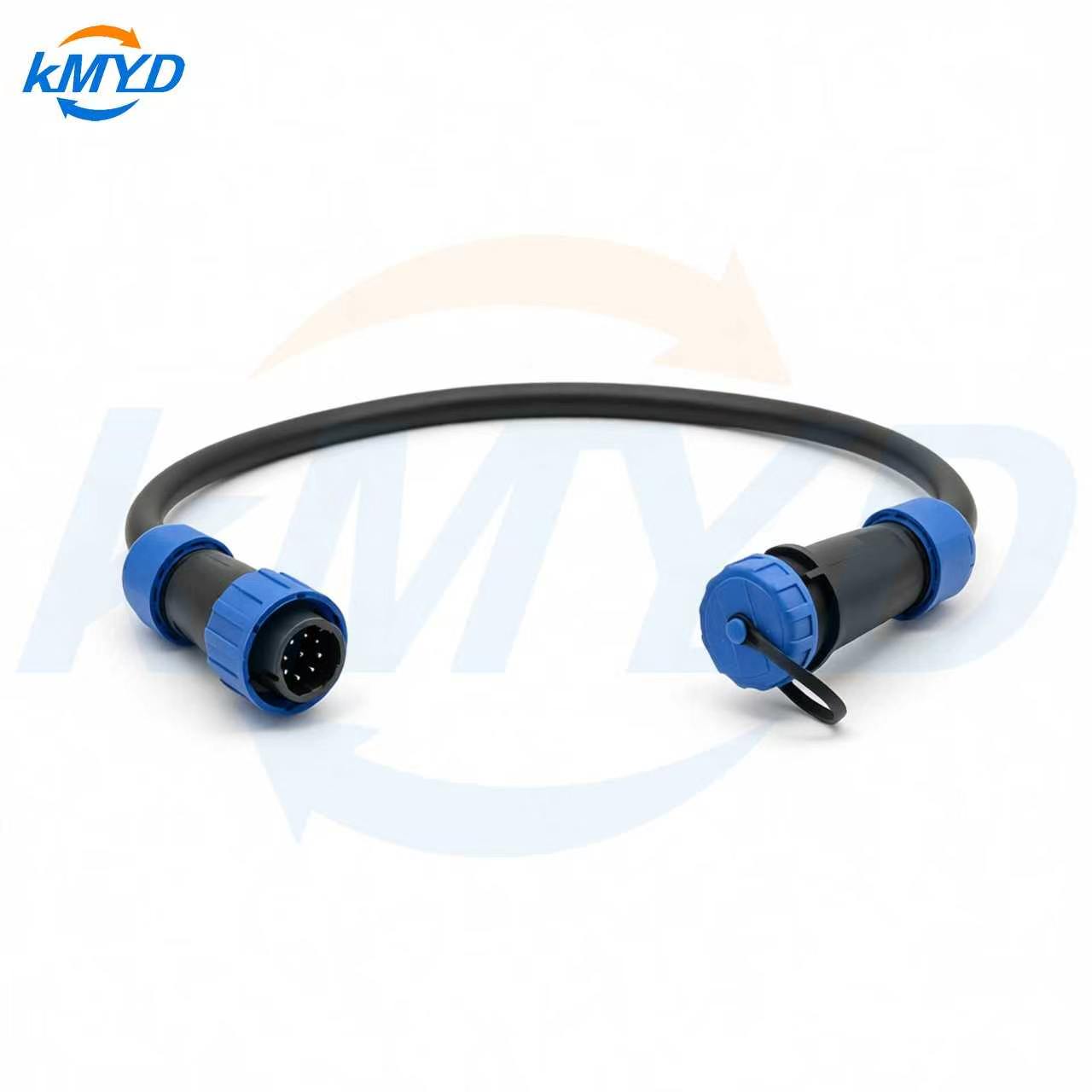
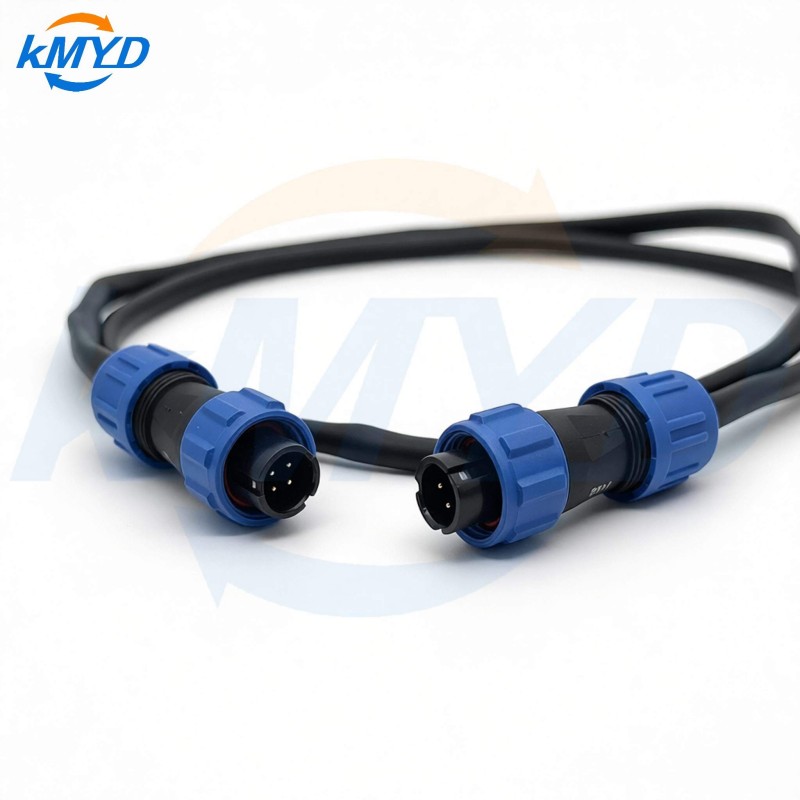
Their cylindrical structure supports various coupling mechanisms, including threaded, bayonet and push-pull designs. Depending on the series, circular connectors can be configured for cable-to-cable or cable-to-panel connections.
Common Circular Connector Series
- M Series Connectors: Metric-threaded connectors commonly used in industrial automation, sensors, actuators and machine communication systems.
- GX Series Connectors: Circular connectors available in different shell sizes and contact arrangements for equipment connections.
- SP Series Connectors: Commonly used circular connector designs available in different configurations, including cable and panel-mount versions.
- LD Series Connectors: Connector families used in various equipment and cable connection applications, depending on the specific model.
Circular connectors are suitable for applications requiring compact interfaces, secure mating and flexible installation configurations. Their actual electrical and environmental capabilities depend on the individual product design.
Typical Applications
- Industrial automation and control equipment
- Sensor and actuator connections
- Machine tools and production equipment
- Outdoor electrical equipment
- Industrial cable assemblies
3. Aviation Connectors
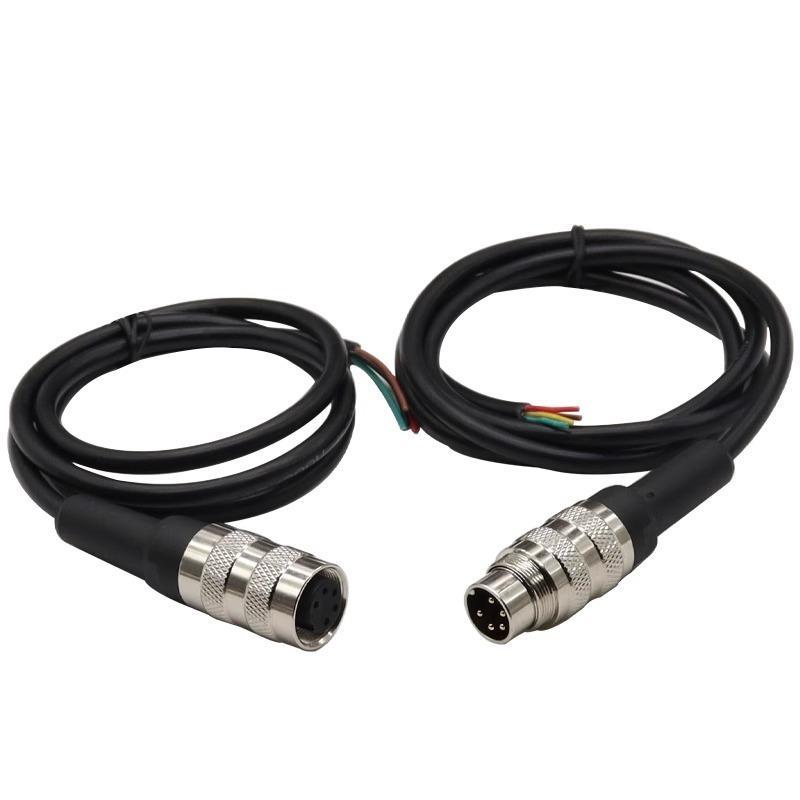
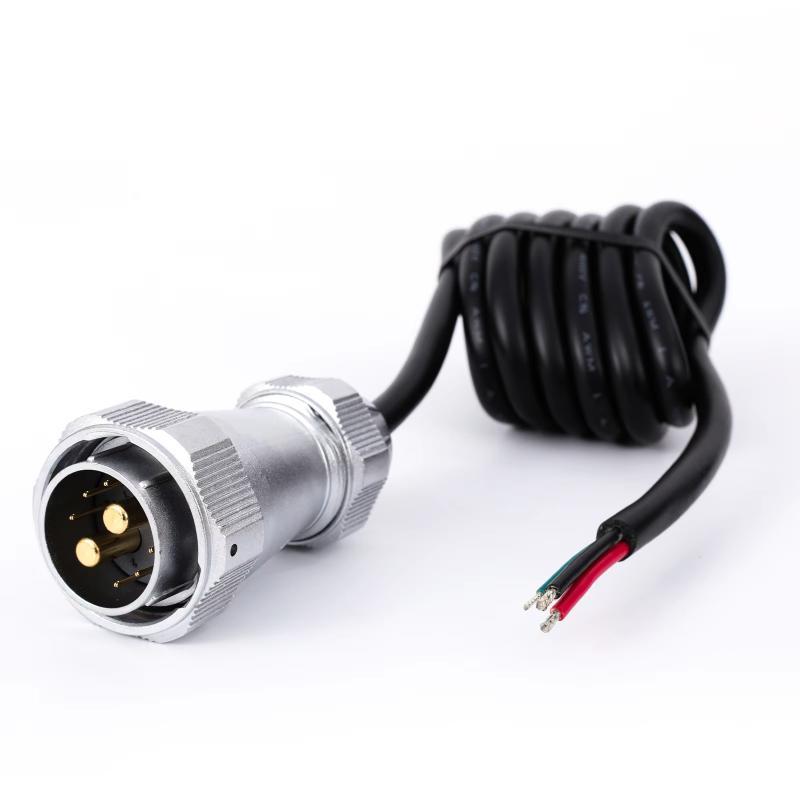
Aviation connectors, also known as aviation-style circular connectors, are commonly recognized by their metal housings and multi-contact configurations. Many designs use threaded or bayonet coupling mechanisms to maintain a secure connection.
Depending on the series, they may feature aluminum alloy or other metal housings, different contact materials and various termination options, including solder or cable termination.
These connectors are used in electrical equipment, instrumentation, industrial control systems and applications where a robust mechanical interface is required.
When selecting an aviation connector, important considerations include shell size, contact quantity, current rating, coupling method, mounting configuration and operating environment.
4. RF Coaxial Connectors
RF (Radio Frequency) coaxial connectors are designed to transmit high-frequency signals through coaxial cables and transmission lines. Unlike ordinary power or signal connectors, RF connectors must maintain controlled electrical characteristics across the connection interface.
A typical coaxial connector includes a center contact, dielectric insulator and outer conductive body. This structure helps maintain the coaxial geometry and shielding continuity of the transmission path.
Important RF Connector Characteristics
- Characteristic Impedance: Common systems include 50-ohm and 75-ohm interfaces. The connector must match the intended transmission system.
- Frequency Range: The supported frequency range depends on the connector series and its design.
- Shielding: The outer conductor helps reduce unwanted electromagnetic interference.
- Termination: Cable attachment methods may include crimp, clamp or solder termination.
RF connectors are commonly used in telecommunications equipment, antennas, test instruments, radio systems and electronic devices.
5. DIN Connectors
DIN connectors refer to connector designs associated with standards developed by the German Institute for Standardization (Deutsches Institut für Normung). The term covers different connector formats rather than one single universal connector design.
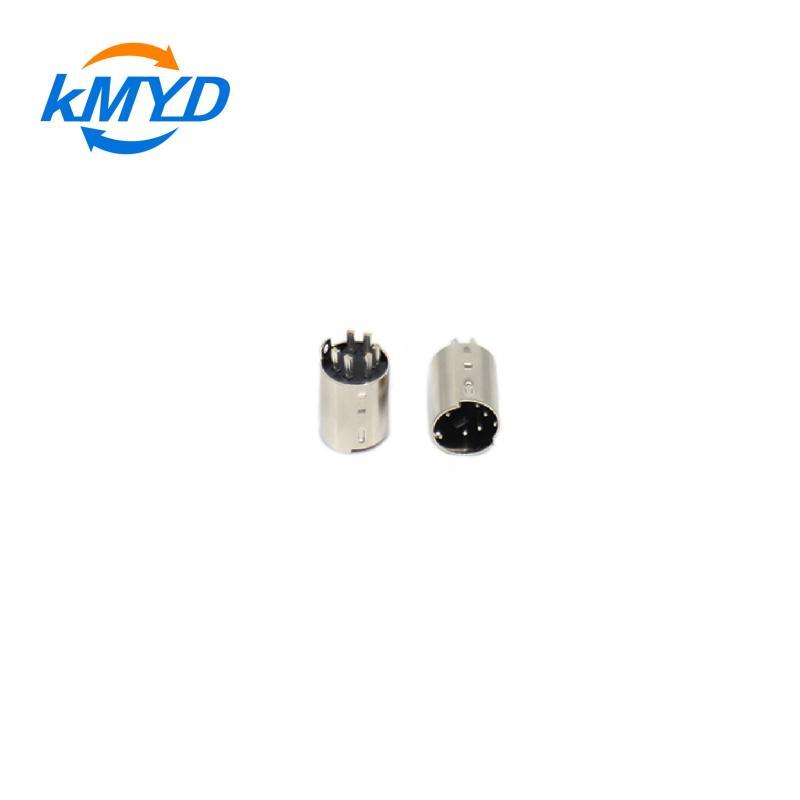
Circular DIN connectors commonly feature a metal shell or molded housing with a defined contact arrangement. They are available in different pin configurations and sizes, depending on the series.
These connectors can be found in electronic equipment, control systems, instrumentation and industrial devices. Mini-DIN connectors provide a more compact interface for applications with limited installation space.
When selecting a DIN connector, check the exact interface dimensions, contact arrangement, mating compatibility and electrical requirements rather than relying on the DIN name alone.
6. Military Standard Connectors
Military standard connectors are developed for applications that require defined mechanical and electrical characteristics under specified environmental conditions.
Common examples include connectors associated with MIL-DTL-38999 and MIL-DTL-5015 specifications. These connector families offer different shell configurations, contact arrangements and coupling mechanisms.
Depending on the specification and product class, military connectors may be designed to withstand vibration, shock, temperature variations and other demanding environmental conditions.
They are used in defense equipment, aerospace systems, communication equipment and specialized industrial applications.
Important: A connector that resembles a military-standard design is not automatically qualified or certified to that standard. Always verify the applicable specification, revision, class and product documentation.
7. Russian Standard Connectors
Russian standard connectors are used in various electrical and electronic equipment designed around Russian or former Soviet connector specifications.
Different series offer different shell designs, contact arrangements, coupling methods and termination configurations. Examples include connector families identified by designations such as PC, Y2M and other model-specific series.
These connectors may be required when maintaining existing equipment, replacing original components or developing systems that need compatibility with established Russian-style interfaces.
When sourcing these products, it is important to confirm the exact model designation, contact layout, dimensions, mounting details and mating compatibility. Similar-looking connectors are not necessarily interchangeable.
8. How to Choose the Right Industrial Connector
Selecting an industrial connector should begin with the actual requirements of the equipment rather than simply choosing a familiar connector family.
| Selection Factor | What to Check |
|---|
| Electrical Requirements | Rated voltage, current per contact and signal type. |
| Contact Configuration | Number of contacts, pin layout and coding. |
| Mechanical Design | Housing material, coupling mechanism and mounting method. |
| Environmental Conditions | Temperature, vibration, dust, moisture and chemical exposure. |
| Cable Requirements | Wire gauge, cable diameter, shielding and termination. |
| Compatibility | Mating interface, dimensions and applicable standards. |
For demanding applications, the complete connection system should be evaluated, including the connector, cable, mating counterpart, mounting interface and installation conditions.
Engineering Tip Do not select a connector based on its appearance alone. Confirm the electrical ratings, mechanical interface and environmental performance using the manufacturer's technical documentation.
9. Frequently Asked Questions
What are the most common types of industrial connectors?
Common industrial connector families include circular connectors, aviation-style connectors, RF coaxial connectors, DIN connectors and military-standard connectors. The appropriate type depends on the electrical interface and application requirements.
What is the difference between circular and RF connectors?
Circular connectors describe a mechanical connector format, while RF connectors are designed for controlled high-frequency signal transmission. Some circular connector systems can incorporate coaxial contacts, but not every circular connector is suitable for RF applications.
Can industrial connectors be customized?
Yes. Depending on the connector design and manufacturing capability, customization may include housing dimensions, contact configurations, cable length, wire specifications, materials and cable assembly options.
How do I identify an industrial connector?
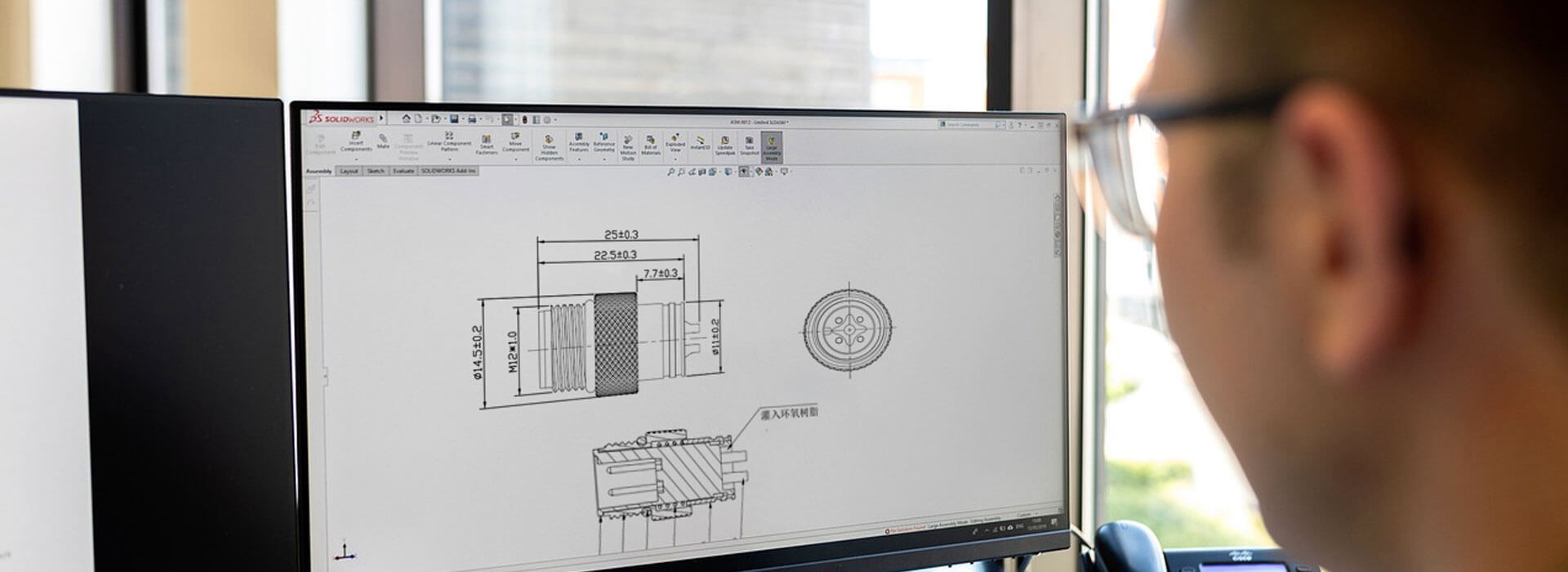
Start by checking the housing shape, interface dimensions, contact quantity, pin arrangement, coupling mechanism and model markings. Technical drawings and photographs of both mating halves can help confirm the correct type.
Find the Right Industrial Connector for Your Project
Choosing the right connector is an important step in developing a reliable electrical system. Whether your application requires circular connectors, aviation plugs, RF interfaces, military-style connectors or customized cable assemblies, matching the connector design to the actual operating conditions is essential.
KMYD specializes in the development and manufacturing of industrial connectors and customized cable assemblies. With a range of connector families and OEM/ODM capabilities, we support different connection requirements across industrial applications.
Contact our team to discuss your connector specifications, drawings or customization requirements.






 Tel: +8619924482730
 Email: info@kmydconnector.com
 MP/WhatsApp: +8619924482730
 Manufacturer Address:Baoan District, Shenzhen City, Guangdong Province,China