

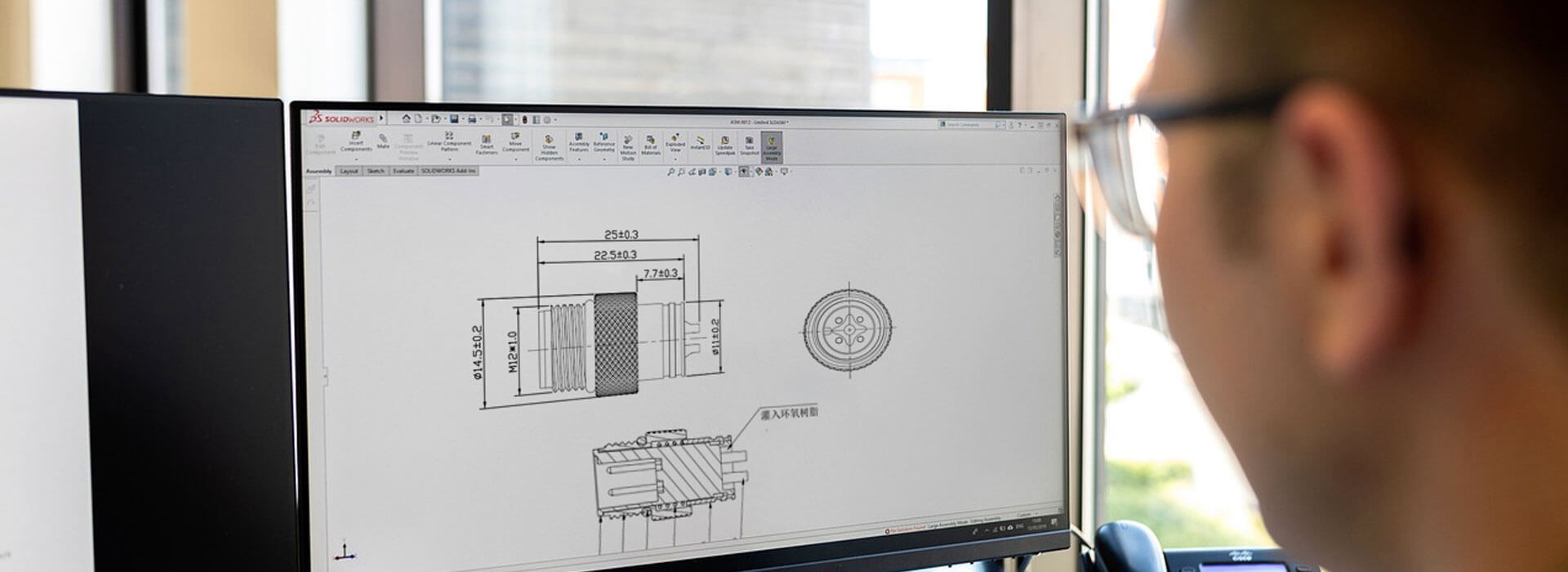
An electrical inspection fixture touches the product it is inspecting. With a small female connector, that physical interaction deserves review before a result is trusted. A conductive tip can reach a circuit while contacting the socket in a way that the connector designer never intended.
Yes, an unsuitable probe can damage a female contact. Use the exact connector's permitted test access or an approved mating adapter, with the contact interface defined by the responsible test engineer. Do not assume a pointed meter tip is equivalent to the specified mating pin. A test that changes the socket can create a fault while appearing to investigate one.
The fixture has a mechanical interface too
A socket's elastic contact system is designed around an intended mating geometry. Probe shape, alignment and access can differ from that geometry. The practical question is therefore not only whether the tip conducts electricity, but whether the chosen test connection is suitable for the contact being inspected.
The accessible scope of IEC 60512-16-1 identifies probe damage as a subject of connector contact testing. Separately, TE's current product documentation links to an instruction that prohibits pointed or sharp probing tools for one specific connector and defines its own permitted access. These sources establish the physical concern. Neither supplies an M8 probe size or a procedure for KMYD parts.
Ask what the test tip is allowed to touch
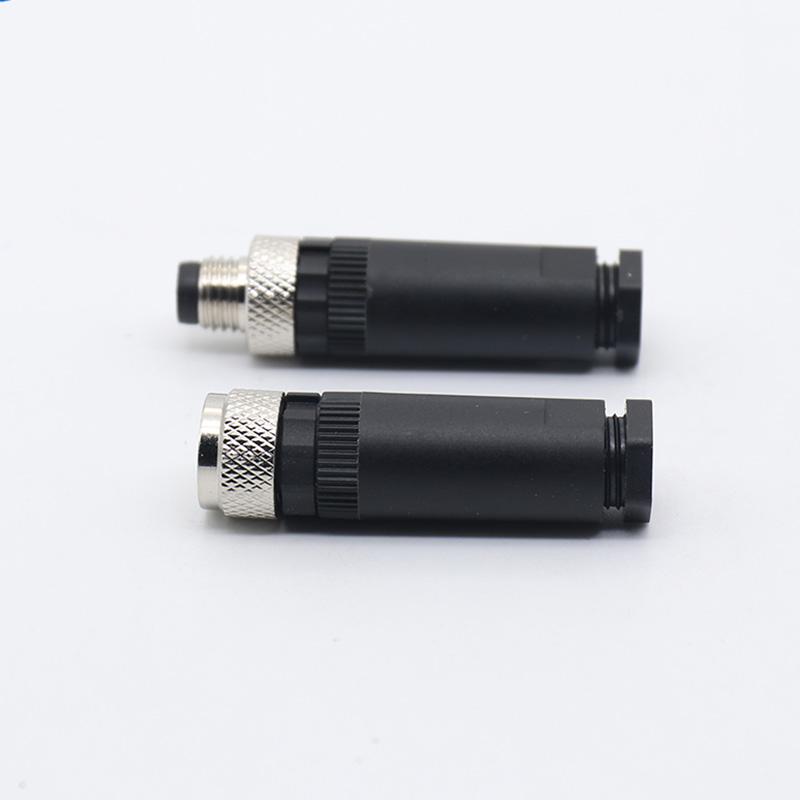
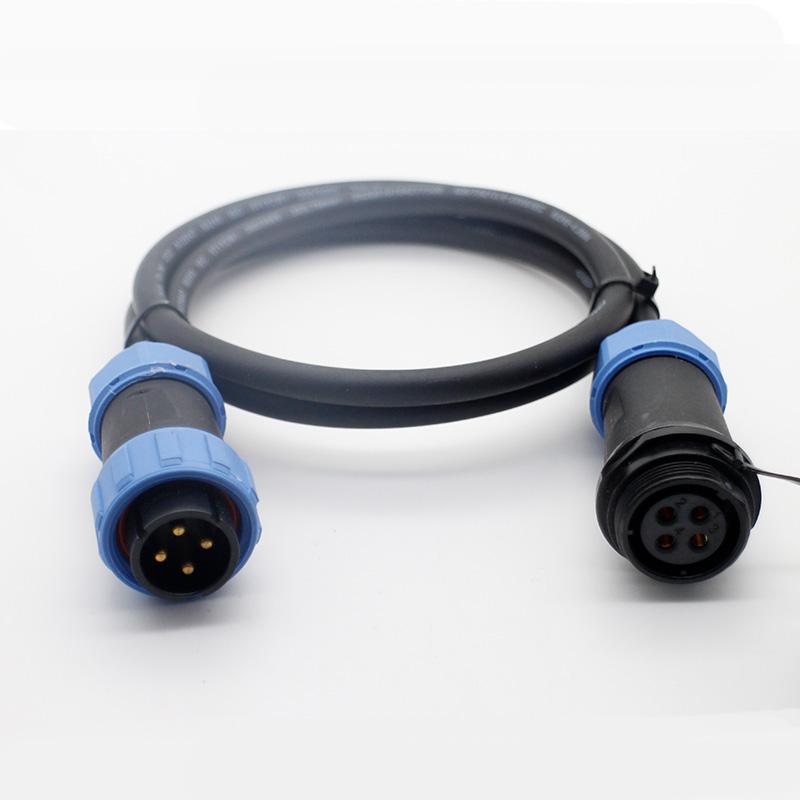
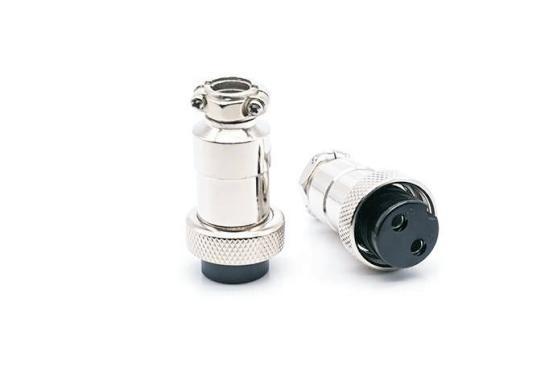
Start with the connector, contact and insert references. A family photograph does not show the internal socket geometry or establish which surfaces may be contacted during inspection. Ask whether the manufacturer provides a test-access instruction, a specified mating component or another approved connection method for the selected variant.
Then identify the fixture's mating part. A statement that the bench uses a “small pin” cannot be checked against the contact requirement. An adapter assembled from an unidentified connector has the same weakness. Record enough information to recognize the test interface when a fixture is replaced or repaired.
| Fixture question | Evidence needed | Unresolved risk |
|---|---|---|
| Contact access | Permitted access for the exact connector and termination. | Reaching the wrong surface or entering an unsupported opening. |
| Mating geometry | Identified probe or approved adapter interface. | A tip that conducts but is mechanically unsuitable. |
| Alignment | Fixture arrangement and the applicable operating instruction. | Side loading or inconsistent engagement during repeated use. |
| Condition control | Inspection and replacement criteria for the fixture interface. | A damaged or worn fixture affecting later samples. |
Keep the original fault separate from the test history
In an illustrative investigation, a lead fails an electrical check only after several attempts with an improvised tip. The later failure does not identify whether the original lead was defective, the fixture was unsuitable or the handling changed the contact. Retain the order of events instead of treating every observation as the original condition.
Photograph accessible features before further handling and identify which fixture was used. If damage is suspected, keep that specimen out of routine retesting until its disposition is agreed. Do not attempt to straighten, spread or reshape a contact to restore a favorable reading. Such work changes the object being evaluated and needs a specific authorized process.
For the fixture itself, distinguish electrical performance checks from mechanical suitability. Passing a known circuit through an adapter can help evaluate part of the test system, but it does not automatically establish that the adapter's contact geometry is harmless to every socket. The approved fixture definition should address both questions.
If an unexpected reading follows the same fixture position across several samples, preserve that pattern for the test engineer. It is a reason to investigate the fixture, not proof that every tested assembly is acceptable. Record the instrument channel and physical adapter position separately so a review can distinguish an electrical setup issue from the contact interface touching the product.
Release a fixture instruction with the test
For an isolated assembly, have the test owner document the approved connection method, fixture reference, access restrictions and checks for its continued condition. Where the supplied connector has no established test-access instruction, request clarification from its supplier rather than inventing access by piercing insulation or forcing a tip into an opening.
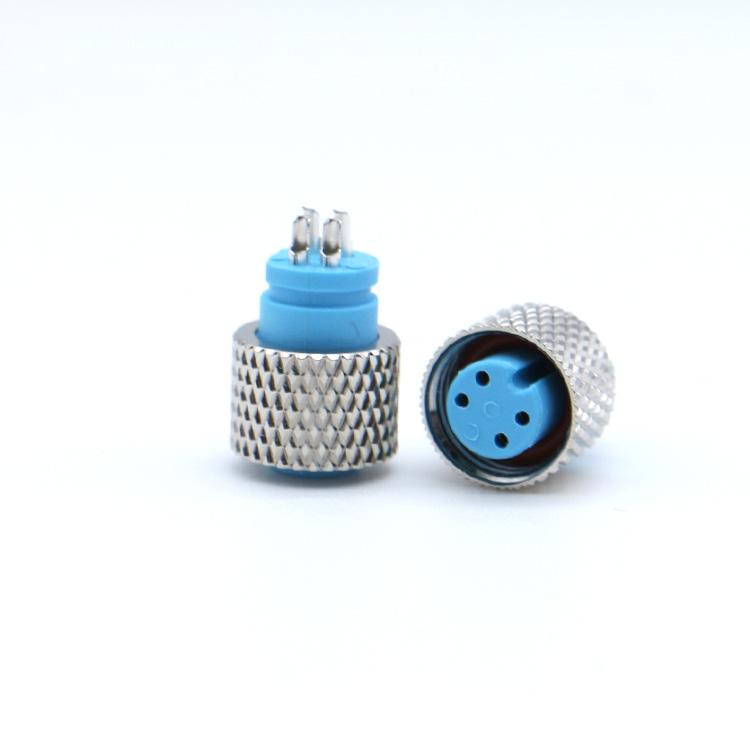
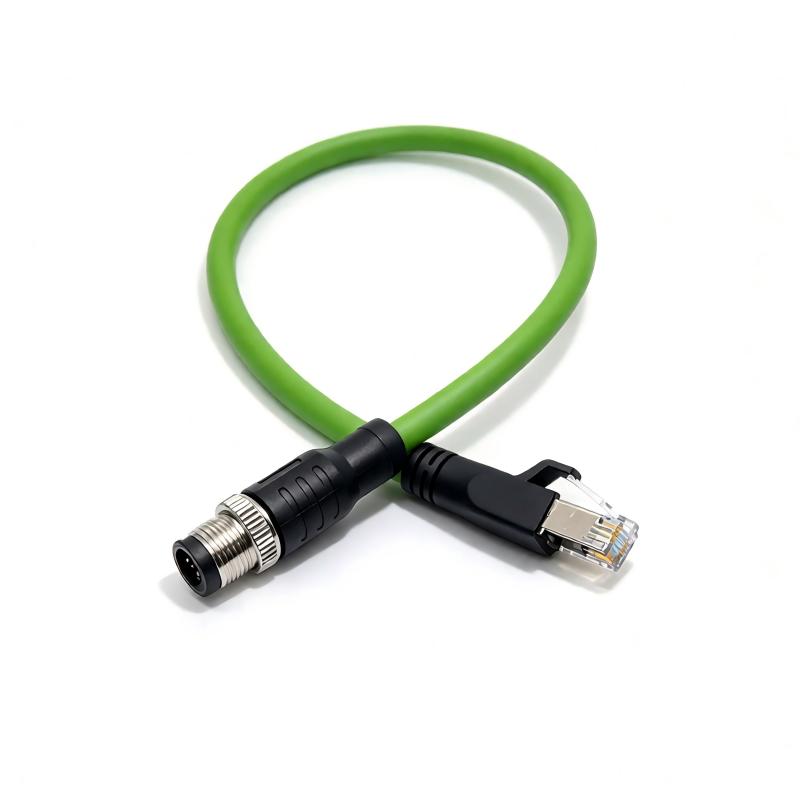
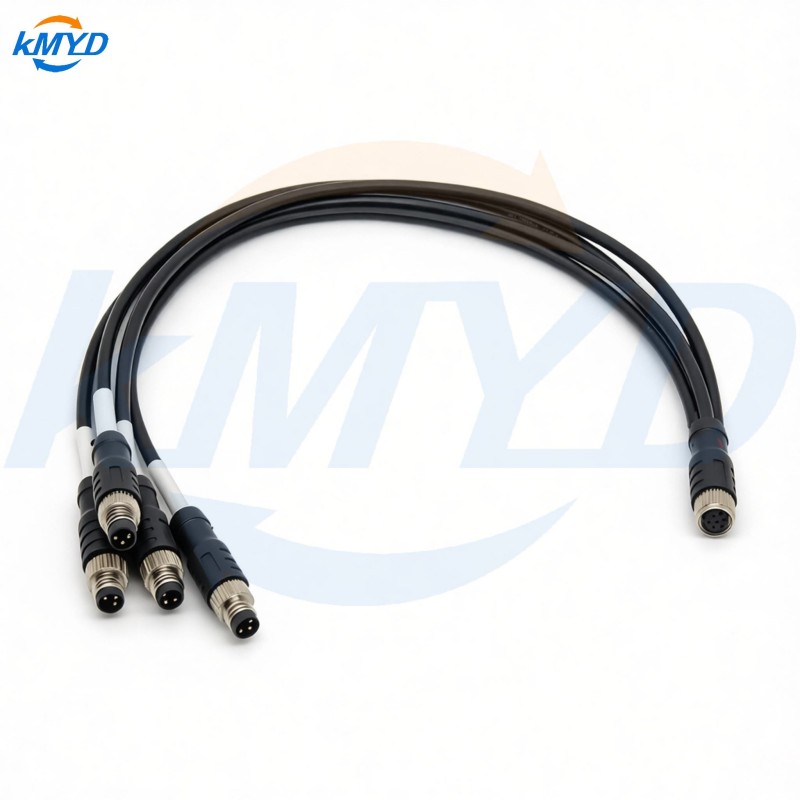
The M8 cable connector listing and related female M8 interface can identify the product being discussed. Send the actual contact variant and proposed fixture interface with the inquiry. The requested deliverable is a permitted test connection that preserves the contact while answering the electrical question.

 Tel: +8619924482730
 Email: info@kmydconnector.com
 MP/WhatsApp: +8619924482730
 Manufacturer Address:Baoan District, Shenzhen City, Guangdong Province,China