

Repeated-mating qualification for SP series connectors should record more than a cycle total. Define the exact pair, what counts as one complete operation, how it is handled, whether maintenance is permitted, and which functions must remain acceptable. Assess the same specimens before and after the sequence using agreed criteria. A mechanical endurance result does not automatically establish waterproof performance after wear, operation under electrical load, or the service life of a different configuration.
1. Describe the operation being counted
A maintenance event can include disconnecting a cable, handling a cover, reconnecting the pair and securing the coupling. State which actions belong to the qualification. “One cycle” should have an explicit start and end state so the laboratory and supplier count the same thing. Record whether the coupling is fully secured each time and which approved assembly instruction governs that operation.
Also distinguish straight mechanical endurance from service exposure. A clean, aligned pair operated repeatedly on a bench does not reproduce every field action. If dirt, temperature changes or cable loading matter, they need a defined place in the qualification plan. Adding them casually during testing makes the result harder to interpret.
The public scope of IEC 60512-9-1 identifies a mechanical-operation endurance test for connectors operated normally without electrical load, where required by the detail specification. That scope helps separate a mechanical-cycle requirement from electrical switching. The method's name alone supplies neither an SP cycle rating nor the application-specific number of operations to demand.
2. Keep each mating pair identifiable
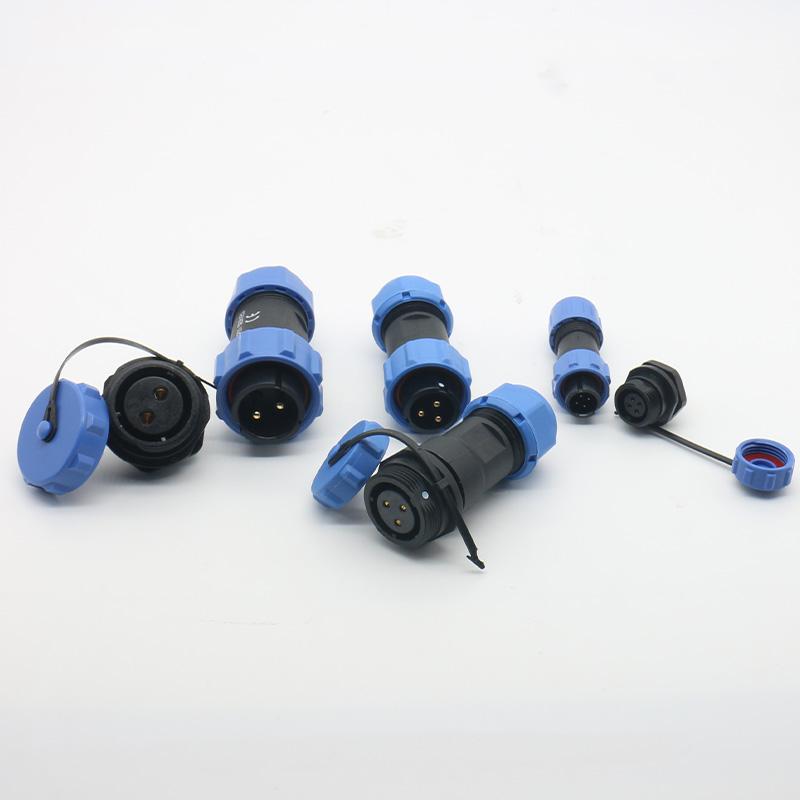
Identify both halves, contact arrangement, cable and termination, seal references and relevant revisions. If the service design has a panel-mounted half, reproduce its support and mounting condition. An unrestrained test component may be convenient, but the report must say when it differs from the installed arrangement.
Give every specimen pair its own identifier. Record the initial visual condition and the agreed electrical and mechanical measurements. This creates a baseline for assessing change. A group average alone can hide a damaged or abnormal individual sample, so retain the individual observations as well as any summary requested by the specification.
Do not silently rotate a worn half out of the test. If a component is replaced, record what changed, why it changed and which later observations belong to the revised pair. Replacing one side may be a valid maintenance scenario, but it cannot be reported as the original pair completing the entire sequence unchanged.
3. Log what happens between the first and last cycle
Define the operating method, alignment control, rate and pauses. Note how the cable is supported so the sequence does not accidentally become an uncontrolled cable-bending test. Where coupling torque or force is measured, use the part-specific method and acceptance basis; do not invent a universal value from the SP family name.
Decide in advance whether cleaning, lubrication or seal replacement is allowed. If the intended service procedure includes a maintenance action, the qualification can incorporate it explicitly. If it does not, an unreported intervention can make a marginal result appear to be uninterrupted endurance.
- Record cycle positions at planned inspections and any interruptions.
- Describe unusual resistance, looseness, visible damage or incomplete engagement.
- Retain the reason for an early stop instead of converting it into a completed-cycle result.
- Identify deviations and their engineering disposition before combining the result with other evidence.
These records are especially useful when an assembly passes the final electrical check but its coupling behavior changed during the sequence. The result then needs a review of the stated mechanical criteria, rather than being reduced to a single pass label.
4. Assess the functions the equipment still needs
The final assessment should follow the agreed plan for contact performance, insulation, retention, coupling condition and environmental protection, as applicable. Assign each measurement its method and acceptance limit. A connector can look intact while a functional requirement has changed; conversely, a superficial mark needs a defined disposition rather than an automatic failure assumption.
If the equipment needs protection against water after repeated service disconnection, specify the environmental check after the mating sequence on the relevant specimens. A water-ingress test performed only on unused parts does not resolve that worn-condition question. Record the order of tests, since a sequence that includes seal replacement answers a different maintenance requirement from one that does not.
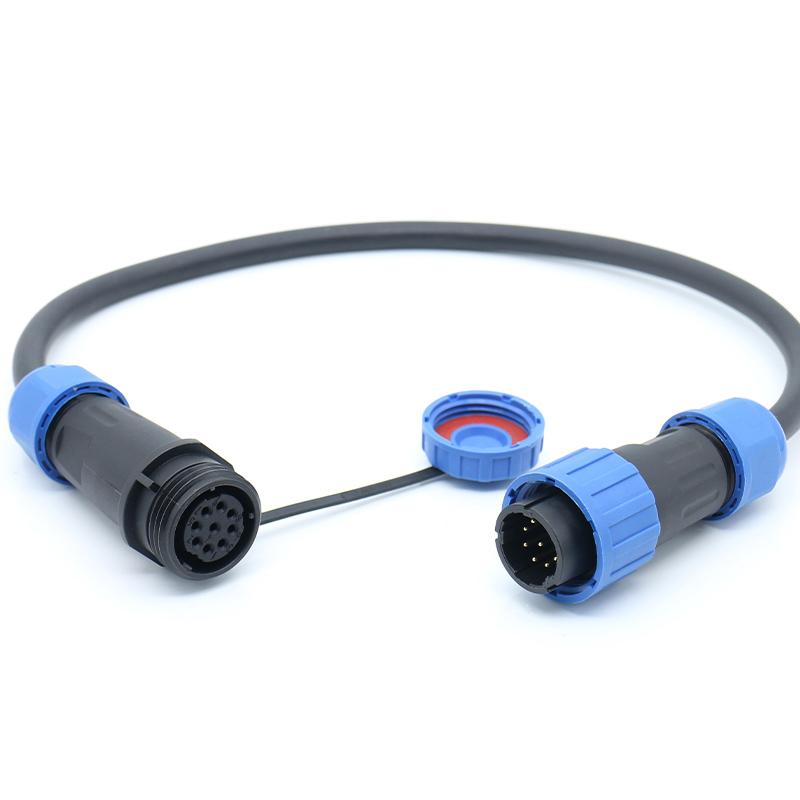
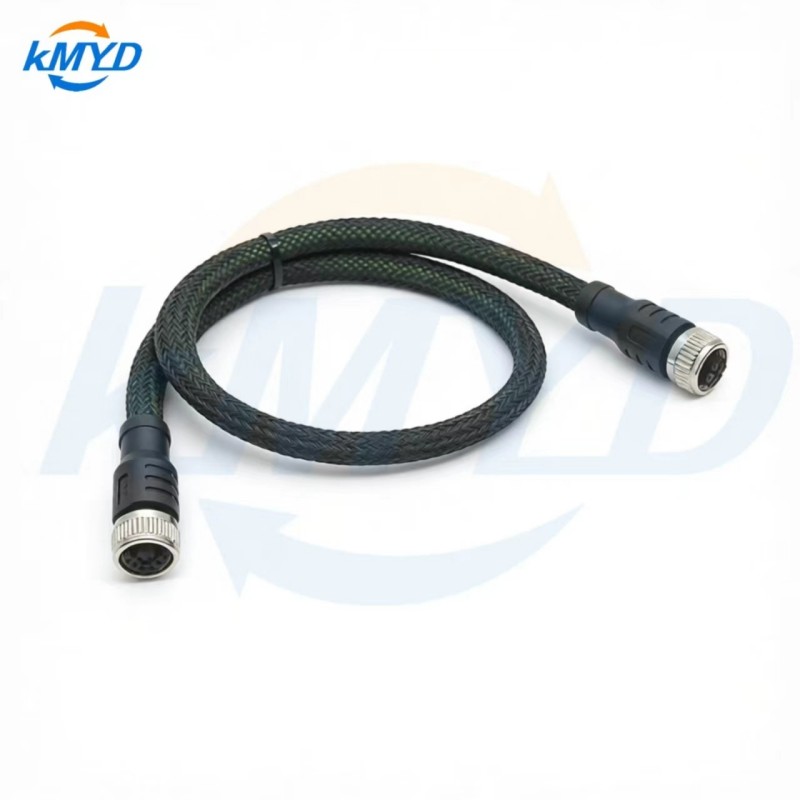
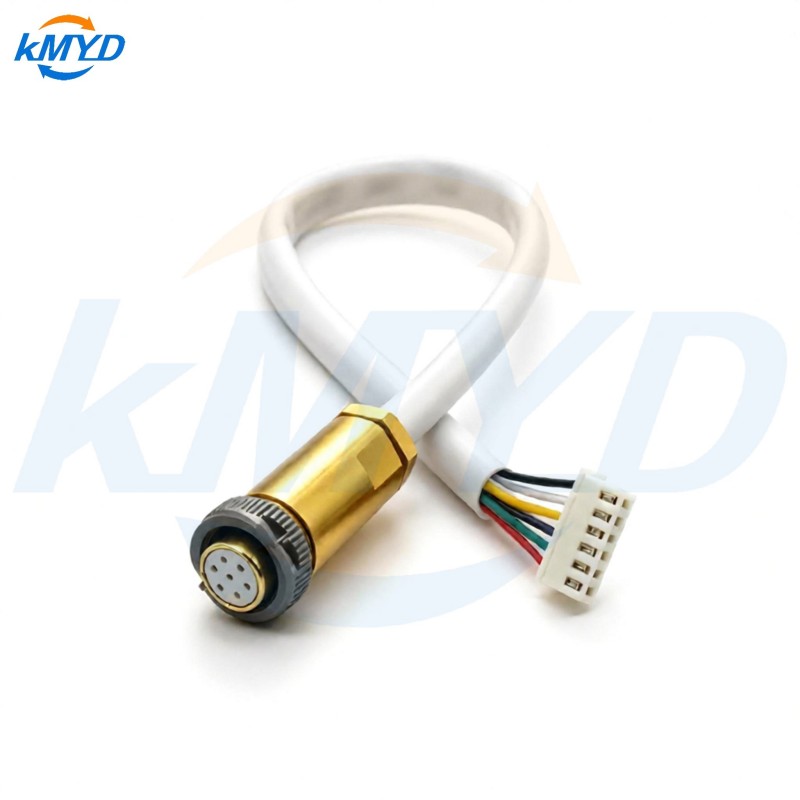
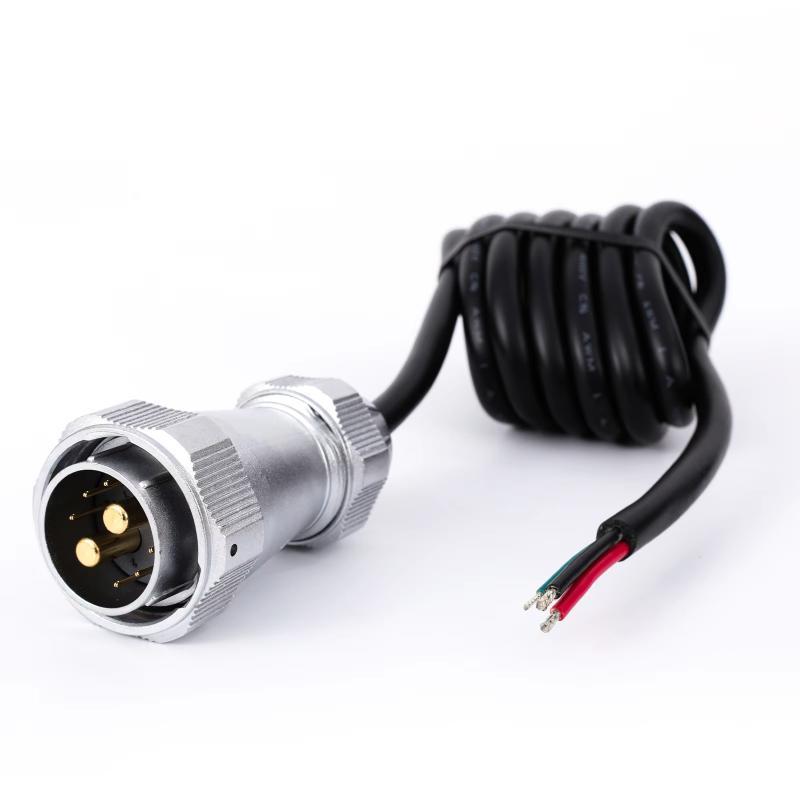
Use the SP connector product reference or the SP cable assembly reference to identify the proposed hardware. Then prepare a short qualification sheet containing the pair identity, cycle definition, permitted maintenance and required final checks. Agree those four items before comparing endurance claims; a larger number is meaningful only when the recorded operations and retained functions match the intended service.
Technical reference: IEC 60512-9-1 mechanical-operation test scope.


 Tel: +8619924482730
 Email: info@kmydconnector.com
 MP/WhatsApp: +8619924482730
 Manufacturer Address:Baoan District, Shenzhen City, Guangdong Province,China