

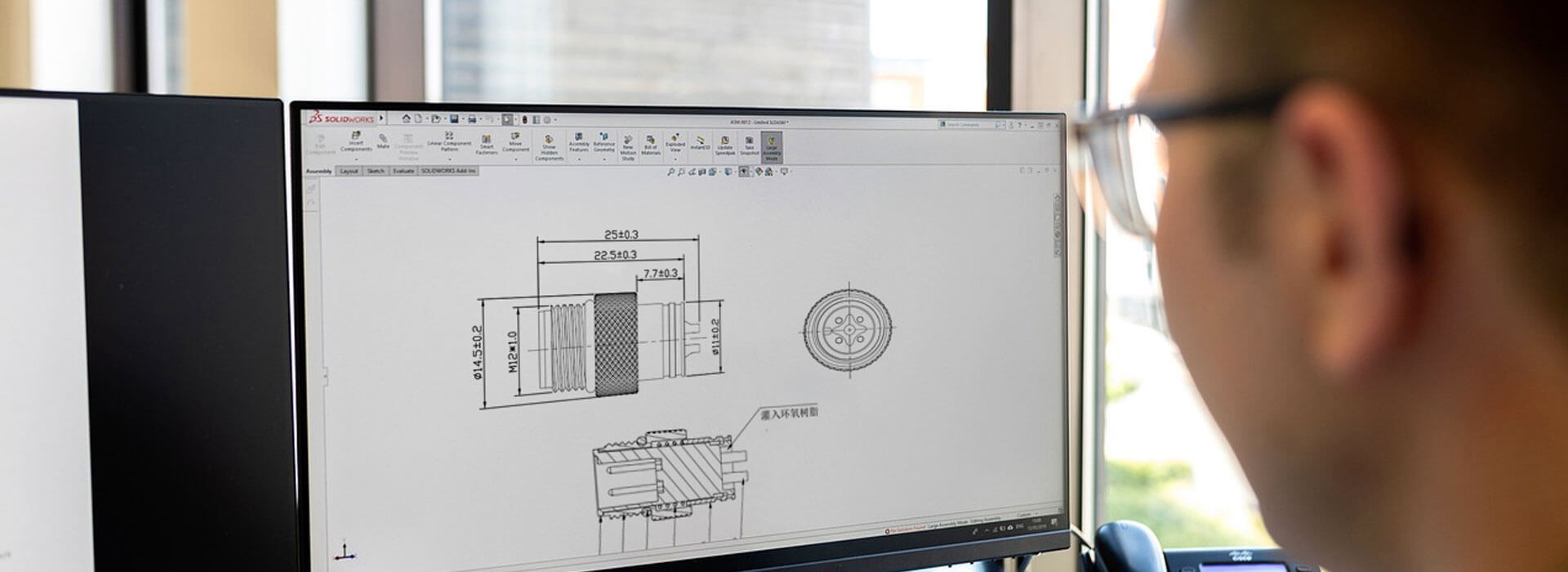
A connection can satisfy a continuity criterion while still having excessive resistance for its actual load. Local heating follows the current and resistance at the affected joint; an audible continuity indication does not quantify that joint's suitability. Investigate the defined connection, measurement boundary and operating evidence rather than clearing a warm M12 assembly because a meter beeps.
A small region can account for the temperature rise
Electrical heating in a resistive path follows P = I²R. At the same current, increasing resistance increases the heat produced there. A termination or mating contact can concentrate part of that dissipation into a small region, while much of the cable remains at a different temperature. The equation explains the mechanism; it does not set an acceptable resistance or temperature for a particular assembly.
Possible investigation areas include the mating interface, conductor termination, contamination, damage and the surrounding installation. A warm housing alone does not identify which one caused the observation. Heat may also arrive from adjacent equipment. Preserve the location and timing of the observation so an investigation can distinguish a local electrical issue from the surrounding thermal conditions.
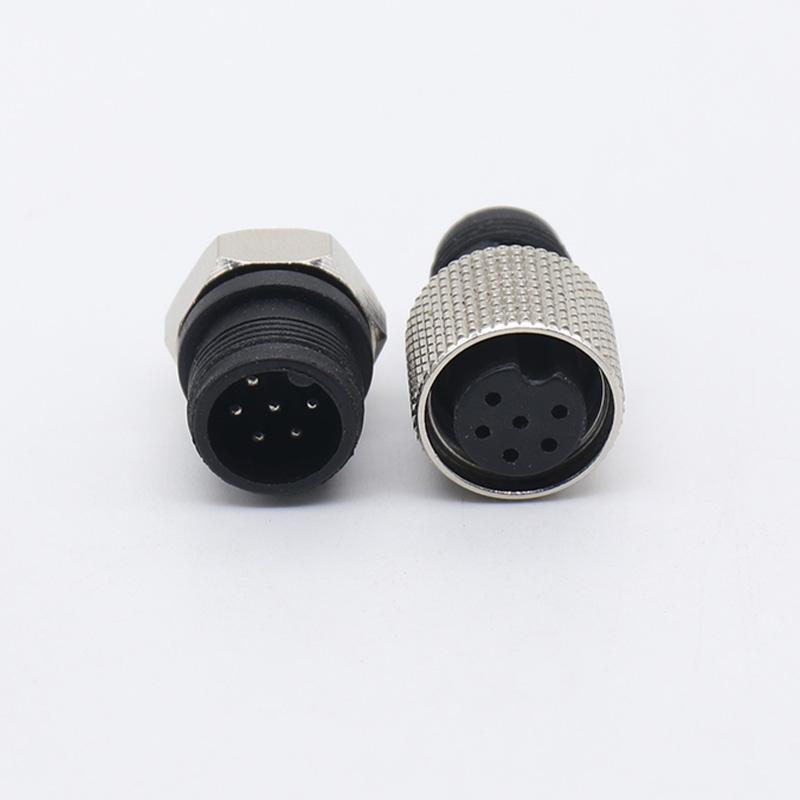
Define which resistance is being measured
An end-to-end reading may contain the resistance of the cable conductors, more than one termination, mating contacts and the measurement connections. It cannot automatically be assigned to one suspect contact. A comparison between a short lead and a longer lead is particularly unhelpful if the conductor contribution is not considered.
Draw the current path and mark the proposed measurement endpoints. Decide whether the question concerns the complete assembly, a mated interface or an accessible termination. If the suspect region cannot be reached without dismantling or altering the assembly, record that limitation. Changing the joint to make it measurable can remove the condition being investigated.
| Evidence | Useful information | Important limit |
|---|---|---|
| Continuity indication | The instrument's selected continuity criterion was met. | It may not resolve a small resistance change relevant to a loaded joint. |
| End-to-end resistance | Resistance between identified assembly endpoints under the stated method. | It includes everything between those endpoints. |
| Localized resistance measurement | Resistance of an accessible, deliberately bounded region. | Probe placement and access determine what is included. |
| Temperature record | Where and when a thermal observation occurred. | It does not by itself identify the electrical cause. |
What four-wire measurement changes
In a four-wire resistance arrangement, one pair of connections carries the measurement current and a separate pair senses voltage. Fluke explains this method as a way to reduce the influence of test-lead resistance in low-resistance measurements. The separation matters when the value of interest is small compared with the contribution of ordinary two-wire leads.
Four wires do not make the measurement boundary disappear. The sense points define the region whose voltage drop is measured. A method that includes an adapter or another contact inside those points still includes its contribution. Nor does the method automatically correct poor access, unstable connections, unsuitable resolution or a poorly defined acceptance criterion.
Have a competent test engineer select the instrument, current, fixture and procedure for the specific joint. Sensitive electronics or components within the assembly can constrain the method. Do not improvise a test current or probe a live connector to obtain a larger reading. Resistance measurements require the appropriate isolated condition and equipment procedure.
Make comparisons under controlled conditions
If a reference assembly is used, match the relevant configuration and record its condition. Comparing a new unmated contact with a used complete cable assembly confuses several variables. Temperature also affects conductor resistance, so comparable measurements need documented thermal conditions rather than an assumption that every reading was taken in the same state.
Keep measurement results associated with the actual sample and setup. An unexplained change between repeat readings can point to a fixture issue or an unstable condition; it is not a reason to retain only the lowest value. The acceptance limit must come from the applicable product and assembly requirements, not from a resistance number found on another manufacturer's datasheet.
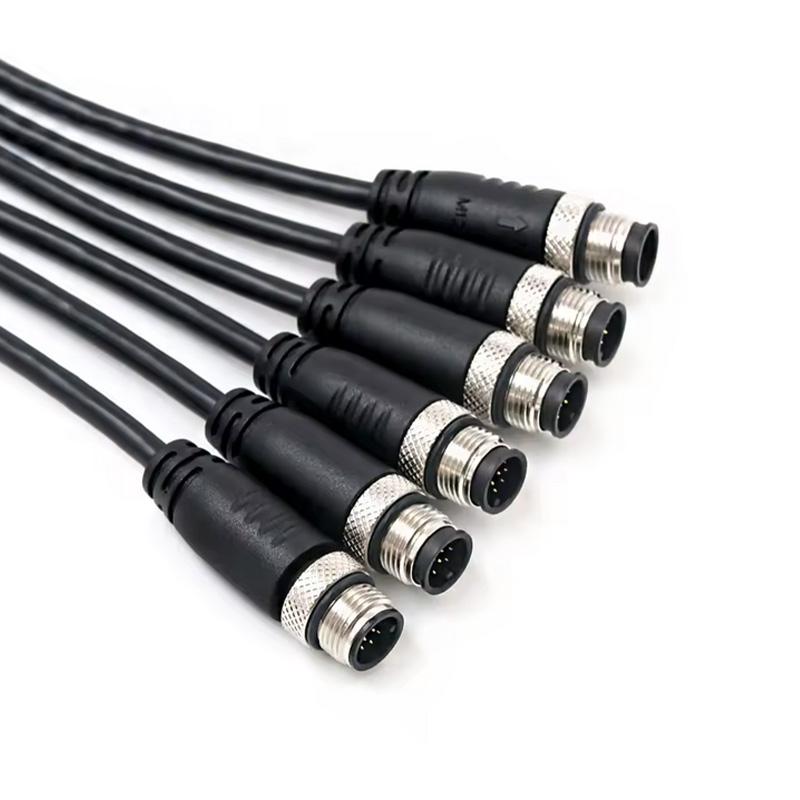
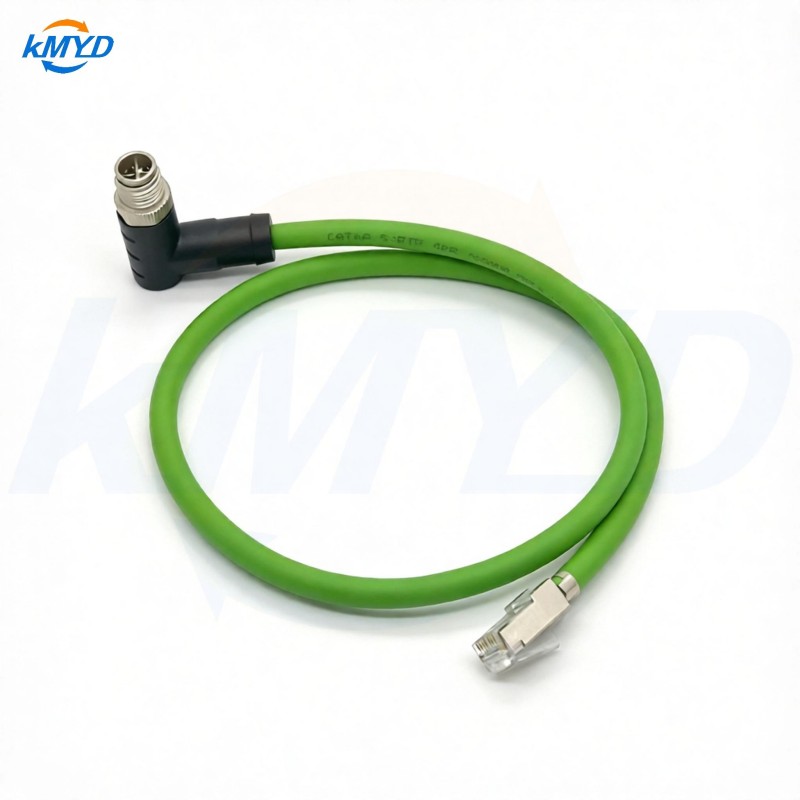
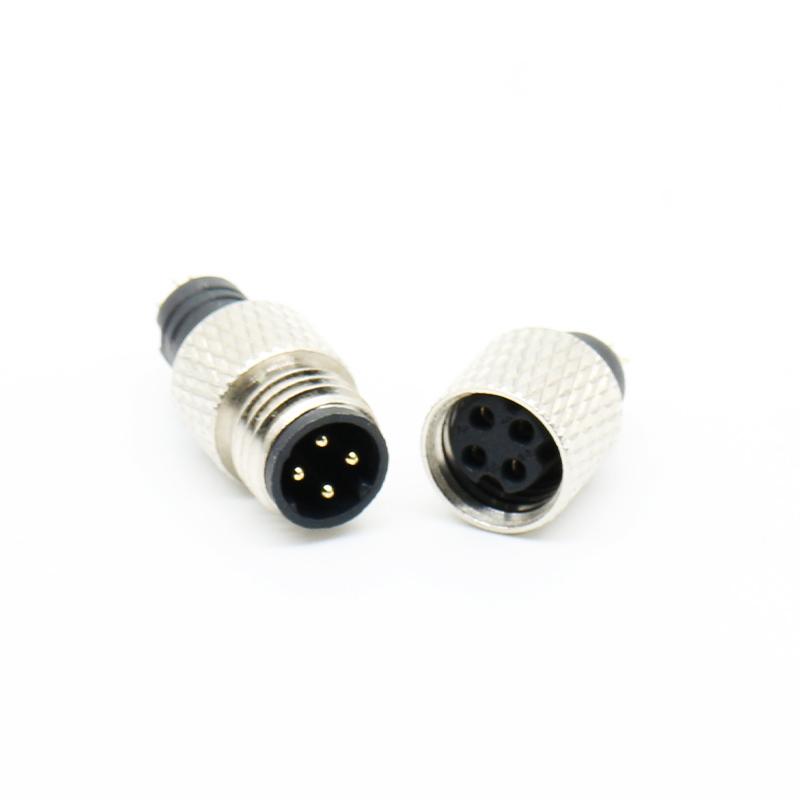
The KMYD M12 cable connector listing and related M12 product can identify the proposed hardware. Ask for the exact termination and counterpart details when developing the investigation plan.
Request a diagnosis that can locate the problem
Provide the responsible engineer with the observed warm location, load and timing evidence, assembly identity and any existing test record. Request a safely obtained resistance result with explicit measurement endpoints and method, followed by a disposition against the applicable requirement. Keep a suspect connection out of service under the equipment's procedure until its condition is resolved; a continuity pass alone does not resolve the heating observation.

 Tel: +8619924482730
 Email: info@kmydconnector.com
 MP/WhatsApp: +8619924482730
 Manufacturer Address:Baoan District, Shenzhen City, Guangdong Province,China