

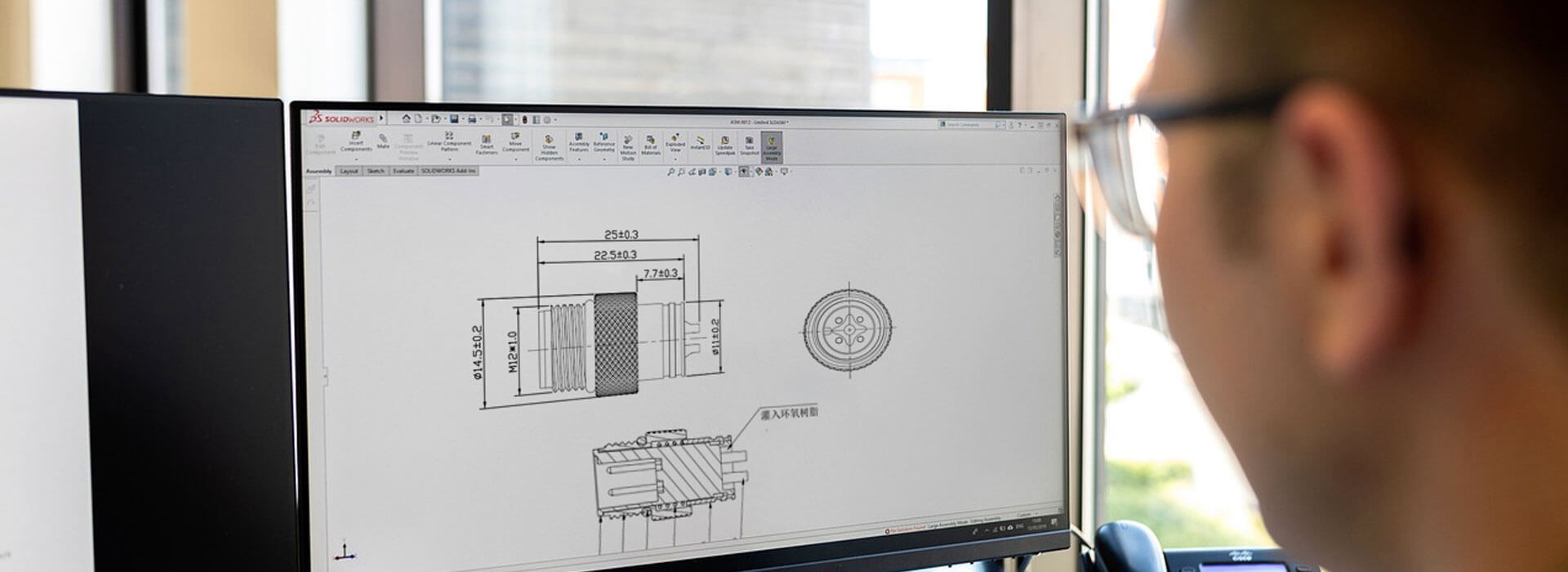
Two neighboring M8 sockets can look correct, accept the same plug and serve different machine functions. That combination creates a cross-connection opportunity during installation or service. A clearer label helps only when the person can see and correctly interpret it at the moment of connection.
Make the intended connection easier to identify, reduce opportunities to exchange leads, and verify the actual port assignment before enabling operation. Where physical prevention is required, review an approved interface or layout change with the equipment designer. Do not assume differently colored M8 products are mechanically incompatible, or that changing the connector alone makes the system safe.
Define the exchange that must be prevented
Start with the two device roles, not with a request for colored cable. In an illustrative fixture, one ordinary input reports material running low and another reports a part present. If their leads can be exchanged, a connection that is mechanically sound can deliver the wrong information: a routine replenishment signal could be interpreted as a workpiece arriving. The consequence depends on the machine's control logic and the stage at which the exchange is detected.
Write down which lead can reach which port, what the controller would see after an exchange and when the mistake would be detected. Include installation, sensor replacement and cleaning-related reconnection. The normal assembly sequence may be clear while a later repair exposes both loose leads at once.

Choose the kind of protection the error needs
ASQ describes mistake proofing as preventing an error or making it immediately apparent. It separates warning functions from control functions that stop a process from proceeding under the wrong conditions. Applied to adjacent sensor ports, that distinction helps expose a weak requirement: “make the labels clearer” is not equivalent to “make the wrong connection impossible.”
- Physical prevention
- A verified incompatible interface, approved mechanical arrangement or controlled routing can remove a specific exchange opportunity. Confirm the entire mating combination and service procedure; an improvised obstruction can create other assembly problems.
- Recognition and detection
- Durable identifiers, a visible port map and a documented functional check can help reveal an exchange. They depend on correct use and should not be represented as physical prevention.
Not every machine needs the same measure. A commissioning delay, rejected workpiece and missed replenishment signal create different operational costs. Have the equipment designer decide the required protection from the actual consequences and detection opportunities; connector color or an operator reminder alone should not be described as preventing the exchange.
Read the layout from the technician's position
Review the panel with neighboring cables installed. A port identifier placed behind the mating collar can disappear just when it is needed. A marking readable on an open bench may face the wall after the module is mounted. If the left-to-right port order changes between two machine variants, a technician can follow a familiar pattern and still make a mistake.
Use consistent equipment and cable-end identifiers that point to the same documented role. Keep text or symbols available when color is difficult to distinguish, and verify visibility under the expected lighting and access conditions. Labels need to survive the actual service environment, but a statement that a label is “industrial” does not establish that suitability.
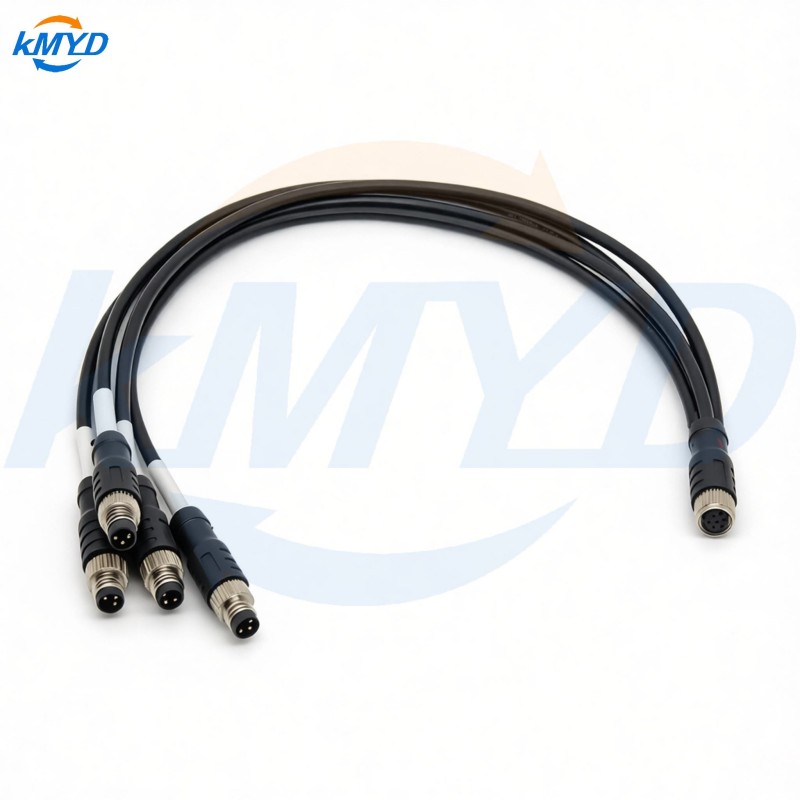
Cable routing deserves its own review. A lead that naturally falls beside its intended port can be easier to distinguish than several equal loose tails emerging from one bundle. However, choosing a very short lead to prevent an exchange can create tension or obstruct servicing. Check both the normal installation and the approved replacement operation before adopting that measure.
Try the service task before freezing the layout
- Prepare an isolated representative panel with the approved leads and its current port map.
- Ask a technician unfamiliar with the arrangement to identify each device-to-port connection using the intended documentation.
- Include the authorized replacement task, with the surrounding cables present. Record ambiguous identifiers or interchangeable lead positions.
- Have the responsible commissioning engineer verify device identity and expected response under the machine's controlled procedure before release.
Use an isolated mock-up or an engineer-controlled simulation when evaluating an exchange; do not trial wrong connections on an operating machine. Record what the proposed measure prevents and what still relies on detection. A successful demonstration of the correct connection does not answer whether the mistaken one remains equally easy.
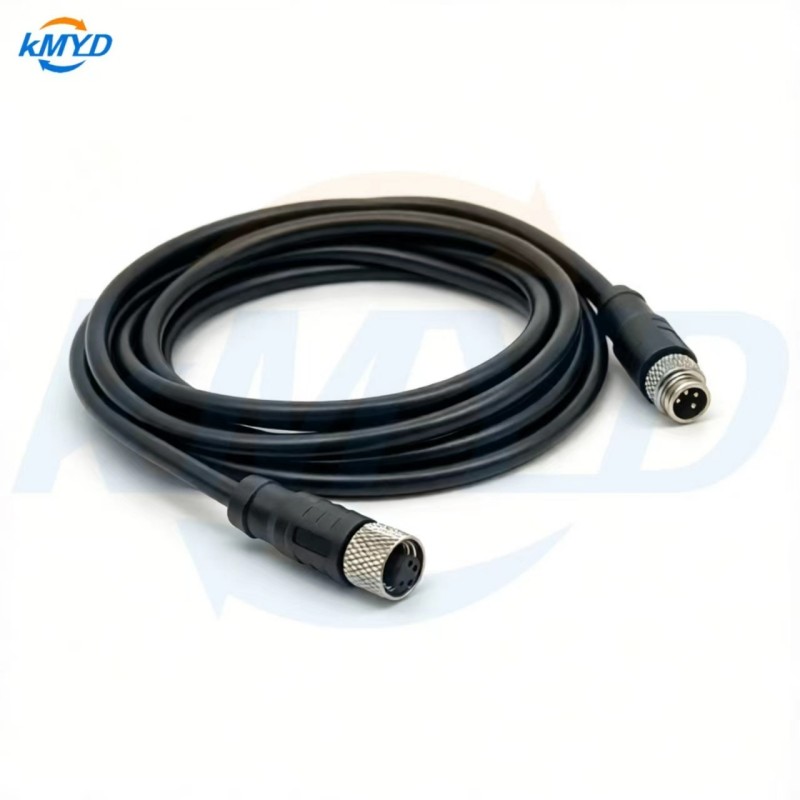
Use the M8 sensor connector listing and M8 panel connector option to identify the candidate parts. Before ordering a purportedly mistake-proof arrangement, obtain confirmation of the actual interfaces and document the port roles on one marked panel view.


 Tel: +8619924482730
 Email: info@kmydconnector.com
 MP/WhatsApp: +8619924482730
 Manufacturer Address:Baoan District, Shenzhen City, Guangdong Province,China