

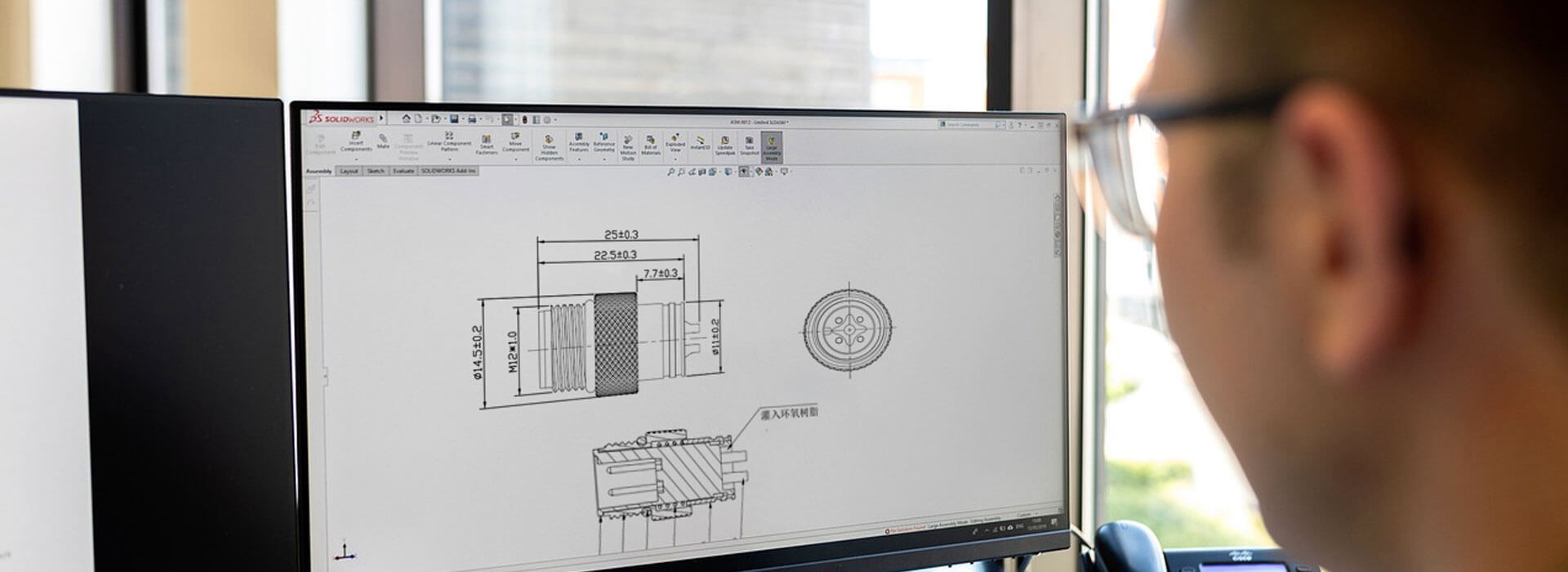
A solder cup in an M16 connector can accept the specified wire only when the exact contact, conductor and preparation method are compatible. The connector series and the wire's nominal gauge do not settle that fit. Check the contact's permitted conductor range and the prepared wire dimensions, then review insulation clearance and space inside the housing. If the combination does not fit, change the approved component selection; do not remove strands or alter the cup to force an assembly.
The mating contact does not reveal the wire termination
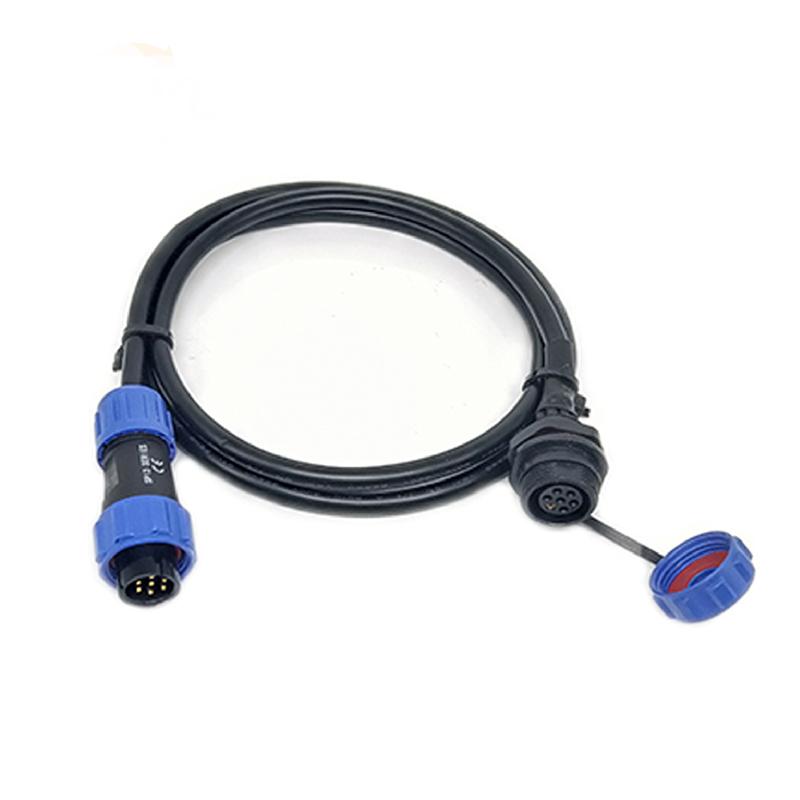
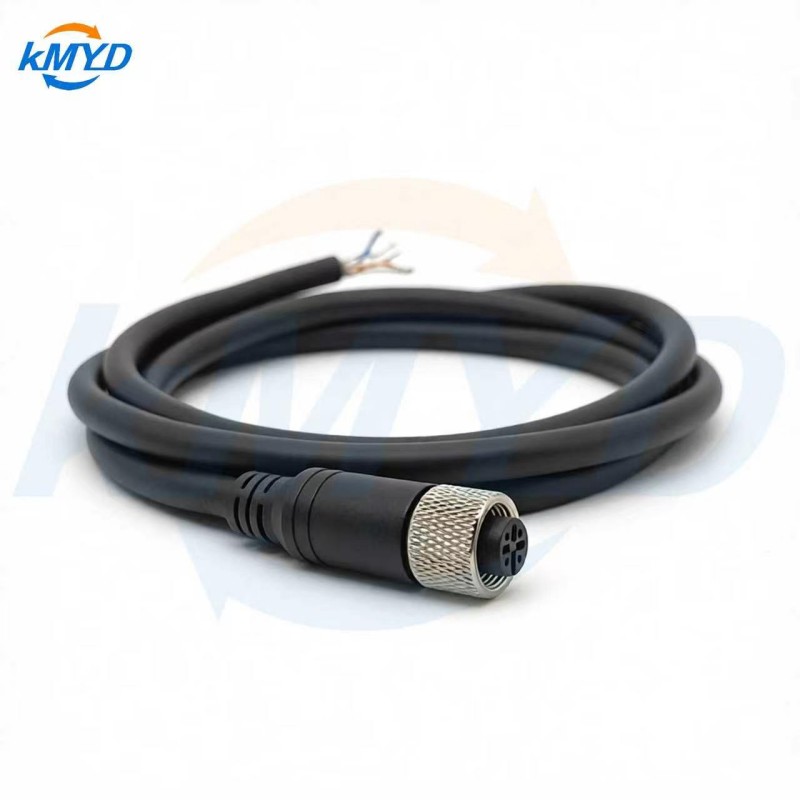
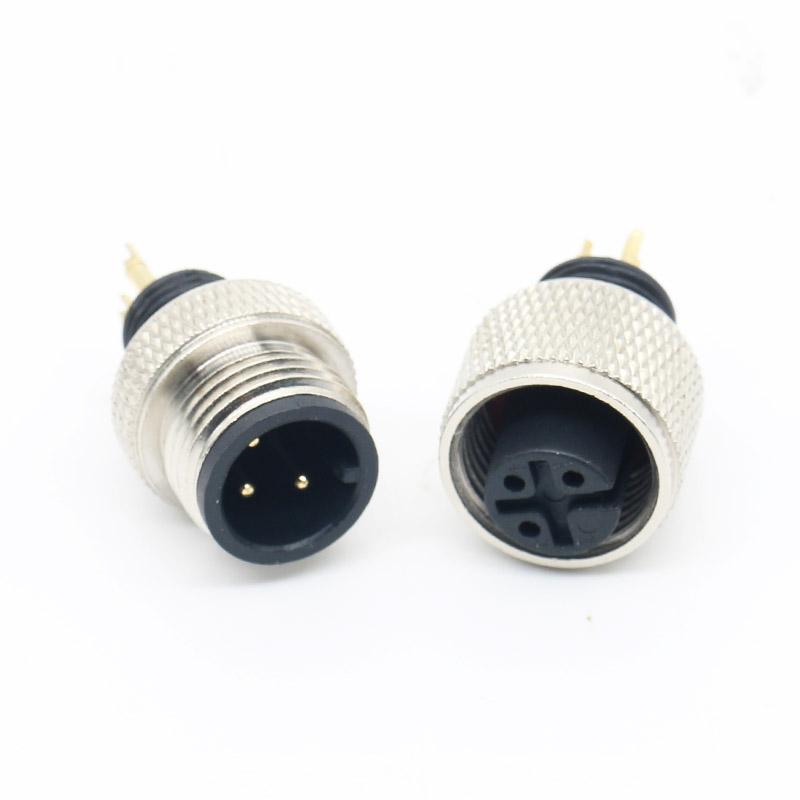
A product photograph usually emphasizes the front of the connector. It may show the pins or sockets clearly while leaving the rear termination hidden. Those two ends perform different jobs. The diameter of a mating pin is not a specification for the wire that can enter a solder cup behind it.
First identify the proposed connector part, insert and termination option. Confirm that the offered part actually uses solder cups, rather than a screw, crimp or board connection. The description “M16 connector” includes too little information to make that decision. Where a listing combines several configurations, ask for the drawing and instruction that belong to the one being quoted.

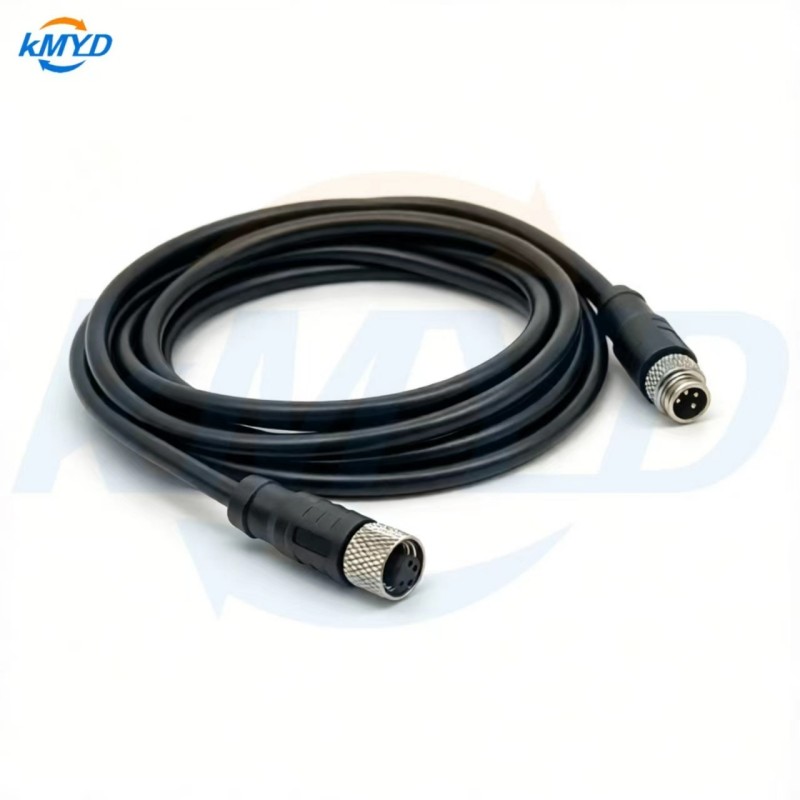
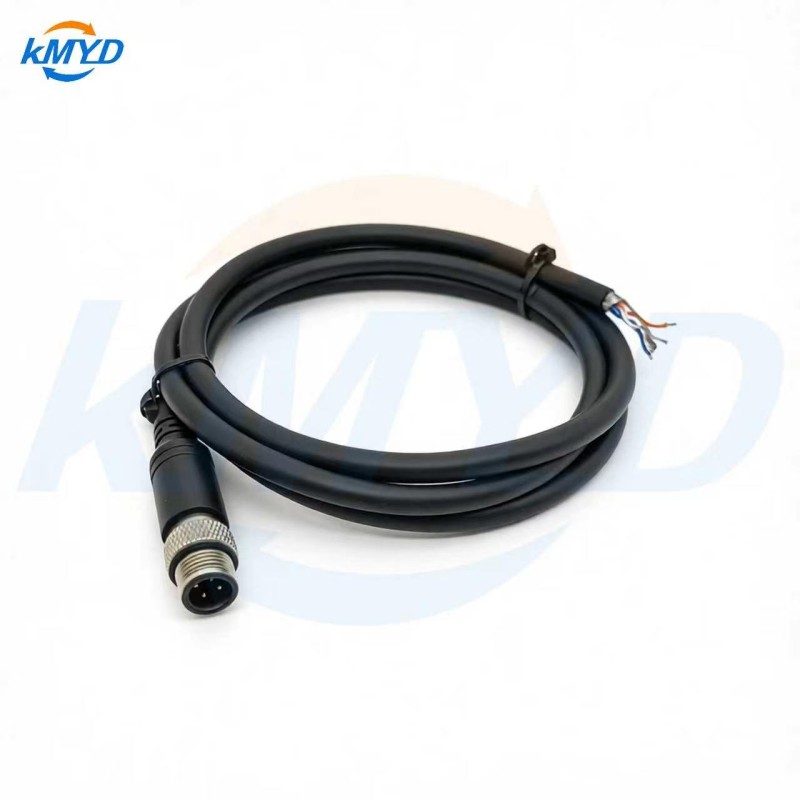
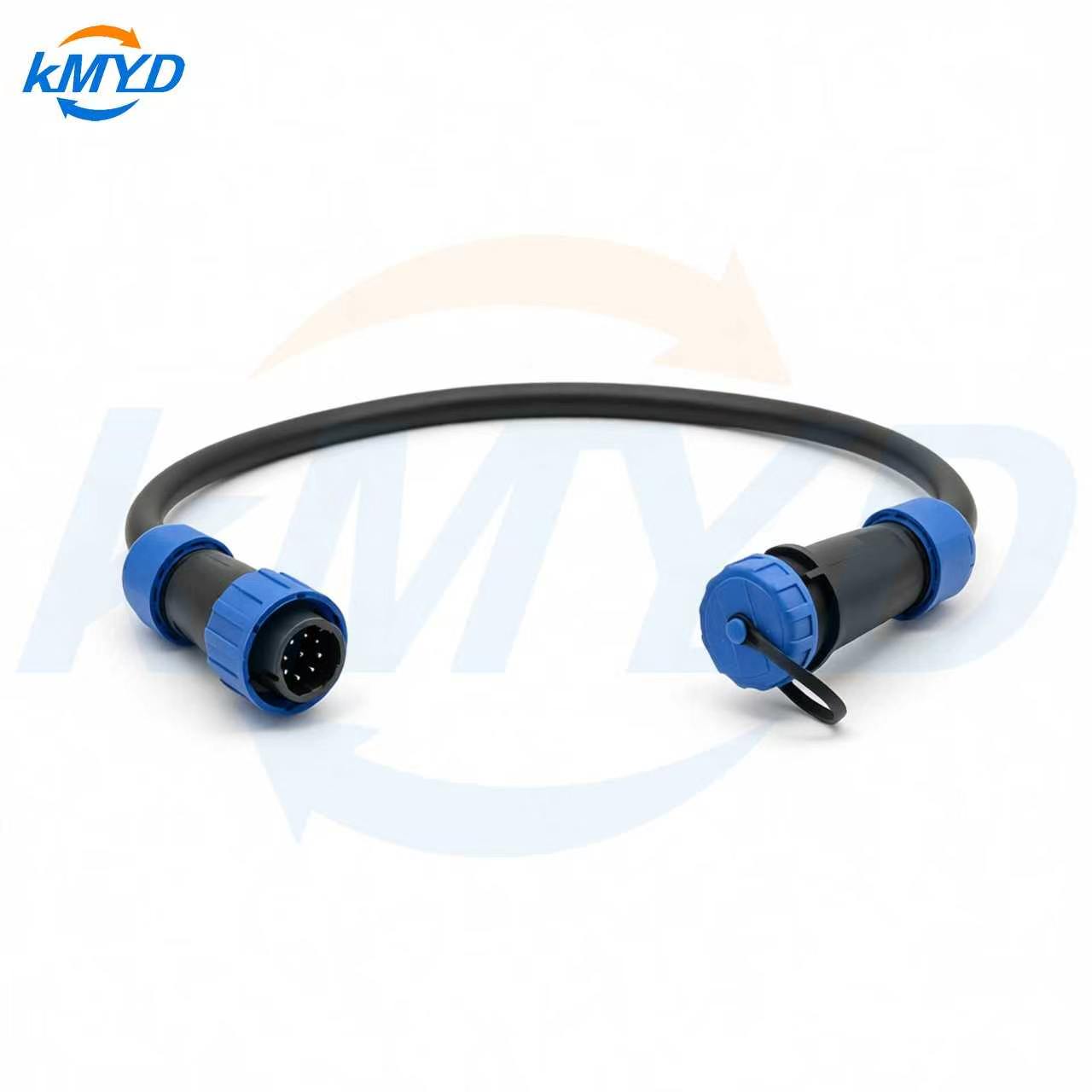
KMYD's M16 circular-connector listing includes solder termination in its specifications. Use it to start the product discussion, then obtain configuration-specific confirmation. The photographs and series table are not substitutes for the exact termination drawing.
Bring the actual wire construction to the review
Wire gauge or conductor cross-sectional area is an important identifier, but it is not a complete dimensional description. The strand arrangement, conductor finish and insulation also need to be known. A wire supplier's part number is much more useful than an instruction to use “any wire of the same gauge.”
Present the connector supplier with the cable or wire data sheet, including conductor construction and insulation outside diameter. Ask which contact option accepts it and what preparation method the manufacturer specifies. Keep the conductor's dimensions separate from the outside diameter of the whole cable: one relates to the termination, while the other may govern cable entry and retention.
| Item | Why it belongs in the fit review |
|---|---|
| Nominal conductor size | Checks the offered wire against the contact's documented conductor range. |
| Prepared conductor end | Checks whether the wire can be inserted as intended after the specified preparation. |
| Insulation diameter and clearance | Checks the space around each terminated conductor and any required insulating sleeve. |
| Wire exit and housing space | Checks whether the completed set of wires can be enclosed without forcing their arrangement. |
This review should cover the populated connector, not only one convenient contact. A wire that enters an isolated cup may still leave an impractical arrangement when the adjacent circuits are terminated and insulated. Ask the assembly supplier to assess the intended contact population and wire routing together.
When the wire does not enter cleanly
Stop the trial and identify the cause before making the parts smaller. Confirm that the wire and contact match their references, then compare the actual preparation with the approved method. Disturbed strands, an incorrect wire construction or an unsuitable contact option are different problems; they should not all receive the same workshop adjustment.
Removing strands changes the conductor. Enlarging or bending a cup changes the contact. Neither action demonstrates compatibility with the originally selected parts. If a smaller conductor or different termination is needed, have the responsible designer review the electrical requirement as well as the fit. A change that solves assembly access can still change the suitability of the circuit.
Do not invent a soldering temperature, heating time or strip length from the housing size. Use the selected part's process guidance and the assembly specification. The work instruction must also address the applicable wire insulation and any cleaning or sleeving operations; a good physical fit is only the beginning of a controlled termination process.

Use a first piece to resolve assembly access
Ask for an identified first piece using the selected wire, contact population and preparation method. Review the termination before it becomes hidden, including conductor placement, insulation clearance and access for inspecting neighboring joints. Inspection criteria should be agreed with the supplier and the customer responsible for the assembly, rather than improvised from a photograph.
Then review the enclosed state. The housing should assemble according to its instruction without using closure to force the wires into position. If the routing has to change, document that arrangement before approving the sample. Include any required electrical verification, while recognizing that a passing wiring check does not by itself establish satisfactory physical workmanship.
The useful deliverable is a confirmed combination: connector and contact reference, wire reference, preparation instruction and accepted internal arrangement. Keep unresolved dimensions or unavailable process instructions on the review record. Purchasing can then order the demonstrated combination, and an alternate wire can be evaluated before it reaches the production bench.
Historical workmanship context: NASA-STD-8739.3, conductor preparation and connector-type solder cups. The selected manufacturer's instructions and agreed project requirements govern the actual assembly.



 Tel: +8619924482730
 Email: info@kmydconnector.com
 MP/WhatsApp: +8619924482730
 Manufacturer Address:Baoan District, Shenzhen City, Guangdong Province,China