

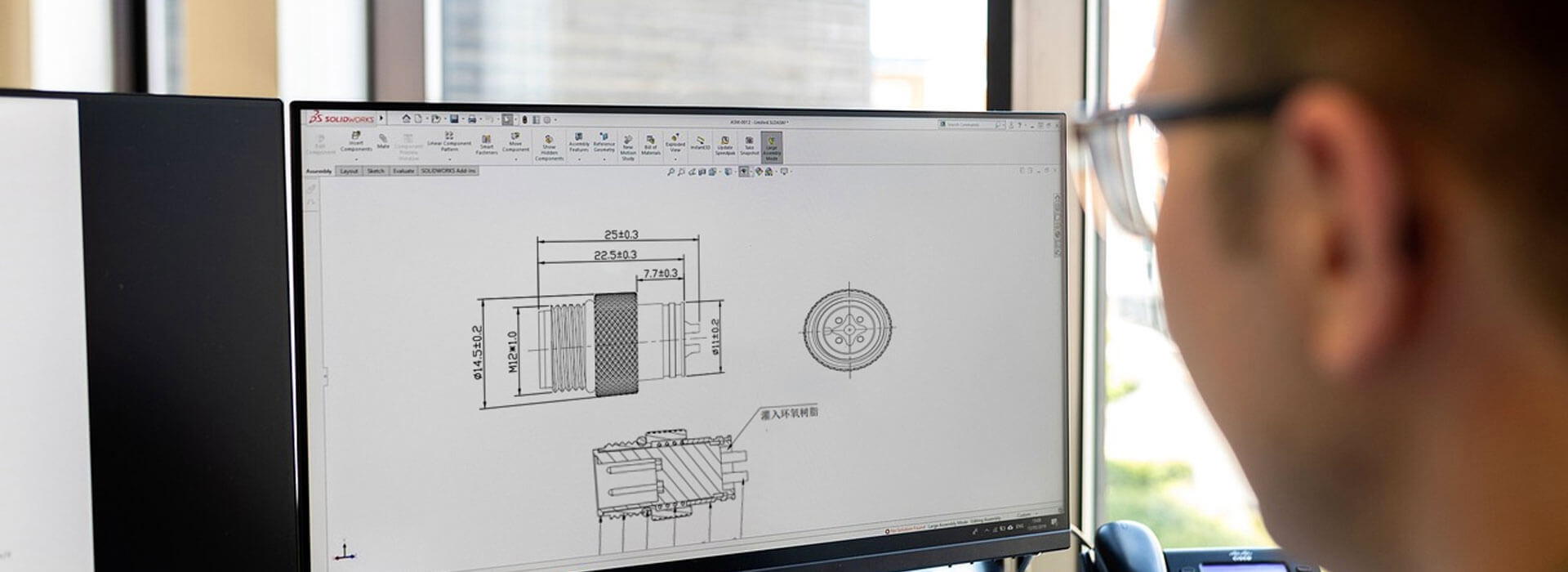
An ingress-test report is useful only when its specimen can be connected to the assembly you intend to buy. Read the part identification and test setup before the pass statement. Confirm which mating parts, cable, seals and mounting arrangement were tested, then compare the recorded exposure with your requirement. A report for another configuration may provide background, but it leaves a technical gap until the supplier explains why its result applies to the proposed build.
Start with the specimen photograph and parts list
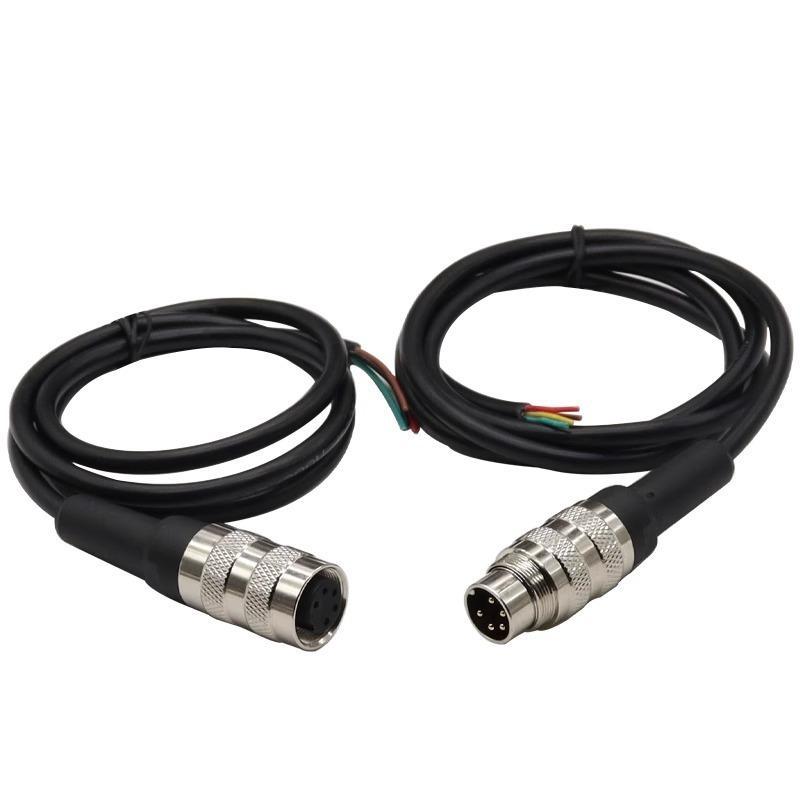
Suppose a quotation offers a panel connector with a customer-selected cable. The attached report describes a connector family, but its photograph shows a cable-to-cable pair. This is a document-review example, not a reported KMYD test. The right next question is whether the panel joint and the proposed cable entry were represented in that specimen.
Look for an identifiable test sample: part references, drawing revision, contact arrangement, mating counterpart and any closure accessories. The list should let the supplier distinguish a tested sample from a visually similar alternative. If a report uses an internal laboratory code, request the controlled cross-reference to the production assembly.
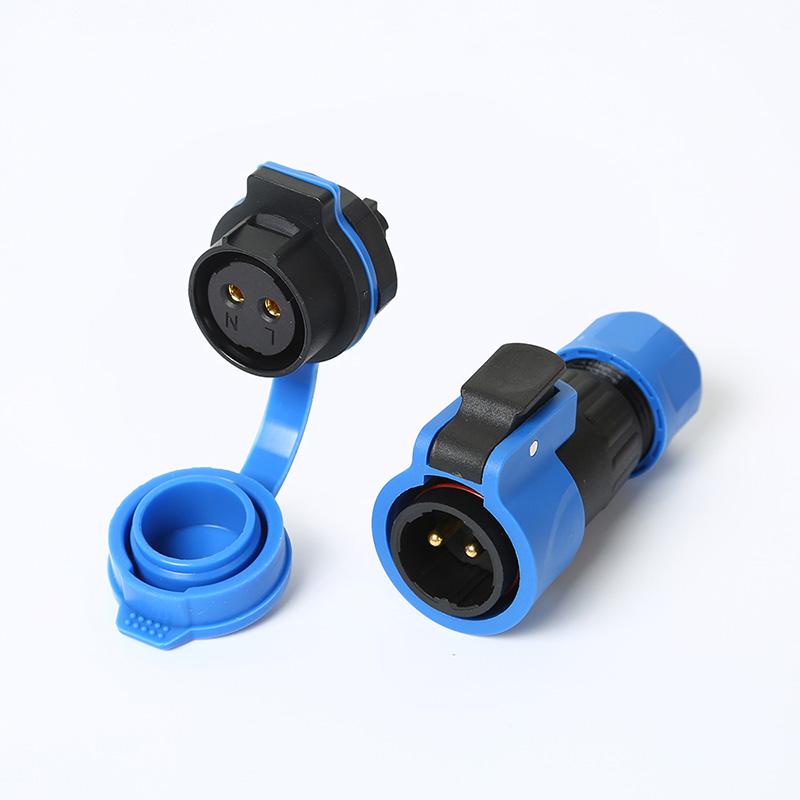
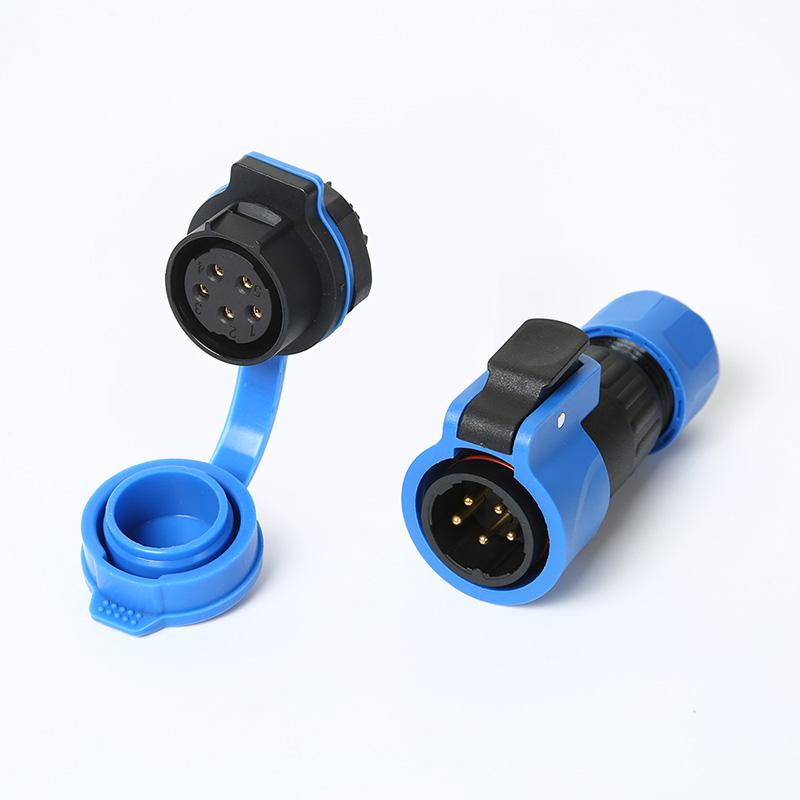
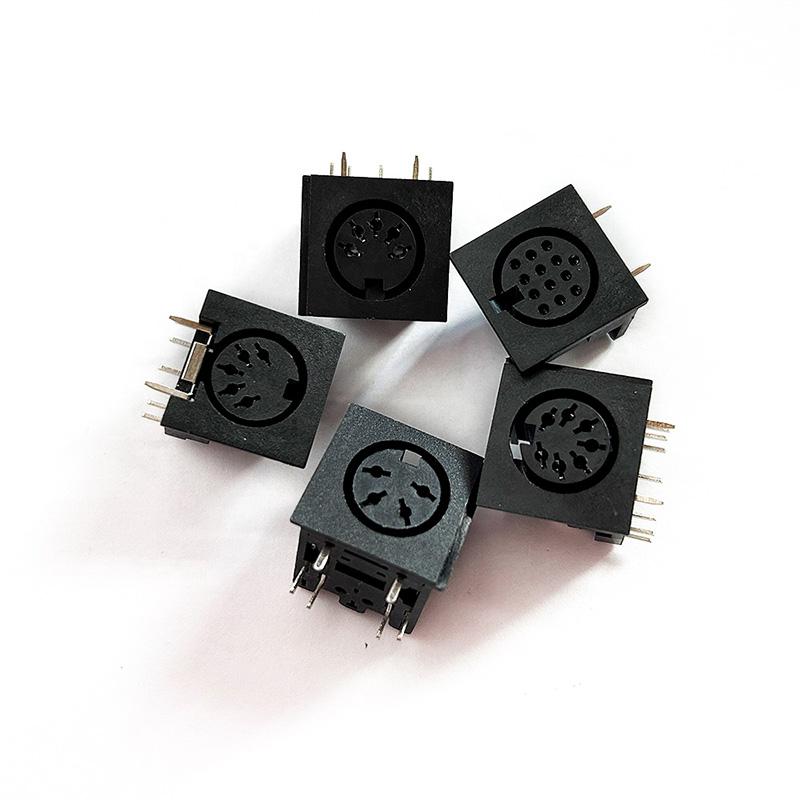
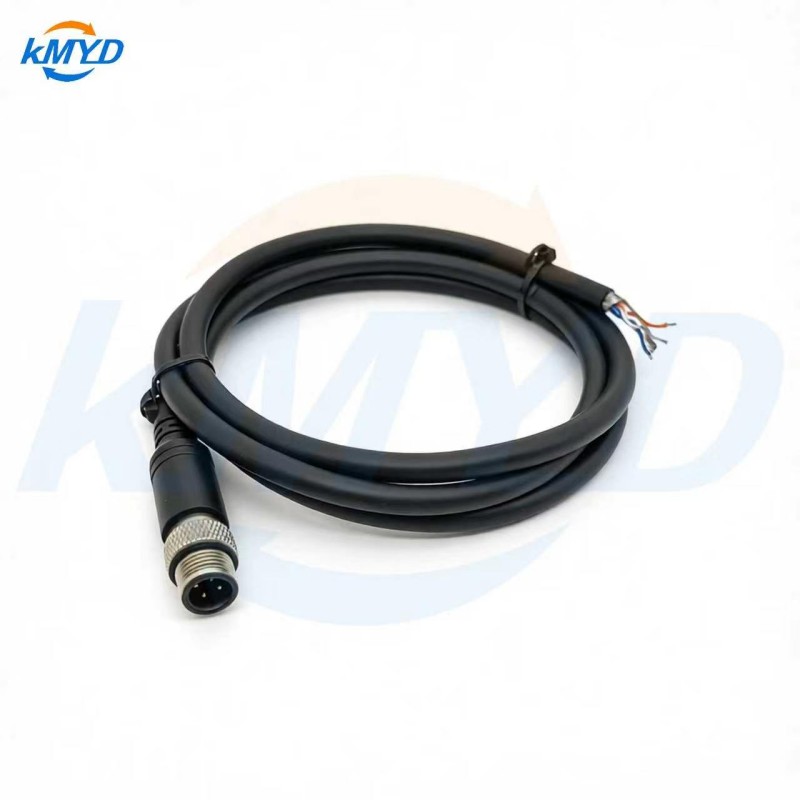
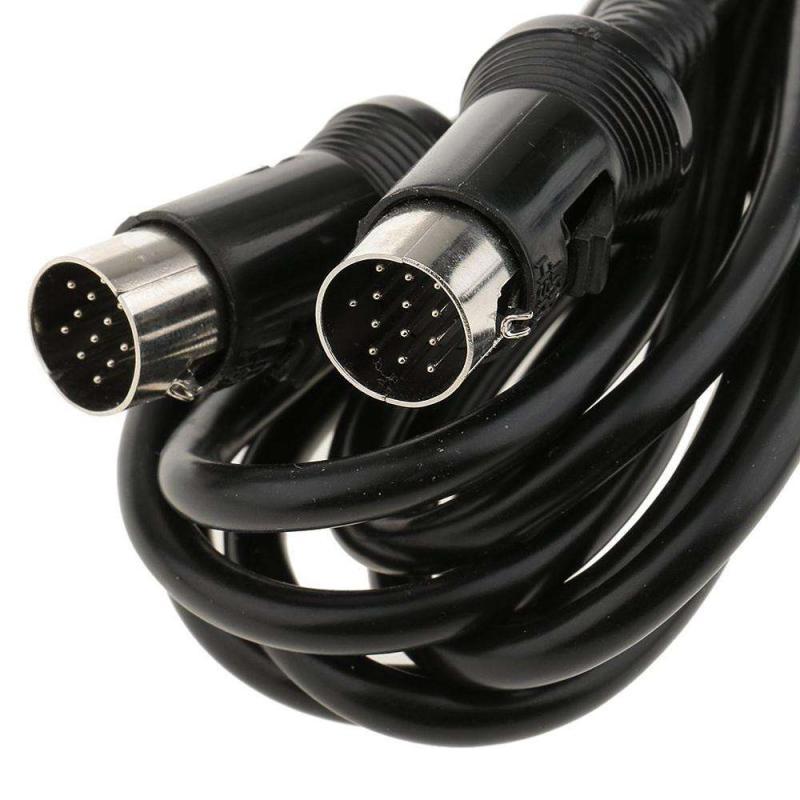
The KMYD FD20 panel-mount product page is one place to begin identifying a proposed construction. Its gallery includes different contact arrangements. Use the quoted drawing and exact assembly reference to establish the test specimen, rather than treating every photograph as the same approved configuration.
Extract the conditions into a short comparison sheet
Keep the stated method and its edition with the actual test details. A rating on a cover page does not tell the reviewer how the sample was mounted or which openings were closed. Ask for the relevant pages when the supplied document is only a certificate summary. Missing setup information should remain an open question, not be filled from a generic chart.
| Report detail | Comparison with the proposed installation |
|---|---|
| Assembly state | Was it connected, capped or exposed? Which side of a panel or enclosure was challenged? |
| Water exposure | What method, duration and relevant immersion or spray conditions were recorded? |
| Cable and seals | Which cable construction, entry parts and mounting seals were fitted? |
| Preparation | Were conditioning, assembly instructions or prior mechanical operations part of the test? |
| Assessment | What acceptance criteria and observations support the reported outcome? |
Do not infer a water-jet result from an immersion result. Also distinguish water exposure from chemical compatibility or corrosion resistance. The official description of IEC 60068-2-18 water testing describes separate water-test methods and states that they are not corrosion tests. It is general standards context, not a substitute for the report governing the offered connector.
If the equipment sees cleaning chemicals, moving cables or repeated disconnection, state those requirements separately. Ask whether the supplied evidence addresses them and, if necessary, agree a relevant additional assessment. Avoid turning an untested condition into an implied extension of the reported result.
A pass statement still has boundaries
Check that the result section identifies the criteria used to judge the specimen. A photograph taken after exposure may show its outside condition, while the written report explains what was inspected or measured. Neither should be silently replaced with a stronger claim such as unlimited underwater operation.
Note how many samples were tested and whether the report applies to design qualification, a particular submitted sample or a specified production batch. These serve different decisions. A historical design test does not automatically document the inspection of every item in a later delivery. Conversely, a shipment inspection does not necessarily evaluate every environmental condition in the equipment specification.
Review any exclusions, deviations and remarks alongside the result. A changed fixture, an agreed departure from the method or a limited test boundary can affect relevance even when the final line says the sample passed. Ask the issuer or supplier to explain an unclear statement rather than removing it from the review summary.
Close differences with a written disposition
List the differences between the report and the purchase drawing without immediately assuming that every difference invalidates the test. A responsible supplier may have a documented reason why the evidence covers a variant. Request that explanation with the relevant drawing references and any limitation, so engineering can decide whether it is adequate.
For a changed cable diameter, panel interface or sealing accessory, ask whether an additional sample assessment is required. Keep the decision with the approved specification. A verbal assurance that the products are “the same series” is not a useful record when the next order substitutes a component.
Release the environmental requirement only after the comparison has a clear outcome: applicable evidence, an accepted technical justification, or a completed agreed test. Retain the full report, the assembly revision it covers and the decision record together. That package tells a later buyer exactly what was accepted and what still requires review when the connector build changes.
Technical reference: IEC 60068-2-18 water testing.

 Tel: +8619924482730
 Email: info@kmydconnector.com
 MP/WhatsApp: +8619924482730
 Manufacturer Address:Baoan District, Shenzhen City, Guangdong Province,China