M12 connectors are the dominant circular interface for sensors, actuators, and industrial Ethernet in factory automation. This guide explains what an M12 connector is, how its coding system defines function, which environmental ratings matter, and how to select the correct version for your machine or control system.
Understanding M12 Connectors in Industrial Automation
In industrial automation, robotics, and fieldbus systems, M12 connectors have become an indispensable component. Despite their historical association with aviation, today their primary use is in smart manufacturing and sensor connectivity. This article explores M12 connectors, including their definition, key features, technical specifications, and selection guidelines.
What is an M12 Connector?
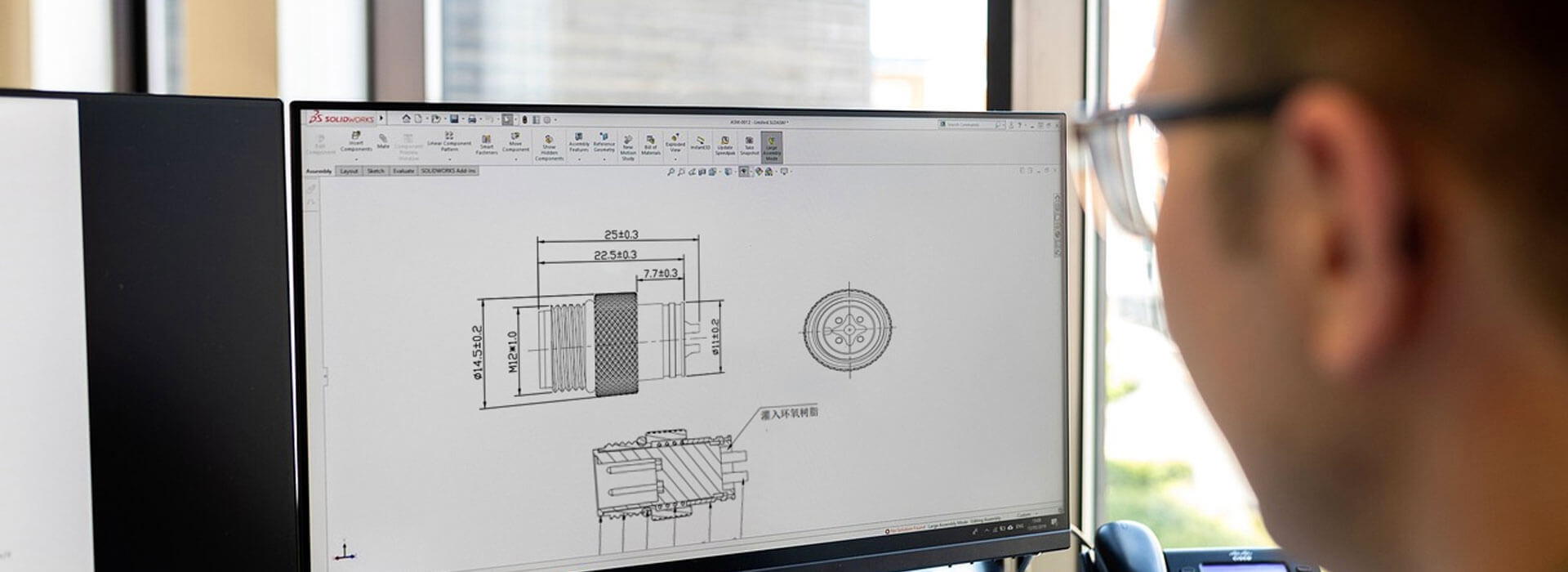
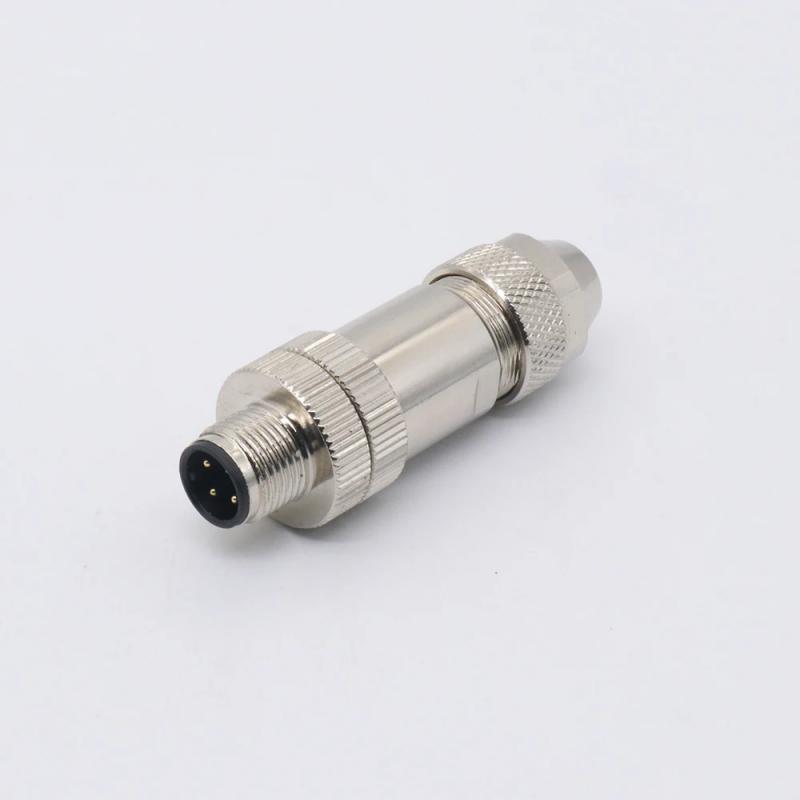
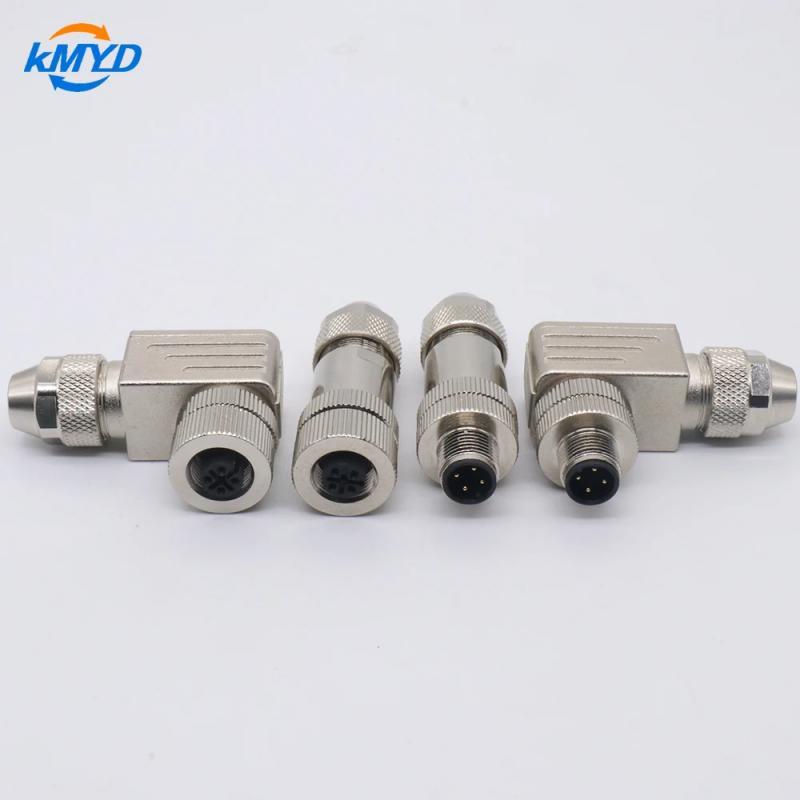
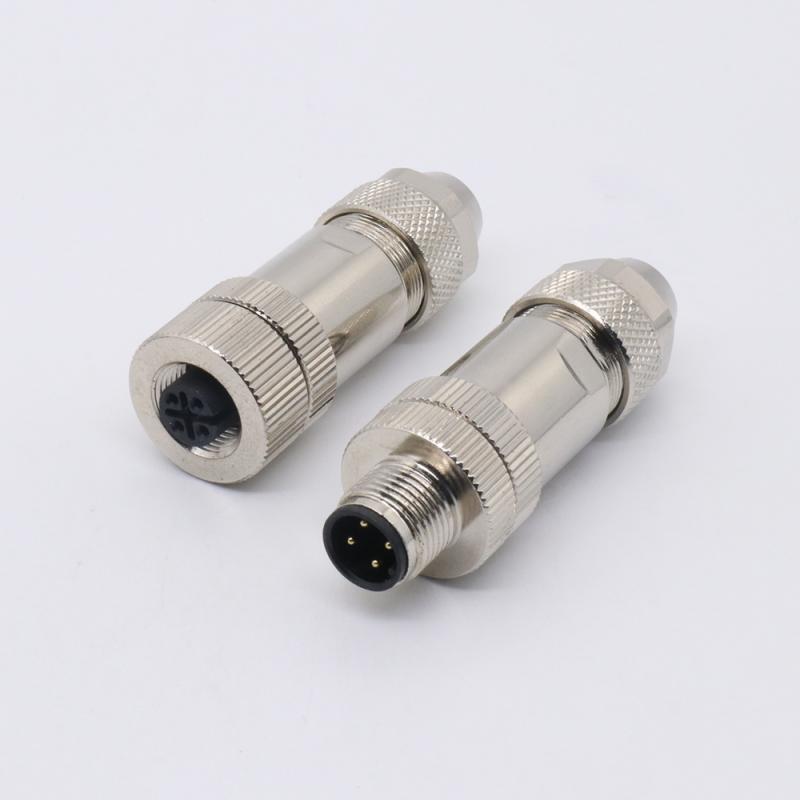
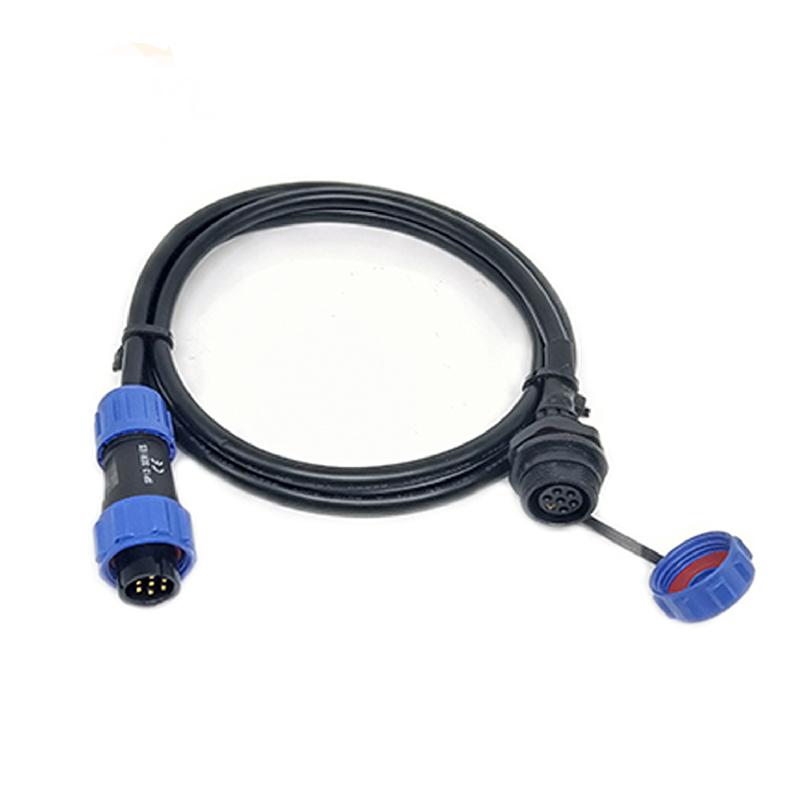
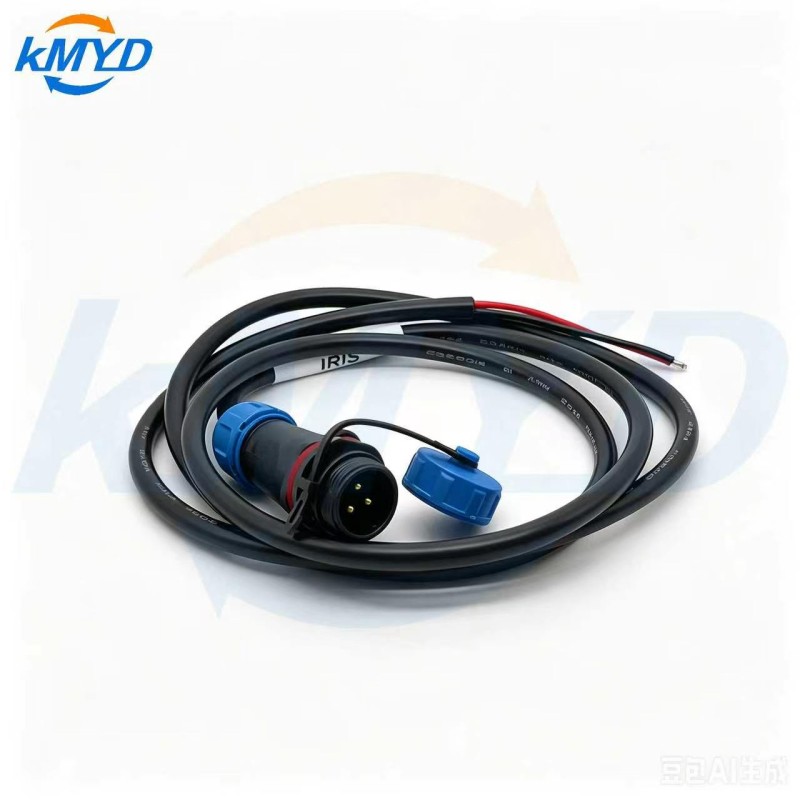
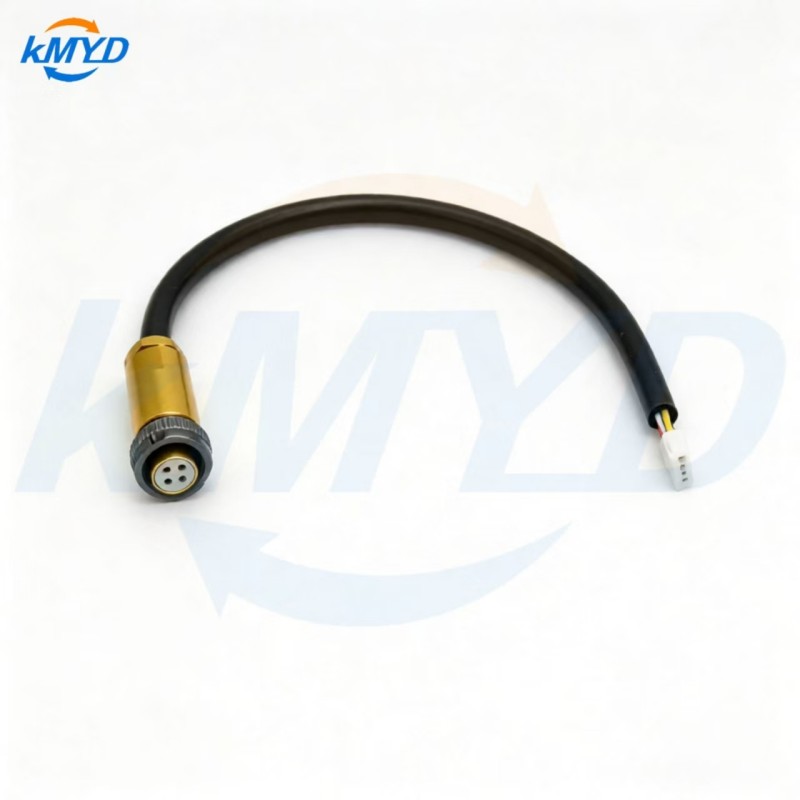
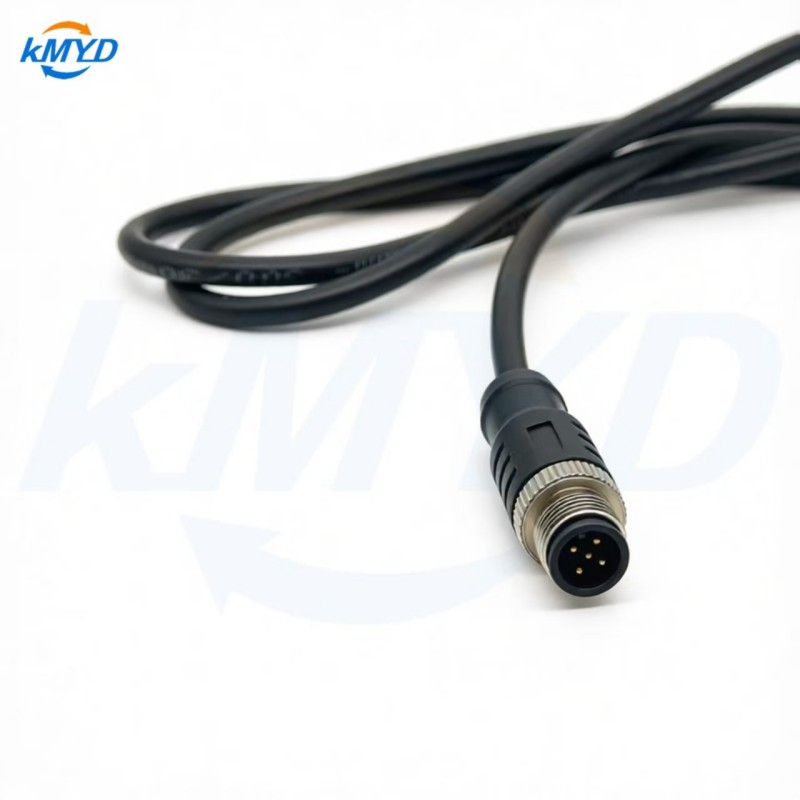
An M12 connector is a circular connector with a screw-lock mechanism. Its name has two parts:
M12: Refers to the 12mm threaded diameter of the connector housing, standardized under IEC 61076-2-101.
Historical "Aviation" Label: Early versions of this circular metal connector were used in aerospace equipment due to their reliability. Industrial applications later adopted this design for robust connectivity.
Current Use: M12 connectors are the go-to interface standard for sensors and actuators in industrial automation. They support signal, data, and low-power transmission, and are especially suitable for harsh environments requiring waterproofing, vibration resistance, and quick connect/disconnect.
Key Features
Compact Size
M12 connectors are a mid-size option between M8 connectors (used for miniature sensors) and M23 connectors (used for servo power supply). Typical M12 connectors support 3–12 pins, allowing both power (≤4A) and signal/data transmission, such as IO-Link or PROFINET.
Coding System
Mechanical coding prevents misconnection and defines functionality:
Coding
Function
Common Applications
Pins
A
Sensors/Actuators, DC power
Proximity switches, photoelectric sensors, IO-Link, 24V DC
3–12
B
Fieldbus
PROFIBUS, INTERBUS
4–5
C
AC power
Small motors, AC supply
3–6
D
Industrial Ethernet (100Mbps)
PROFINET, EtherNet/IP, EtherCAT
4
X
Gigabit Ethernet (10Gbps)
Industrial cameras, high-speed data
8
S/T
High-power AC/DC
Servo motors, drives
4–6
Ingress Protection
M12 connectors often achieve IP67 and can reach IP68/IP69K, allowing installation directly on equipment without extra enclosures. They resist dust, cutting fluids, and vibration.
Typical Applications
Sensors/Actuators: Connecting proximity sensors, photoelectric sensors, valves, and drives.
Network Transmission: Physical medium for PROFINET, EtherNet/IP, EtherCAT, replacing standard RJ45 in vibration-heavy areas.
Distributed I/O: Modules like ET200 or block I/O often feature M12 connectors.
Vision Systems: Industrial cameras transmitting data via X-coded M12 for gigabit Ethernet.
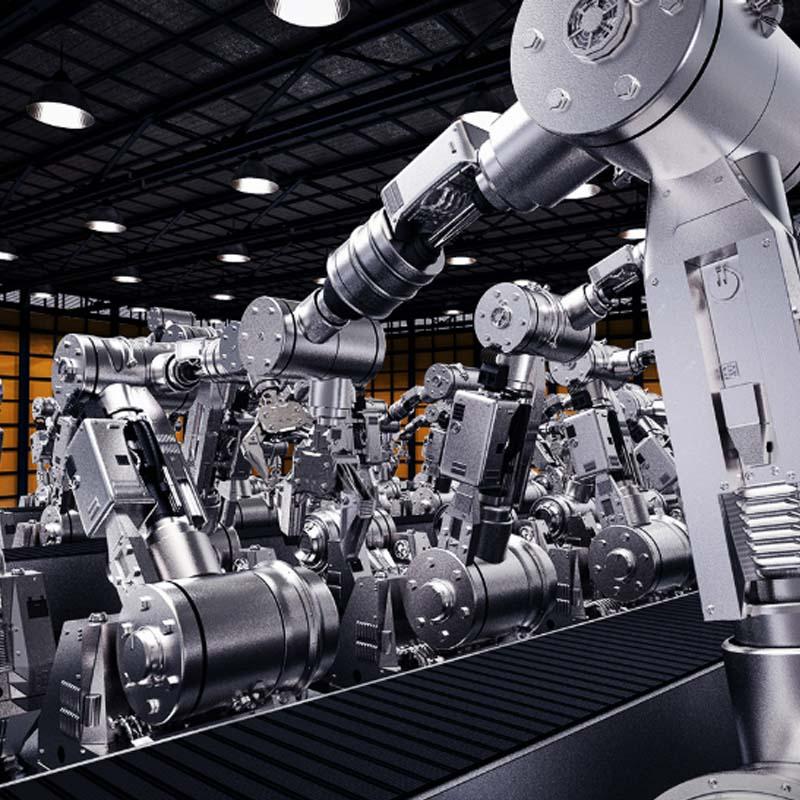
Robotics: Sixth-axis tool-end interfaces for signal and power.
Selection Tips
Signal Type Determines Coding:
Analog or IO-Link → A-coding
100 Mbps Ethernet → D-coding
Gigabit vision → X-coding
Installation Environment Determines Sheath:
Fixed wiring → PVC
Moving cable chains → PUR with high bend cycle rating (≥5 million)
Environment Dictates Materials:
Standard → Nickel-plated brass
Corrosive → Stainless steel or plastic
Shielding Requirements:
Industrial Ethernet or analog signals require full metal shield + tinned copper braid.
Frequently Asked Questions
Frequently Asked Questions
What is the difference between M8 and M12 connectors?
M8 connectors are smaller (8mm thread) and typically used for miniature sensors with fewer pins. M12 connectors (12mm thread) support more pins, higher current up to 4A, and are preferred for actuators, fieldbus, and industrial Ethernet connections.
Can an A-coded M12 connector mate with a D-coded connector?
No. The mechanical keying of each coding type prevents mating between different codes. This is a deliberate safety feature to avoid connecting a sensor cable to an Ethernet port or vice versa.
What does IP67 mean for an M12 connector?
IP67 means the connector is fully protected against dust ingress and can withstand temporary immersion in water up to 1 meter for 30 minutes. For washdown or high-pressure cleaning environments, IP68 or IP69K versions may be required.
Is an M12 connector suitable for PROFINET?
Yes. D-coded M12 connectors are the standard physical interface for PROFINET at 100 Mbps. For higher-speed applications, X-coded M12 connectors support gigabit Ethernet.
What cable sheath should I choose for a robot arm?
For moving applications like robot arms or cable chains, use PUR-jacketed cables rated for high bend cycles (≥5 million). PVC is only suitable for fixed wiring installations.
Conclusion
M12 connectors act as a "universal language" for industrial automation endpoints. They are not aviation-specific nor universal power plugs but are standardized under IEC for robust signal, data, and low-power transmission in harsh industrial environments. Correct coding, sealing, and installation ensure reliable operation in automated systems.
Before specifying an M12 connector, confirm the signal type (sensor, Ethernet, or power), the required coding (A, B, C, D, X, S/T), the pin count, and the environmental rating needed for your installation. For cable assemblies, verify the sheath material against the motion profile and chemical exposure. If you are unsure about the mating interface or pin assignment, request the connector drawing and compare it with your device pinout before ordering. For a project-specific recommendation, prepare your electrical load, cable length, and mounting conditions and send them with your inquiry.





 Tel: +8619924482730
 Email: info@kmydconnector.com
 MP/WhatsApp: +8619924482730
 Manufacturer Address:Baoan District, Shenzhen City, Guangdong Province,China