For industrial sensors and actuators, the M8 connector provides a compact, standardized interface for signal and power transmission in space-constrained automation equipment. Its small form factor, combined with robust environmental sealing and secure locking options, makes it a practical choice for robotics, machine control, and process automation where reliable connectivity is essential. This guide explains the key benefits, selection criteria, and installation considerations for M8 connectors in sensor and actuator applications.
Key Benefits of M8 Connectors for Sensors and Actuators
The primary advantage of the M8 connector is its compact size, which suits applications with limited installation space, such as robotic arms, proximity sensors, and compact control cabinets. Despite its small diameter, the M8 interface delivers reliable performance, with options for screw-type or snap-lock coupling that secure the mating halves against vibration and accidental disconnection. This locking security is critical in moving machinery where a loose connection can cause intermittent signal loss or unexpected downtime.
Another benefit is the standardization of the M8 interface across many sensor and actuator manufacturers. This reduces the variety of connector types needed in a facility, simplifying spare parts inventory and maintenance procedures. When a sensor or actuator needs replacement, the standardized M8 interface often allows a direct swap without rewiring, provided the pinout and electrical ratings match the original component.
Durability and Environmental Resistance
Industrial environments expose connectors to humidity, dust, vibration, and occasional chemical contact. M8 connectors are typically constructed with robust materials such as stainless steel or engineered plastics, and many versions are rated IP67 or IP68. An IP67 rating indicates protection against dust ingress and temporary immersion in water, while IP68 extends protection for continuous submersion under specified conditions. These ratings make M8 connectors suitable for washdown areas in food processing, outdoor installations, and other wet or dusty environments.
When selecting an M8 connector for a harsh environment, verify the specific IP rating and the material compatibility with any chemicals present in the application. A connector rated for water resistance may not be resistant to solvents or oils. Confirm the housing and seal materials against the actual exposure conditions before installation.
Installation and Maintenance Considerations
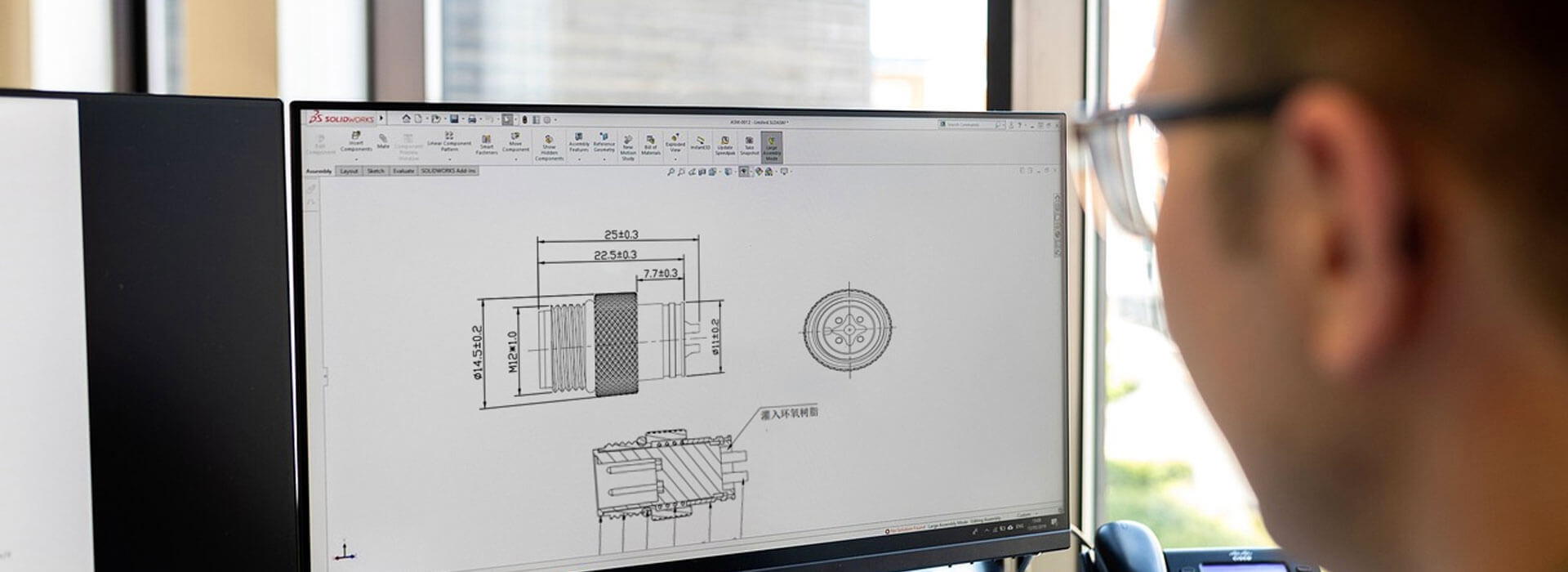
M8 connectors are designed for straightforward field installation. Most versions use a screw-type coupling that requires no special tools, allowing quick assembly and disassembly. This reduces labor time during initial installation and simplifies maintenance when a sensor or actuator must be replaced. The standardized design also supports rapid replacement of a damaged connector or cable assembly, minimizing production downtime.
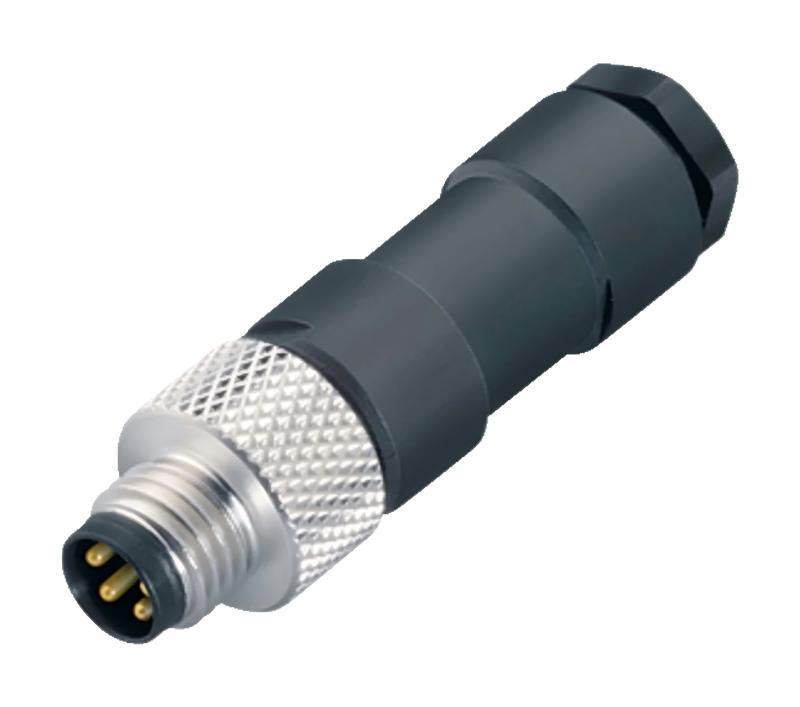
For field-wireable versions, follow the manufacturer's pinout diagram carefully. Incorrect wiring is a common cause of sensor failure or actuator malfunction. Use the recommended cable diameter range and ensure the strain relief is properly tightened to prevent pull-out forces from reaching the contact terminations. For pre-molded cable assemblies, verify the cable length and bend radius to avoid stress on the connector during machine operation.
Typical Industrial Applications
M8 connectors are widely used in factory automation, automotive production lines, and process control systems. In automotive manufacturing, they connect sensors monitoring engine parameters, safety systems, and robotic assembly cells. The connector's ability to handle high-speed signal transmission and withstand vibration makes it suitable for these demanding applications.
In the food and beverage industry, M8 connectors with high IP ratings are used on production lines where equipment is frequently washed down. Their resistance to moisture and cleaning agents helps maintain reliable operation in wet conditions. Similarly, in mining, agriculture, and material handling, the M8 connector's rugged construction supports reliable performance in high-vibration and dusty environments.
Selecting the Right M8 Connector
Choosing the correct M8 connector requires matching the interface to the application's electrical, mechanical, and environmental requirements. Consider the following factors:
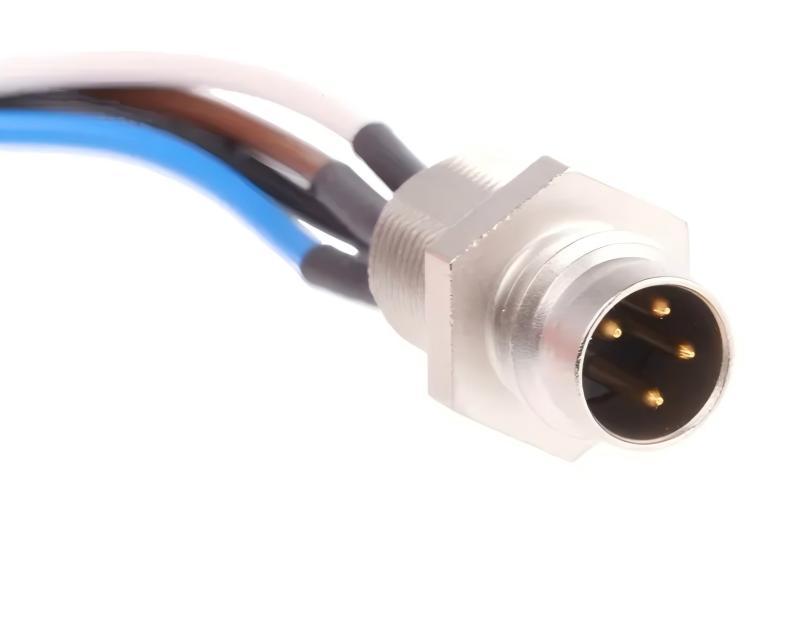
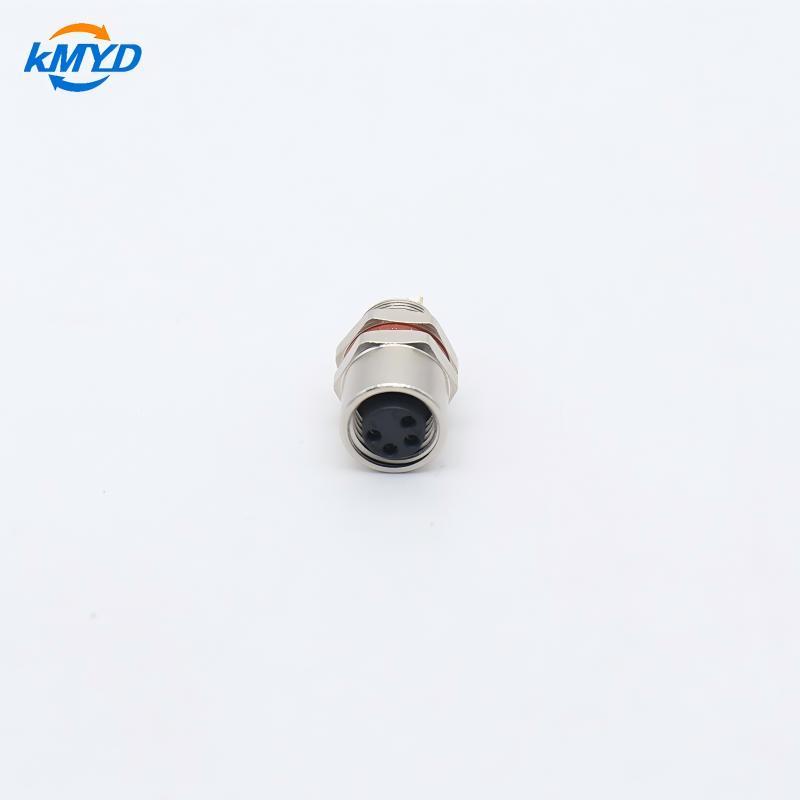
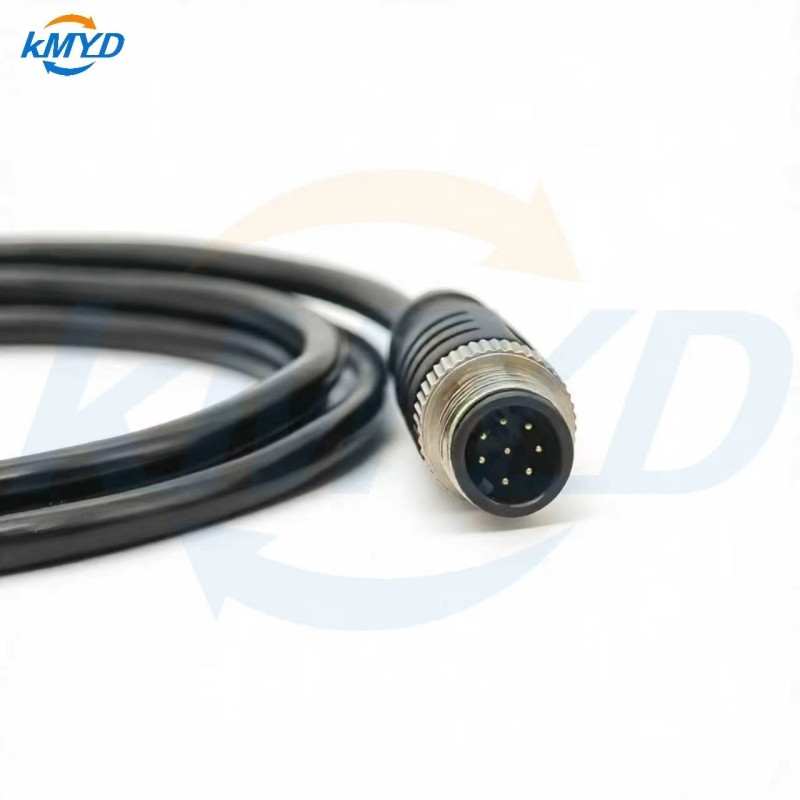
Pin count and pinout: M8 connectors are available in 3, 4, 5, 6, and 8-pin configurations. Verify the sensor or actuator pinout and the required number of signal and power contacts.
Electrical ratings: Check the rated current and voltage of the connector against the load requirements. For example, a 4-pin M8 connector typically supports up to 4 A at 30 V AC/DC, but confirm the specific rating for the chosen model.
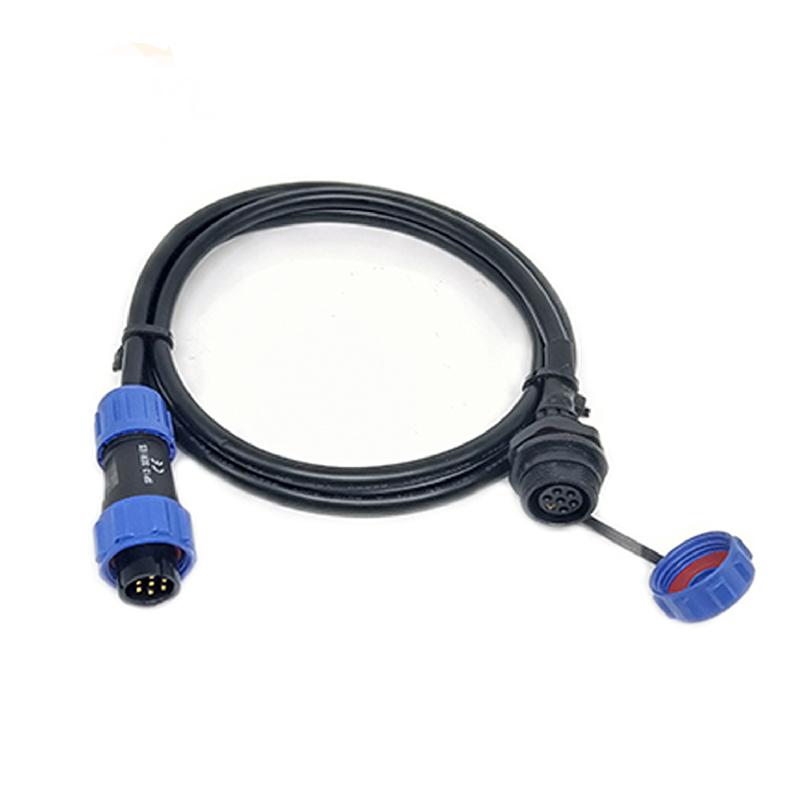
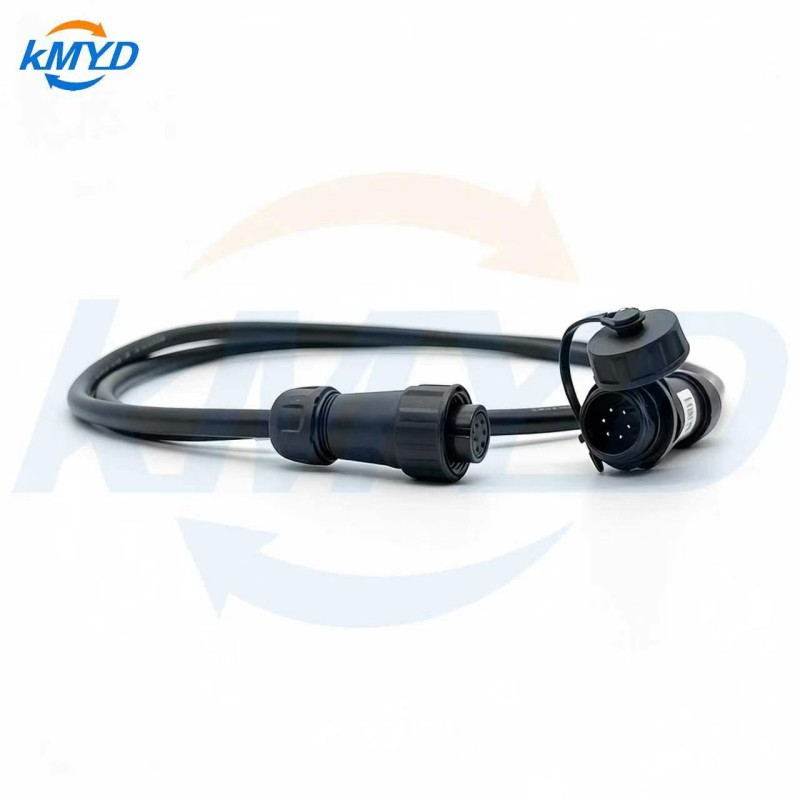
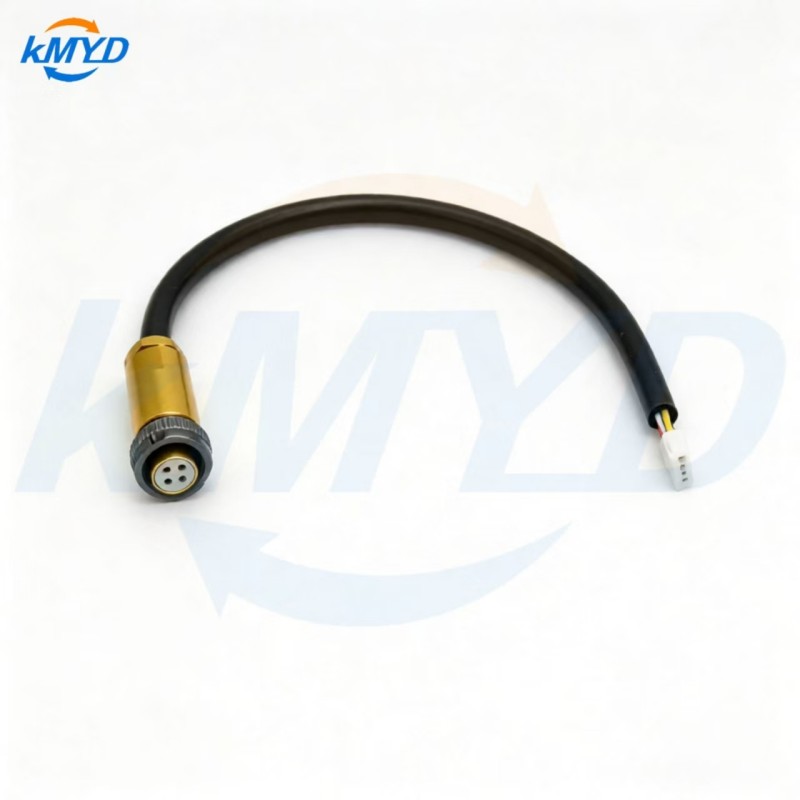
Cable and termination: Select between pre-molded cable assemblies and field-wireable connectors based on installation needs. Ensure the cable diameter fits the connector's strain relief range.
Environmental protection: Match the IP rating and housing material to the exposure conditions, including moisture, dust, chemicals, and temperature extremes.
Locking mechanism: Choose screw-type for high-vibration applications or snap-lock for quick disconnection where vibration is less severe.
For high-speed data transmission or applications requiring optimal signal integrity, consider connectors with gold-plated contacts and higher pin counts. Gold plating reduces contact resistance and improves corrosion resistance, which is beneficial in humid or chemically aggressive environments.
Frequently Asked Questions
Frequently Asked Questions
What is the difference between M8 and M12 connectors? M8 connectors have an 8 mm mating thread, while M12 connectors have a 12 mm thread. M8 is more compact and suited for smaller sensors and actuators with lower current requirements, while M12 is used for larger devices, higher currents, and applications requiring more pins.
Can M8 connectors be used for both signal and power transmission? Yes, M8 connectors can transmit both signal and low-level power. The rated current depends on the pin count and contact design, typically up to 4 A per contact for standard versions. For higher power requirements, an M12 or larger connector may be necessary.
Are M8 connectors waterproof? Many M8 connectors are rated IP67 or IP68, meaning they are protected against dust ingress and water immersion under specified conditions. Verify the exact IP rating of the chosen model against the application's exposure requirements.
How do I determine the correct pinout for an M8 connector? The pinout is defined by the sensor or actuator manufacturer and the connector standard. Always refer to the device's datasheet and the connector manufacturer's pinout diagram. Incorrect wiring can damage the sensor or cause malfunction.
Can M8 connectors be field-wired or must they be pre-molded? Both options are available. Field-wireable M8 connectors allow custom cable lengths and on-site termination, while pre-molded cable assemblies offer a factory-sealed, ready-to-install solution. Choose based on installation flexibility and environmental sealing requirements.
Conclusion
The M8 connector offers a compact, durable, and standardized solution for connecting sensors and actuators in industrial automation. Its small size, environmental sealing, and secure locking mechanisms make it suitable for a wide range of applications, from robotics to food processing. When selecting an M8 connector, verify the pin count, electrical ratings, IP protection, and material compatibility against your specific application requirements.
To ensure a reliable installation, confirm the pinout with the device datasheet, select the appropriate cable and termination method, and verify the environmental ratings match the operating conditions. For project-specific requirements, prepare a detailed specification including pinout, cable length, and environmental exposure, and consult the connector catalog to identify suitable options.




 Tel: +8619924482730
 Email: info@kmydconnector.com
 MP/WhatsApp: +8619924482730
 Manufacturer Address:Baoan District, Shenzhen City, Guangdong Province,China