LD20/SP20 Industrial Flange Connector Dimensions and Specs
Project Background: Electrical Interfacing for Robotic End Effectors
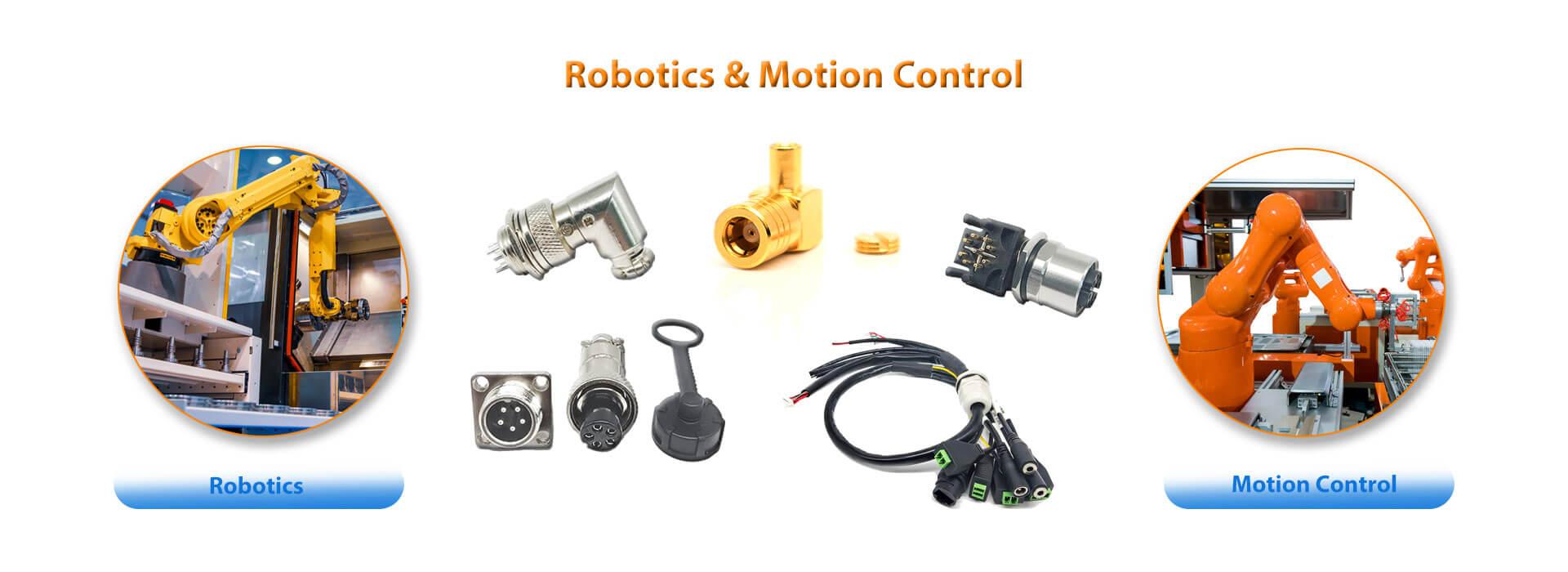
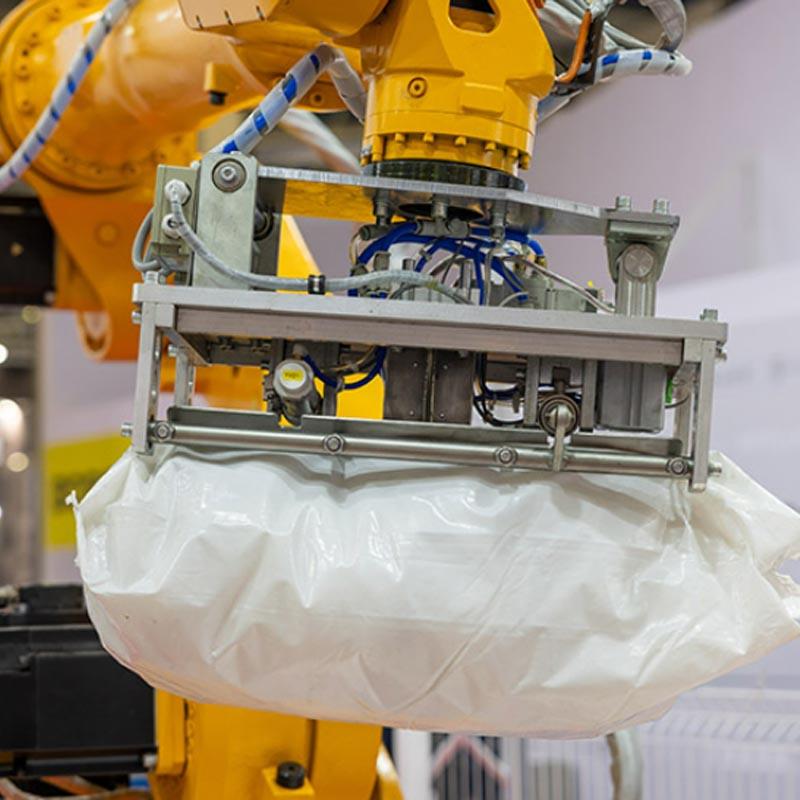
Robotic arm end effectors—including grippers, welding tools, and suction devices—depend on stable electrical connections for precise operation and continuous productivity. The MS27508E14B35P connector is used to interface end effector control modules, sensors, actuators, and power lines, supporting both power delivery and signal transmission for accurate task execution.
These connectors are typically applied in automated assembly, material handling, and welding cells where end effectors must be swapped quickly between tasks. The electrical interface must accommodate control signals and moderate power loads while surviving the mechanical demands of a moving robotic arm.
Interface and Environmental Requirements
Robotic arm end effectors operate in demanding industrial environments with constant motion, vibration, and exposure to dust, oil, and temperature variations. The MS27508E14B35P connector addresses these conditions through its rugged metal shell and secure bayonet coupling mechanism, which maintain dependable connections under mechanical stress.
Key environmental and mechanical considerations for this application include:
- Continuous vibration from robotic motion and acceleration forces
- Exposure to cutting fluids, lubricants, or airborne particulates
- Repeated mating cycles during tool changes and maintenance
- Temperature fluctuations within the production cell
Connector Solution: MS27508E14B35P Configuration
The MS27508E14B35P is a bayonet-coupling connector with a metal shell designed for reliable service in industrial automation. Its construction supports secure mating and resistance to mechanical stress, helping prevent intermittent contact during repetitive robotic tasks.
For end effector applications, the connector is typically paired with flexible robotic cable to accommodate continuous flexing and torsional movement. The connector's design supports quick disconnect and reconnection, which is essential for tool-change operations and scheduled maintenance.
Commissioning and Delivery Process
Successful deployment of MS27508E14B35P connectors in end effector systems involves several verification steps:
- Confirm the pin configuration and contact layout match the end effector control board and sensor wiring scheme
- Verify cable strain relief and bend radius are suitable for the robot arm's range of motion
- Test continuity and insulation resistance after cable assembly and before installation
- Perform a trial run through a full work cycle to confirm stable signal transmission under motion
- Document torque values for coupling and verify mating force is consistent across repeated connections
Verified Results and Operational Benefits
When correctly specified and installed, MS27508E14B35P connectors support efficient equipment maintenance and tool replacement. End effectors can be changed or serviced with quick, secure reconnection, minimizing system downtime.
The connector's durable construction helps maintain uninterrupted operation during repetitive tasks, contributing to operational efficiency and precision control in robotic automation systems. For engineers evaluating this connector, the key decision factors are the pin count and layout, cable entry style, and the mechanical coupling method relative to the robot arm's motion profile.
For related applications, see M8 Connectors in Industrial Robot Sensors and SP21 Connectors in Robotic Arm Actuators.




 Tel: +8619924482730
 Email: info@kmydconnector.com
 MP/WhatsApp: +8619924482730
 Manufacturer Address:Baoan District, Shenzhen City, Guangdong Province,China