LD32/SP32 Electrical Panel Mount Connector
Project Background: TNC RF Connectors for Norway's Maritime Sector
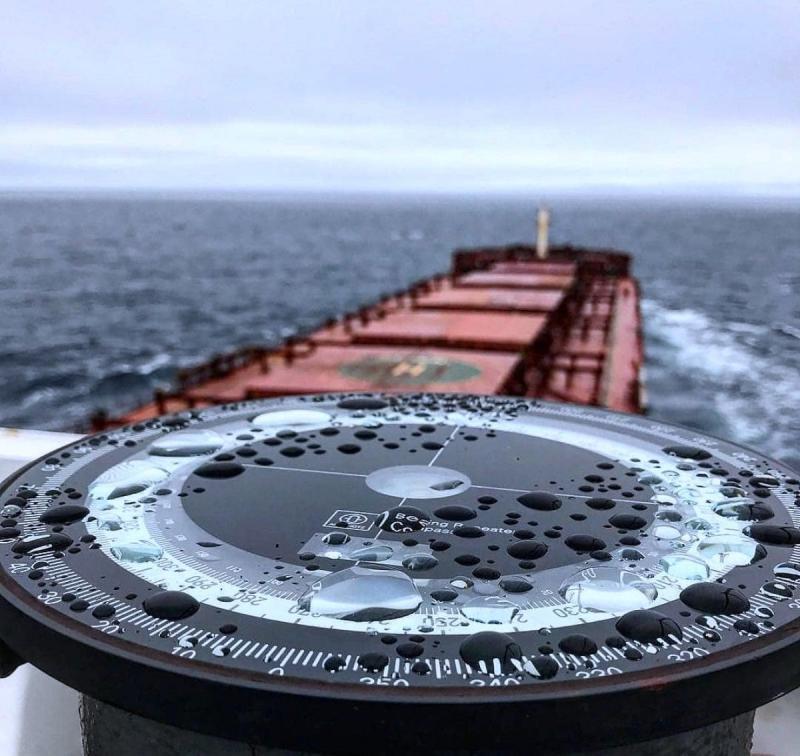
Norway's extensive maritime industry depends on reliable navigation and communication systems for safe operations in demanding coastal and offshore environments. Vessels operating in these regions require robust interconnect solutions that can maintain signal integrity despite constant movement and harsh weather conditions.

Interface and Environmental Requirements
In these systems, the TNC RF connector serves as the critical interface between navigation antennas, communication devices, and onboard electronic systems. The threaded coupling mechanism provides a secure RF connection specifically suited for environments characterized by continuous motion and vibration.
Marine installations expose connectors to moisture, salt-laden air, and constant vessel movement—factors that can degrade electrical connections over time. The TNC connector's robust construction and secure coupling structure are designed to withstand these challenging conditions, helping maintain consistent performance throughout the vessel's operational life.
Connector Solution and Technical Fit
The TNC connector supports stable RF signal transmission between interconnected onboard systems, ensuring that communication and navigation functions operate correctly even in remote coastal waters. Its threaded interface prevents accidental disconnection caused by vibration or mechanical stress—a critical requirement for equipment installed on moving vessels.
For engineers evaluating RF interconnect options for marine applications, the TNC series offers a practical balance of mechanical security and RF performance. When selecting connectors for similar projects, consider factors such as cable type, impedance requirements, and the specific vibration profile of the installation location.
Verification and Delivery Considerations
For marine projects, it is essential to verify connector suitability through sample testing that simulates onboard conditions, including vibration exposure and salt-spray resistance. Configuration confirmation should address mating torque requirements and cable termination methods before full deployment.
Delivery evidence for such installations typically includes validated test results, installation documentation, and confirmed performance under operational conditions. For related RF connector options used in similar outdoor or high-vibration environments, engineers may also evaluate Aviation Plug Connectors or review other RF Connectors Case studies for comparative insight.
Inquiry Checklist for Marine RF Connector Projects
- Specify the exact RF interface type (TNC, N, SMA, BNC) and impedance required by the onboard equipment.
- Define the cable type and diameter to confirm connector termination compatibility.
- State the environmental exposure level (salt spray, humidity, temperature range) for the installation zone.
- Confirm vibration and mechanical stress expectations for the mounting location.
- Request sample testing or technical documentation to validate performance before ordering.
For detailed specifications or to discuss your specific marine navigation requirements, please contact our engineering team through the inquiry form.





 Tel: +8619924482730
 Email: info@kmydconnector.com
 MP/WhatsApp: +8619924482730
 Manufacturer Address:Baoan District, Shenzhen City, Guangdong Province,China