LD20/SP20 Heavy-Duty Square Connector
Push-Pull Connectors for Field Testing Instruments in the United States
Field testing instruments used in electrical inspection, telecommunications, and infrastructure maintenance across the United States are designed for mobility and rapid deployment. These devices are frequently transported between job sites and operated in environments where setup time must be minimized to keep inspection schedules on track.
Cables connecting probes, sensors, and auxiliary modules are repeatedly attached and detached throughout the work process. The connector interface therefore plays a direct role in how quickly a technician can move from one measurement point to the next.
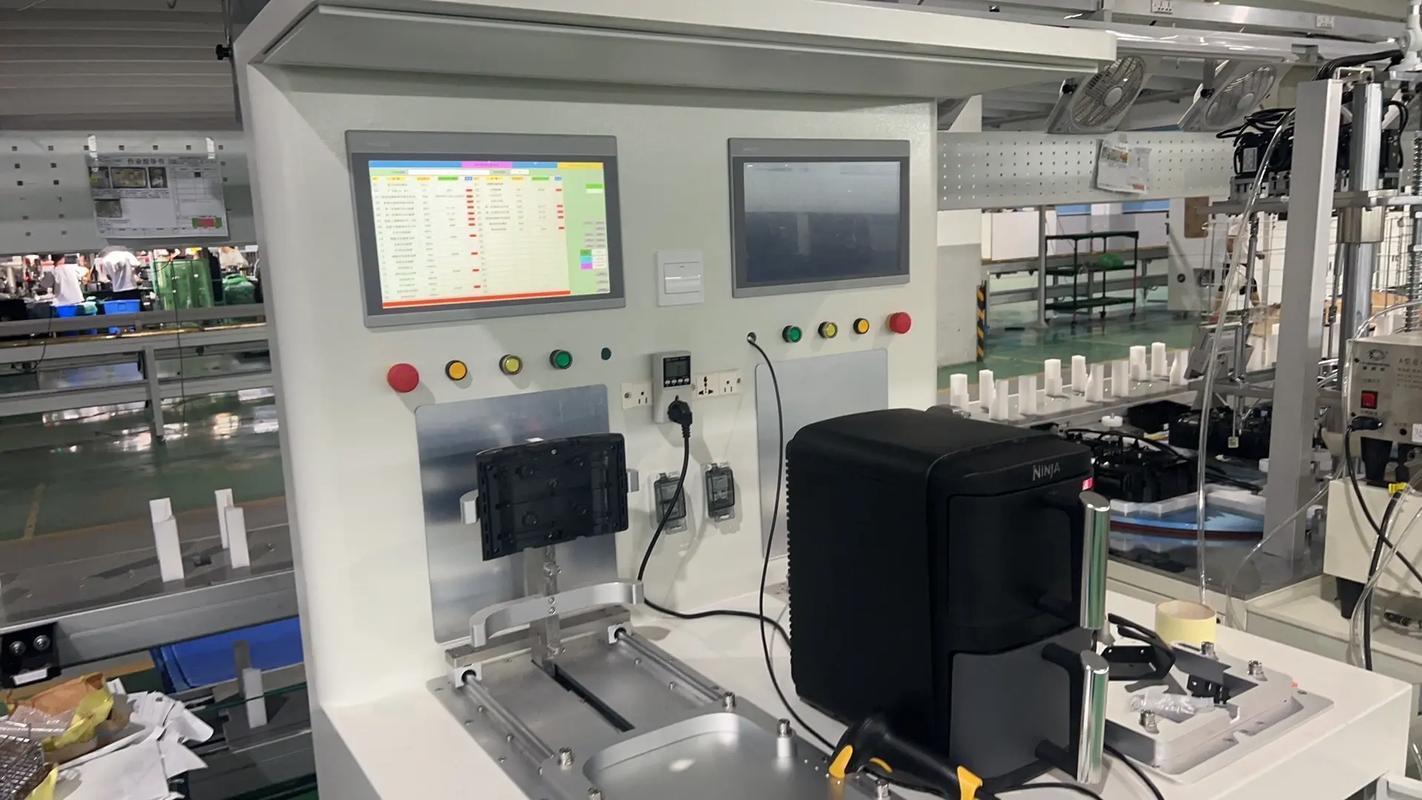
Connector Integration in Portable Devices
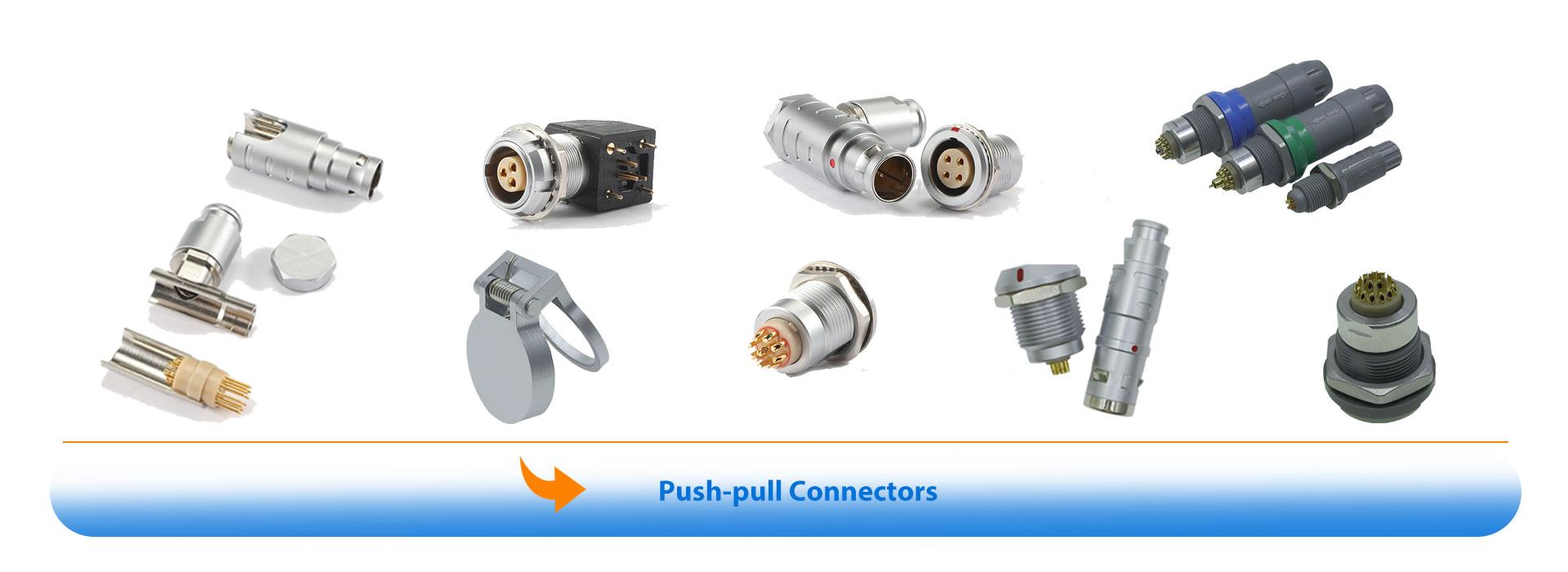
Push-pull connectors are typically specified for probe interfaces and modular input/output connections on portable test equipment. Their self-locking mechanism allows technicians to establish a secure connection with a single push, without the need for threading, bayonet rotation, or additional tools.
This operating characteristic is particularly valuable when work is performed in elevated positions, confined spaces, or outdoor environments where gloved hands and limited visibility make conventional threaded couplings slower and more error-prone.
Mechanical and Electrical Considerations
Connectors used in these instruments are generally designed to accommodate moderate mechanical stress, including repeated insertion cycles and cable movement during normal use. Multi-contact layouts allow the transmission of measurement signals alongside reference or control lines within a single mating interface.
Cable assemblies are often pre-terminated at the factory, reducing the need for on-site wiring and lowering the risk of field termination errors. When selecting a connector for a specific instrument, engineers should verify the contact count, current rating, and cable diameter range against the actual measurement requirements rather than assuming compatibility from the connector family name alone.
Use in Real Working Conditions
In practice, technicians may operate the equipment with gloves or under time constraints. The push-pull design simplifies cable management and reduces the likelihood of incomplete connections, since the locking mechanism provides clear tactile feedback when fully engaged.
When switching between measurement tasks, connectors can be disengaged quickly, helping improve overall workflow efficiency. For applications requiring higher pin counts or heavier cable strain relief, engineers should evaluate whether a heavy-duty square connector family such as the Aviation Plug Connectors range better matches the mechanical duty cycle. For related application guidance, see the Push-pull Connectors in Electrosurgical Equipment in Germany case study.
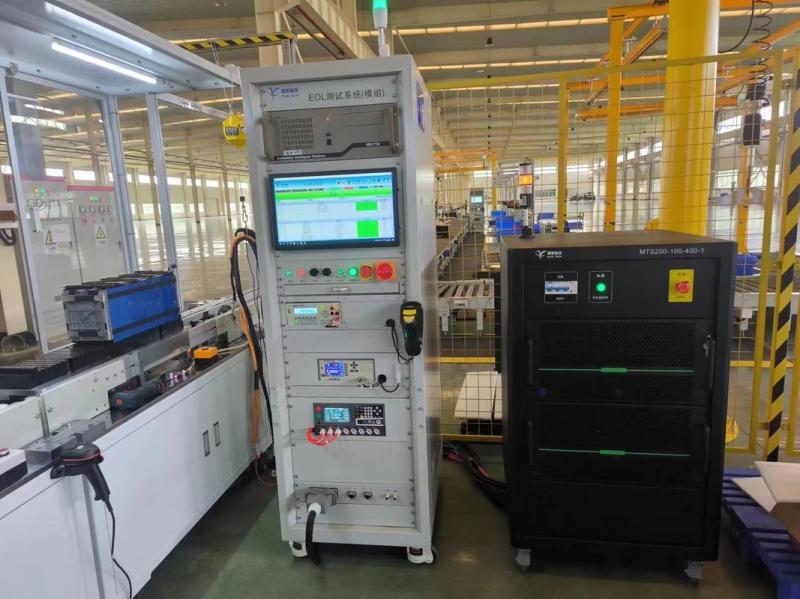
Conclusion
For field testing instruments, push-pull connectors offer a practical combination of secure engagement and fast operation, supporting the needs of mobile and task-oriented applications. When specifying connectors for new instrument designs, verify the mating cycle rating, IP protection level, and operating temperature range against the intended field environment to ensure reliable long-term performance.




 Tel: +8619924482730
 Email: info@kmydconnector.com
 MP/WhatsApp: +8619924482730
 Manufacturer Address:Baoan District, Shenzhen City, Guangdong Province,China