

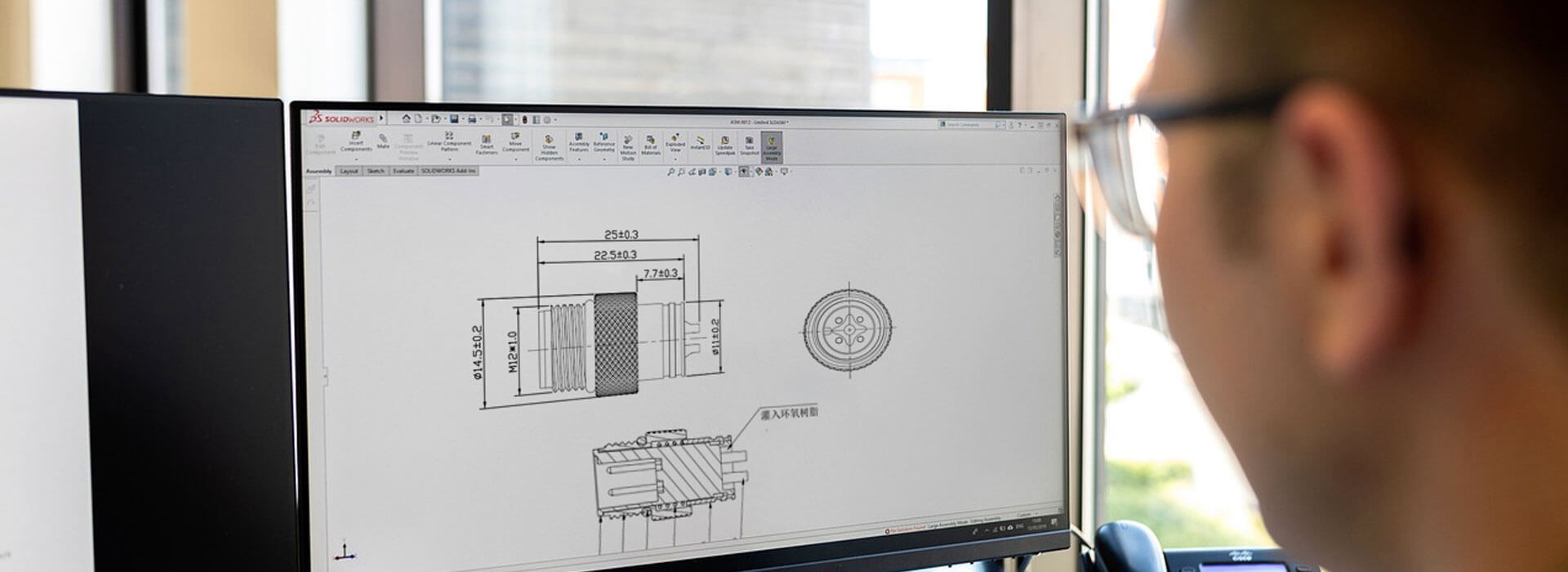
Moisture inside an SP17 inline connection could be condensation, but droplets alone cannot distinguish it from liquid entering elsewhere. Condensation becomes plausible when a surface cools to the dew point of the air around it. Investigate temperature, humidity, shutdown and opening history alongside the location of the moisture. Keep the assembly isolated under the equipment's service procedure, preserve the observations and establish the cause before choosing a repair.
Reconstruct what happened before the connector was opened
A machine can finish a shift warm and dry-looking, then be inspected cold the next morning. Alternatively, a cold assembly may be brought into a warmer, humid workshop and opened there. Those histories create different possibilities. The time and place at which a connector is dismantled can influence the moisture subsequently seen inside it.
Record when the equipment stopped, when ambient conditions changed, when the connection was opened and when water was first noticed. Include washing, rain, cable damage and enclosure access in the same timeline. A convenient explanation should not erase an exposure that points toward an external route.
Photograph the intact route and accessible surfaces before disturbing them. If the connection must be opened for assessment, follow the approved service process and record that step. A photograph taken after the parts have been lying on a bench cannot establish where moisture was present during operation.
Air temperature is only half the comparison
The relevant comparison is between the local surface temperature and the dew point of the surrounding air. Vaisala's humidity guidance describes how a probe or surface can become wet when cooling brings it to that condition. Its examples explain the mechanism; they are not temperature limits for an SP17 connector.
An ambient thermometer does not necessarily describe the connector's coldest surface. Parts and cables can respond differently during a transition. Ask the responsible test specialist where measurements would be needed and whether the instruments respond quickly enough to capture the event. Do not infer a reassuring margin from one air reading taken after conditions have stabilized.
Humidity at the inspection bench can also differ from the humidity present when an assembly was closed. If no environmental record exists, mark it as unknown. A retrospective guess is a hypothesis, not a measured dew-point history.
Two explanations may coexist. A connection can have an external ingress issue and also experience internal condensation. Evidence supporting one mechanism does not automatically rule out the other.
Choose observations that separate the explanations
| Observation | Why it matters | What it cannot prove alone |
|---|---|---|
| Timing after cooling or transfer | Identifies an environmental transition worth reproducing. | That no liquid entered before the transition. |
| Moisture on several internal surfaces | Helps map where wetting occurred. | Whether the water originated as vapor or traveled from another part. |
| Dry or wet cable ends | Identifies another boundary to examine. | The condition of the whole cable route. |
| Temperature and humidity history | Supports assessment of a condensation mechanism. | That the particular connector failed an ingress requirement. |
Keep the observed facts separate from the proposed cause. “Water found after opening” is a useful fact. “Seal failed overnight” is an interpretation requiring additional evidence. This distinction helps the supplier select the next examination instead of being asked to confirm an unproven diagnosis.
Where several affected assemblies are available, agree how to preserve them before opening all of them. Record the delay between transfer, opening and inspection for each specimen. A controlled comparison can then address whether the workshop handling contributed to the observation, rather than losing that possibility through different undocumented handling.
Test the hypothesis without changing the design first
If condensation remains plausible, agree a controlled environmental assessment with the equipment owner and supplier. Define the starting condition, assembly state, temperature and humidity history, observation locations and acceptance question. The purpose is to determine whether the proposed mechanism explains the symptom, not simply to produce visible water.
A drying step can remove evidence without resolving why moisture formed. Likewise, adding desiccant or a vent changes the moisture and pressure behavior of the system. Such measures need a design review; they are not automatic repairs for a connector carrying an ingress rating. Do not drill a housing or apply uncontrolled heat as a diagnostic shortcut.
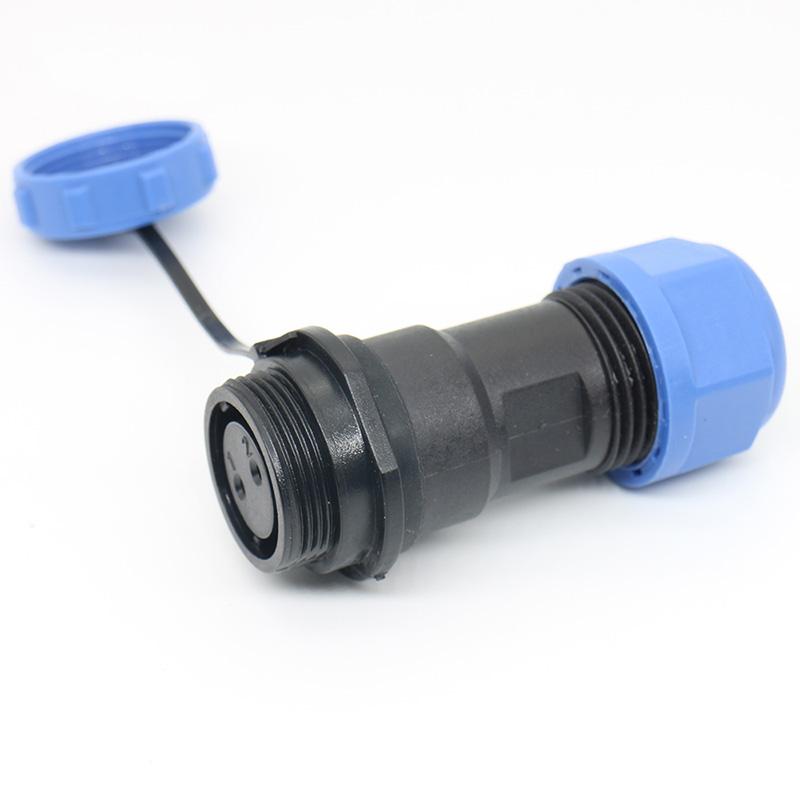
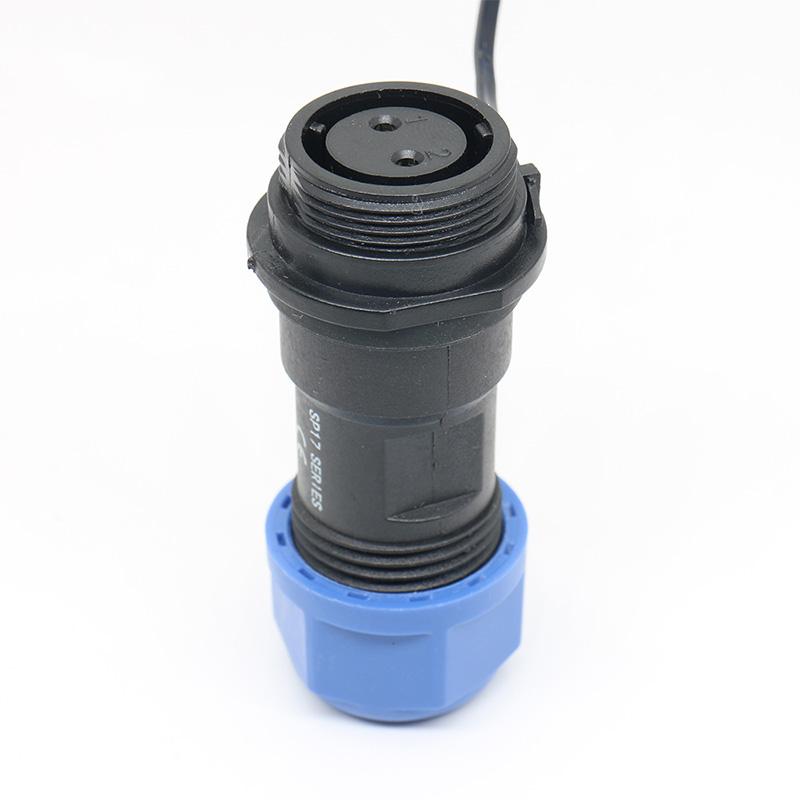
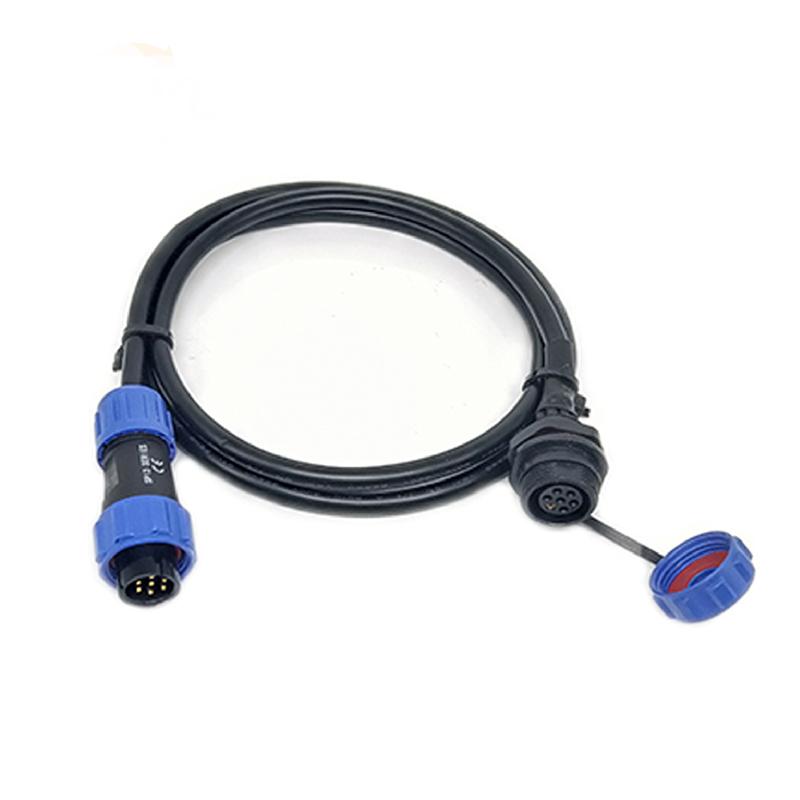
Use the KMYD SP17 inline product listing to identify the proposed connector form, then provide the actual cable, mating references and event timeline. Ask which evidence would distinguish condensation from an external path in that build. A resolved service report should explain the mechanism and the accepted corrective action, or state clearly what remains uncertain.
Moisture-measurement context: Vaisala on condensing environments.


 Tel: +8619924482730
 Email: info@kmydconnector.com
 MP/WhatsApp: +8619924482730
 Manufacturer Address:Baoan District, Shenzhen City, Guangdong Province,China