Circular Connector Market Trends: Growth Drivers, Applications, and Future Opportunities
Circular connectors play an essential role in modern electrical and electronic systems by providing reliable power and signal transmission in demanding operating environments. From industrial automation and automotive electronics to telecommunications, aerospace, and renewable energy, these connectors help maintain stable connections where durability, compact design, and environmental protection are critical.
According to Global Market Insights, the global circular connector market was valued at approximately USD 10.5 billion in 2024 and is projected to reach USD 14.3 billion by 2034, representing a compound annual growth rate (CAGR) of 3.1% from 2025 to 2034. Increasing industrial automation, the electrification of transportation, and demand for smaller, higher-performance interconnection solutions are among the major factors supporting market development.
As equipment manufacturers continue to pursue greater reliability, space efficiency, and connectivity, circular connectors are becoming increasingly important components in both established industrial systems and emerging technologies.
1. What Is a Circular Connector?
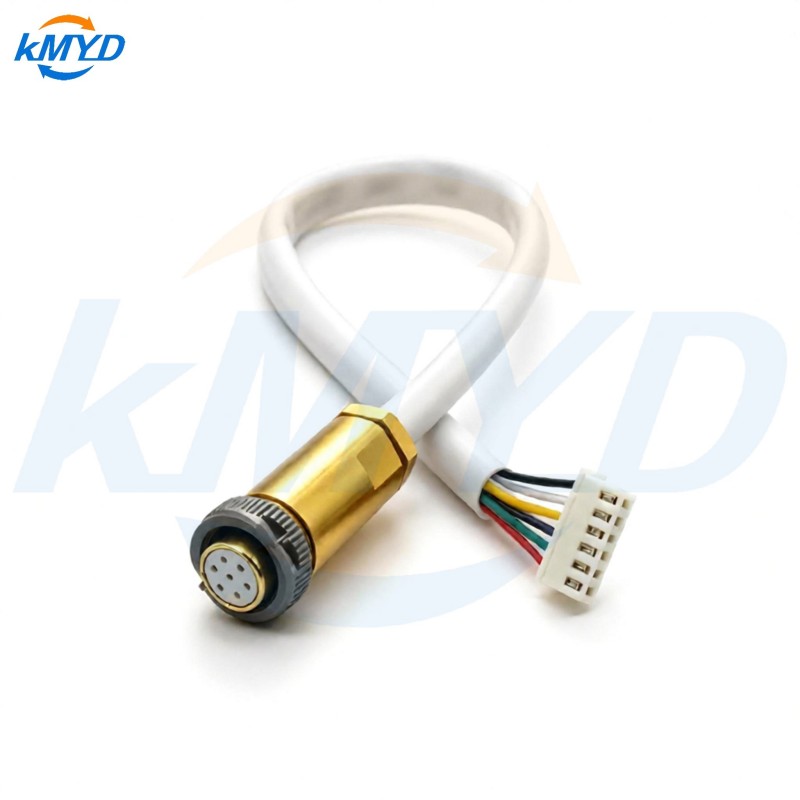
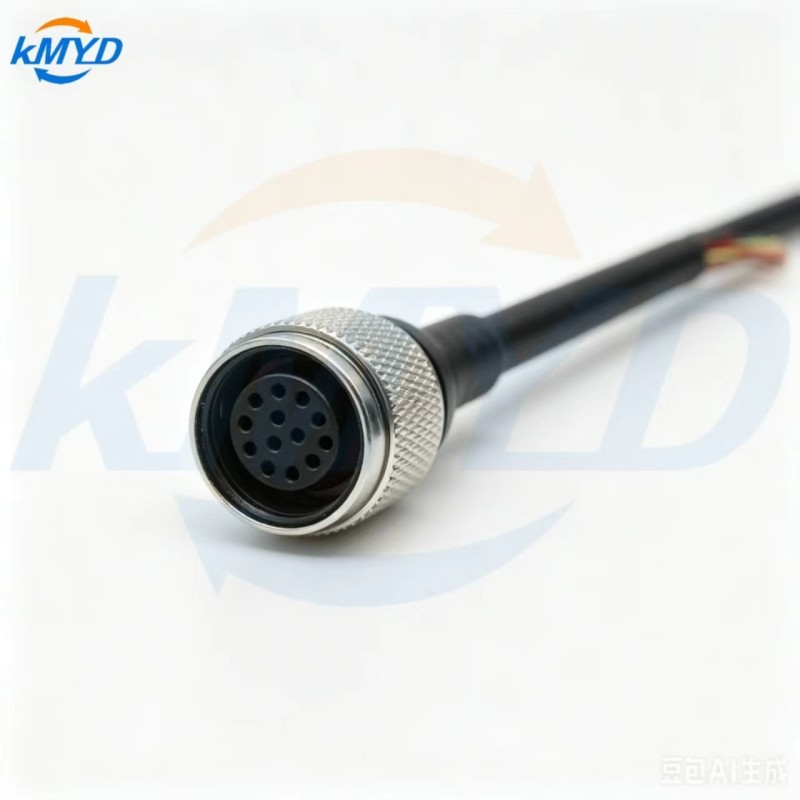
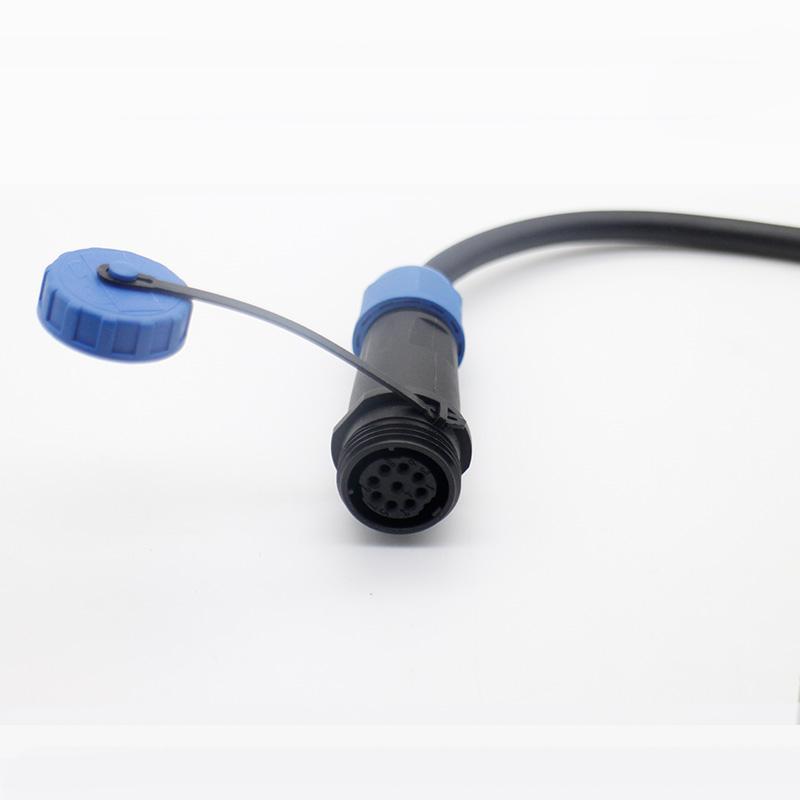
A circular connector is an electrical interconnection component featuring a generally cylindrical mating interface. It is designed to connect cables, electronic equipment, control units, sensors, and other electrical devices while maintaining reliable electrical contact and mechanical stability.
Depending on the application, circular connectors may support power transmission, signal communication, data transfer, or a combination of these functions. Their configurations vary in contact count, connector size, coding, mounting method, housing material, and environmental protection level.
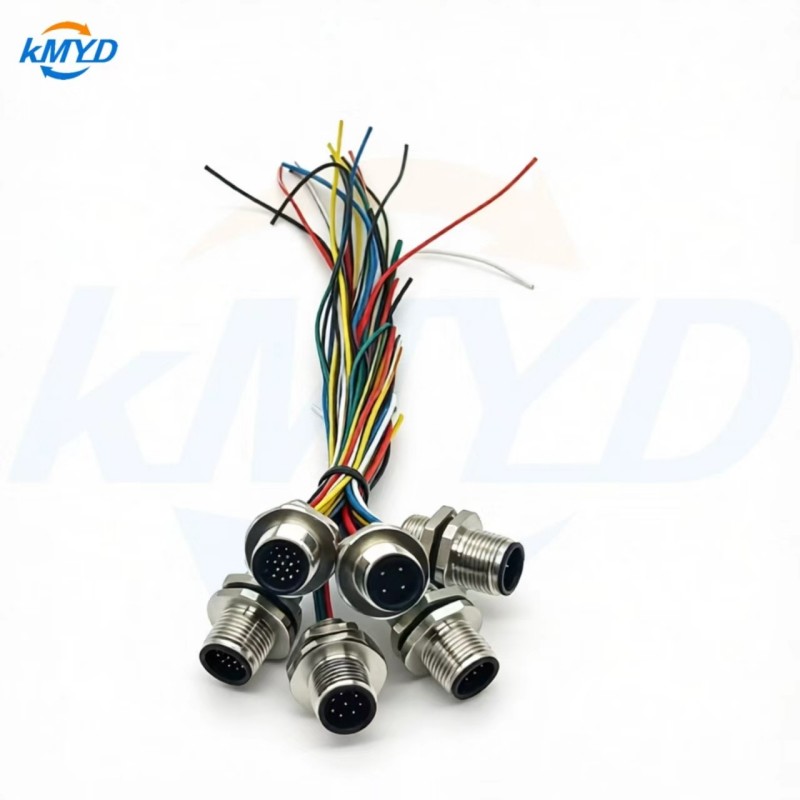
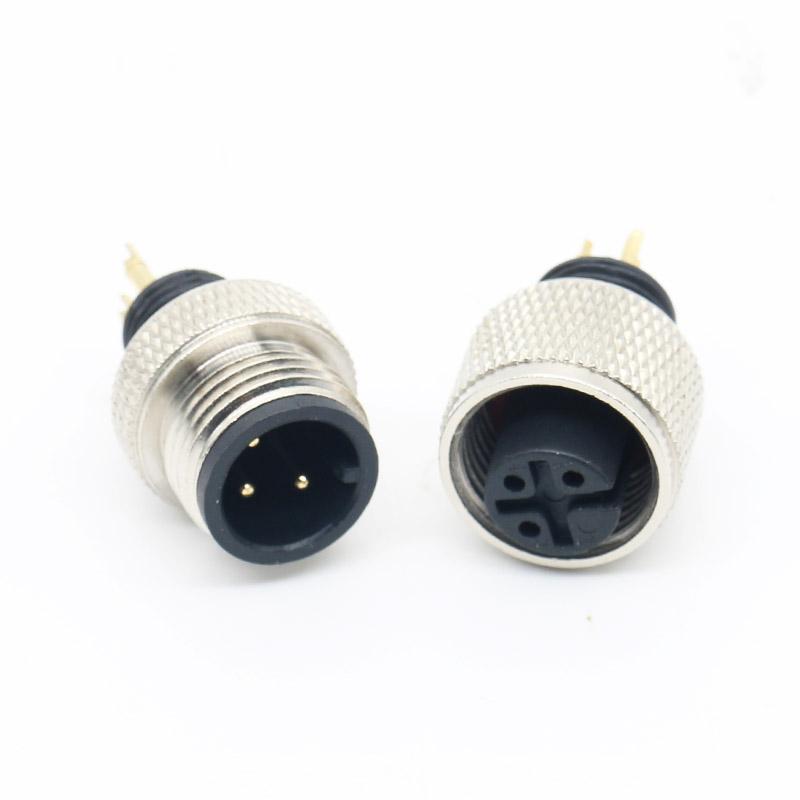
Common examples include M8 and M12 connectors for industrial sensors and automation equipment, circular RF connectors for communication systems, and ruggedized connectors designed for transportation, aerospace, and defense applications.
Compared with many conventional rectangular interfaces, circular connectors can offer convenient mating, secure coupling, and effective sealing when properly designed and installed. These characteristics make them suitable for applications exposed to vibration, dust, moisture, temperature fluctuations, and repeated connection cycles.
2. Global Circular Connector Market Size and Growth
The global circular connector market continues to benefit from the expansion of connected equipment, automated production systems, and electrified transportation. As manufacturers integrate more sensors, controllers, communication modules, and power electronics into their products, the need for dependable interconnection solutions is also increasing.
Global Market Insights estimates that the market will expand steadily over the 2025–2034 forecast period. Although growth rates differ across applications and regions, the overall outlook reflects the continued importance of reliable electrical connectivity in industrial and electronic systems.
| Market Indicator | Reported Value | Industry Significance |
|---|
| 2024 Market Size | USD 10.5 Billion | Demonstrates the established global demand for circular interconnection products. |
| 2034 Market Forecast | USD 14.3 Billion | Reflects continued adoption across industrial and electronic applications. |
| 2025–2034 CAGR | 3.1% | Indicates steady long-term market expansion. |
| Key Growth Drivers | Automation, Electrification, Miniaturization | Creates demand for more compact, reliable, and application-specific connectors. |
These figures provide a useful overview of the market's direction. Actual demand and growth may vary according to connector type, end-use industry, regional investment, and technological development.
3. Key Factors Driving Market Growth
3.1 Industrial Automation and Smart Manufacturing
Industrial automation is one of the major application areas for circular connectors. Modern production lines rely on sensors, actuators, industrial controllers, distributed I/O modules, and robotic systems to monitor processes and execute precise operations.
These devices require dependable electrical connections that can withstand vibration, mechanical movement, dust, and moisture. Circular connectors, particularly M8 and M12 types, are widely used to connect field devices with control systems and industrial networks.
As smart factories adopt more connected equipment and real-time monitoring technologies, manufacturers increasingly value connectors that simplify installation, reduce wiring complexity, and support consistent performance throughout equipment service life.
3.2 Automotive Electrification and Electric Vehicles
The transition toward electric vehicles is creating additional opportunities for circular connector manufacturers. Electric vehicles integrate battery systems, charging interfaces, power electronics, sensors, thermal management equipment, and electronic control units that require reliable electrical interconnections.
Depending on the design, circular connectors can be used in auxiliary power circuits, sensor connections, control systems, and selected high-voltage or charging-related applications. Connector requirements vary significantly between low-voltage signal interfaces and high-voltage power connections.
Automotive manufacturers also face demanding requirements for vibration resistance, temperature stability, chemical compatibility, and long-term reliability. These factors encourage the development of application-specific connector designs for conventional vehicles, hybrid vehicles, and battery electric vehicles.
3.3 Telecommunications and High-Speed Connectivity
The expansion of 5G networks and other high-speed communication infrastructure is increasing demand for dependable signal transmission components. Circular RF connectors can provide compact interfaces between antennas, radio equipment, communication modules, and other electronic assemblies.
In these applications, connector selection depends on frequency range, impedance matching, insertion loss, return loss, shielding effectiveness, and mechanical stability. As communication equipment becomes more compact and performance requirements become more demanding, connector manufacturers must balance electrical performance with packaging constraints.
3.4 Aerospace and Defense Applications
Aerospace and defense systems often operate under severe mechanical and environmental conditions. Aircraft electronics, communication equipment, navigation systems, and military control systems require interconnections that can withstand vibration, shock, temperature extremes, and electromagnetic interference.
Rugged circular connectors are frequently selected for these applications because they can combine secure coupling with durable housings and specialized contact configurations. Depending on the application, products may need to comply with specific military, aerospace, or environmental qualification requirements.
The emphasis on equipment reliability and long service life makes performance validation, traceability, and compliance important considerations in this market segment.
4. Major Trends Shaping the Circular Connector Industry
4.1 Miniaturization and High-Density Integration
Electronic equipment is becoming smaller while incorporating more functions and connection points. This creates demand for compact circular connectors that can maintain reliable electrical performance without occupying excessive installation space.
Miniaturized connectors are particularly relevant to compact sensors, portable instruments, communication modules, medical equipment, and densely configured industrial control units.
For connector designers, miniaturization requires careful attention to contact spacing, insulation performance, mechanical strength, thermal behavior, and manufacturing tolerances. Reducing connector dimensions must not compromise the electrical and mechanical requirements of the intended application.
4.2 Higher Data Rates and Signal Integrity
Connected industrial equipment and communication systems increasingly depend on reliable high-speed data transmission. As a result, connector performance is evaluated not only by mechanical durability but also by electrical characteristics such as impedance consistency, signal attenuation, and electromagnetic compatibility.
Manufacturers are developing connector solutions tailored to specific communication protocols, frequency ranges, and installation environments. Selecting the appropriate connector requires evaluating the complete transmission system rather than considering the connector interface alone.
4.3 Improved Environmental Protection
Many circular connectors are installed in environments where dust, moisture, oil, cleaning agents, or temperature changes may affect performance. Sealing structures, corrosion-resistant materials, robust coupling mechanisms, and suitable cable interfaces can help improve reliability under these conditions.
Protection ratings should always be evaluated in the context of the complete installation. A connector's stated IP rating may depend on whether it is properly mated, correctly mounted, and used with compatible sealing components and cables.
4.4 Sustainable Materials and Manufacturing
Environmental regulations and customer sustainability goals are influencing material selection and manufacturing practices across the connector industry. Manufacturers are increasingly evaluating material compliance, plating processes, resource efficiency, and product lifecycle considerations.
These requirements create opportunities for suppliers that can demonstrate consistent material quality, reliable documentation, and manufacturing processes aligned with the applicable environmental and regulatory standards.
4.5 Smart and Application-Specific Connectivity
As industrial systems become more intelligent, connector solutions are increasingly designed around specific equipment architectures, monitoring requirements, and installation conditions.
In selected applications, connector assemblies may be integrated with identification, diagnostic, or sensing functions. Such developments can support easier maintenance and better system monitoring, although the actual benefits depend on the application and system design.
5. Circular Connector Applications Across Key Industries
| Industry | Typical Applications | Key Requirements |
|---|
| Industrial Automation | Sensors, actuators, PLCs, remote I/O, robotics | Vibration resistance, reliable signaling, environmental protection |
| Automotive | Vehicle electronics, sensors, auxiliary systems, selected EV interfaces | Temperature stability, durability, electrical safety |
| Telecommunications | RF equipment, antennas, communication modules | Signal integrity, shielding, frequency performance |
| Aerospace and Defense | Avionics, navigation, ruggedized communication systems | Shock resistance, reliability, application-specific qualification |
| Renewable Energy | Power monitoring, control cabinets, selected energy-system interfaces | Weather resistance, long service life, reliable power and signal connections |
| Medical and Instrumentation | Measuring instruments, monitoring equipment, electronic devices | Compact design, connection reliability, application-specific compliance |
6. Regional Market Outlook
6.1 North America
North America represents an important market for circular connectors, supported by industrial automation, transportation electrification, telecommunications infrastructure, and aerospace and defense applications.
Investment in manufacturing equipment, electric vehicle infrastructure, and advanced electronic systems supports demand for durable and application-specific interconnection products. Suppliers serving this region must also consider local certification requirements, customer qualification processes, and supply chain reliability.
6.2 Europe
Europe is an established market for circular connectors, with demand supported by industrial automation, automotive engineering, robotics, and advanced manufacturing.
The adoption of connected production systems and the continued development of electric mobility create opportunities for connector solutions that combine compact dimensions, dependable performance, and long-term durability.
Manufacturers supplying European customers may also need to address applicable environmental regulations, material restrictions, and product documentation requirements.
6.3 Asia-Pacific
Asia-Pacific is an important manufacturing and electronics market, supported by industrial production, automotive manufacturing, telecommunications infrastructure, and the expansion of connected devices.
Global Market Insights identifies the region as a growth opportunity, with India among the markets expected to expand during the 2025–2034 forecast period. Demand is influenced by local manufacturing investment, infrastructure development, and the adoption of advanced electronic and industrial systems.
For connector manufacturers, the region offers opportunities to serve both high-volume production and specialized applications. Competitive pricing, consistent quality, delivery capability, and technical support remain important purchasing considerations.
7. How to Select the Right Circular Connector
Choosing a circular connector requires more than matching the connector diameter or pin count. Engineers should evaluate the electrical, mechanical, environmental, and installation requirements of the complete system.
| Selection Factor | What to Evaluate |
|---|
| Connector Size | Confirm the available installation space, mating interface, and required contact arrangement. |
| Contact Configuration | Check the number of contacts and their assignment for power, signal, or data transmission. |
| Electrical Ratings | Verify rated voltage, current, insulation resistance, contact resistance, and relevant safety requirements. |
| Signal Performance | For high-speed or RF applications, evaluate impedance, frequency range, shielding, and signal loss. |
| Mechanical Design | Consider coupling type, mating cycles, vibration resistance, mounting method, and cable strain relief. |
| Environmental Protection | Confirm the required ingress protection, operating temperature, corrosion resistance, and chemical compatibility. |
| Materials and Compliance | Review housing materials, contact plating, applicable environmental regulations, and industry standards. |
| Installation and Maintenance | Evaluate assembly space, cable routing, access for servicing, and replacement requirements. |
Before final selection, engineers should review the manufacturer's technical drawings, datasheets, and applicable test reports. Actual ratings and performance vary by model, contact configuration, and installation conditions.
8. Challenges and Opportunities in the Market
8.1 Supply Chain and Cost Management
Circular connector production depends on a range of materials and components, including conductive metals, engineered polymers, insulation materials, seals, and surface finishes. Changes in material prices, transportation costs, trade policies, or component availability can affect production planning and delivery schedules.
Manufacturers can reduce some of these risks through supplier diversification, production planning, inventory management, and closer coordination with customers. Consistent quality control is equally important when production volumes increase or manufacturing locations change.
8.2 Balancing Performance and Cost
Different industries have different expectations for connector performance. A compact sensor connector for a standard factory environment may require a different design from a high-frequency RF connector or a ruggedized aerospace interface.
Manufacturers therefore need to balance material selection, contact design, sealing performance, manufacturing precision, and unit cost. Standardized product platforms can help improve production efficiency, while application-specific customization may be necessary for demanding environments.
8.3 Opportunities for Product Innovation
Several areas offer opportunities for continued product development, including smaller connector footprints, higher contact density, improved signal integrity, more durable sealing structures, and simplified installation.
Manufacturers that combine engineering support with flexible production capabilities may be better positioned to serve customers seeking tailored interconnection solutions. Reliable testing, clear technical documentation, and consistent manufacturing quality can also help differentiate suppliers in competitive markets.
9. Frequently Asked Questions
What is a circular connector used for?
Circular connectors are used to transmit electrical power, signals, or data between cables and electronic equipment. Common applications include industrial sensors, automation systems, vehicles, telecommunications equipment, and ruggedized electronic devices.
What is driving the growth of the circular connector market?
Major growth drivers include industrial automation, electric vehicle development, telecommunications expansion, electronic miniaturization, and demand for reliable connections in challenging environments.
What is the projected size of the global circular connector market?
According to Global Market Insights, the global circular connector market was valued at approximately USD 10.5 billion in 2024 and is projected to reach USD 14.3 billion by 2034, with a CAGR of 3.1% over the 2025–2034 forecast period.
What is the difference between M8 and M12 circular connectors?
M8 connectors generally have a smaller mating interface and are commonly used in compact sensors and space-constrained devices. M12 connectors provide a larger interface and are widely used in industrial automation, sensors, actuators, and communication applications. The appropriate choice depends on electrical requirements, mechanical constraints, and the intended application.
Are all circular connectors waterproof?
No. Environmental protection depends on the connector's design, sealing structure, and installation conditions. Buyers should verify the specified IP rating and confirm whether it applies to an unmated connector, a properly mated assembly, or a complete installed system.
How can manufacturers choose a reliable circular connector supplier?
Manufacturers should evaluate product specifications, quality management, testing capabilities, manufacturing consistency, material traceability, delivery performance, and technical support. Samples and relevant test documentation should be reviewed before approving a connector for production use.
10. Conclusion
The circular connector market is expected to continue expanding as industrial automation, automotive electrification, telecommunications, and advanced electronic systems create new requirements for dependable electrical interconnections.
Global Market Insights projects that the market will grow from USD 10.5 billion in 2024 to USD 14.3 billion by 2034. Behind this growth are several important industry trends: miniaturization, increasing connectivity, environmental protection, and the need for application-specific performance.
For equipment manufacturers and engineers, selecting the right circular connector involves balancing electrical performance, mechanical durability, installation space, environmental requirements, and total system cost. For connector suppliers, opportunities lie in developing reliable products, maintaining consistent quality, and responding to the changing technical requirements of different industries.
As connected equipment becomes more widespread, circular connectors will remain an important part of the infrastructure that enables reliable power and data transmission across industrial and electronic applications.
Source: Global Market Insights – Circular Connector Market Size and Forecast, 2025–2034 .
Market figures and forecasts are attributed to the cited report. Industry descriptions and application discussions in this article are original editorial summaries.





 Tel: +8619924482730
 Email: info@kmydconnector.com
 MP/WhatsApp: +8619924482730
 Manufacturer Address:Baoan District, Shenzhen City, Guangdong Province,China