SD20/SP20 Flange Connector Size and Material Options
XLR Connectors in Live Event Audio Setups
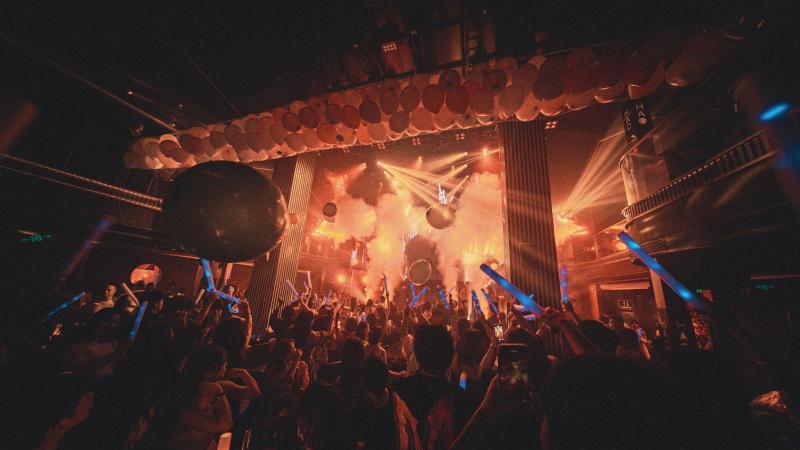
XLR connectors are the backbone of professional live event audio, linking stage microphones, mixers, and amplifiers with reliable, interference-free signal transmission. Their robust design and secure locking mechanism make them indispensable for touring sound systems, concerts, and corporate events where uninterrupted performance is critical.
Project Background and Application Requirements
In live event environments, audio engineers face demanding conditions: long cable runs, high electromagnetic interference from lighting and power systems, and frequent setup and teardown cycles. The primary requirement is a connector that maintains signal integrity over distance while withstanding physical stress and accidental pulls. XLR connectors meet these needs through their balanced audio design, which rejects noise, and their durable metal or high-grade plastic housings rated for repeated mating cycles.
Interface and Environmental Specifications
Standard XLR connectors feature a 3-pin configuration for balanced audio, with optional 4 to 7 pin variants for intercom or data applications. Key specifications include a current rating typically up to 10 A, insulation resistance above 100 MΩ, and operating temperatures ranging from -25°C to +70°C. The locking latch ensures a secure connection, preventing accidental disconnection during performances. For outdoor or outdoor-adjacent stages, connectors with IP40 to IP65 ratings are available to resist dust and moisture ingress.
Connector Solution and Configuration
For live event setups, the recommended configuration includes cable-mounted XLR plugs for microphones and panel-mounted XLR sockets on mixers and stage boxes. Gold-plated contacts are preferred for corrosion resistance and low contact resistance, ensuring consistent audio quality. The secure locking system, a hallmark of XLR design, prevents accidental disconnections during setup and live performances, reducing downtime and signal loss.
Verification and Delivery Process
Before deployment, each connector batch undergoes electrical testing for continuity, insulation resistance, and contact resistance. Mechanical tests verify mating force and locking durability over 500+ cycles. In a recent live sound application, XLR connectors were installed on stage snake cables and mixer inputs, with signal integrity verified over 50-meter runs without degradation. The delivery included pre-tested units and documentation of test results, ensuring readiness for immediate use.
Verified Results and Performance
Field testing confirmed stable audio transmission with no measurable signal loss or interference, even in high-EMI environments. The locking mechanism held securely throughout a full-day event, with no accidental disconnections reported. These results validate the XLR connector's suitability for professional live event audio, offering engineers a dependable solution for critical sound applications.
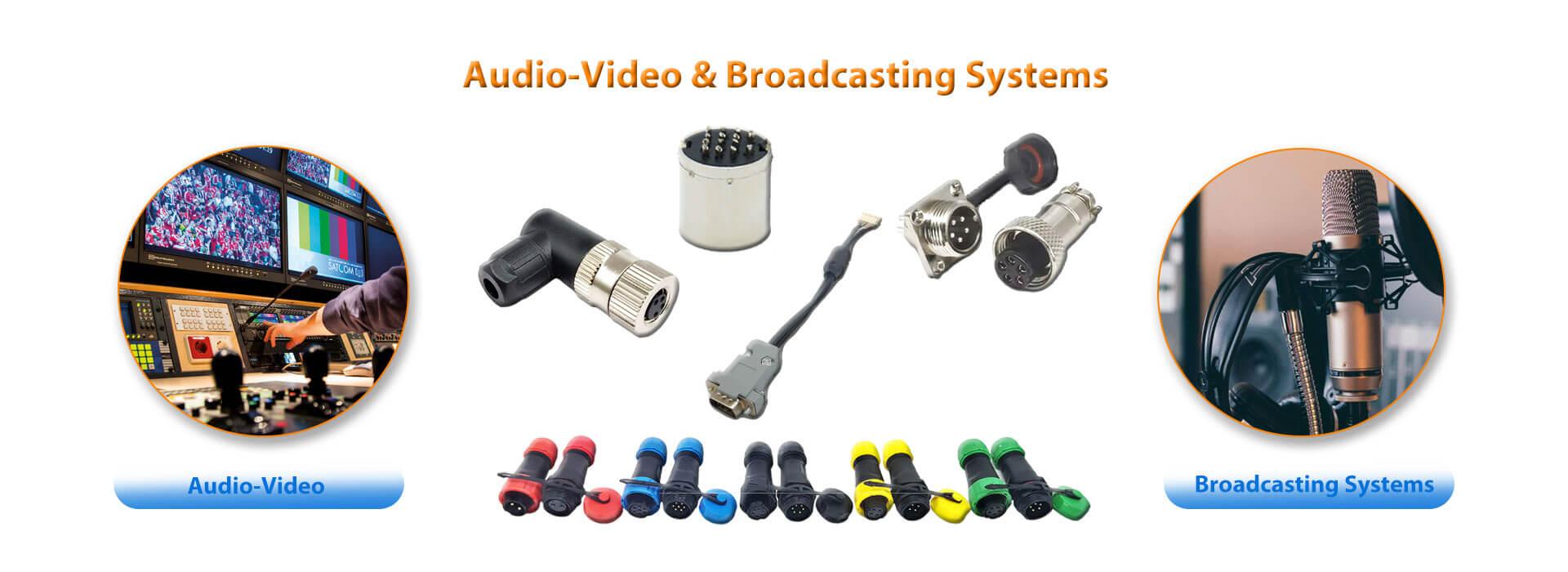
For related audio connectivity solutions, explore our Audio Video connector range or review the XLR connectors in home theater audio systems for additional application insights.




 Tel: +8619924482730
 Email: info@kmydconnector.com
 MP/WhatsApp: +8619924482730
 Manufacturer Address:Baoan District, Shenzhen City, Guangdong Province,China