In industrial automation, reliable communication between a PLC (Programmable Logic Controller) and its field devices is essential for uptime and process accuracy. The M8 connector is a compact, circular interface widely used for this purpose, providing a secure and space-efficient way to connect sensors, actuators, and other devices to a control system. This guide explains the M8 connector's role in PLC systems, its key specifications, installation practices, and common application considerations.
M8 Connector Basics for PLC Systems
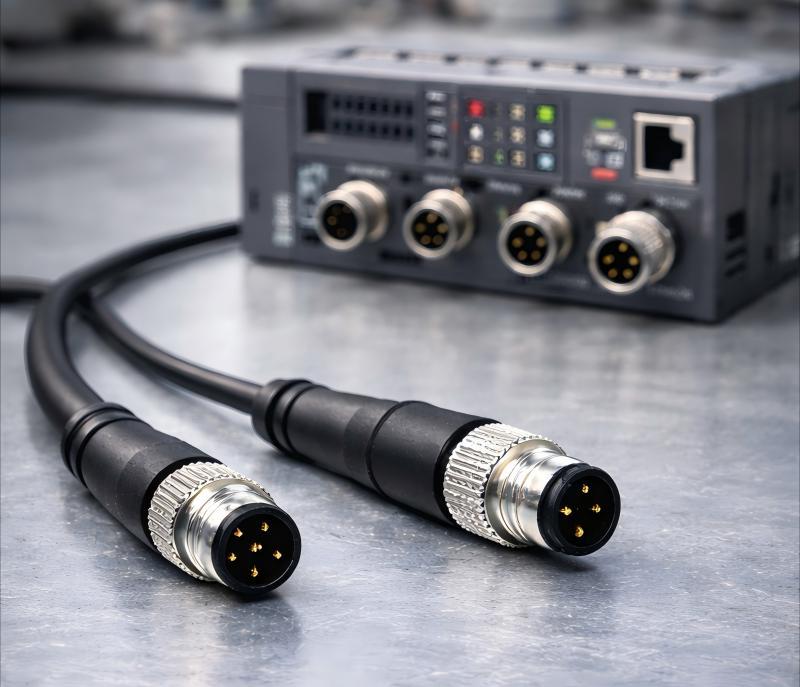
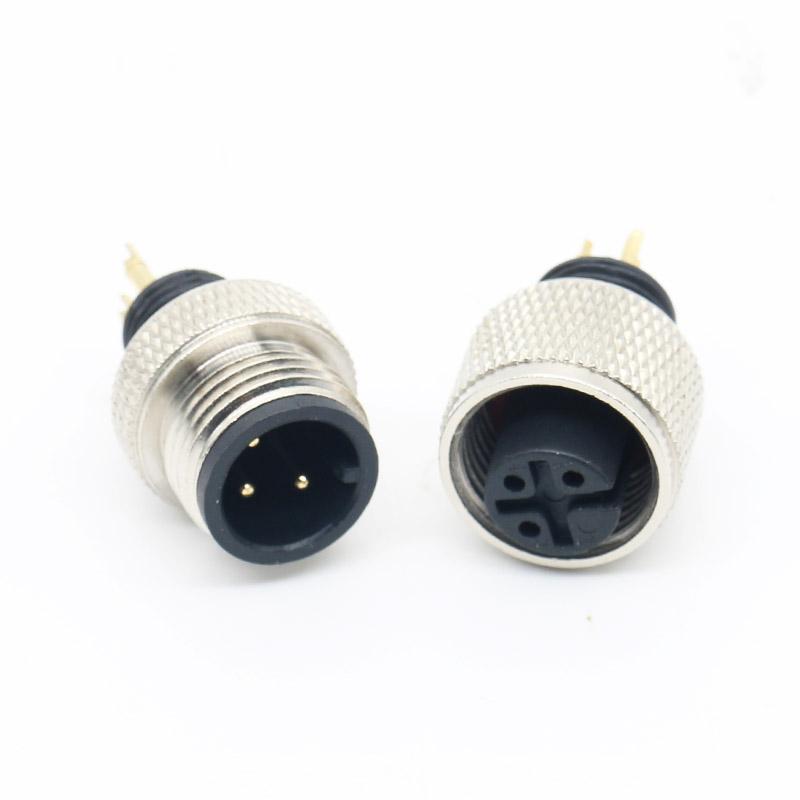
The M8 connector is a small, circular connector named for its 8-millimeter locking thread. It is designed for signal and low-power connections in space-constrained industrial environments. In a PLC system, M8 connectors typically link field devices—such as proximity sensors, photoelectric sensors, and small actuators—to the PLC's input/output (I/O) modules. Their compact size allows for high-density wiring, which is particularly valuable on modern machinery where multiple sensors are clustered in a small area.
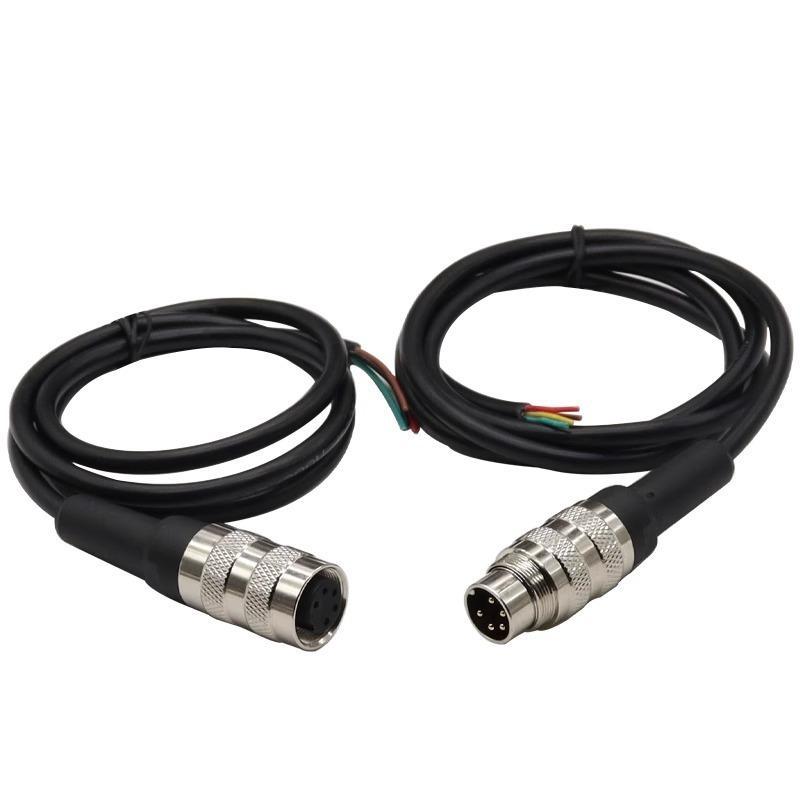
M8 connectors are available in several pin configurations, most commonly 3, 4, and 5 pins. The pin count determines the number of signal or power lines that can be carried. For example, a 3-pin connector is often used for simple 2-wire DC sensors, while a 4-pin version can support additional signals or a differential pair. The specific pinout and electrical ratings must be confirmed against the device and PLC I/O module documentation.
Key Benefits of M8 Connectors in Automation
M8 connectors are specified in PLC systems for several practical reasons. Their design directly addresses the mechanical and environmental demands of factory floors and process equipment.
Compact Size: The small form factor fits into tight spaces within machinery, control panels, and sensor housings, enabling more compact machine designs.
Reliability: M8 connectors are engineered to withstand vibration, moisture, and temperature fluctuations common in industrial environments. The screw-locking mechanism provides a secure connection that resists loosening.
Versatility: With 3, 4, and 5-pin options, M8 connectors offer flexibility for different signal types and device requirements, from simple discrete I/O to more complex analog or data signals.
Easy Installation: The threaded coupling ensures a positive, secure connection, making installation straightforward and repeatable for maintenance personnel.
M8 Connector Installation and Wiring Guide
Proper installation is critical for the long-term reliability of M8 connections. Incorrect wiring or inadequate strain relief are common causes of field failures. Follow these steps to ensure a dependable installation:
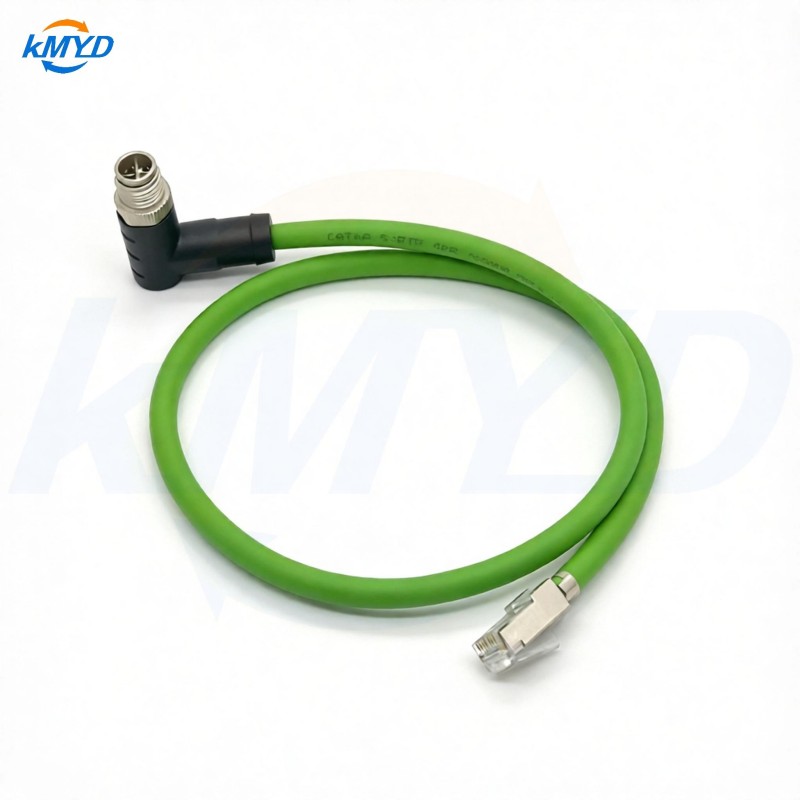
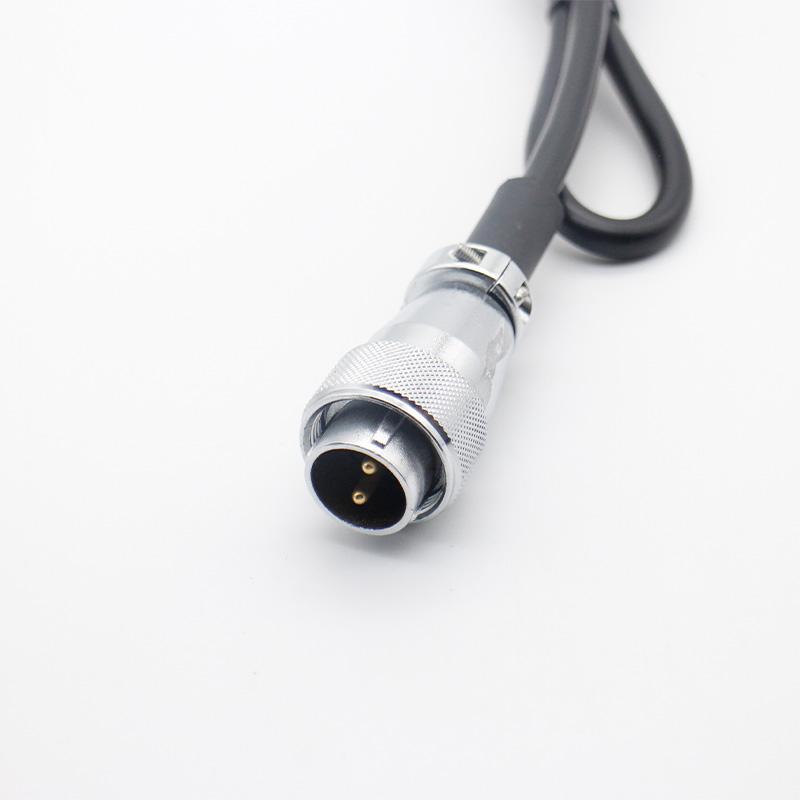
Select the Correct Connector Style: Determine whether a straight or angled (right-angle) connector is needed based on the cable routing and space available. Also, verify the pin count and gender (male or female) match the device and cable assembly.
Prepare the Cable Carefully: Strip the cable jacket and individual wires to the correct length. Avoid nicking the conductors. Follow the manufacturer's pinout diagram for the specific connector and device.
Terminate the Wires: Use the appropriate crimp contacts or solder cups as specified for the connector. Ensure each wire is securely terminated and there are no stray strands that could cause a short circuit.
Assemble and Tighten: Insert the contacts into the connector housing, ensuring they lock into place. Mate the connector and tighten the coupling nut to the specified torque. Do not over-tighten, as this can damage the threads or seal.
Provide Strain Relief: Secure the cable to the machine or panel using cable clamps or ties near the connector to prevent pulling forces from being transmitted to the termination points.
Test the Connection: Before powering up the system, use a multimeter to check for continuity, correct pin-to-pin wiring, and the absence of short circuits between pins and the shield (if applicable).
M8 Connector Applications in PLC Systems
M8 connectors are used across a wide range of PLC-controlled equipment. Their primary role is to provide a standardized, reliable interface between the control system and the devices it monitors or controls.
Sensor Connections: M8 connectors are a standard interface for connecting industrial sensors (e.g., inductive proximity sensors, photoelectric sensors) to PLC input modules. This ensures accurate signal transmission for machine status and process monitoring.
Actuator Control: They are also used to connect PLC output modules to actuators, such as solenoid valves, pneumatic cylinders, and small motors. The connector carries the control signal and, in some cases, the power required to operate the actuator.
Field Device Interfacing: Beyond simple sensors and actuators, M8 connectors are used to interface with other field devices like RFID readers, vision system cameras, and operator interface panels, providing a secure and stable connection in demanding environments.
Their small size and robust design make them particularly suitable for applications where space is at a premium and reliable connections are non-negotiable, such as in robotic end-effectors, conveyor systems, and packaging machinery.
Selecting the Right M8 Connector
Choosing the correct M8 connector for a PLC application involves more than just matching the pin count. Several factors must be considered to ensure compatibility and performance.
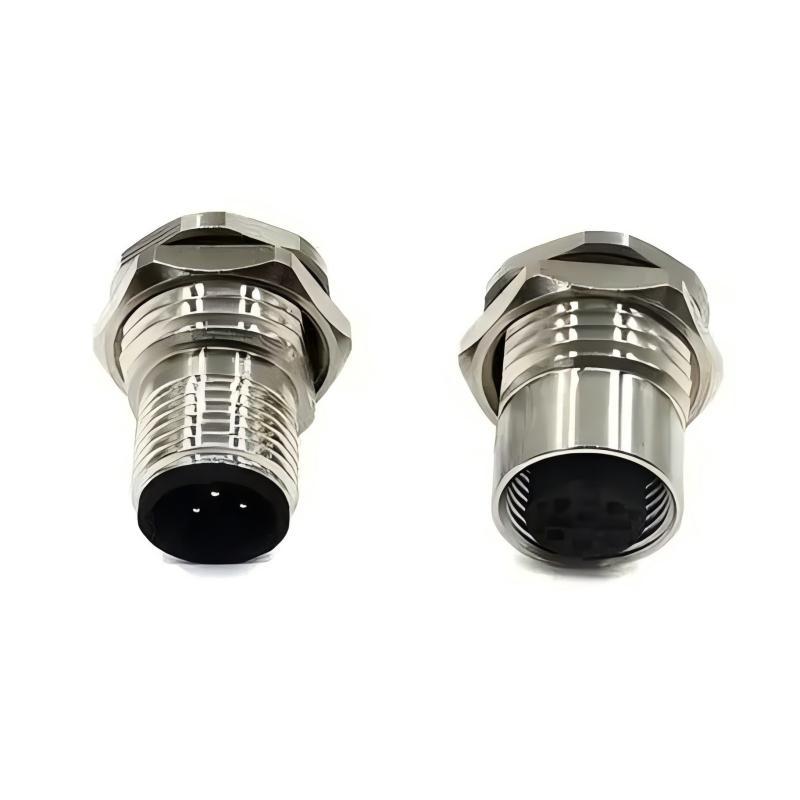
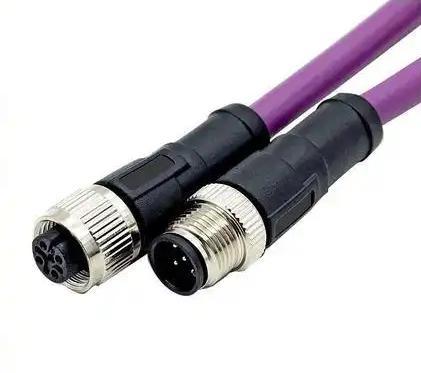
Pin Configuration and Gender: Verify the exact pin count (3, 4, or 5) and whether a male (pins) or female (sockets) connector is required for both the device and the cable assembly.
Electrical Ratings: Confirm the connector's rated current and voltage are sufficient for the application. M8 connectors are typically rated for low currents (e.g., 3-4 amps) and voltages up to 60V DC, but this varies by manufacturer and design.
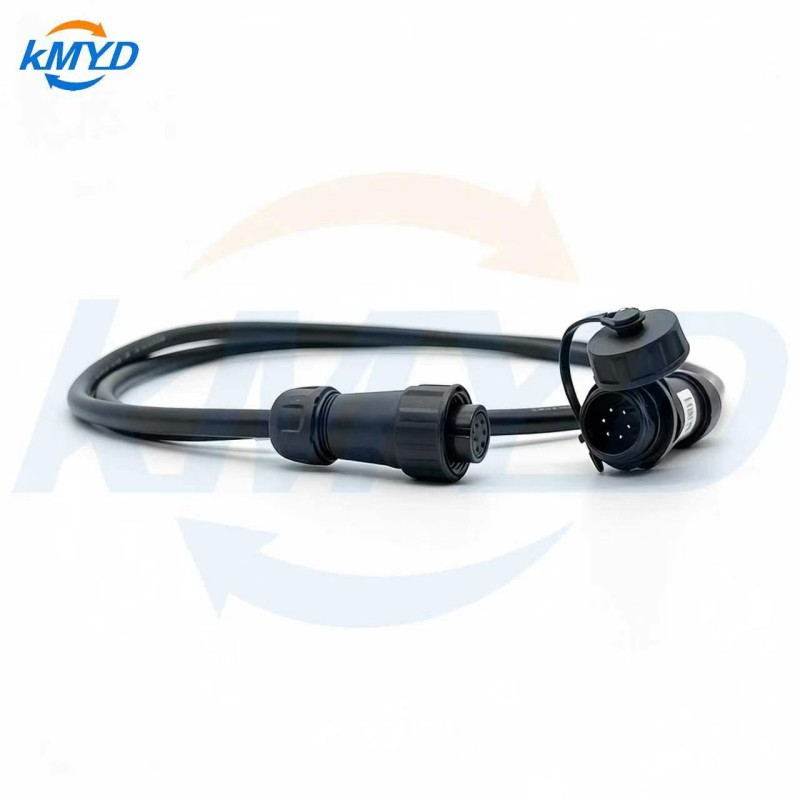
Environmental Protection (IP Rating): Assess the operating environment. For areas exposed to washdown, dust, or moisture, select a connector with an appropriate IP rating (e.g., IP67) to prevent ingress.
Cable Type and Length: The connector must be compatible with the cable's outer diameter and conductor size. Pre-assembled cable assemblies are available, or field-wireable connectors can be used for custom lengths.
Shielding Requirements: For sensitive analog or data signals, a shielded M8 connector and cable may be necessary to protect against electromagnetic interference (EMI).
Always consult the datasheets for both the connector and the PLC I/O module to confirm compatibility. If you are unsure about a specific interface, request a drawing or sample for verification before committing to a full order.
Frequently Asked Questions
What is the difference between M8 and M12 connectors?
The primary difference is size. M8 connectors have an 8mm locking thread, while M12 connectors have a 12mm thread. M8 connectors are more compact and are typically used for smaller sensors and lower current applications. M12 connectors are larger, can handle higher currents and voltages, and are often used for more complex signals like PROFINET or Ethernet. The choice depends on the space available and the electrical requirements of the device.
Can M8 connectors be used for both signal and power?
Yes, M8 connectors can carry both signal and low-power DC. However, their current-carrying capacity is limited compared to larger connectors. They are suitable for powering small sensors, actuators, and other low-power devices. For higher power requirements, a different connector type, such as M12 or a dedicated power connector, should be considered.
Are M8 connectors waterproof?
Many M8 connectors are available with an IP67 rating, which means they are protected against dust ingress and temporary immersion in water. However, this rating applies only when the connector is properly mated and the cable is correctly sealed. It is important to verify the IP rating of the specific connector model and ensure it meets the requirements of your application environment.
How do I choose between a straight and an angled M8 connector?
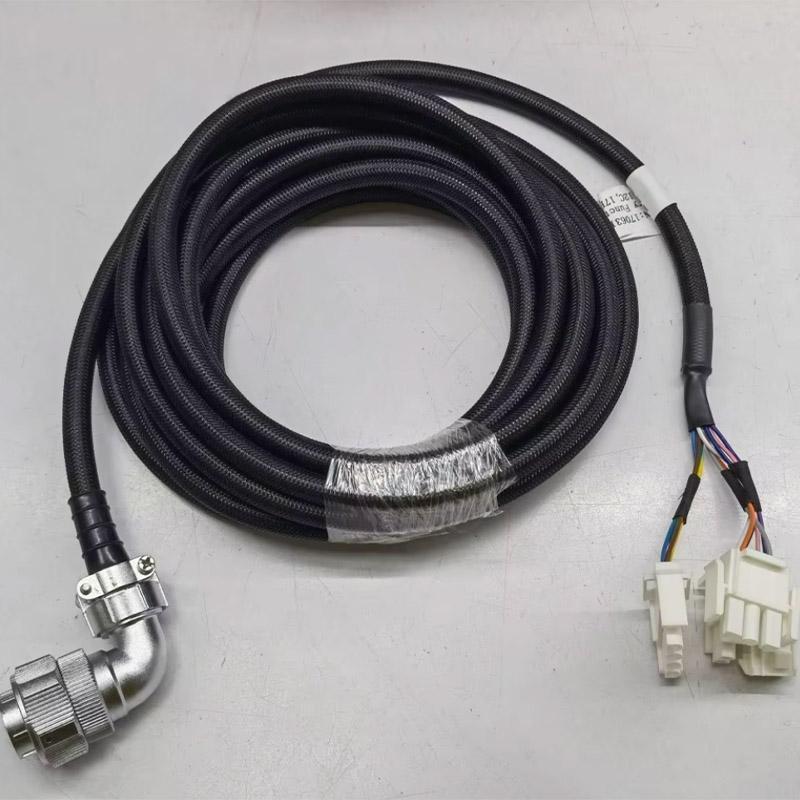
The choice depends on the cable routing and space constraints. A straight connector is used when the cable exits directly from the device. An angled (right-angle) connector is used when space is limited or when the cable needs to run parallel to the mounting surface. Angled connectors help reduce strain on the cable and are useful in tight installations.
What is the typical lifespan of an M8 connector?
The lifespan is often measured in mating cycles. A typical M8 connector is rated for hundreds to over a thousand mating cycles, depending on the manufacturer and design. The actual lifespan in service depends on factors like the frequency of disconnection, environmental conditions, and the quality of the installation. For applications requiring frequent changes, consider connectors with a higher mating cycle rating.
Conclusion
The M8 connector is a practical and reliable choice for connecting sensors, actuators, and other field devices in PLC systems. Its compact size, robust design, and versatility make it well-suited for the demanding conditions of industrial automation. By carefully selecting the correct pin configuration, electrical ratings, and environmental protection, and by following proper installation procedures, you can ensure a dependable and long-lasting connection.
Before finalizing your design, always verify the connector's specifications against your PLC I/O module and device requirements. If you are unsure about a specific interface or need assistance with a custom cable assembly, contact our team with your project details for a tailored solution.






 Tel: +8619924482730
 Email: info@kmydconnector.com
 MP/WhatsApp: +8619924482730
 Manufacturer Address:Baoan District, Shenzhen City, Guangdong Province,China