GOST OHS Circular Connector with Multiple Core Count Options
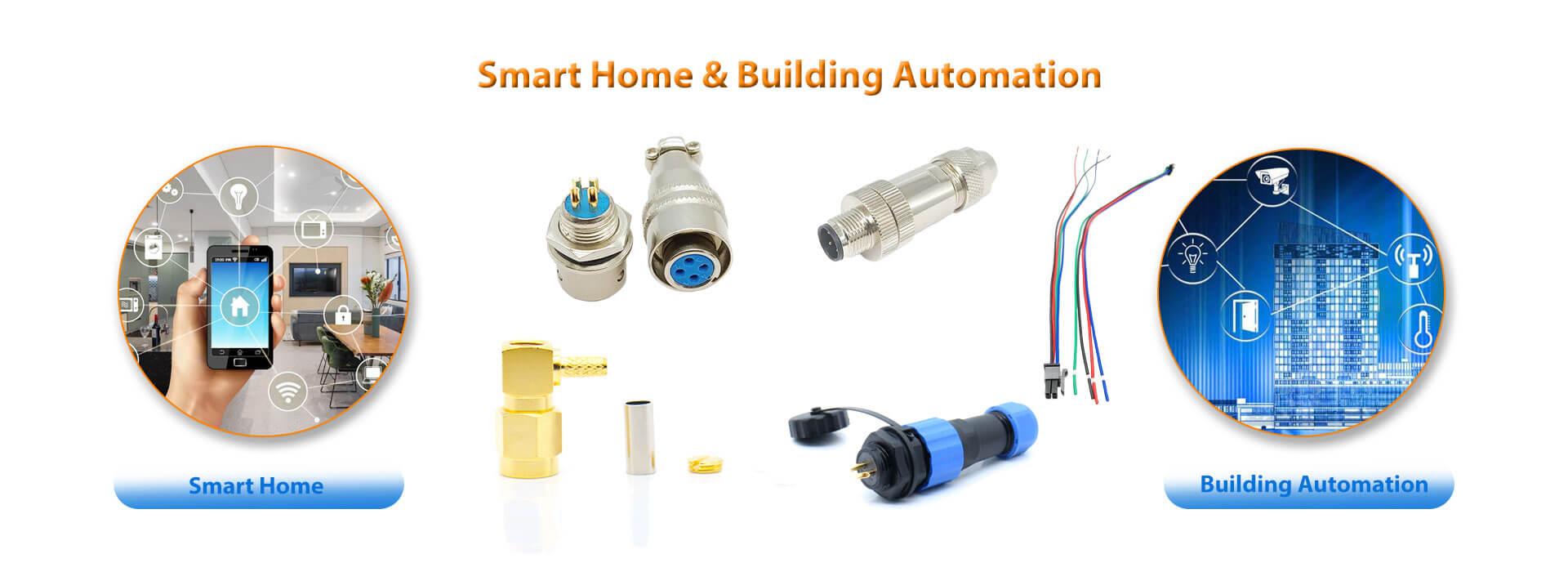
Project Background: XLR Connectors in Smart Home Audio Systems
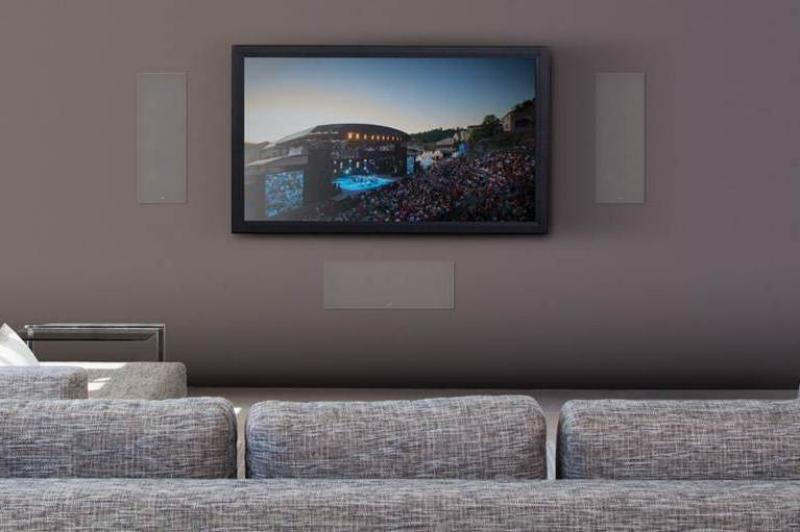
Smart home audio installations increasingly rely on professional-grade interconnection to maintain signal integrity across distributed speaker zones, home theater processors, and networked audio interfaces. XLR connectors are specified in these systems because their balanced signal architecture rejects electromagnetic interference over longer cable runs, a common requirement when audio equipment is installed near power distribution, wireless routers, or lighting control modules.
This case outlines how XLR connectors support reliable audio signal transmission in residential and light-commercial smart home environments, focusing on the mechanical and electrical characteristics that matter during installation and daily operation.
Interface and Environmental Requirements
The primary application involves connecting microphones, powered speakers, and audio interfaces within a smart home audio distribution network. The known interface requirements include:
- 3-pin XLR configuration for balanced audio signals (pin 1 ground, pin 2 hot, pin 3 cold)
- Locking latch mechanism to prevent accidental disconnection during cable movement or equipment servicing
- Cable diameter range compatible with standard shielded audio cable (typically 4–8 mm outer diameter)
- Operating environment limited to indoor, dry locations with no direct water exposure
- Mating cycles expected to exceed 1,000 insertions for frequently reconfigured home theater setups
Electrical loading is limited to line-level audio signals and low-power microphone inputs; no mains voltage or high-current power transmission is involved in this application.
Connector Solution and Selection Rationale
The selected XLR connector series provides a metal shell with a positive locking mechanism, ensuring stable contact pressure over repeated mating cycles. The female receptacle is panel-mounted on audio interface units, while the male plug is field-terminated onto shielded microphone or speaker cables. This configuration allows service technicians to replace or re-terminate cables without replacing the entire connector assembly.
Key selection criteria included contact resistance stability, strain relief performance, and compatibility with standard 3-pin XLR wiring conventions used across consumer and professional audio equipment. The connector's grounding shell also contributes to shielding continuity when used with properly shielded cables.
Commissioning and Delivery Process
During system commissioning, each XLR connection was verified for correct pin wiring and secure latching. Signal continuity tests were performed using a standard audio test tone to confirm that no intermittent contact occurred when cables were flexed near the connector entry point. The locking mechanism was checked for positive engagement and release force, ensuring that connectors remain seated during normal use but can be disconnected without tools.
Delivery included pre-terminated cable assemblies for fixed installations and field-wireable connectors for on-site adjustments. Each connector was visually inspected for shell integrity, contact plating condition, and strain relief fit before shipment.
Verified Results and Application Notes
In the smart home audio context, the XLR connectors maintained stable signal transmission without audible hum or buzz when audio cables were routed alongside low-voltage control wiring. The locking mechanism prevented accidental disconnection during equipment rack servicing and cable management adjustments.
For installers selecting XLR connectors for similar projects, consider the following:
- Confirm the cable outer diameter matches the connector strain relief range before termination
- Verify that panel-mounted receptacles have adequate rear clearance for cable bending radius
- Use shielded cable with the shield connected at the source end for optimal interference rejection
- Check that the mating plug and receptacle are from the same series to ensure latch compatibility
For related interconnection options in smart home installations, see M12 Connectors in Smart Lighting Sensor Systems or review the 12G Series Circular Connectors for alternative circular connector solutions.
Inquiry and Ordering Information
For detailed specifications, drawings, or sample requests for XLR connectors suitable for smart home audio systems, please use the inquiry form or contact our sales team directly. Provide your cable type, required pin count, mounting style (cable or panel), and expected mating cycles to receive a configuration recommendation.




 Tel: +8619924482730
 Email: info@kmydconnector.com
 MP/WhatsApp: +8619924482730
 Manufacturer Address:Baoan District, Shenzhen City, Guangdong Province,China