LD20/SP20 Heavy-Duty Square Connector
Project Background: Push-Pull Connectors in Swiss Robotic End-Effector Tooling
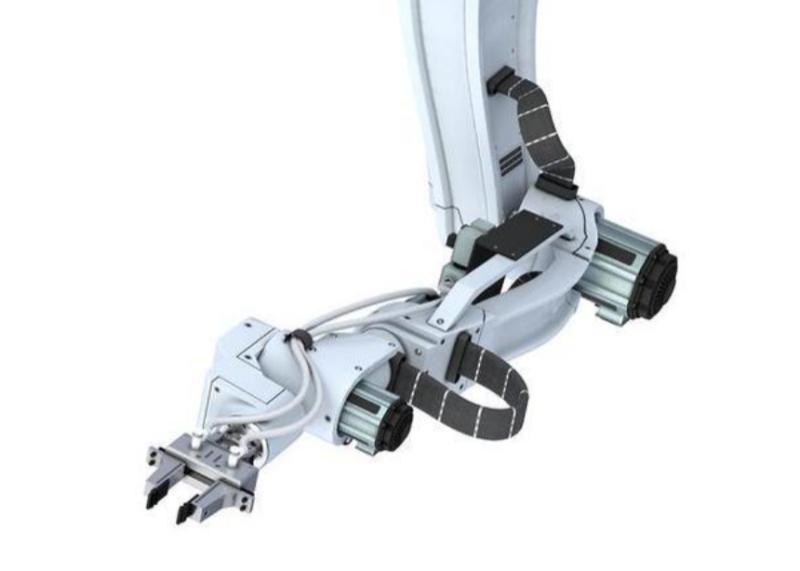
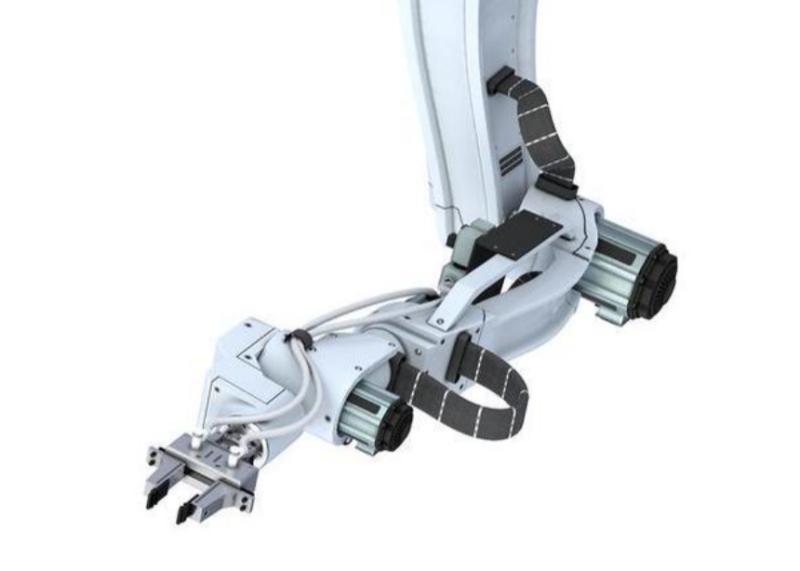
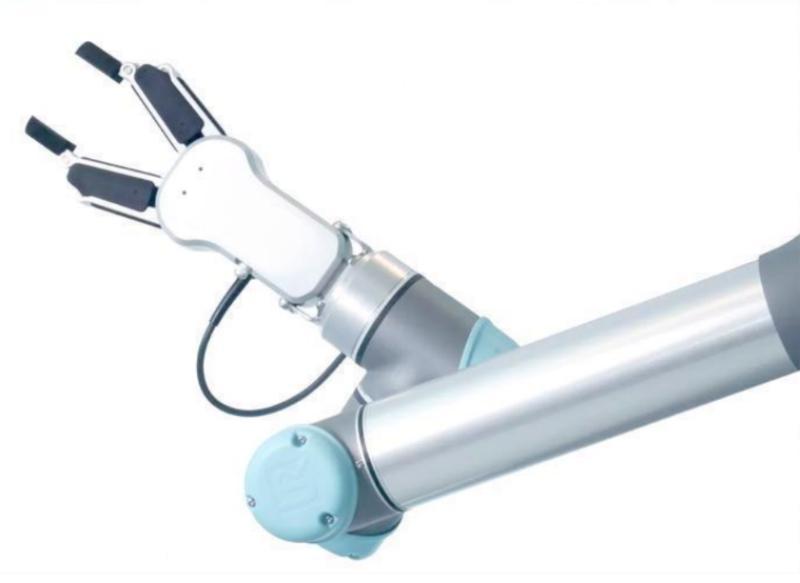
In Switzerland's advanced manufacturing and automation sector, robotic end-effectors—such as grippers, vision systems, and specialized process tools—are frequently designed as interchangeable modules. This modular approach allows a single robotic arm to perform diverse tasks, from precision assembly to material handling, within the same production cell.
The core requirement for these systems is a reliable, high-cycle interface that supports rapid tool changes without compromising signal integrity or power delivery. The connector must withstand repeated mating cycles in an industrial environment while maintaining consistent electrical and mechanical performance.
Connector Application and Interface Requirements
Push-pull connectors are deployed at the critical interface between the robotic arm flange and the interchangeable end-effector. In this Swiss automation context, the connectors serve three primary functions:
-
Power and control: Electrical connections for gripper actuators, servo drives, and tool motors.
-
Signal transmission: Interfaces for integrated sensors, including force-torque sensors, proximity switches, and vision camera data links.
-
Service connectivity: Temporary connections established during automated or manual tool replacement procedures.
The selection of a push-pull connector for this application is driven by the need for a blind-mating-friendly, tool-free connection that reduces changeover time compared to threaded or bayonet-style alternatives.
Design Characteristics and Mechanical Fit
The push-pull locking mechanism provides two essential benefits for robotic tooling. First, it enables quick, one-handed connection without rotational alignment, which is critical in confined robotic cells where access may be limited. Second, the self-locking design ensures a secure mechanical and electrical connection once engaged, preventing accidental disconnection due to vibration or robotic motion.
For end-effector applications, the connector's compact footprint and low insertion force are as important as its electrical ratings. The design must accommodate the specific pin count and contact layout required by the tool's power and signal architecture.
Operational Considerations for High-Cycle Use
Robotic tool-changing systems impose demanding operational conditions on connectors. Frequent connection cycles—often thousands per year—require robust contact materials and plating to maintain low and stable contact resistance over the connector's service life. The mechanical locking mechanism must also demonstrate consistent retention force without wear-related loosening.
Environmental factors in Swiss production facilities, such as temperature variation, humidity, and potential exposure to cutting fluids or dust, should be evaluated against the connector's IP rating and material compatibility. The mating cycles and cable strain relief should be verified against the specific robotic application's duty cycle.
Conclusion and Selection Guidance
Push-pull connectors provide an efficient and reliable solution for modular robotic tooling systems, particularly where frequent tool changes and secure locking are required. When specifying a connector for this application, engineers should verify the pin count, current and voltage ratings, cable diameter range, and mating cycle durability against the end-effector's actual electrical load and operational environment.
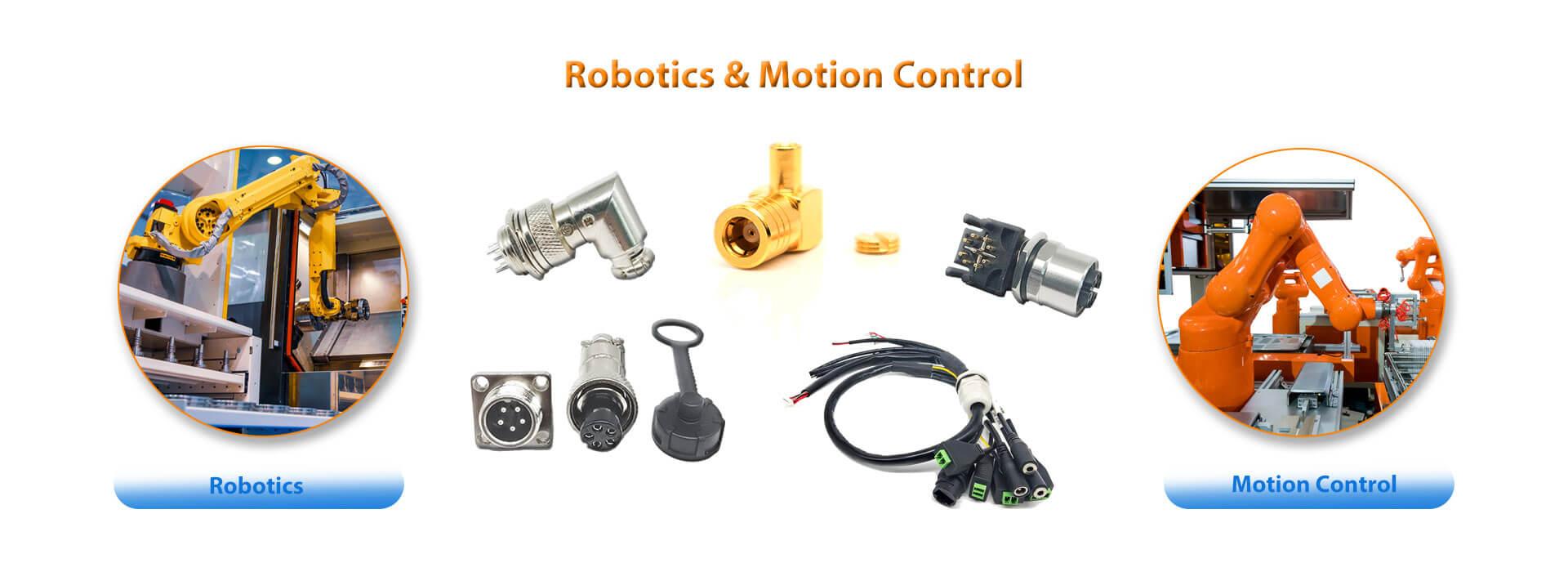
For related high-density and heavy-duty connection requirements in robotic systems, the Aviation Plug Connectors series offers additional options. For guidance on connectors suited to frequent tool changes and quick plugging in robot end effectors, refer to the robotics FAQ on connector selection.




 Tel: +8619924482730
 Email: info@kmydconnector.com
 MP/WhatsApp: +8619924482730
 Manufacturer Address:Baoan District, Shenzhen City, Guangdong Province,China