Din Circular Connector Types and Specifications Guide
Circular Threaded Connectors for Urban Tram Systems

Project Background
Urban tram systems operate in demanding environments where continuous electrical and control signal integrity is essential for passenger safety and service punctuality. In this project, the operator sought to improve the reliability of critical onboard connections, addressing the need for robust performance under vibration, temperature variation, and frequent mating cycles.
Interface and Environmental Requirements
The application required circular threaded connectors capable of maintaining stable electrical contact across control and power circuits. Key considerations included secure locking mechanisms to prevent accidental disconnection, resistance to environmental ingress, and compatibility with the existing cable and panel mounting interfaces used in the tram's auxiliary systems.
Connector Solution and Configuration
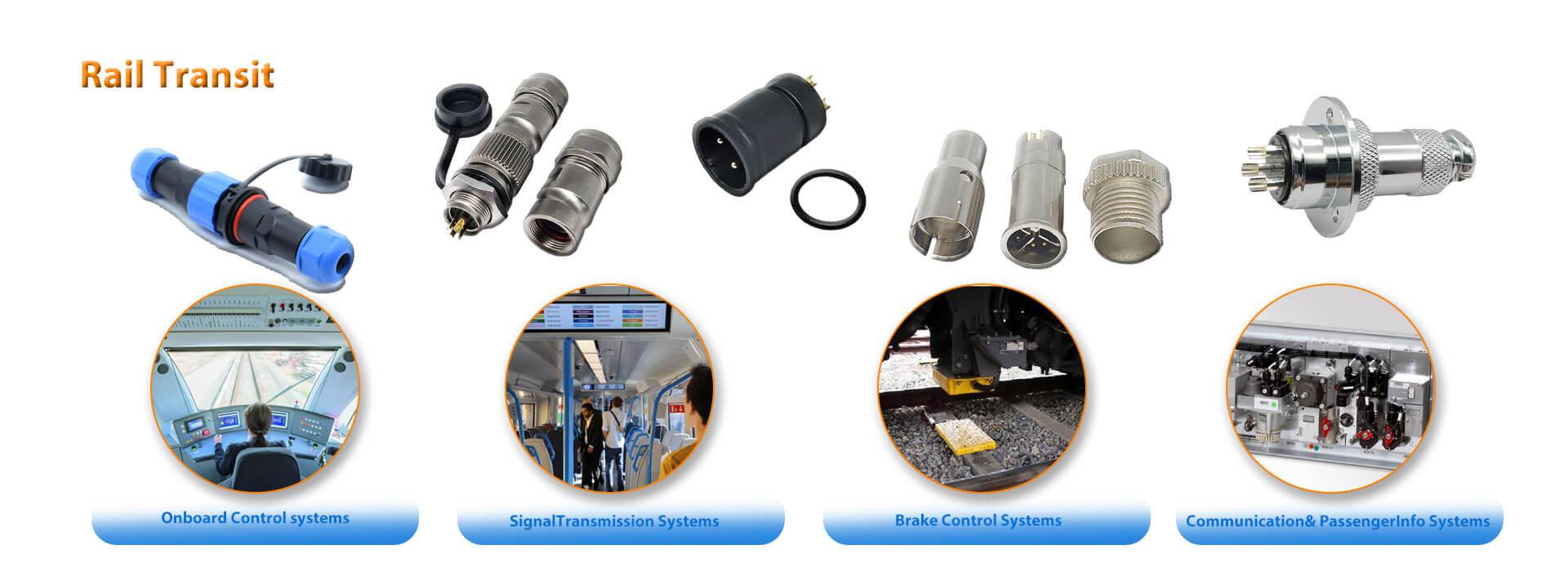
Circular threaded connectors were selected for their proven mechanical strength and ease of field installation. The configuration supported the required pin count and contact layout, ensuring proper mating with the tram's control modules. The threaded coupling design provided a reliable locking force, reducing the risk of loosening due to ongoing vibration during operation.
Commissioning and Delivery Process
During the commissioning phase, the connectors were installed and tested to verify secure mating and consistent electrical continuity. The installation process confirmed that the cable range and mounting style matched the onboard equipment layout. Delivery included the necessary documentation and configuration confirmation to support maintenance and future replacement needs.
Verified Results and Operational Benefits
The implemented connector solution contributed to stable electrical connections among critical tram components, supporting enhanced system reliability and passenger comfort under diverse operating conditions. The threaded interface provided a dependable connection point, reducing the likelihood of signal interruption and simplifying routine inspection procedures.
For engineers evaluating similar rail transit applications, this case demonstrates the importance of selecting connectors with appropriate mechanical locking, environmental protection, and electrical ratings. For further guidance on connector types and specifications, refer to the Din Circular Connector Types and Specifications Guide. For additional insights into reliable connections in rail systems, see For the Passenger Information System (PIS) of tramcars that need to transmit video signals and power supply simultaneously, which connector should be selected?.
If you are assessing connector requirements for a tram or other transit application, please provide your interface details, electrical load, and environmental conditions to receive a configuration review.





 Tel: +8619924482730
 Email: info@kmydconnector.com
 MP/WhatsApp: +8619924482730
 Manufacturer Address:Baoan District, Shenzhen City, Guangdong Province,China