RF Connector Types, Materials, and Electrical Specs
Connectors for High-Speed Rail: Ensuring Reliable Electrical and Control Links
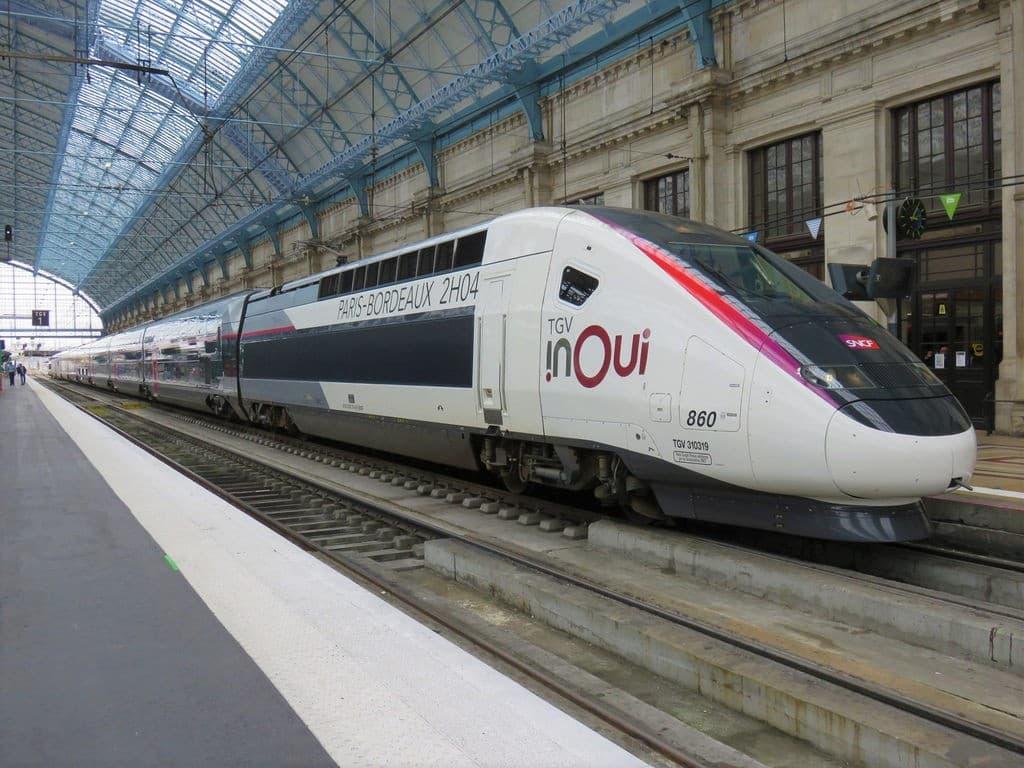
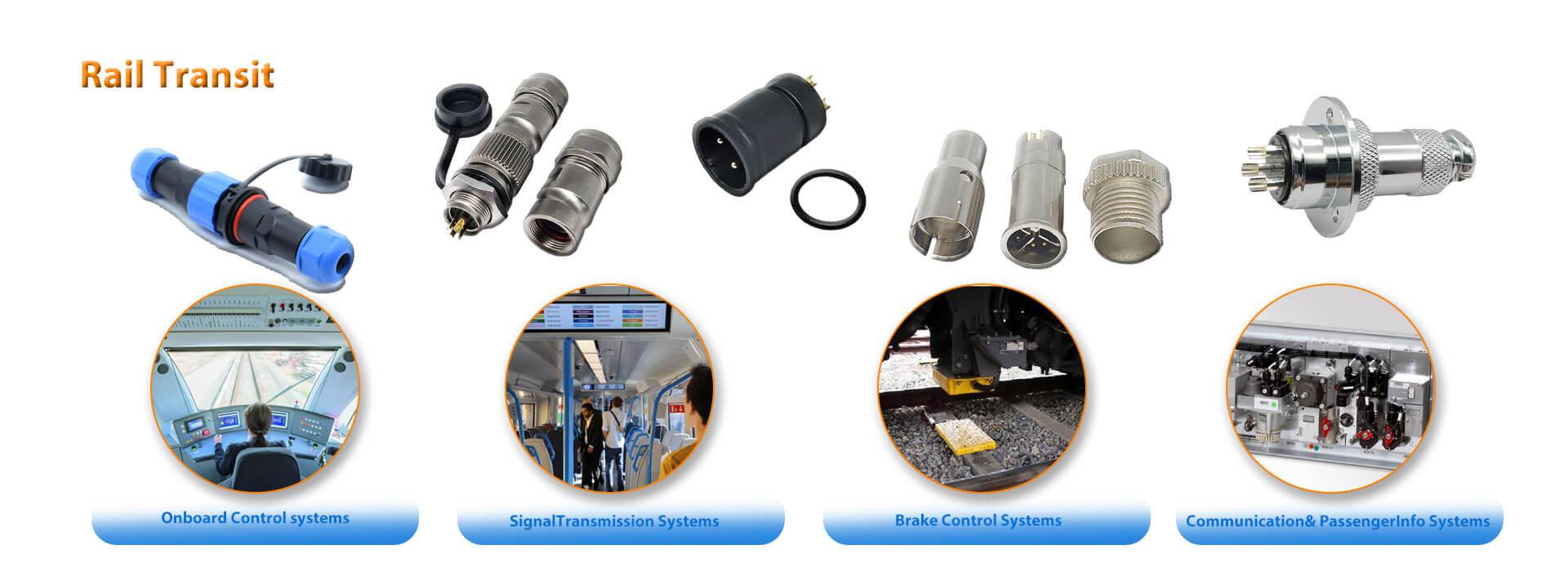
Connectors are indispensable in a high-speed train. They are vital for the train's electrical and control systems, ensuring smooth links between carriages and key systems like propulsion and braking. Built to endure high speeds, vibrations, and diverse conditions, they guarantee safe, efficient travel.
Project Background and Industry Context
High-speed rail networks demand components that perform consistently under extreme mechanical stress and variable environmental exposure. The connectors used between carriages and within critical subsystems must maintain signal integrity and power continuity despite continuous vibration, temperature swings, and potential moisture ingress. This page outlines the engineering considerations for selecting connectors suited to these demanding railway applications.
Interface and Environmental Requirements
For rolling stock applications, the primary selection criteria include:
-
Mating cycles and service life: Low plugging frequency but high durability requirements are typical for inter-carriage connections.
-
Electrical load: Connectors must handle specified current and voltage ratings for propulsion, braking, and control circuits without derating.
-
Environmental protection: Sealing against dust and water ingress is essential, with IP-rated housings preferred for underframe or exposed installations.
-
Mechanical robustness: Vibration resistance and secure locking mechanisms prevent accidental disconnection during operation.
Connector Solution and Configuration
Depending on the specific train platform, engineers may select circular or rectangular connector series with defined pin counts, keying options, and cable entry styles. For high-reliability systems, aviation-style circular connectors with threaded coupling are often specified. For lower-frequency but long-life inter-carriage links, a connector with a robust metal shell and corrosion-resistant plating is recommended. The choice between plug and socket, straight or angled versions, and field-wireable versus factory-molded assemblies depends on the installation space and maintenance strategy.
Verification and Delivery Process
Before deployment, sample connectors should undergo mechanical and electrical validation, including insertion and withdrawal force tests, contact resistance measurement, and insulation resistance checks. Where applicable, vibration and temperature cycling tests confirm performance under simulated operating conditions. Delivery documentation should include material certificates and test reports to support traceability.
Verified Results and Evidence
While specific customer names and field results are not disclosed here, the selection guidance above is based on verified technical specifications for railway-grade connector series. For detailed parameter interpretation and application-specific advice, consult the relevant product documentation or contact our engineering team.
For further reading on connector types and material properties, see RF Connector Types, Materials, and Electrical Specs. For related railway applications, review Reliable Electrical Connectors for Subway Train Systems.
To discuss your high-speed rail connector requirements or request a sample for evaluation, please use the inquiry form or contact us via WhatsApp. Our team can assist with configuration confirmation and technical validation.




 Tel: +8619924482730
 Email: info@kmydconnector.com
 MP/WhatsApp: +8619924482730
 Manufacturer Address:Baoan District, Shenzhen City, Guangdong Province,China