SF Series Aviation Connectors Specifications and Performance Data
Application Background
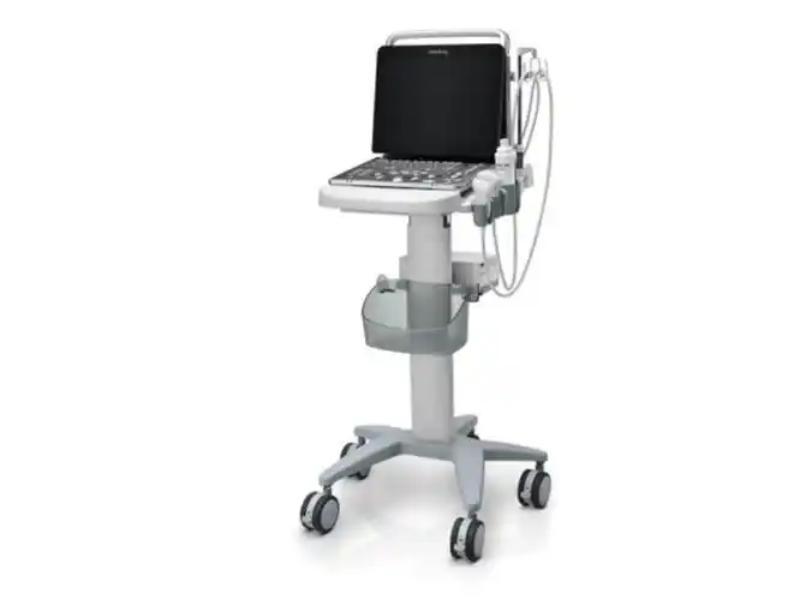
Portable diagnostic devices are increasingly deployed in clinical and field environments, enabling healthcare professionals to conduct tests beyond traditional hospital settings. These compact instruments typically require reliable external connections for power delivery, sensor integration, and data transfer. In the United States, where mobile health services and point-of-care testing are expanding, the demand for durable and secure interface components has grown accordingly.
The external interface of such equipment must withstand frequent handling, transport, and connection cycles while preserving signal integrity and electrical safety. This places specific demands on the connector system used at the device boundary.
Connector Application
Circular connectors are commonly specified for the external interfaces of portable diagnostic equipment. In this project context, the primary applications include:
- Power input connections for device operation and battery charging
- Sensor interface ports for patient monitoring or sample analysis probes
- Data communication links for transferring results to external systems
The selection of a circular form factor is driven by its proven mechanical robustness and the ease of blind mating, which is particularly valuable in fast-paced clinical workflows.
Design Considerations
For this application, connectors were evaluated based on their structural integrity and alignment characteristics. The chosen design supports repeated mating cycles while maintaining stable electrical contact, which is essential for consistent diagnostic readings. Key selection criteria included contact resistance stability, insertion force, and the mechanical retention of the mating pair under light cable strain.
Engineers also considered the need for clear tactile or visual feedback upon full engagement to prevent partial connections that could lead to intermittent faults.
Environmental and Handling Factors
Portable devices are subject to frequent transport between facilities and use in varied environmental conditions. The connector system must therefore support a high number of plugging cycles and maintain reliable performance during movement and vibration. While the primary focus is on mechanical endurance, the interface should also offer a defined level of ingress protection to guard against dust and incidental moisture in non-sterile field settings.
For applications requiring a higher degree of sealing or a more compact footprint, alternative circular series may be considered. For instance, the 12G Series Circular Connectors offer a range of configurations suitable for similar portable equipment needs. Additionally, for projects involving custom cable assemblies, a solution such as SP Series Waterproof Wire Connector with Cable for In-Line Power and Signal can provide a pre-terminated option that reduces assembly time and improves consistency.
Conclusion
Circular connectors provide a practical and dependable solution for external interfaces in portable diagnostic devices. Their combination of mechanical durability, ease of use, and stable electrical performance supports the operational demands of mobile healthcare applications in the United States. When specifying connectors for such devices, it is recommended to verify the required mating cycles, environmental rating, and cable strain relief to ensure long-term reliability in the intended use environment.




 Tel: +8619924482730
 Email: info@kmydconnector.com
 MP/WhatsApp: +8619924482730
 Manufacturer Address:Baoan District, Shenzhen City, Guangdong Province,China