SP28/SD28 Square Flange Connector
Medical Connectors Powering Real-Time ICU Systems in Japan
Patient monitoring systems providing continuous real-time surveillance of vital signs enable clinical decision-making and early intervention. Behind the sophisticated displays and advanced algorithms, connector systems serve as the critical interfaces that ensure reliable signal transmission from sensors to processing units.
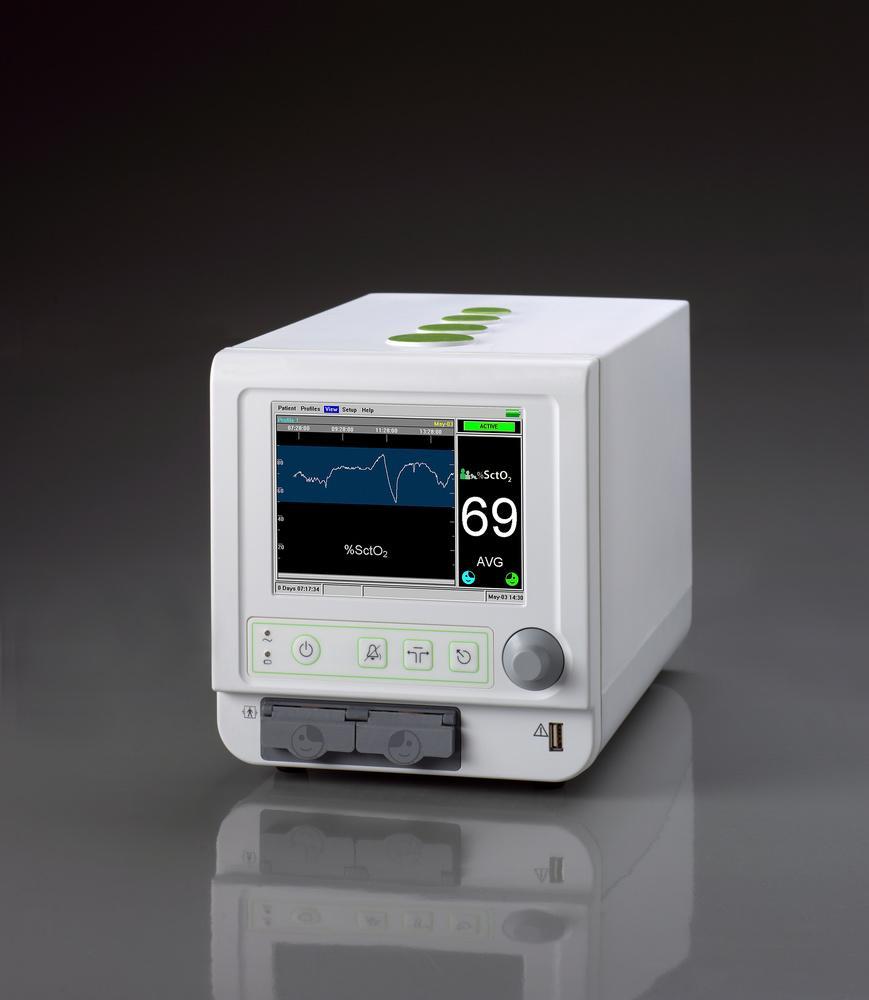
Project Background: Centralized ICU Monitoring in Japan
In Japan's intensive care units, these connectors are integrated into centralized monitoring architectures that aggregate data from over 200 beds per ward, enabling real-time AI-driven anomaly detection. As telehealth and remote patient monitoring expand globally, connector technology is evolving toward wireless hybrid systems—maintaining wired reliability for critical parameters while incorporating Bluetooth Low Energy (BLE) for non-critical vitals.
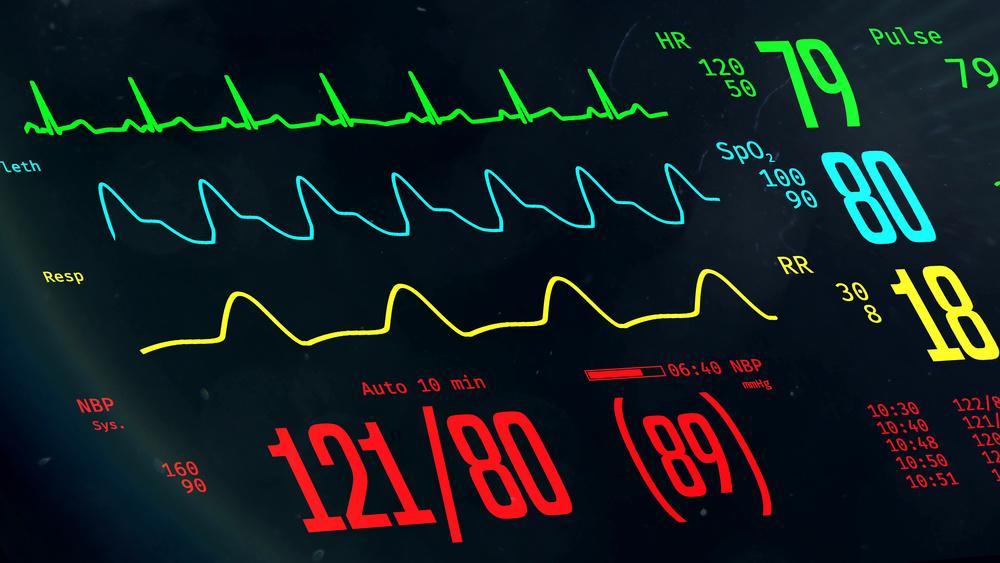
Multi-Parameter Monitoring Integration Requirements
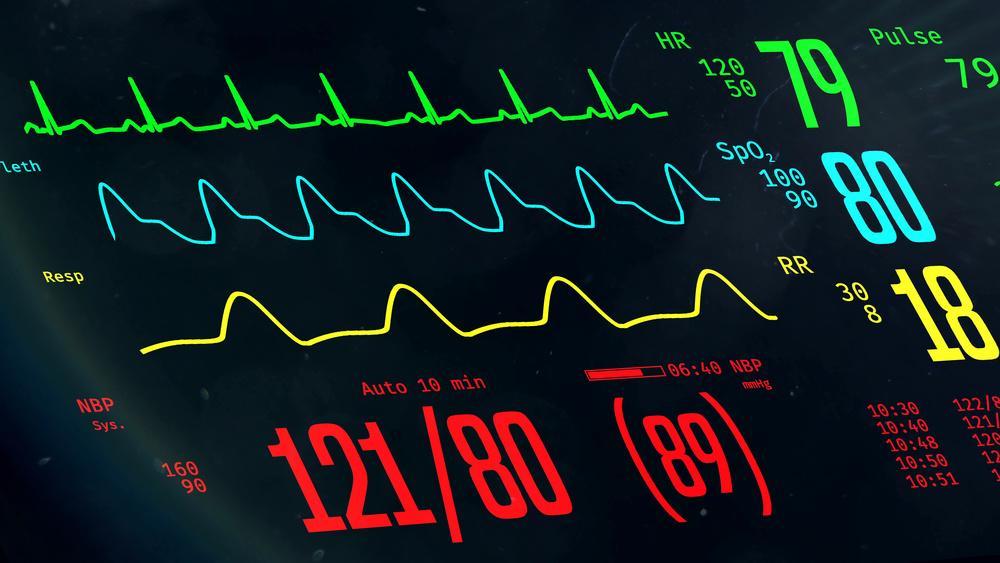
Multi-parameter monitoring integration represents another critical challenge as modern patient monitors simultaneously process ECG, SpO2, blood pressure, respiration, and temperature signals through dedicated connection interfaces. The integration challenge lies in maintaining signal isolation between different parameter channels while providing unified operator interfaces that don't overwhelm clinical staff.
These connectors must prevent cross-talk between different physiological signals through careful electrical isolation, support multiple signal types simultaneously without interference or degradation, and maintain hot-swap capability that allows individual sensor replacement without powering down the entire system.
Connector Selection Considerations for ICU Applications
- Signal isolation performance between ECG, SpO2, blood pressure, respiration, and temperature channels
- Hot-swap capability for individual sensor replacement without system shutdown
- Mechanical durability for repeated mating cycles in high-utilization ICU environments
- Compatibility with centralized monitoring architectures and AI-driven data aggregation
Future Direction: Hybrid Wired-Wireless Connectivity
As healthcare continues its digital transformation toward telemedicine, remote patient monitoring, and artificial intelligence integration, connectors will play an increasingly important role in enabling these innovations while maintaining the reliability and safety standards that patient monitoring demands. The evolution of patient monitor connector technology continues to focus on reducing failure rates, improving signal integrity, and enabling new monitoring capabilities that enhance patient care while supporting the clinical workflows of modern healthcare delivery systems.
For engineers evaluating connector solutions for patient monitoring equipment, consider the electrical isolation requirements between physiological signal channels, the expected mating cycle count in continuous-use environments, and the mechanical retention force needed to prevent accidental disconnection during patient transport. For related connector options, review the Aviation Plug Connectors series or the SP28/SD28 Square Flange Connector for additional configuration possibilities.
To discuss your specific patient monitoring connector requirements, please use the inquiry form or contact our engineering team via WhatsApp for application-specific guidance.




 Tel: +8619924482730
 Email: info@kmydconnector.com
 MP/WhatsApp: +8619924482730
 Manufacturer Address:Baoan District, Shenzhen City, Guangdong Province,China